Aeration is one of the most beneficial lawn care practices—but only when it’s done at the right time. Aerating at the wrong point in the season can slow recovery, invite weeds, or waste effort entirely.
The goal of aeration isn’t just to punch holes in the soil. It’s to relieve compaction when grass can recover quickly and take advantage of improved soil conditions. That’s why the “best” time to aerate depends on your grass type, climate, and lawn goals.
The Short Answer: Match Aeration to Active Growth
The universal rule of aeration is simple:
Aerate when your grass is actively growing.
Active growth allows turf to recover quickly from disruption, fill in open areas, and capitalize on improved access to water, oxygen, and nutrients.
The challenge is that “active growth” occurs at different times depending on grass species.
Best Time to Aerate Cool-Season Lawns
(Kentucky Bluegrass, Tall Fescue, Fine Fescue, Perennial Ryegrass)
Best time: Early fall
Second-best option: Early spring (with caution)
Why Fall Is Ideal
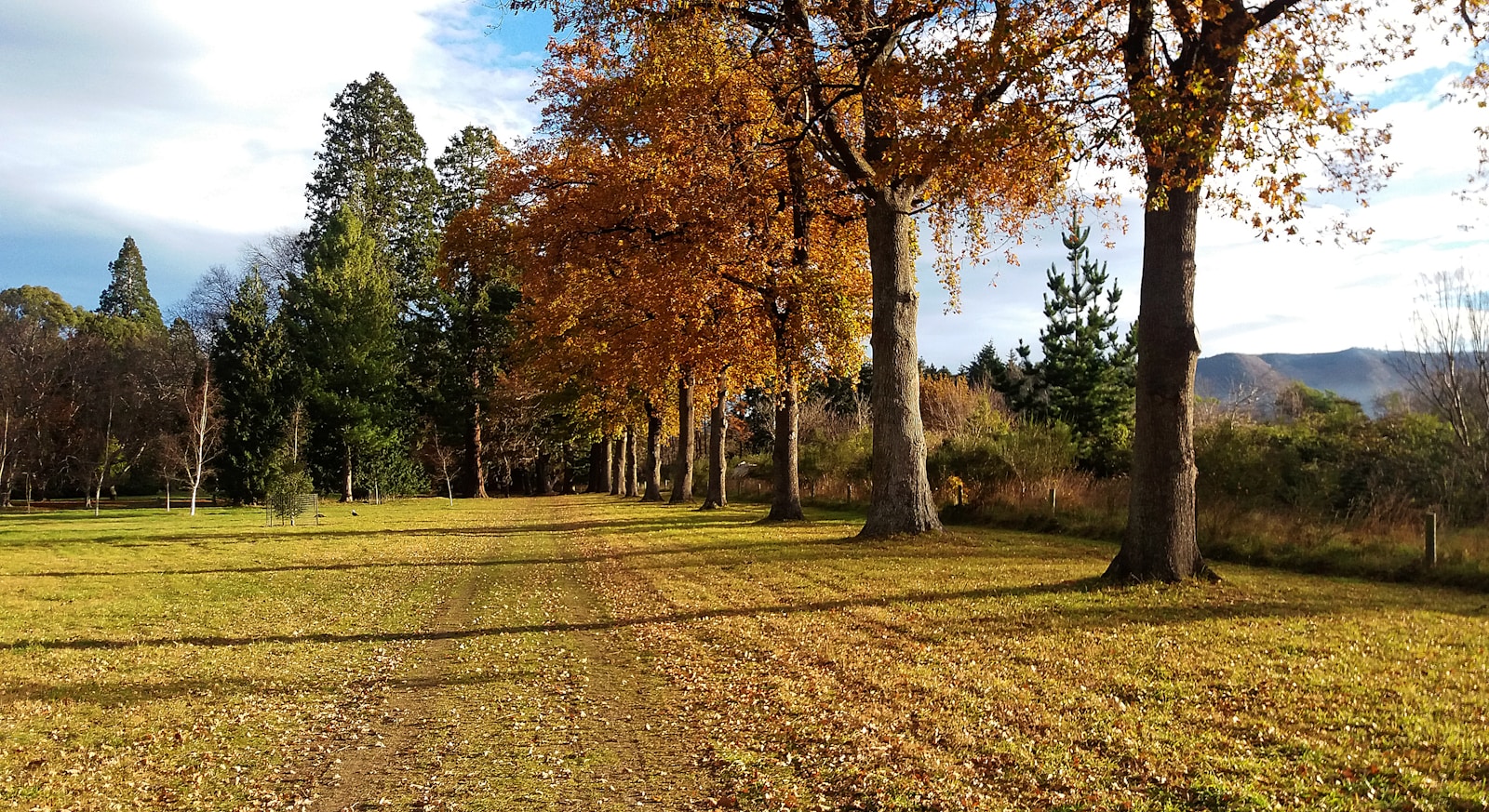
Early fall—typically late August through September in many regions—is the gold standard for cool-season lawns.
During this period:
- Soil temperatures are still warm
- Air temperatures are cooler
- Grass growth is strong
- Weed pressure is declining
Aerating in fall sets the stage for:
- Overseeding success
- Strong root development before winter
- Thicker turf the following spring
For homeowners serious about lawn improvement, fall aeration combined with overseeding delivers the most visible, lasting results.
Spring Aeration for Cool-Season Lawns: When It Makes Sense
Spring aeration can work, but it’s best reserved for:
- Severely compacted lawns
- Areas damaged over winter
- Lawns that missed fall aeration
The downside of spring aeration is increased weed competition. Opening soil during peak weed germination can create more problems unless follow-up care is precise.
Best Time to Aerate Warm-Season Lawns
(Bermuda, Zoysia, St. Augustine, Centipede)
Best time: Late spring to early summer
Warm-season grasses grow most aggressively as temperatures rise. Aerating too early—before full green-up—can stress turf and delay recovery.
Late spring and early summer aeration allows:
- Rapid turf recovery
- Improved nutrient uptake during peak growth
- Reduced long-term compaction during heavy use seasons
For warm-season lawns, timing is even more critical than frequency.
Aerating by Soil Condition, Not Just the Calendar
Clay Soil
Clay soils compact easily and benefit from consistent annual aeration, regardless of grass type. Timing should still align with active growth, but skipping aeration in clay often leads to drainage and root issues.
Sandy or Loamy Soil
These soils drain well and compact more slowly. Aeration may only be needed every couple of years, unless traffic is high or overseeding is planned.
What About Aerating in Summer or Winter?
Summer Aeration
Generally not recommended unless:
- You’re dealing with extreme compaction
- You have irrigation and can manage stress
Heat stress combined with soil disruption can damage turf if moisture isn’t carefully managed.
Winter Aeration
Avoid entirely. Frozen or dormant turf cannot recover properly, and aeration provides little benefit under these conditions.
The Best Time to Aerate Depends on Your Lawn Goals
If You’re Overseeding
Aerate immediately before spreading seed. Open soil channels dramatically improve seed-to-soil contact, which is essential for germination.
If You’re Fixing Drainage or Compaction
Aerate when soil is moist but not saturated. Timing still matters, but soil condition becomes equally important.
If You’re Maintaining a Healthy Lawn
Stick to a consistent schedule aligned with your grass type’s peak growth season.
Morning vs Afternoon: Does Time of Day Matter?
Time of day matters less than soil condition. Ideally:
- Soil should be slightly moist
- Grass should not be heat-stressed
- Avoid aerating during extreme heat or drought
Many homeowners prefer late morning or early afternoon once dew has dried.
Plug Aeration vs Spike Aeration: Timing Differences
Plug aerators remove soil cores and create lasting relief. Because they disrupt turf more significantly, timing is critical.
Spike aerators can be used more flexibly but deliver less benefit. For long-term improvement, plug aeration done at the right time is far more effective.
Best Time to Aerate: Quick Reference
- Cool-season lawns: Early fall (best), early spring (secondary)
- Warm-season lawns: Late spring to early summer
- Clay soil: Annually, during active growth
- Overseeding planned: Same day as seeding
- High-traffic lawns: Peak growth season every year
Final Verdict
The best time to aerate your lawn isn’t defined by the calendar—it’s defined by grass growth and soil conditions.
For most homeowners, that means:
- Fall aeration for cool-season lawns
- Late spring or early summer aeration for warm-season lawns
When timed correctly, aeration doesn’t just fix short-term issues—it lays the groundwork for healthier turf season after season.