The Question Almost Everyone Gets Wrong
Aeration is one of the best things you can do for your lawn. But homeowners often wonder:
Should you water before aerating, after aerating, or both?
The short answer:
You should water both before and after aerating — but for different reasons.
Getting this timing right dramatically improves how well aeration works and how quickly your lawn recovers.
Quick Answer: When to Water Around Aeration
Here’s the simple breakdown:
• Water 1–2 days before aeration to soften soil
• Aerate when soil is moist, not muddy
• Water immediately after aeration if overseeding or fertilizing
• Keep soil lightly moist afterward to encourage recovery
Each step serves a different purpose, and skipping one reduces results.
Why You Should Water Before Aerating
Moist Soil Makes Better Plugs
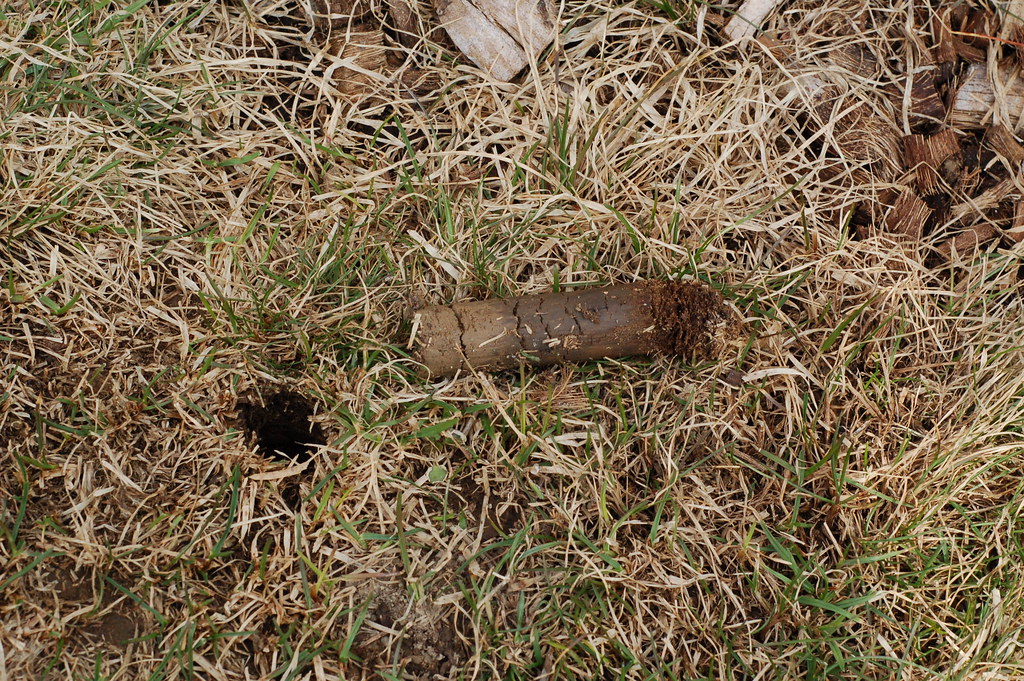
Core aerators work by pulling plugs of soil from the ground. If soil is too dry:
• Tines struggle to penetrate
• Plugs come out shallow or break apart
• Aeration holes are less effective
• Equipment bounces or skips across turf
Moist soil allows tines to sink deeply and pull clean plugs.
Dry Soil Can Damage Equipment
Hard, compacted soil increases strain on aerators, especially:
• Rental machines
• Tow-behind aerators
• Manual coring tools
Watering beforehand reduces wear and makes the job much easier.
How Much Should You Water Before Aerating?
Aim for soil that is moist 2–4 inches deep, but not soggy.
A good guideline:
• Water lawn with ½ to 1 inch of water the day before aeration
• Or aerate the day after a steady rain
You can test readiness by pushing a screwdriver into the soil. If it slides in easily, soil is ready.
Avoid Aerating Wet or Muddy Soil
Too much water is just as bad as too little.
Muddy soil causes:
• Plug holes to collapse
• Aerator wheels to leave ruts
• Soil compaction from machine weight
• Messy lawn damage
If your lawn squishes underfoot, wait until it dries slightly.
Why You Should Water After Aerating
Once aeration is complete, watering serves a different purpose.
1. Helps Soil Settle Back Into Holes
Water helps loosened soil settle naturally and supports root expansion.
2. Activates Fertilizer
If you fertilize after aeration, watering moves nutrients into root zones.
3. Supports Overseeding Success
If you overseed, watering becomes critical.
Aeration holes create perfect seed-to-soil contact, but new seeds must stay moist to germinate.
Best Post-Aeration Watering Plan
After aeration:
Days 1–14 (If Overseeding)
• Water lightly once or twice daily
• Keep soil consistently moist
• Avoid puddling
Established Lawn Without Overseeding
• Resume normal watering schedule
• Aim for about 1 inch of water per week total
Deep, infrequent watering remains ideal long-term.
What Happens If You Skip Watering Before Aeration?
Common problems include:
• Shallow aeration holes
• Broken soil plugs
• Poor compaction relief
• Wasted rental or labor effort
Dry lawns are simply harder to aerate effectively.
What Happens If You Skip Watering After Aeration?
Without follow-up watering:
• Grass recovery slows
• Overseeding success drops
• Fertilizer benefits are delayed
• Soil improvement takes longer
Aeration opens pathways — watering helps roots take advantage of them.
Ideal Lawn Care Order Around Aeration
For best results:
- Water lawn 1–2 days before aeration
- Aerate when soil is moist
- Overseed immediately after aerating
- Apply fertilizer if needed
- Water lightly and consistently afterward
This sequence maximizes turf improvement.
Seasonal Timing Matters
Fall Aeration
Cool-season grasses benefit most in fall. Soil temperatures remain warm enough for root growth, and watering supports recovery before winter.
Spring Aeration
Works well but can encourage weeds if overseeding timing is poor.
Summer Aeration
Generally avoided unless absolutely necessary due to heat stress.
Common Watering Mistakes After Aeration
Overwatering
Flooding soil removes oxygen roots need.
Underwatering
Seed and turf struggle to recover.
Inconsistent Watering
Seeds germinate unevenly, leaving patchy lawns.
Consistency beats quantity.
How Soon Will You See Improvement?
Within weeks, homeowners typically notice:
• Water soaking into soil instead of pooling
• Grass growing thicker
• Reduced dry patches
• Healthier lawn color
Benefits compound over time with repeated aeration.
Final Answer: Water Before and After Aerating
To get maximum value from aeration:
Water lightly before aerating to soften soil, then water again afterward to help recovery and seed establishment.
Think of pre-watering as preparation, and post-watering as recovery support.
Done correctly, aeration plus proper watering produces a lawn that handles heat, drought, and traffic far better.