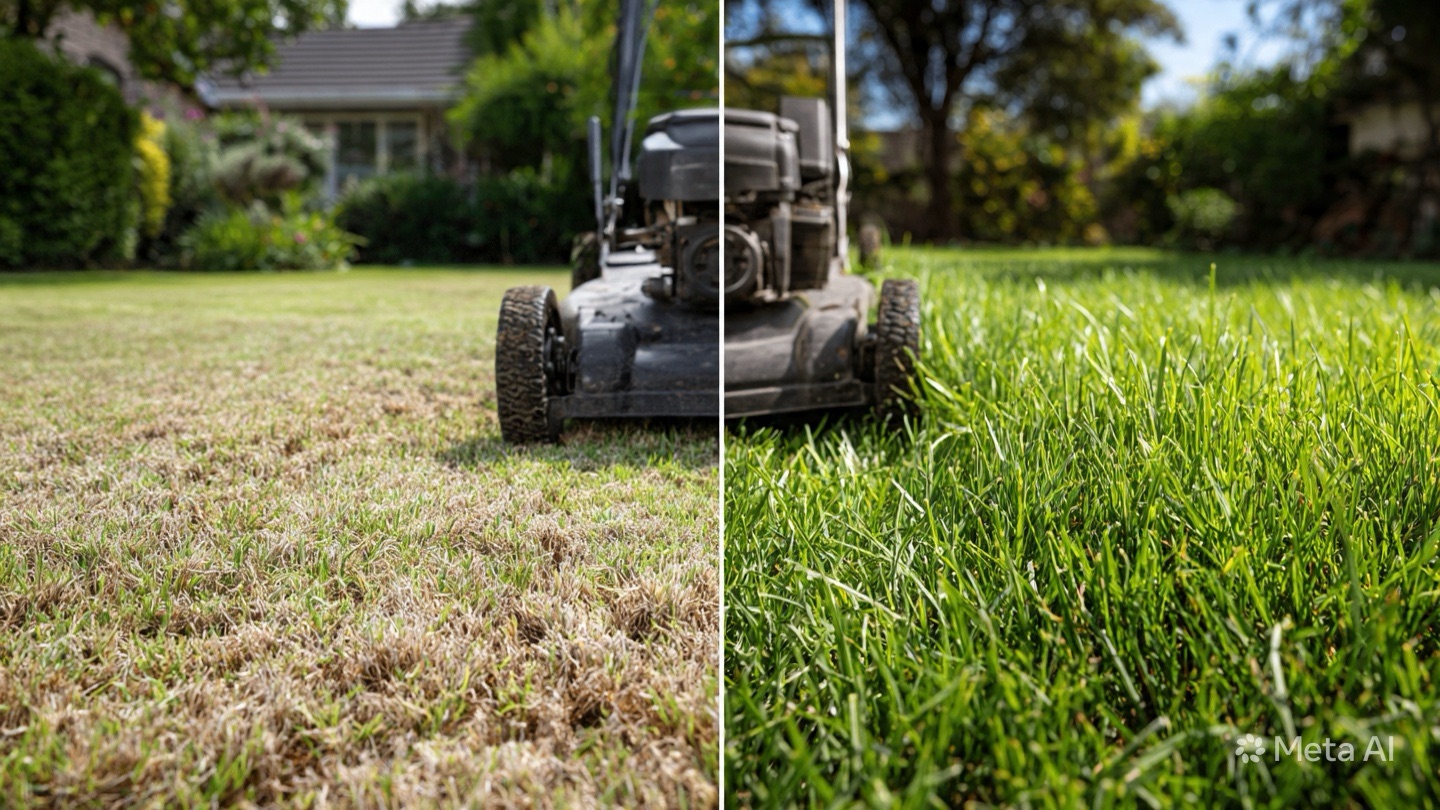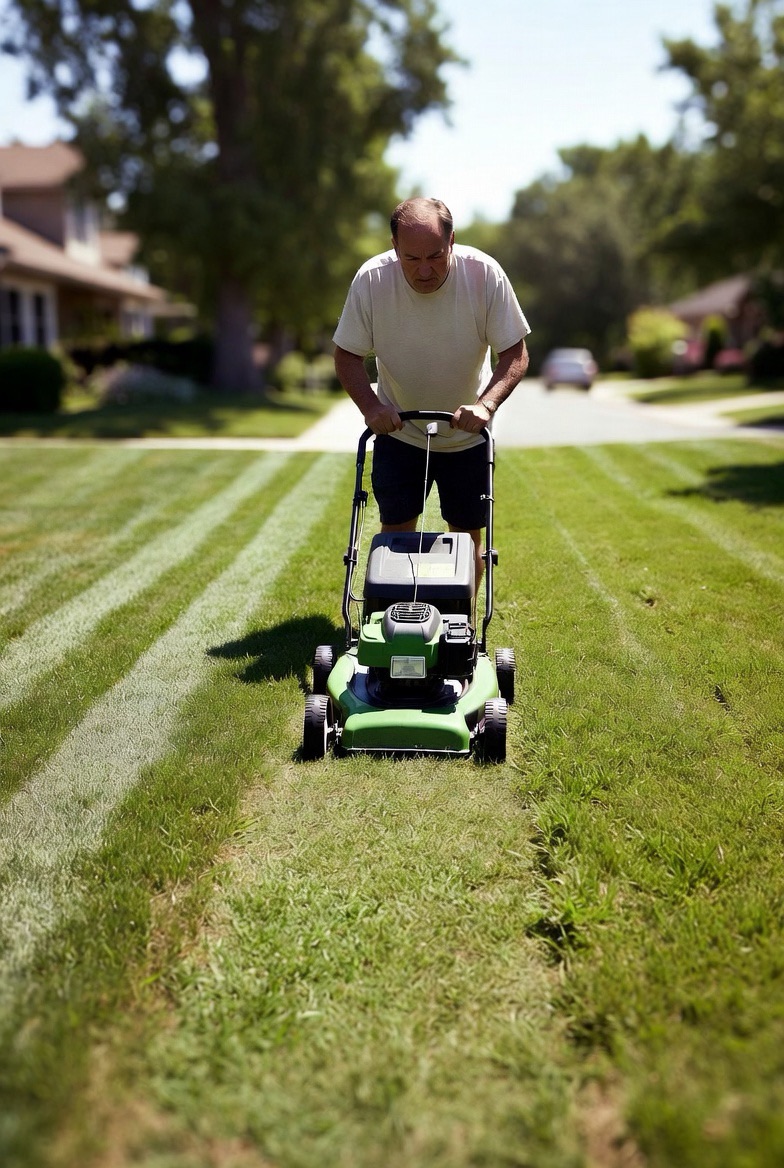
Leveling a lawn with sand can dramatically improve smoothness, drainage, and mowing quality—but it’s also one of the easiest ways to damage turf if done at the wrong time.
Sand doesn’t contain nutrients, and it doesn’t “disappear” quickly. Grass must be actively growing to push through it. That’s why timing matters more with sand than with compost or topsoil.
Done at the right time, sand leveling works beautifully. Done at the wrong time, it can smother grass and set your lawn back for months.
The Best Time to Level a Lawn With Sand
For Cool-Season Grasses (Most Northern Lawns)
Early fall is the best time to level your lawn with sand.
This typically means:
• Late August through early October
• When daytime temperatures are mild
• When grass is actively growing
• When soil is still warm
Why fall works best:
• Grass recovers quickly
• Roots grow aggressively
• Weed pressure is lower
• Moisture levels are more consistent
Fall gives grass the strength it needs to grow up through sand without stress.
For Warm-Season Grasses (Southern Lawns)
Late spring to early summer is ideal.
This usually means:
• Late May through early July
• Once grass has fully greened up
• During peak growth periods
Warm-season grasses spread laterally and recover faster during active growth, making them well-suited for sand leveling at this time.
When You Should NOT Level a Lawn With Sand
During Summer Heat
High temperatures combined with sand can:
• Dry out grass rapidly
• Stress shallow roots
• Increase burn risk
Summer leveling often leads to thinning or browning.
During Dormancy
Never level when grass is dormant.
Dormant grass cannot grow through sand, which leads to smothering and dieback.
Right Before Heavy Rain
Sand washes easily.
Heavy rain can:
• Move sand out of low spots
• Create new uneven areas
• Bury grass unevenly
Choose a dry window with predictable weather.
Why Sand Is Different From Topsoil or Compost
Sand behaves differently than organic materials.
Pros of sand leveling:
• Excellent for smoothing bumps
• Improves surface drainage
• Long-lasting leveling effect
Cons:
• No nutrients
• Can dry soil quickly
• Can smother grass if overapplied
This makes timing—and application depth—especially important.
How Much Sand Is Safe to Apply?
Less is more.
Recommended Depth
• ⅛ to ¼ inch per application
• Up to ½ inch only in severe low spots
Never bury grass completely. Blades should remain visible after spreading.
For deeper depressions, level gradually over multiple seasons.
Best Prep Before Leveling With Sand
Timing alone isn’t enough. Prep matters.
Core Aerate First
Aeration allows sand to:
• Settle into soil
• Reduce compaction
• Improve drainage
Leveling without aeration is far less effective.
Mow Slightly Shorter
This helps sand reach the soil surface while keeping grass blades exposed.
Use the Right Sand
Use:
• Mason sand
• Screened leveling sand
Avoid:
• Play sand
• Construction sand with debris
Clean, angular sand spreads more evenly.
How Long Does It Take Grass to Recover?
If timed correctly:
• Grass shows recovery in 1–2 weeks
• Lawn looks smoother within weeks
• Full blending occurs within one growing cycle
Poor timing can extend recovery for months.
Common Lawn Leveling Mistakes
Applying Too Much Sand at Once
This is the fastest way to kill grass.
Leveling at the Wrong Time of Year
Grass can’t recover if it’s not actively growing.
Skipping Aeration
Sand stays on the surface instead of integrating into soil.
Expecting Instant Results
Sand leveling is gradual by design.
Can You Overseed When Leveling With Sand?
Yes—but timing becomes even more important.
Best practice:
Fall is ideal for this combination on cool-season lawns.
Final Answer: When Is the Best Time to Level a Lawn With Sand?
Level your lawn with sand during the grass’s peak growing season—early fall for cool-season lawns and late spring for warm-season lawns.
Avoid summer heat, dormancy, and heavy rain periods. Apply sand lightly, be patient, and let grass do the work.
When done correctly, sand leveling produces a smoother, healthier lawn that stays that way for years.