Shrubs are supposed to be one of the easiest parts of a landscape. Plant them once, water them for a while, and enjoy years of growth and color.
So why do so many shrubs slowly decline, struggle, or die within just a few seasons?
In many cases, the problem starts the moment they go into the ground.
Professional landscapers see the same mistake constantly: shrubs planted too deep. It’s one of the fastest ways to stress a plant, suffocate roots, encourage rot, and create long-term growth problems that are difficult to reverse later.
The good news? Planting shrubs correctly is surprisingly simple once you understand what the plant actually needs.
Why Planting Depth Matters
Most homeowners assume deeper planting helps stabilize the shrub or protect the roots. In reality, shrubs need oxygen around the upper root zone to stay healthy.
When the base of the trunk or stems sits below the surrounding soil line, moisture builds up around the crown of the plant. Over time, this can lead to:
- Root rot
- Yellowing leaves
- Slow or stunted growth
- Dead branches
- Increased disease pressure
- Weak root systems
Many struggling shrubs are not dying from lack of fertilizer or watering mistakes — they’re simply buried too deeply.
What Pros Do Instead
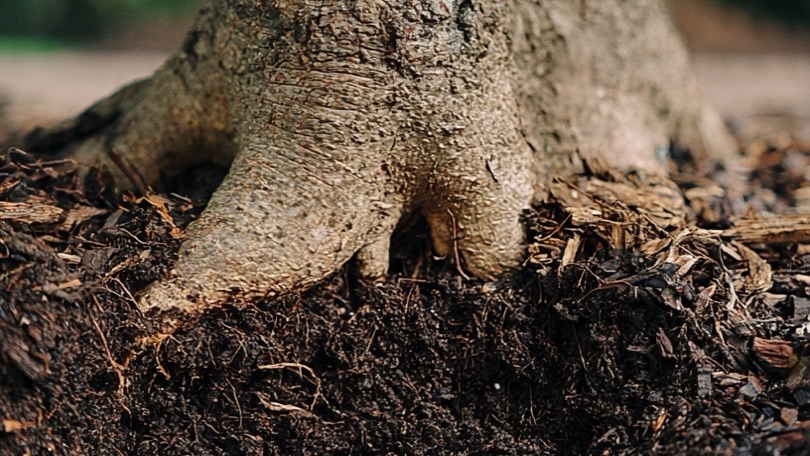
Professional landscapers focus on exposing the “root flare,” which is the point where the trunk widens and transitions into the root system.
That root flare should sit at or slightly above surrounding soil level after planting.
A properly planted shrub allows water to drain correctly, roots to breathe, and new growth to establish faster.
The Correct Way to Plant a Shrub
1. Dig Wide, Not Deep
The planting hole should typically be 2–3 times wider than the root ball, but no deeper than the root ball itself.
A wide hole helps roots spread outward naturally into loosened soil.
2. Check the Root Flare
Before planting, remove excess soil or mulch from the top of the nursery container until you can clearly identify where the main roots begin.
This area should remain visible after planting.
3. Set the Shrub High
Place the shrub so the top of the root ball is level with — or slightly above — the surrounding ground.
Soil settles over time, so planting slightly high is often safer than too low.
4. Backfill Carefully
Use the existing native soil whenever possible. Avoid heavily amending the planting hole with rich compost mixes that can discourage roots from spreading outward.
Water thoroughly while backfilling to help remove air pockets.
5. Mulch the Right Way
Mulch helps retain moisture and regulate temperature, but piling mulch against stems or trunks creates serious problems.
Instead:
- Apply 2–3 inches of mulch
- Keep mulch several inches away from stems
- Never create “mulch volcanoes”
Watering After Planting
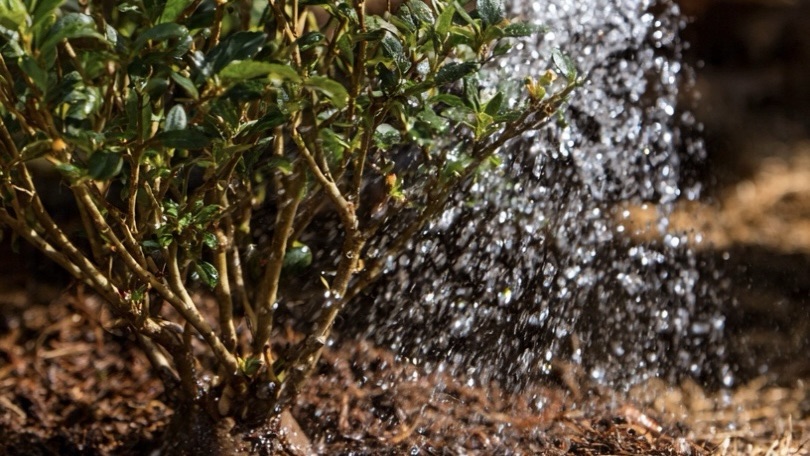
Even drought-tolerant shrubs need consistent moisture during establishment.
Newly planted shrubs should be watered deeply and consistently during the first growing season. The goal is moist soil — not constantly soggy conditions.
Signs of underwatering and overwatering can actually look similar, so checking soil moisture before watering is important.
Best Time to Plant Shrubs
Spring and fall are usually ideal because cooler temperatures reduce plant stress while roots establish.
Avoid planting during extreme summer heat whenever possible, especially for larger shrubs.
Common Signs Your Shrub Was Planted Too Deep
Watch for these warning signs:
- Leaves turning yellow
- Sparse foliage
- Branch dieback
- Mushy bark near soil level
- Poor growth year after year
- Persistent wilting despite watering
If caught early, some shrubs can be carefully lifted and replanted at the proper height.
A Small Detail That Makes a Huge Difference
Planting depth may seem minor, but it’s one of the most important factors in long-term shrub health.
A properly planted shrub can thrive for decades.
A poorly planted one may struggle from day one.
Before you plant your next shrub, take an extra minute to check the root flare and planting depth. It’s one of the easiest ways to prevent expensive landscaping mistakes and create a healthier, more attractive yard for years to come.