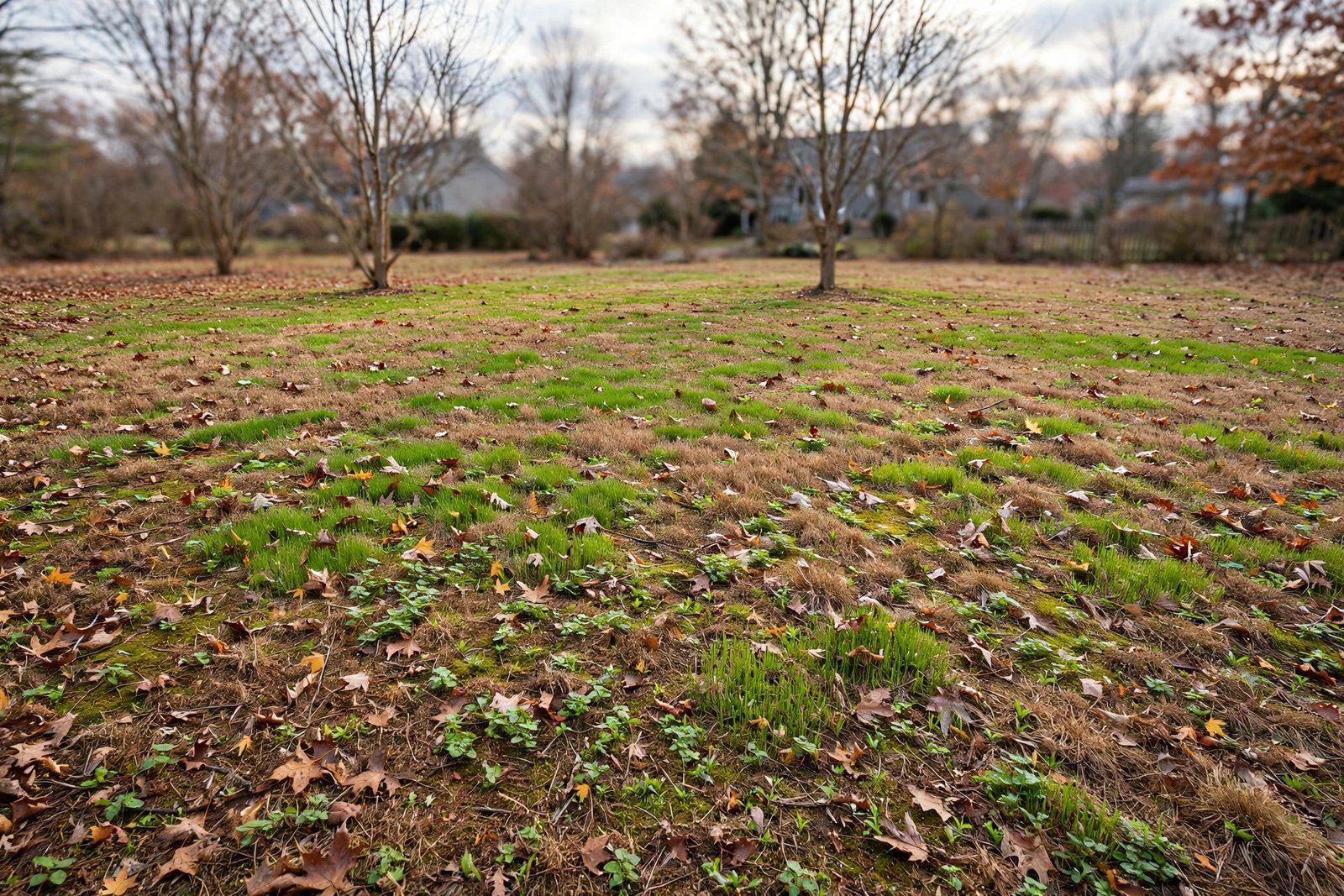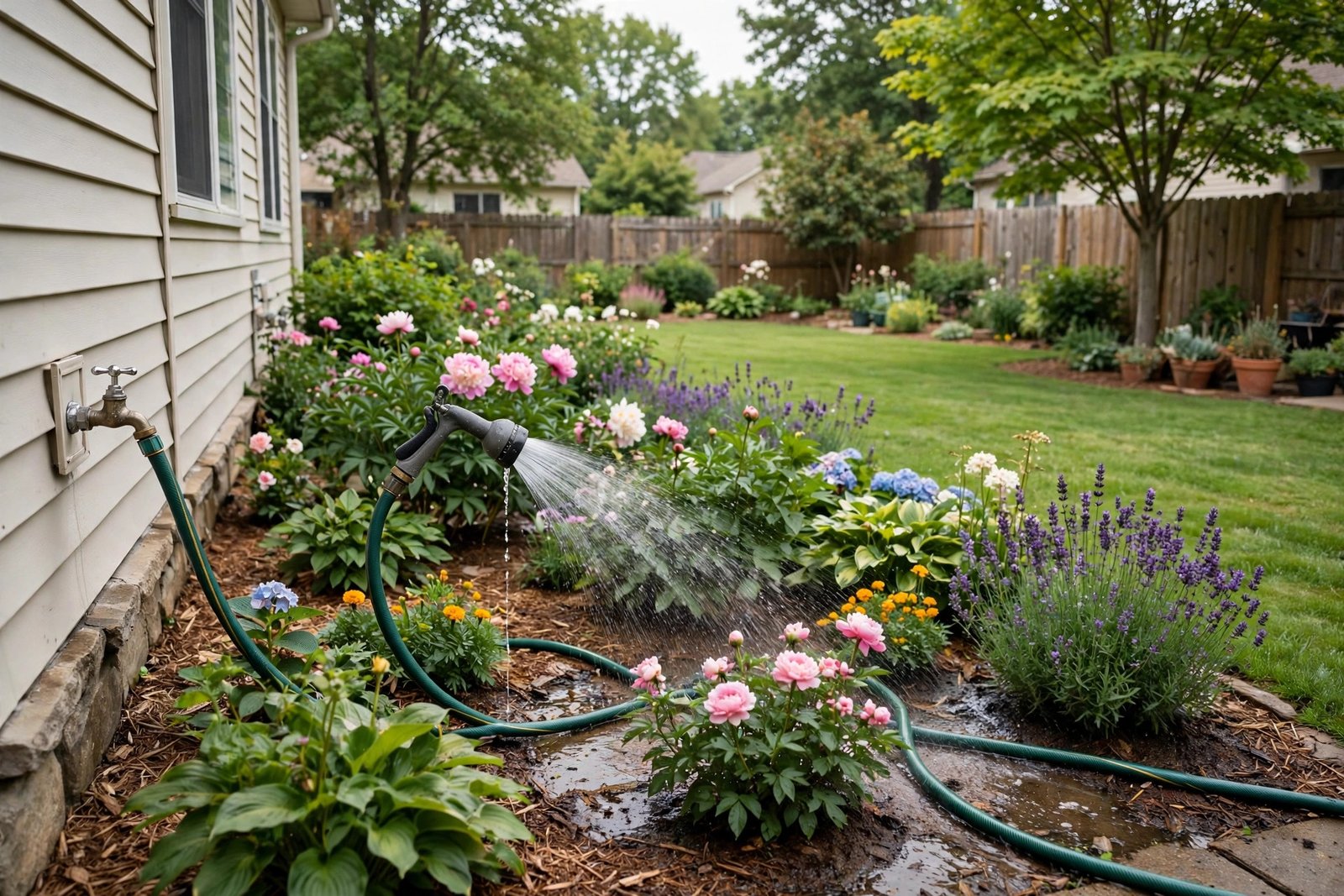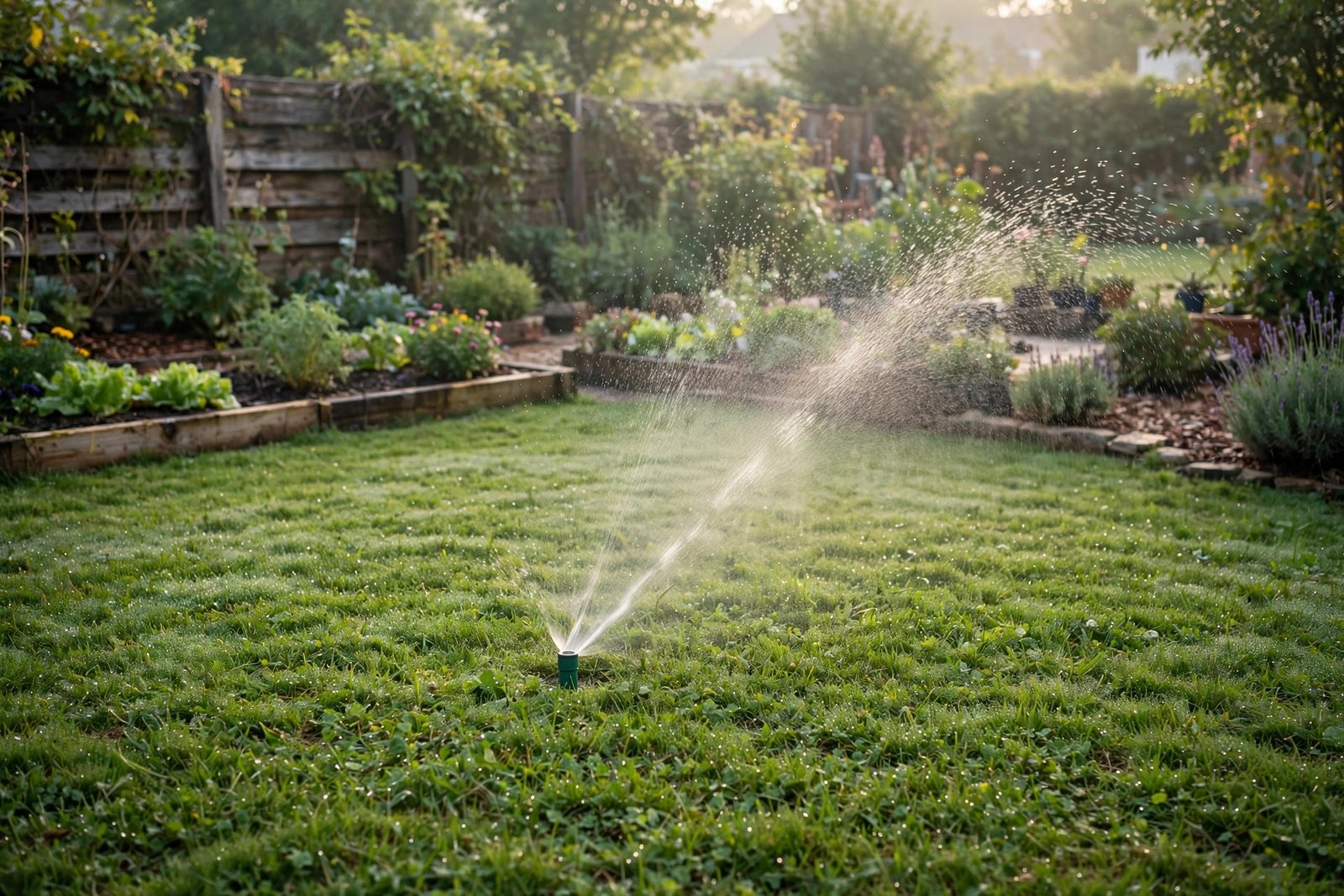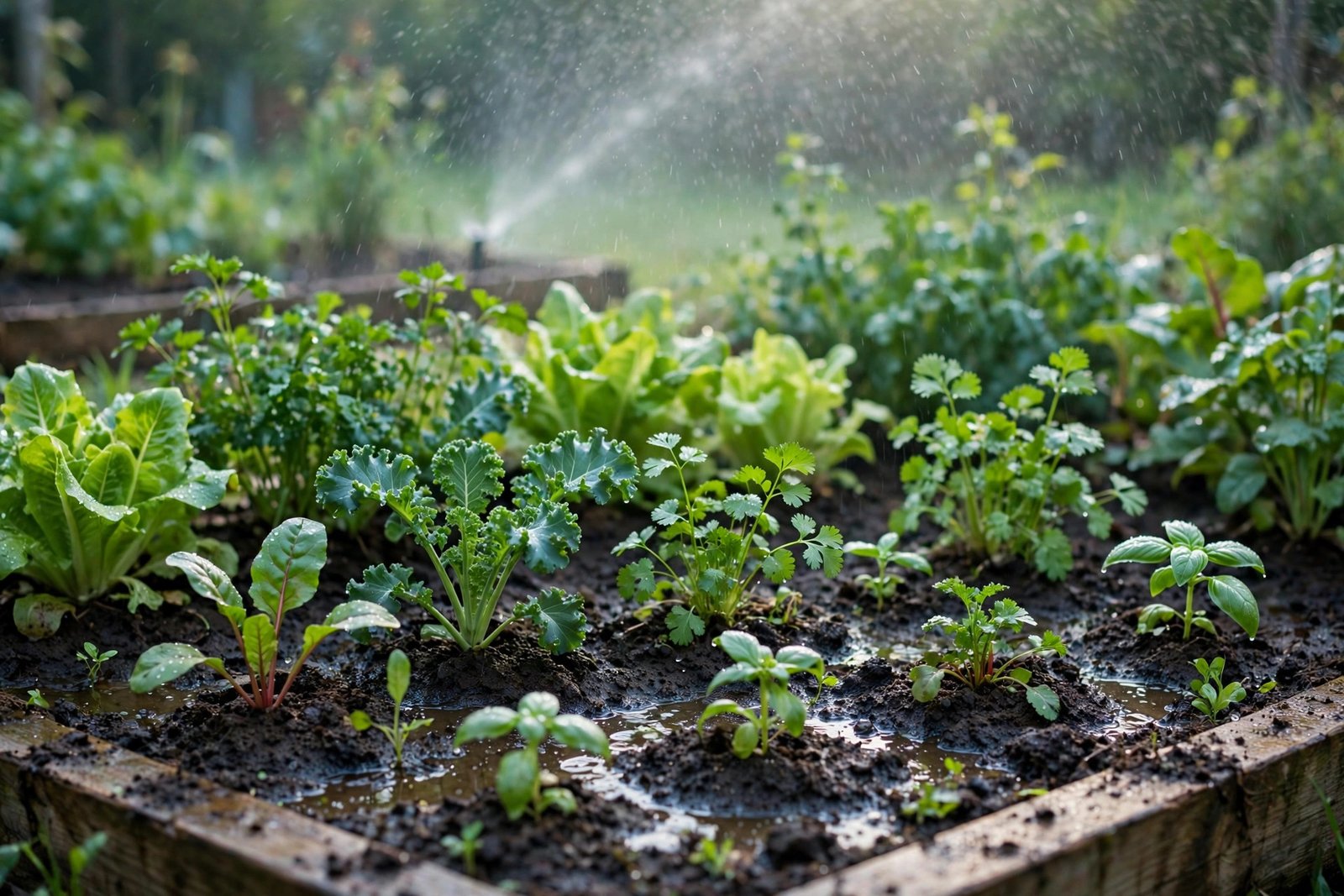
By the time August heat settles in, a lawn on short daily runs starts telling on itself — damp at the surface in the morning, stressed by afternoon, roots with no reason to reach down. A good soaking, then days to dry, is what teaches roots to go deep; shallow roots are the first to brown in a dry spell.
Deep, infrequent watering is the fix, and it takes five steps on almost any controller. Work through them in order, and give the new schedule two weeks before you judge it.
Why deep watering works
Water that soaks several inches down pulls roots with it. Water that only wets the top inch keeps roots there, where heat and wind dry them out fast. That is why a lawn watered every day can still look stressed, while a lawn watered twice a week holds its color longer.
Before you change anything, measure what your system puts down. Our sprinkler catch-can calculator turns a few tuna-can readings into inches per hour, so you know how long a run must be to put down half an inch.
Step 1: Find how long half an inch takes
Run your sprinklers for 10 minutes with cans set out, measure the depth in each can, and average them. If the average is 0.2 inches in 10 minutes, your rate is 1.2 inches per hour, and half an inch takes about 25 minutes. Do this once per zone, because sun, slope, and head type change the rate.
Step 2: Pick your watering days
For most lawns, two or three days a week is the right cadence in warm weather. Space the days out — Monday and Thursday, for example — rather than bunching them. Set a rain delay or a weather skip if your controller offers one, so a wet week does not add water on top of rain.
Step 3: Set one long run per zone
Enter the run time from Step 1 for each zone, as a single run, not three short bursts in one morning. One long run soaks down; three short ones wet the surface three times. If water runs off a slope before it soaks in, split the run into two halves with an hour between them — same total minutes, same day.
Step 4: Start before the heat
Start watering early in the morning, before the sun is high. Morning watering loses the least to evaporation and gives grass blades time to dry during the day, which discourages disease. Evening watering is the second choice; midday watering is the one to avoid.
Step 5: Check, then adjust
After a watering day, push a screwdriver into the soil. It should slide in easily to several inches in the watered area. If it stops at an inch, add minutes. If the soil is soggy the next morning, take minutes off. Adjust by 5 minutes at a time, and wait a week between changes.
What to watch next
Grass that stays green between waterings, without daily help, is the sign the schedule is working. Puddles, runoff, and mushrooms mean you are overdoing one zone — cut its minutes before you change the whole schedule. For choosing the controller itself, see Best Sprinkler Timers for Lawns and Gardens and Hose-End Timers vs Smart Controllers.