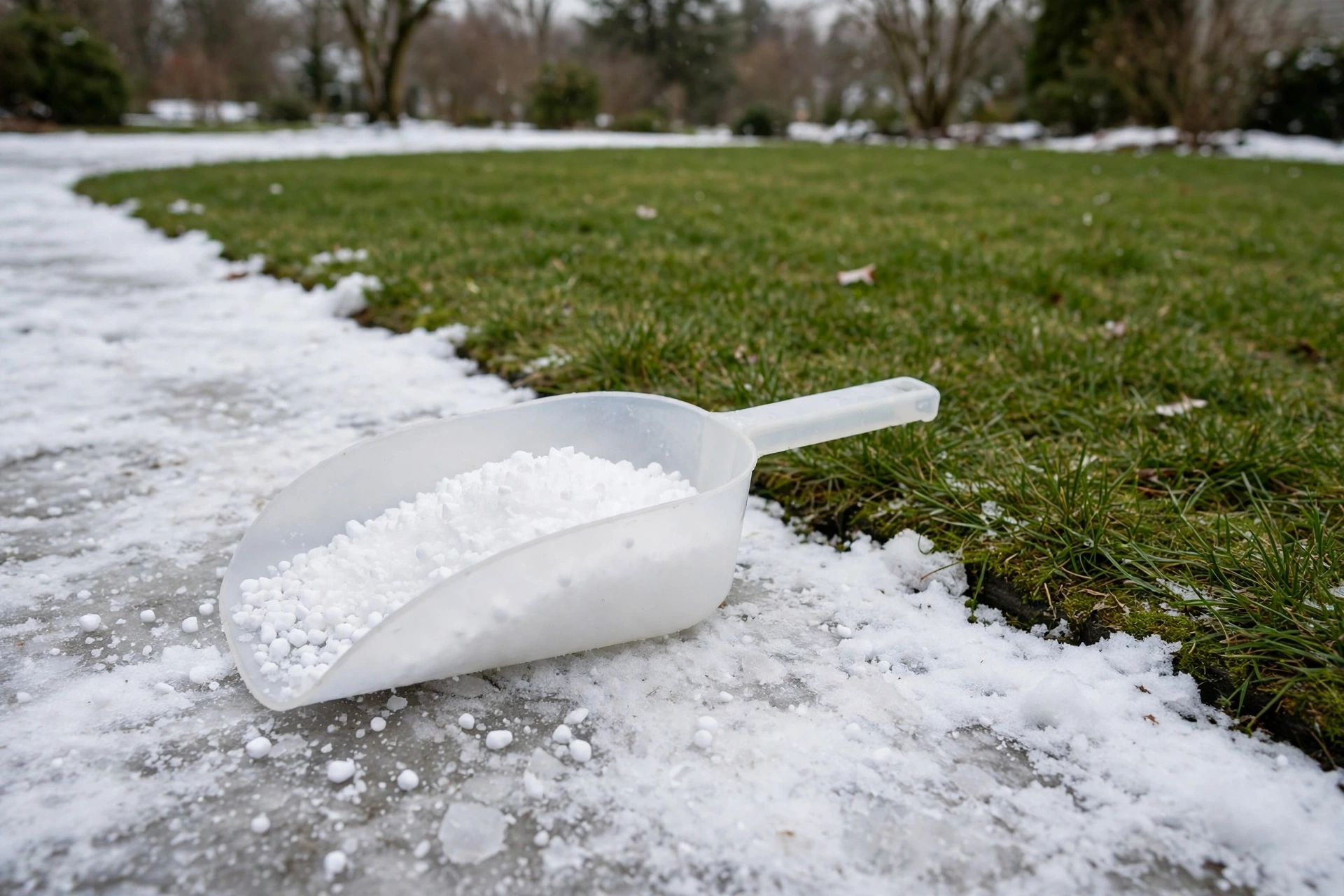
The rest of your lawn greens up in spring and one pale strip along the driveway just sits there, thin and tired. Before you blame seed or fertiliser, check whether that strip is exactly where salty snow spent the winter.
Salt-damaged grass can often be flushed and coaxed back, and the dead patches can be reseeded once the salt has washed through. Work in order: confirm the pattern, flush the soil, then repair only what does not recover. The diagnosis is in our guide to whether ice melt kills grass.
Step 1: Confirm it is salt, not something else
Check the map. Damage that follows pavement edges, snow piles, and drainage paths from a driveway points to salt. Damage in circles or across the whole lawn points elsewhere.
Wait for the first real green-up. Some salt-stressed grass is dormant-looking, not dead. Give the lawn a couple of weeks of spring growth before you tear anything up.
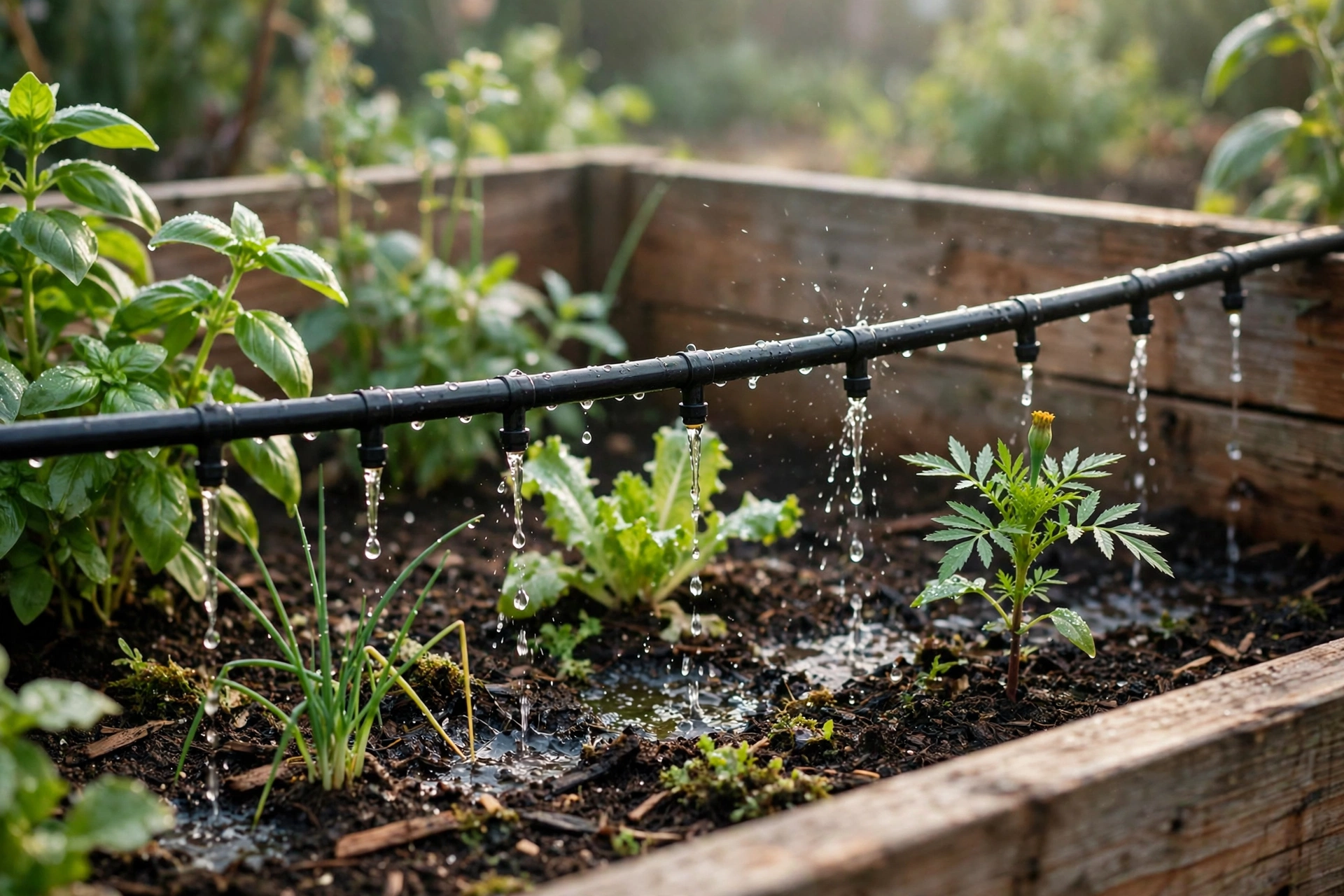
Step 2: Flush the soil with water
Water deeply when spring rain is scarce. Repeated deep watering helps move salts down through the soil and away from roots. In a rainy spring, nature does much of this work for you, which is why mild salt stress often fades on its own.
Keep foot traffic off the strip. Stressed grass on wet soil compacts easily, and compaction slows recovery more than patience would.
Step 3: Reseed the patches that stay bare
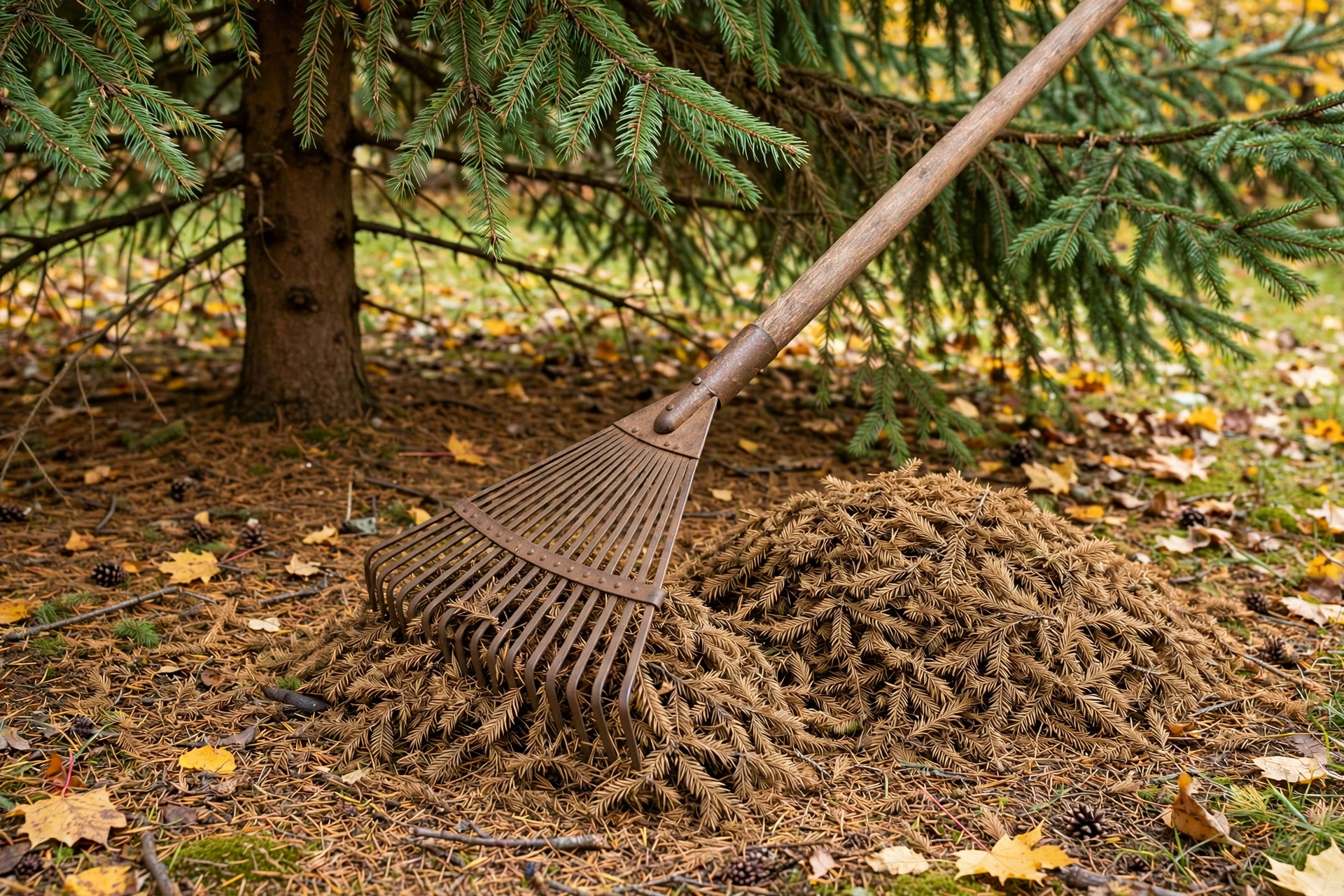
Rake out dead material. Loosen the surface so seed touches soil, not thatch.
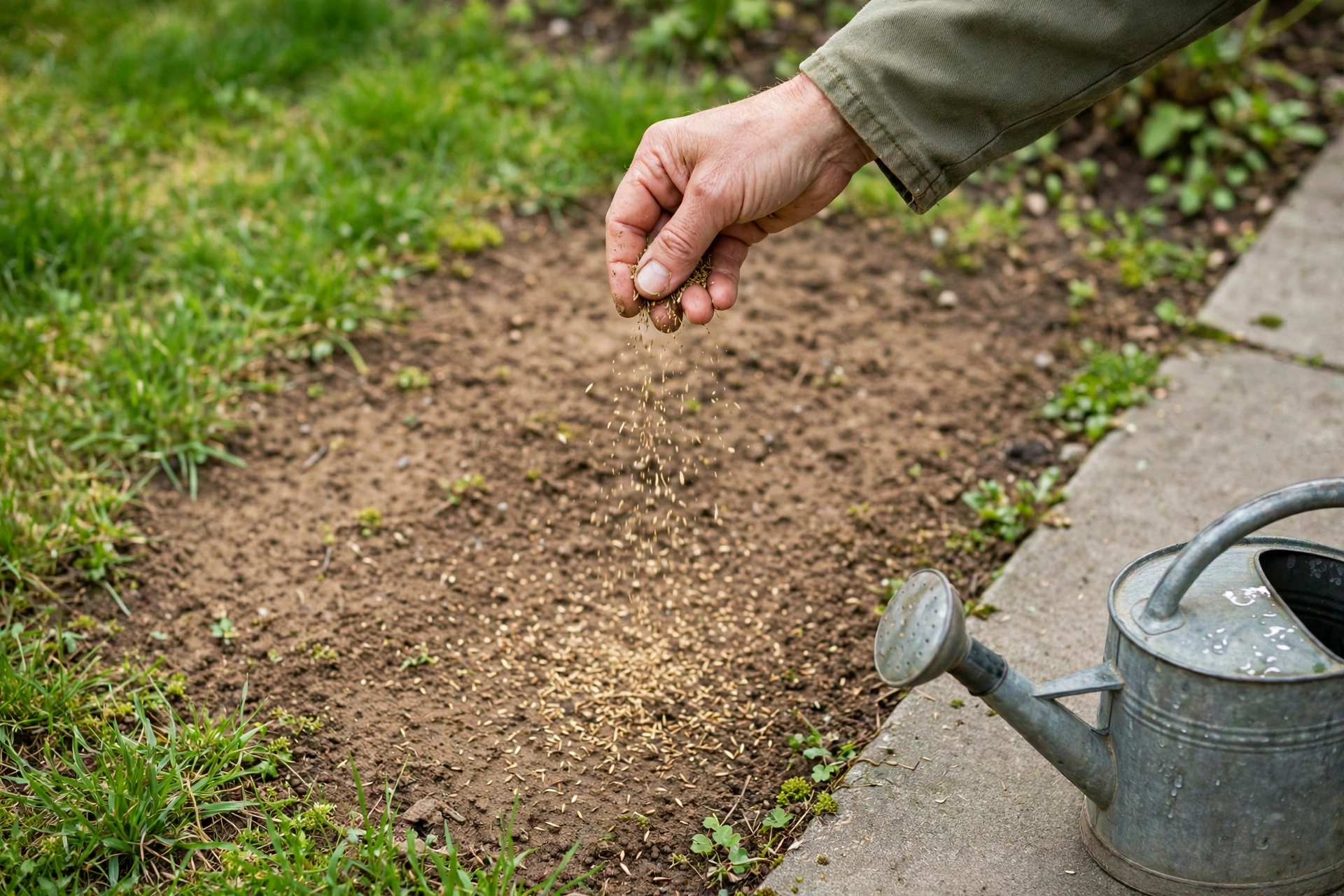
Seed at the right season. For cool-season lawns, early autumn is the strongest reseeding window, with spring as the working second choice when a bare strip cannot wait. Choose a grass type that matches the rest of your lawn, and consider salt-tolerant varieties for a strip that will face the same problem every winter.
Keep seed moist until it establishes. Light, frequent watering for new seed is different from the deep flushing you did earlier — do not confuse the two jobs.
Step 4: Prevent a repeat next winter
Use less melt, shovel before you spread, and spread shovelled snow across a wider area instead of one grass strip. Our pet-safe ice melt roundup covers gentler products for the paved areas beside grass, and the general spring recovery steps are in our spring lawn revival guide.
Bottom line
Flush first, reseed only what stays dead, and change the winter habit that caused it. Most salt strips recover in one season when you work in that order.
What not to do
Do not fertilise a salt strip heavily to force it green. Stressed roots take up nutrients poorly, and extra fertiliser salts add to the very load you are trying to flush out. Feed the lawn normally once it is growing again, and let water and time do the repair work first. Gypsum is sometimes suggested for sodium problems in soil, but it is not a quick cure for a winter salt strip, and it does not replace flushing and reseeding where grass has actually died.