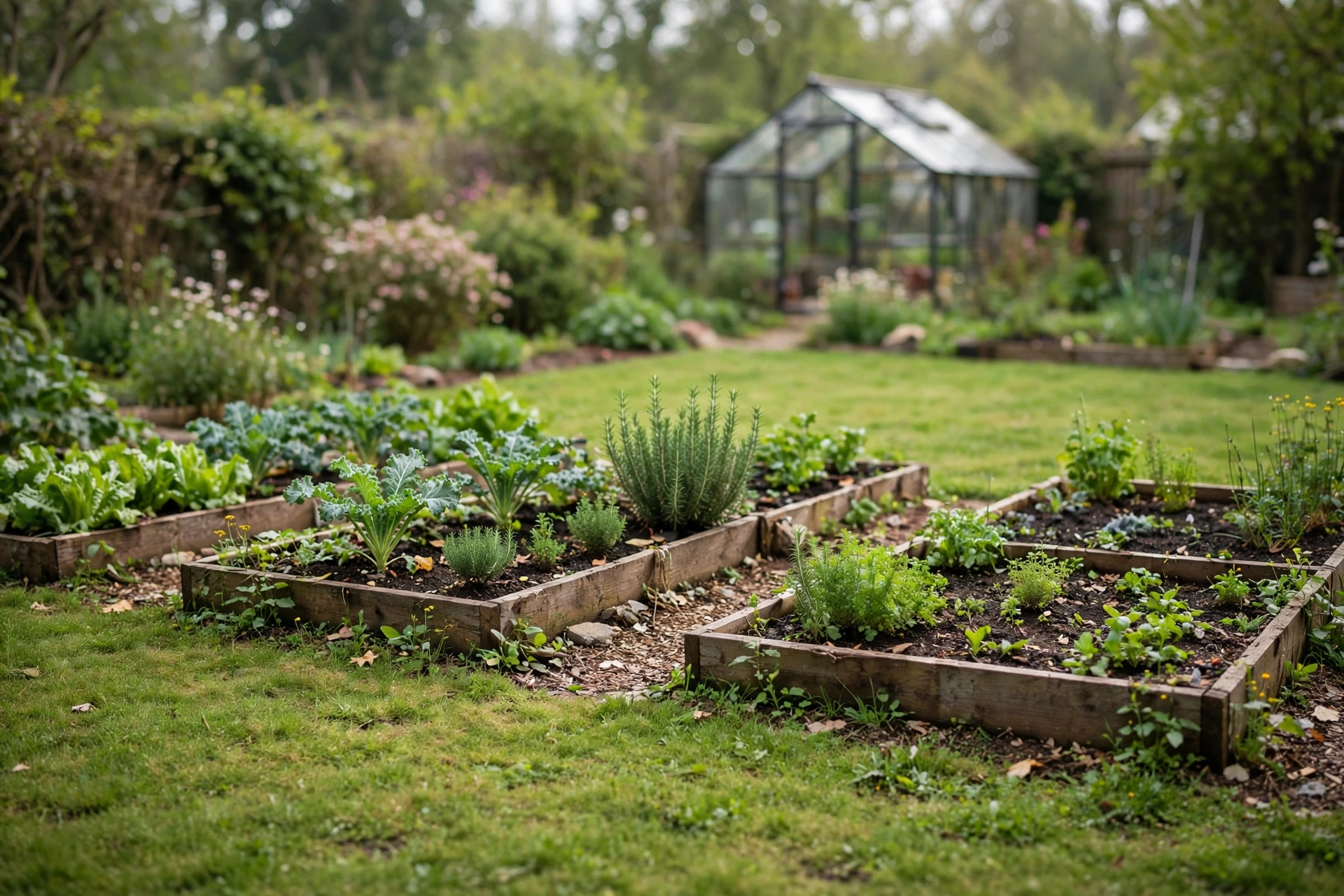
You are standing in a cold November yard looking at a bare tomato bed, doing quiet math on how many more weeks that bed could have worked — and a budget greenhouse starts to look less like a splurge and more like a tool.
Here is the mistake most buyers make with greenhouses, Vevor’s included: they shop by footprint alone, pick the biggest box the budget allows, and never price in the anchoring, ventilation, and assembly time that decide whether the thing is still standing and useful in year two. A Vevor greenhouse is worth it for a specific kind of gardener, and a poor buy for another, and the difference is not the sticker price.
What you actually get for the money
Vevor’s garden greenhouses are walk-in structures built around two ideas: polycarbonate panels instead of glass, and an aluminum or galvanized steel frame instead of wood. Polycarbonate matters more than most listings admit. It diffuses light rather than beaming it straight through, it does not shatter the way glass does when a branch or a stray ball comes down, and a twin-wall panel holds noticeably more heat overnight than a single sheet of plastic film.
The site’s own walk-through of the Vevor 8×10 polycarbonate greenhouse covers that mid-size model panel by panel — 8 by 10 feet is the size most suburban gardeners actually land on, big enough for two staging benches and a path, small enough to heat with late-day sun alone in the shoulder seasons. Smaller tunnel and mini models sit below it in the range, and larger walk-ins above it, but the construction logic is the same across the line.
The three costs nobody puts in the listing
Anchoring. A lightweight framed greenhouse is, structurally, a kite with walls. Every budget greenhouse — this brand or any other — needs to be anchored to a base, a foundation frame, or the ground itself, and that hardware and afternoon of work belong in your real purchase price. Skip it, and the first serious windstorm makes the decision for you.
Ventilation. A sealed greenhouse on a sunny 60-degree day can push well past 100 degrees inside, which cooks seedlings faster than any frost. Roof vents and a door you can prop are not accessories; they are the difference between a season extender and a solar oven. Check that the model you are eyeing has at least one roof vent, and plan to open it on bright mornings.
Assembly time. Panel-and-frame kits arrive as a large box of parts and instructions that reward patience. Budget a full afternoon, two people for the frame-raising stage, and a level patch of ground prepared before you open the box. None of that is a defect — it is simply the trade you make when the price comes in well under a wood-and-glass build.
What covers you if something goes wrong
Vevor sells in the United States with a 12-month warranty and a 30-day return window for approved reasons, which is the honest frame for a purchase like this: you get a year of coverage on defects, not a lifetime structure guarantee. Our breakdown of Vevor’s warranty, returns, and shipping walks through how claims actually work, and it is worth reading before any large Vevor order, greenhouse or otherwise.
That coverage profile shapes the verdict. At this price, you are buying several seasons of season extension — earlier starts in spring, later harvests in fall, a sheltered place to overwinter pots — with a one-year warranty behind the parts. Gardeners who go in expecting exactly that tend to be satisfied. Gardeners expecting a permanent, maintenance-free garden building at a kit price are the ones who end up disappointed.
Who should buy one, and who should skip it
Buy one if you start your own seedlings, garden in a climate where spring and fall each steal a month from you, and have a level, reasonably sheltered spot where the frame can be anchored properly. The math works fastest for seed starters: a single spring of home-started tomatoes, peppers, and herbs offsets a real share of the purchase, and the fall extension is close to free after that.
Skip it if your yard takes unbroken wind, if heavy wet snow sits on roofs for weeks where you live and you cannot commit to clearing it, or if what you actually want is a three-season sitting space — a greenhouse is a workplace that runs hot and humid by design, not a sunroom. In those cases the money does more good spent on cold frames and row cover, which forgive neglect in a way a framed structure never will.
For the wider question of where this brand earns its keep across the yard, our verdict on whether Vevor lawn and garden tools are worth it applies the same test to the rest of the catalog.
The verdict
A Vevor greenhouse is worth it — as a tool, bought with open eyes. Anchor it, vent it, give the assembly its afternoon, and it returns the money in longer seasons and home-started plants. Buy it as a pretty shortcut that needs nothing from you, and it will disappoint you by spring. The gardeners who get their money’s worth are the ones who treat the low price as the start of the project. The rest should spend smaller and simpler, on cold frames they will actually use.