Strong coverage, dependable build, and the right tool for yards where small electric machines fall short.
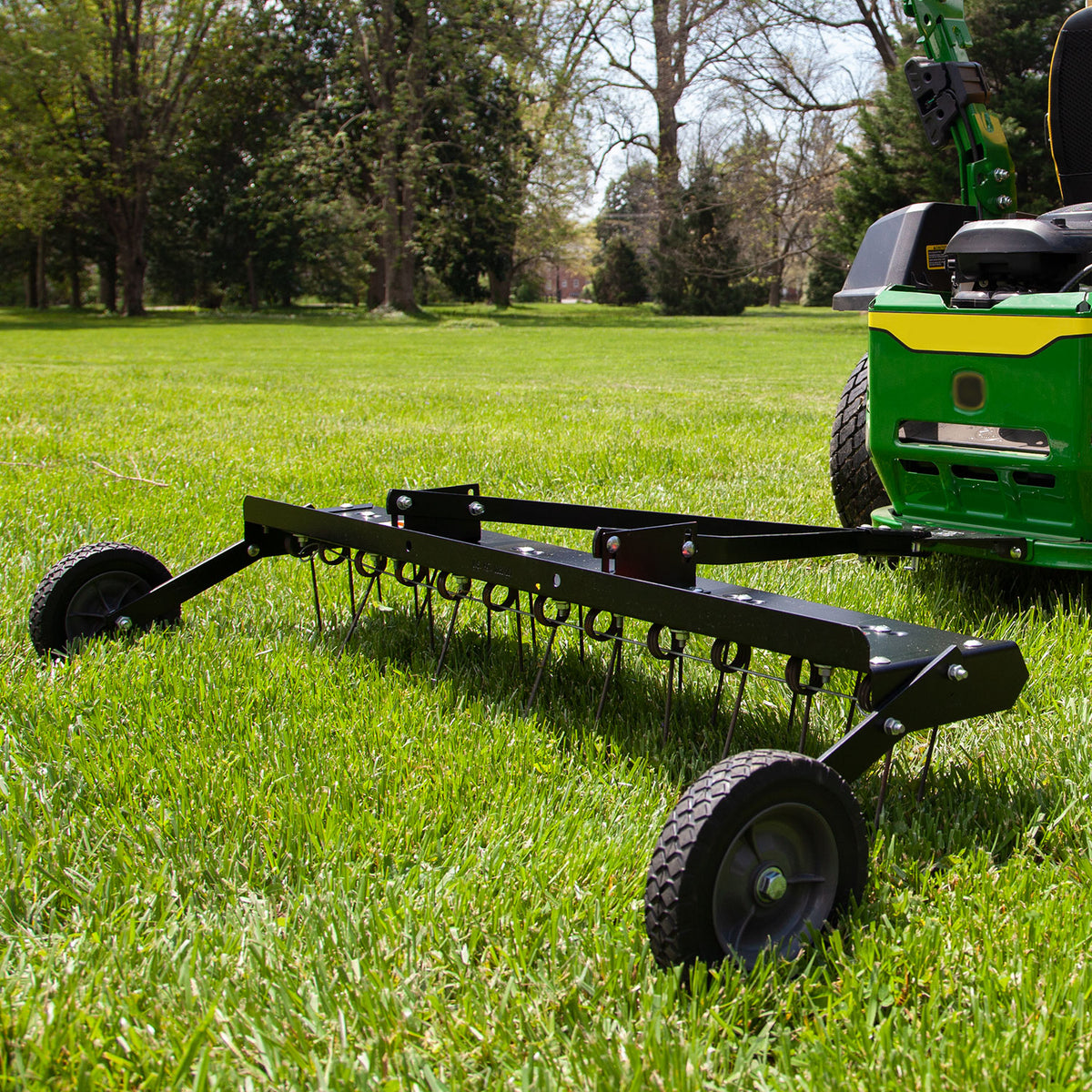
When a lawn is too large for a compact electric dethatcher—or when thatch has built up beyond what a light machine can handle—homeowners need something wider, tougher, and more efficient. That’s the space Brinly’s tow‑behind dethatcher occupies. It’s engineered for larger properties, pulled behind a riding mower or tractor, and intended to be used year after year rather than rented once.
This review looks at how the Brinly DT‑48BH performs, who should buy it, where it excels, and what tradeoffs to expect.
Who this tool is for
The Brinly tow‑behind dethatcher is best suited to homeowners who:
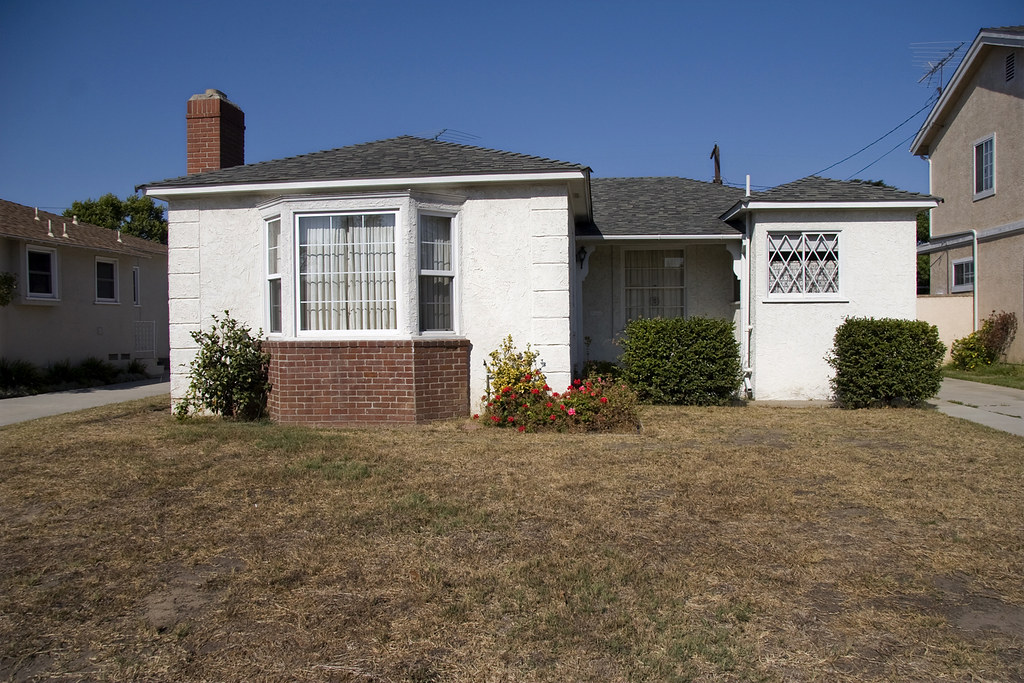
- Maintain medium to large lawns, typically a few tenths of an acre or more
- Deal with moderate to heavy thatch that small machines struggle to remove
- Already own or plan to use a lawn tractor or riding mower
- Prefer owning a tool rather than renting seasonal equipment
If your property feels too big for a push or corded electric tool, yet not huge enough to justify a full commercial setup, this is the most practical upgrade.
What makes this Brinly model notable
Brinly’s DT‑48BH stands out for several practical reasons that matter in everyday use:
- Wide 48‑inch working width. Covers large areas far faster than 14–16 inch electric units, so total job time drops dramatically.
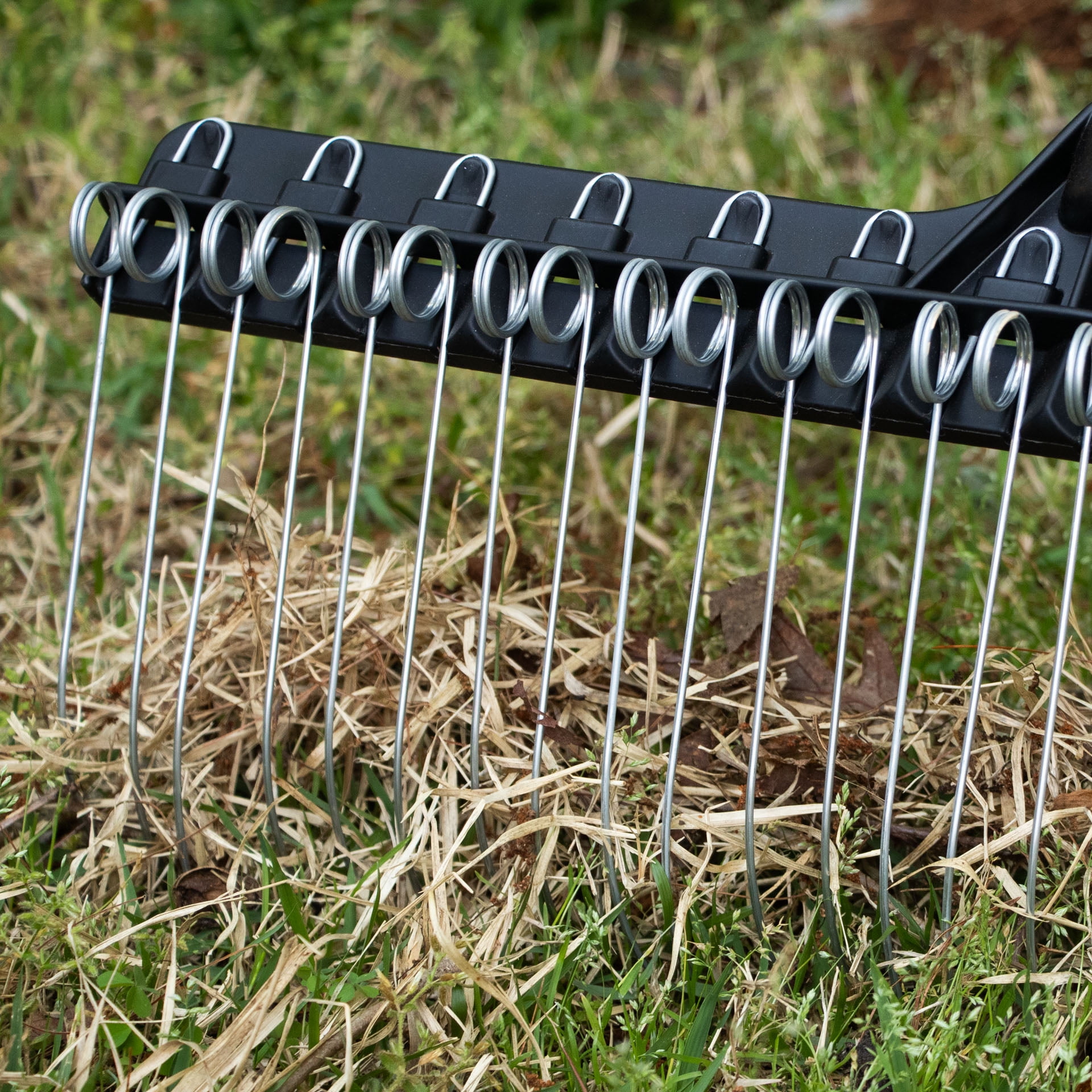
- Durable tine system and steel tray. The unit uses spring steel tines designed for strength and durability; the steel tray adds stability when operating on real lawns, not just flat test plots. As The Home Depot listing notes, the product includes a steel tray and triple‑coil strength tines for maximum durability and a wide 48‑inch working width.
- Inline wheel design. Helps the unit follow lawn contours without adding to overall width—important when navigating varied terrain or tighter spaces around trees or beds. This detail is part of the product’s stated design advantages.
It’s a tool built for real conditions—slightly uneven ground, heavier thatch, and the need for consistent results over broad swaths of turf.
Performance in the field
Coverage and speed
The broad sweep of a 48‑inch unit is immediately noticeable. On a half‑acre lawn, a few passes with the Brinly cover as much ground as many hours of work with smaller, electric machines. For homeowners with a lot of turf, that’s the biggest practical benefit: less time, fewer passes, and a lower chance of missing patches.
Thatch penetration
Brinly’s spring tines and the overall frame weight allow the tool to penetrate and lift thatch effectively without being excessively harsh. It’s aggressive enough to handle tougher layers yet stable enough to maintain an even pass across the lawn. Users who have faced heavy build‑up typically report more complete removal after one or two passes than they would get from a lighter tool.
Consistency across terrain
Tow‑behind tools rely on even contact and proper adjustment. Brinly’s inline wheel setup and reliable tine structure help keep the machine stable, even when the yard includes slight dips or rises. That reliability is important when covering a larger property where soil and grade vary across the lawn.
Pros and cons
Pros
- Very wide coverage for a residential tool, dramatically reducing time spent on larger lawns
- Tough construction that can withstand repeated seasonal use
- Consistent penetration across density of thatch, better than many smaller tools
- Straightforward adjustments for depth and tension
- Strong value compared to the costs of rentals or repeated services
Cons
- Requires a tractor or riding mower. Not usable with push mowers or on very small lots
- Heavier and bulkier to store than compact electric tools
- Overkill for light thatch or tiny lawns—best for cases where a small tool leaves you underpowered
Comparison to similar options
| Attribute | Brinly DT‑48BH | Agri‑Fab Tow‑Behind | Electric dethatchers |
|---|---|---|---|
| Width | 48 in | 40–48 in | 12–16 in |
| Best for | Large lawns, moderate/heavy thatch | Large lawns, similar use | Small–medium lawns |
| Build | Durable steel, inline wheels | Durable, competitive | Lightweight |
| Price | Mid‑range for tow‑behind | Competitive mid‑range | Lower price |
While Agri‑Fab and other brands offer solid tow‑behind models, Brinly often edges ahead with durability and design details that matter most—like the inline wheel design that helps control footprint without sacrificing performance. This balance makes the Brinly a strong, practical choice for a broad group of homeowners.
How to use it effectively
Even a capable tool needs smart use. Follow these general guidelines to get the best results:
- Mow slightly shorter beforehand. This gives the tines clearer access to the thatch layer.
- Start with lighter tension or depth. Make an initial pass, then adjust if penetration is insufficient.
- Avoid wet or muddy soil. Dethatching on saturated ground can tear turf and reduce the tool’s effectiveness.
- Sweep up debris promptly. Leaving removed thatch on the surface can smother recovering grass. A lawn sweeper or quick rake cleanup is wise.
- Plan follow‑up care. Consider aeration, overseeding, and a light, starter‑type fertilizer to support recovery, especially after heavy use.
These steps ensure the tool’s strengths are fully realized, and the lawn recovers faster with stronger results.
Who should buy this
- Large‑yard homeowners who want real, repeatable results
- Owners who already have a tractor or riding mower and want to add a useful attachment
- Households that’d rather own a long‑term tool than rent or hire seasonal services every year
- Anyone who’s tired of underpowered tools that leave stubborn thatch behind
If you check these boxes, Brinly’s tow‑behind dethatcher is one of the most dependable investments you can make for lawn health.
Who shouldn’t buy this
- Owners of very small lawns without a tractor
- Lawns with minimal thatch where an electric tool or occasional aeration is sufficient
- Those who lack the storage space or prefer ultra‑light tools for occasional cleanup
For these cases, smaller electric models or renting a heavy machine occasionally will make more sense financially and practically.
Final verdict
The Brinly tow‑behind dethatcher delivers on the promise of a practical, heavy‑duty tool for medium to large lawns. Its wide coverage, reliable construction, and thoughtful design make it a standout pick when dethatching is more than a minor chore. For homeowners who need real, measurable improvement across a broad property, this is one of the best, most user‑friendly choices available—without tipping into full commercial gear.