“Dethatching Killed My Lawn” — Why This Happens More Than You Think
If you’re here because you dethatched your lawn and now it looks worse than before, take a breath. This is far more common than most lawn guides admit.
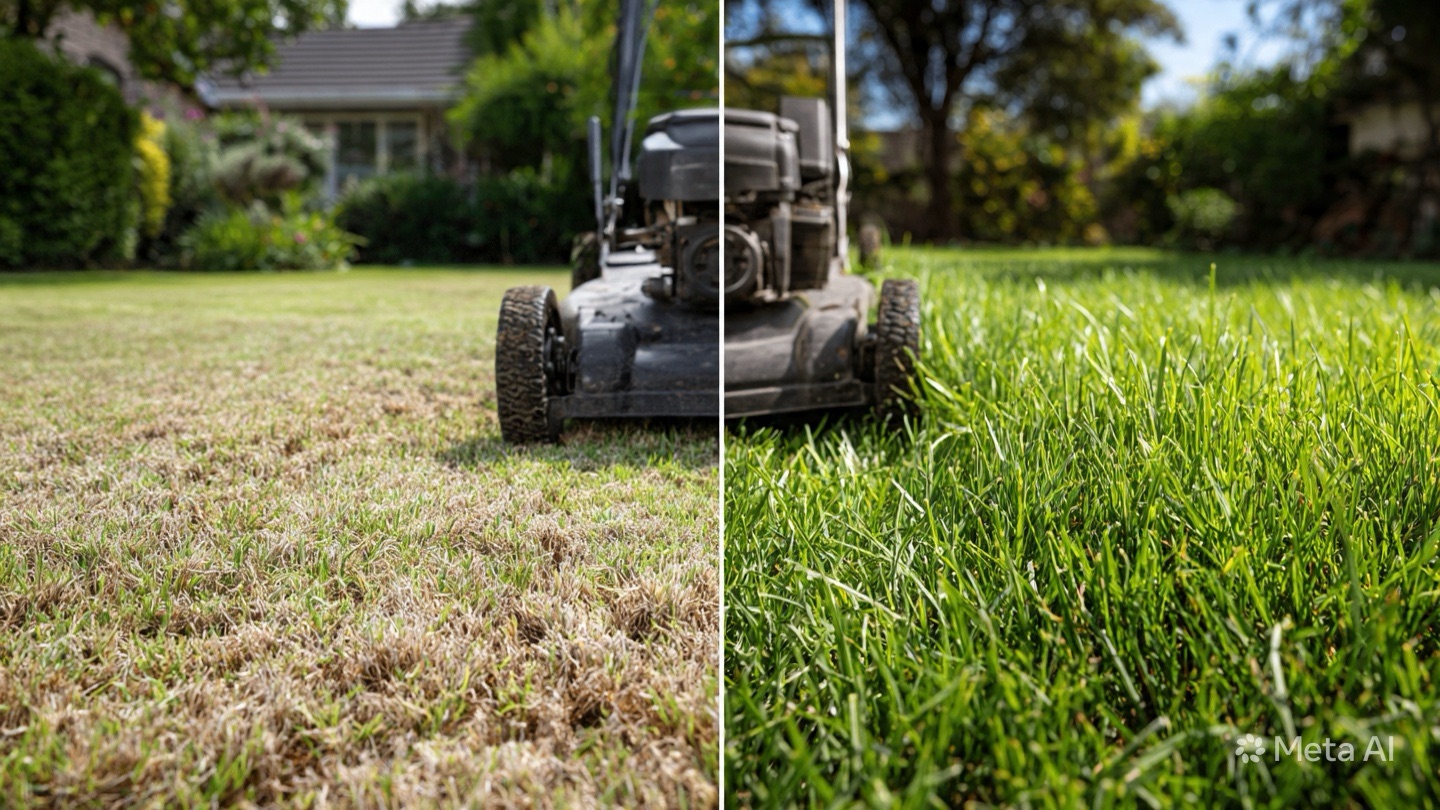
Dethatching doesn’t actually kill lawns — but doing it at the wrong time, too aggressively, or without proper follow-up absolutely can. In many cases, what looks like a dead lawn is a combination of exposed soil, stressed grass, and poor recovery conditions.
The good news? In most cases, the damage is reversible — and often within a single growing season.
The 5 Most Common Reasons Dethatching Ruins a Lawn
1. Dethatching at the Wrong Time of Year
Timing is the number-one mistake.
If you dethatched:
- During summer heat
- During dormancy
- Right before a drought
- Late fall when growth had already slowed
…your grass didn’t have the energy reserves to recover.
Correct timing matters more than the tool you used.
2. Going Too Deep (Over-Aggressive Dethatching)
Many electric dethatchers and scarifiers are capable of cutting into soil — not just pulling up thatch.
Signs you went too deep:
- Exposed dirt everywhere
- Grass crowns torn up
- Long strips of turf removed
This isn’t light dethatching — it’s essentially unplanned lawn renovation.
3. Dethatching a Lawn That Didn’t Need It
Thatch becomes a problem only when it exceeds about ½ inch.
If your lawn had minimal thatch and you dethatched anyway, you likely removed healthy organic material and stressed the grass unnecessarily.
4. No Recovery Plan After Dethatching
Dethatching opens the lawn. That’s good — but only if you follow up with:
- Overseeding
- Fertilization
- Proper watering
Skipping these steps often leads to thin turf, weeds, or bare soil.
5. Using the Wrong Tool for Your Lawn
Heavy-duty scarifiers and power rakes are overkill for many home lawns. Using professional-grade aggression on residential turf often causes more harm than benefit.
Is My Lawn Actually Dead — or Just Stressed?
Before panicking, check this:
Your lawn is likely still alive if:
- You see green at the base of grass plants
- Roots are still anchored in soil
- Grass pulls resist when tugged gently
Your lawn may need reseeding if:
- Large bare patches remain after 2–3 weeks
- No new growth appears during active season
- Soil is visible across most of the lawn
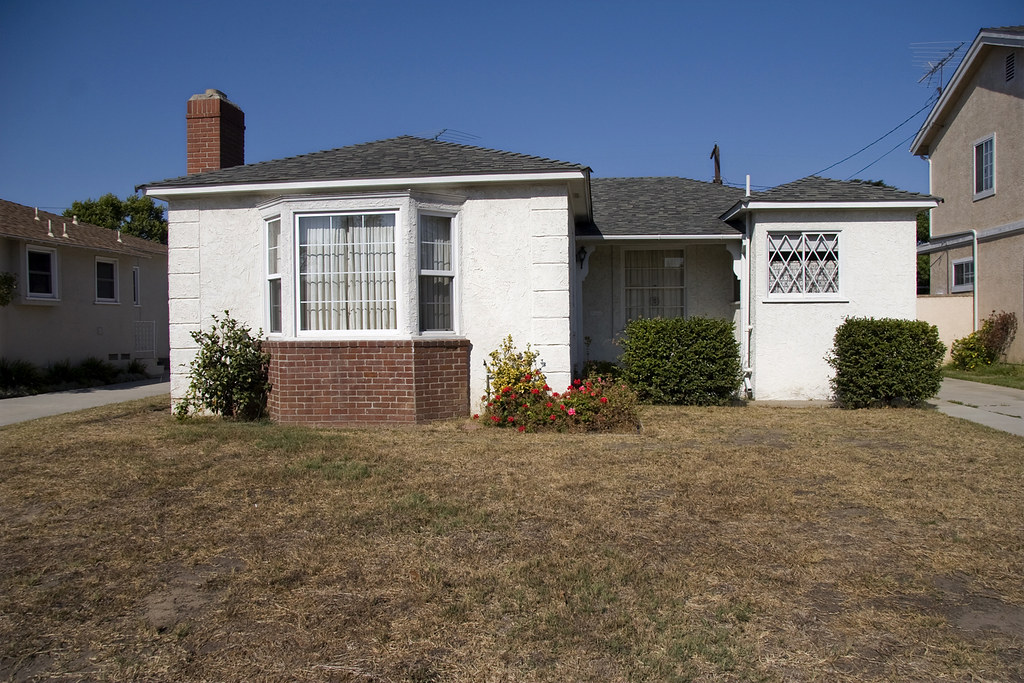
Most lawns fall somewhere in between — stressed, not dead.
How to Fix a Lawn After Dethatching Damage
Step 1: Stop Further Stress Immediately
Pause mowing for 10–14 days. Avoid foot traffic. Let the lawn recover before adding more stress.
Step 2: Overseed the Damaged Areas
Dethatching creates ideal seed-to-soil contact — if you take advantage of it.
Try Scotts Turf Builder Grass Seed (Sun & Shade or Tall Fescue) – it provides excellent germination and forgiving for recovery situations. Apply seed heavier than normal in bare areas.
Step 3: Apply a Starter Fertilizer
Your lawn needs nutrients to regrow roots and blades.
Recommended Affiliate Product:
Try Scotts Starter Fertilizer for New Grass – it is designed specifically for stressed and newly seeded lawns. Avoid high-nitrogen summer fertilizers — they can burn stressed turf.
Step 4: Water Like You Mean It (But Not Too Much)
- Water lightly 1–2 times per day
- Keep soil moist, not soaked
- Reduce frequency once new grass reaches mowing height
This step alone determines whether recovery succeeds or fails.
Step 5: Spot-Level Bare Areas (Optional but Powerful)
If dethatching exposed uneven soil, light topdressing helps seed stay in place.
Try the Rocklin Lawn Leveling Rake – it’s excellent for smoothing topsoil after dethatching.
How Long Does Recovery Take?
- Minor damage: 2–3 weeks
- Moderate thinning: 4–6 weeks
- Severe over-dethatching: 6–10 weeks (with reseeding)
Grass wants to grow. Your job is to remove obstacles.
How to Prevent This from Happening Again
Use the Right Tool
If you dethatch yearly, a lighter electric dethatcher is often safer than a scarifier.
The Sun Joe 13-Amp Dethatcher & Scarifier with adjustable depth makes it harder to damage turf.
Check Thatch Depth First
Pull a plug of turf before dethatching. If thatch is under ½ inch, skip it.
Follow Dethatching With Aeration (Optional but Ideal)
Aeration reduces future thatch buildup by improving soil biology.
The Brinly Tow-Behind Plug Aerator is an ideal companion tool after heavy dethatching.
When Dethatching Damage Becomes a Full Lawn Renovation
If more than 50% of your lawn is bare, you may be better off treating it as a planned renovation:
- Reseed entirely
- Apply topsoil
- Fertilize
- Commit to watering
At that point, dethatching didn’t kill your lawn — it simply exposed the need for renewal.
Final Thought
Searching “dethatching killed my lawn” usually means one thing: frustration.
But in most cases, the lawn isn’t dead — it’s just been shocked. With timely overseeding, proper fertilization, and the right tools, recovery is not only possible, it’s often dramatic.
Sometimes the ugliest lawns in spring become the best lawns by fall — if you respond correctly.