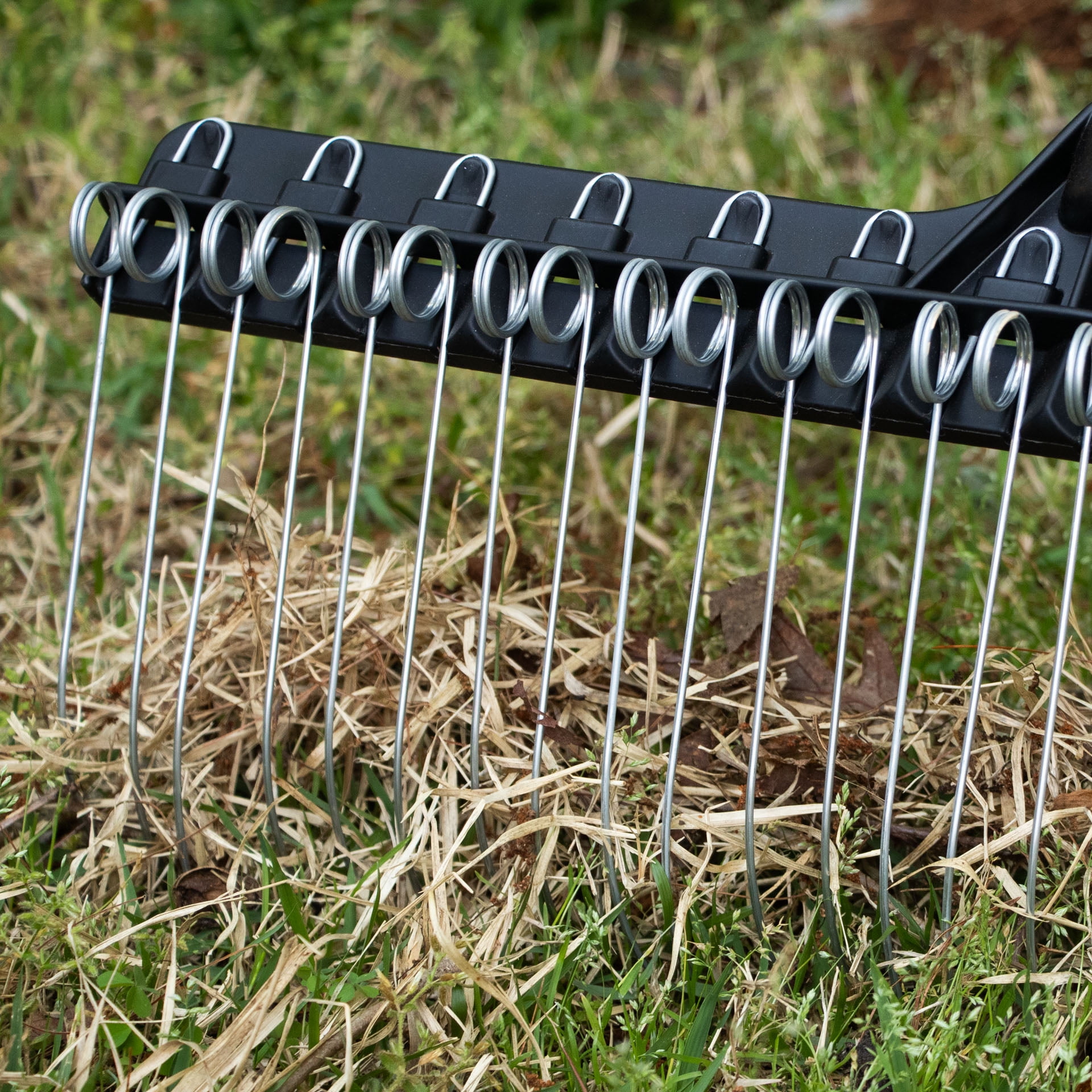
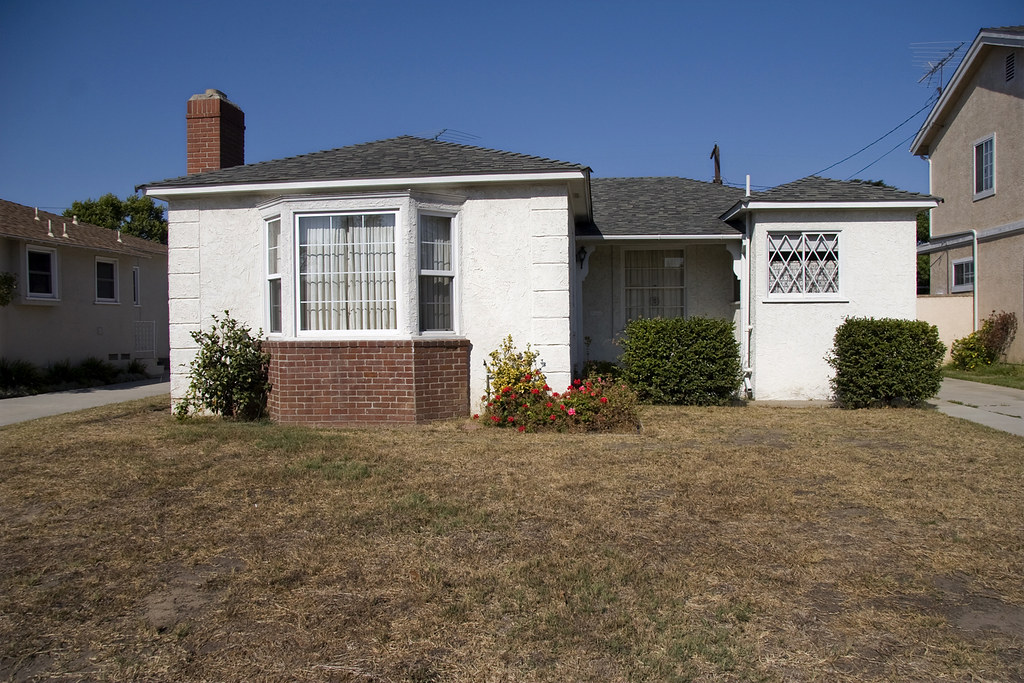
Every spring, lawns reveal their winter secrets. What looks like harmless debris can sometimes be something more stubborn: a dense, spongy layer of thatch built up over years of growth.
When thatch becomes excessive, it quietly undermines even the best lawn care routines. Fertilizer stops working as expected. Water runs off instead of soaking in. Grass thins out despite regular mowing.
Dethatching can correct all of that—but only when it’s truly needed and done with the right equipment.
What Thatch Really Is (and Why It’s Hard to Spot)
Thatch forms when organic material accumulates faster than soil microbes can break it down. Some grass types, frequent fertilization, and compacted soils all contribute.
A thin layer is beneficial. Once that layer thickens beyond about half an inch, it becomes a barrier.
Many homeowners don’t realize they have a thatch problem until they notice persistent spring issues year after year.
How to Tell If Your Lawn Needs Dethatching
Before investing in equipment, confirm the problem.
The Five-Minute Thatch Test
Cut a small wedge from your lawn and inspect the layer between grass blades and soil.
- Under ½ inch: no dethatching needed
- ½–1 inch: light dethatching can help
- Over 1 inch: dethatching is likely overdue
Lawns that feel springy underfoot or shed water during rain often benefit the most.
Is Spring the Right Time to Dethatch?
For cool-season lawns, spring can be a smart window—especially if dethatching is kept conservative.
Early spring dethatching works best once grass has started growing but before heat stress arrives. This timing allows turf to recover quickly, particularly when followed by aeration and overseeding.
Warm-season grasses typically respond better later in the year.
Choosing the Right Dethatching Tool (What Pros Actually Use)
Not all dethatching tools serve the same purpose. Matching the tool to your lawn size and thatch depth matters more than brand loyalty.
Electric Dethatchers: Best for Most Homeowners
For small to medium lawns, electric dethatchers offer a controlled, effective way to manage moderate thatch.
Well-reviewed models like the Greenworks 14-inch Dethatcher and Sun Joe AJ801E are popular for a reason: they’re affordable, easy to store, and powerful enough for annual maintenance.
These tools excel at preventive dethatching, keeping lawns healthy before problems become severe.
These models typically cost less than a single professional dethatching service.
Tow-Behind Dethatchers: When Power Matters
Lawns with deep thatch or larger properties often require more aggressive tools.
Tow-behind dethatchers like the Agri-Fab 48-inch or Brinly 48-inch models attach to lawn tractors and pull spring tines through the turf, lifting thick layers efficiently.
They’re often used in combination with lawn sweepers, which makes debris removal far easier after dethatching.
One tow-behind setup can replace years of manual raking or seasonal cleanup services.
How to Dethatch Without Creating New Problems
Dethatching should look disruptive—but not destructive.
- Mow slightly lower beforehand
- Start with the least aggressive depth setting
- Make a single pass and evaluate
- Avoid wet or muddy conditions
Excessive dethatching is one of the most common mistakes homeowners make. It’s better to underdo it and repeat later than strip too much at once.
What to Do After Dethatching (This Is Where Results Happen)
The real payoff comes after dethatching.
Most lawns benefit from:
- Core aeration to relieve compaction
- Overseeding to fill in thin areas
- Starter fertilizer to promote recovery
Removing debris promptly is critical. Many homeowners rely on tow-behind or push lawn sweepers at this stage, especially in yards with pine needles or heavy organic material.
This step alone often determines whether a lawn rebounds quickly—or struggles for weeks.
Is Buying a Dethatcher Worth It?
For homeowners who deal with recurring thatch, owning a dethatcher often makes financial sense.
Electric dethatchers typically pay for themselves within one or two seasons compared to hiring services. Tow-behind models make sense for larger properties or anyone already invested in tractor attachments.
Like aerators and sweepers, dethatchers are tools you don’t use constantly—but when you need one, nothing else substitutes.
Final Thoughts
Dethatching isn’t about perfection. It’s about restoring balance between growth and decay in your lawn.
When done at the right time, with the right tool, it can dramatically improve how a lawn looks and performs throughout the growing season. The key is restraint, preparation, and choosing equipment that matches your lawn’s actual needs—not someone else’s.