Electric vs Gas Dethatchers: Which Is Better for Your Lawn?
Dethatchers may look similar on the surface, but the power source behind them makes a significant difference in performance, cost, and long-term usability.
For most homeowners, the real question isn’t which dethatcher is “better”—it’s which one is appropriate for their lawn size, thatch severity, and maintenance expectations.
Understanding those differences can prevent an expensive mistake.
How Electric Dethatchers Work
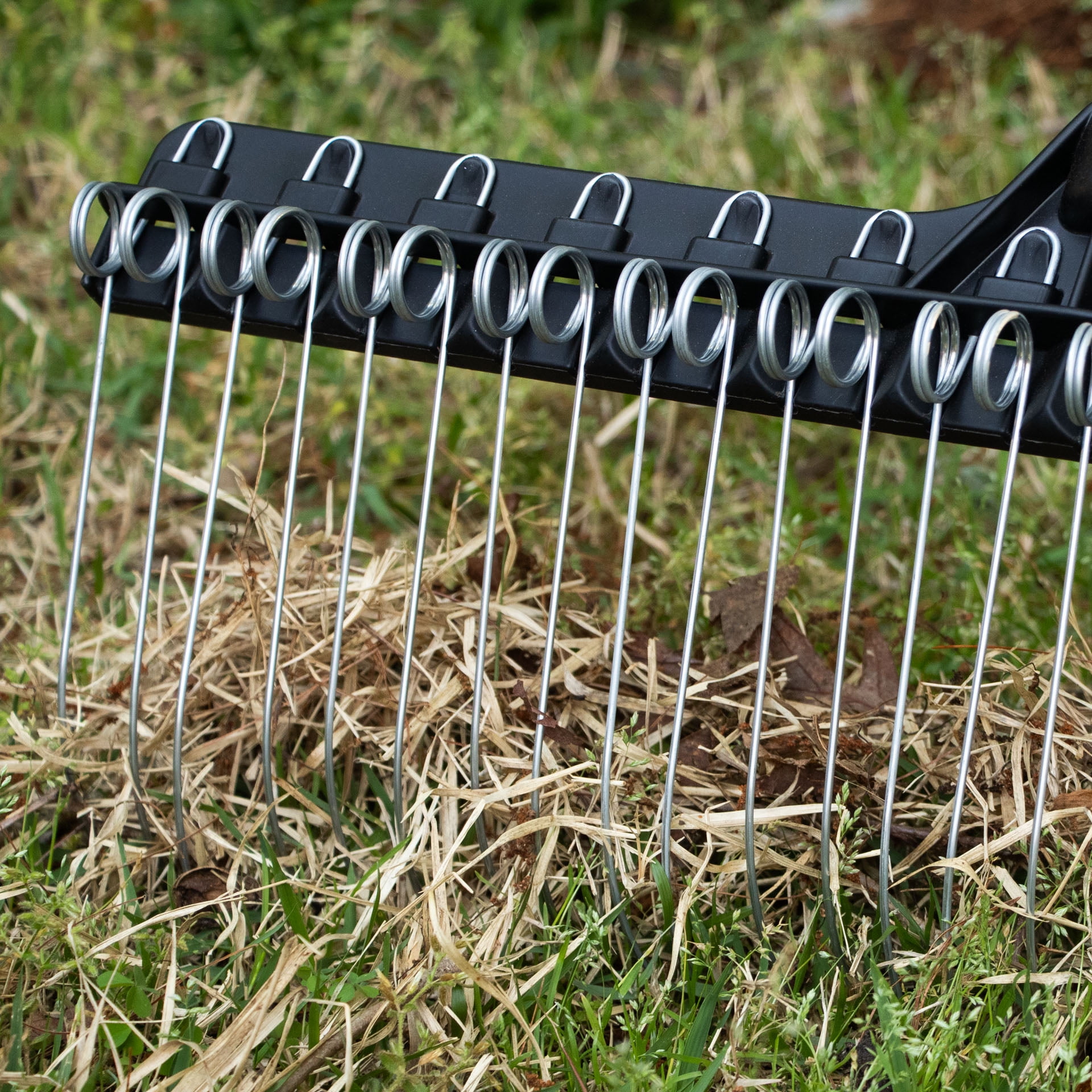
Electric dethatchers are designed for routine residential maintenance. They typically use spring tines or light flail blades powered by a corded electric motor.
Advantages of Electric Dethatchers
- Lower upfront cost
- Lightweight and easy to maneuver
- Minimal maintenance
- Quieter operation
- Compact storage footprint
These traits make electric dethatchers especially appealing for homeowners maintaining small to medium-sized lawns.
Limitations
- Cord management required
- Less aggressive on thick thatch
- Limited reach on large properties
For many lawns, these limitations aren’t deal-breakers—they’re simply the trade-off for convenience.
How Gas Dethatchers Work
Gas-powered dethatchers are built for higher workload capacity. They use more aggressive blades and higher torque to handle dense thatch and larger areas efficiently.
Advantages of Gas Dethatchers
- Greater power and cutting depth
- Faster coverage on large lawns
- No extension cords to manage
- Better performance on heavy buildup
These models are commonly used by professionals or homeowners managing acreage.
Limitations
- Higher purchase price
- Engine maintenance required
- Heavier and harder to store
- Louder operation
Gas dethatchers are powerful—but often unnecessary for typical residential use.
Side-by-Side Comparison
| Feature | Electric Dethatcher | Gas Dethatcher |
|---|---|---|
| Lawn size | Small–medium | Large |
| Power | Moderate | High |
| Maintenance | Minimal | Regular engine care |
| Noise | Low | High |
| Storage | Compact | Bulky |
| Typical cost | Lower | Higher |
Which One Should You Choose?
Choose an Electric Dethatcher If:
- Your lawn is under ½ acre
- Thatch buildup is moderate
- You dethatch periodically, not annually
- You value ease of use and storage
Electric dethatchers cover the needs of most suburban lawns and are often the best value per dollar.
Choose a Gas Dethatcher If:
- Your lawn exceeds ½ acre
- Thatch is thick and matted
- You want faster coverage
- You’re comfortable maintaining small engines
In many cases, homeowners with large lawns choose to rent gas dethatchers rather than purchase them.
The Rental vs Ownership Question
For gas dethatchers especially, renting often makes more sense:
- Lower total cost
- No off-season storage
- Access to commercial-grade equipment
Electric dethatchers, on the other hand, are affordable enough to own and easy to store.
Performance Isn’t Everything
More power doesn’t automatically mean better results.
Overly aggressive dethatching:
- Removes healthy grass
- Increases recovery time
- Creates opportunities for weeds
Matching tool strength to lawn condition produces better outcomes than simply choosing the strongest option.
Timing Still Matters
Regardless of power source:
- Dethatch only during active growth
- Avoid heat stress and dormancy
- Follow with debris cleanup and overseeding if needed
Even the best dethatcher can damage a lawn if used at the wrong time.
Final Thoughts
Electric and gas dethatchers both have a place—but they serve different audiences. For most homeowners, electric dethatchers deliver the right balance of effectiveness, cost, and convenience.
Gas dethatchers are powerful tools, but they’re best reserved for large properties or one-time renovation projects.
Choosing the right one isn’t about power—it’s about fit.