Landscape & Leisure is reader-supported. When you buy through links on our site, including Botanical Interests seed links, we may earn a commission at no extra cost to you. Prices change, so click through to confirm current pricing.
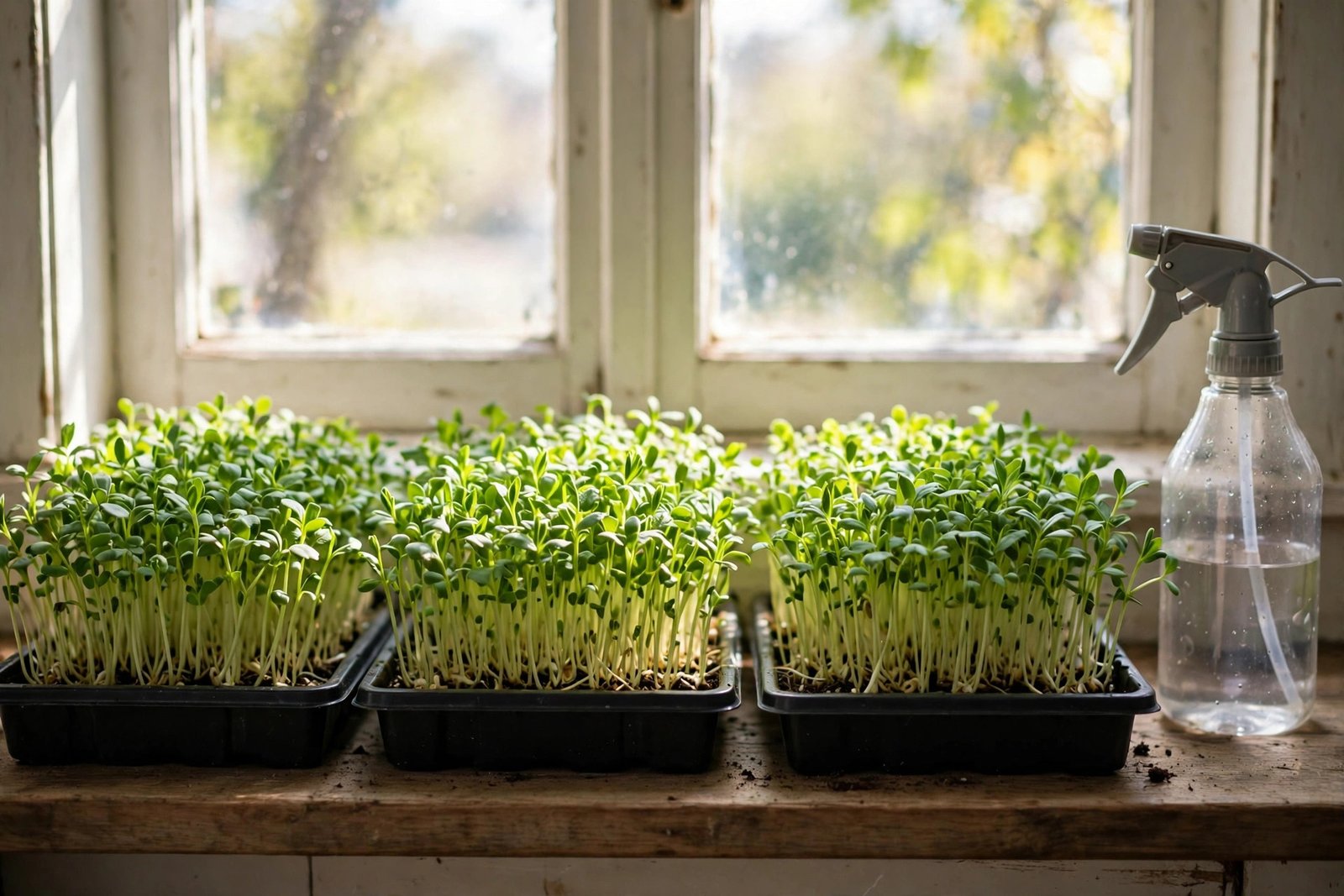
January is the month the garden goes quiet, and that is exactly when a windowsill tray earns its keep. Microgreens — vegetables and herbs harvested as seedlings, just an inch or two tall — are ready in days, not months, and they grow indoors any time of year. No garden bed, no waiting for spring, just a tray by a bright window and a pair of scissors.
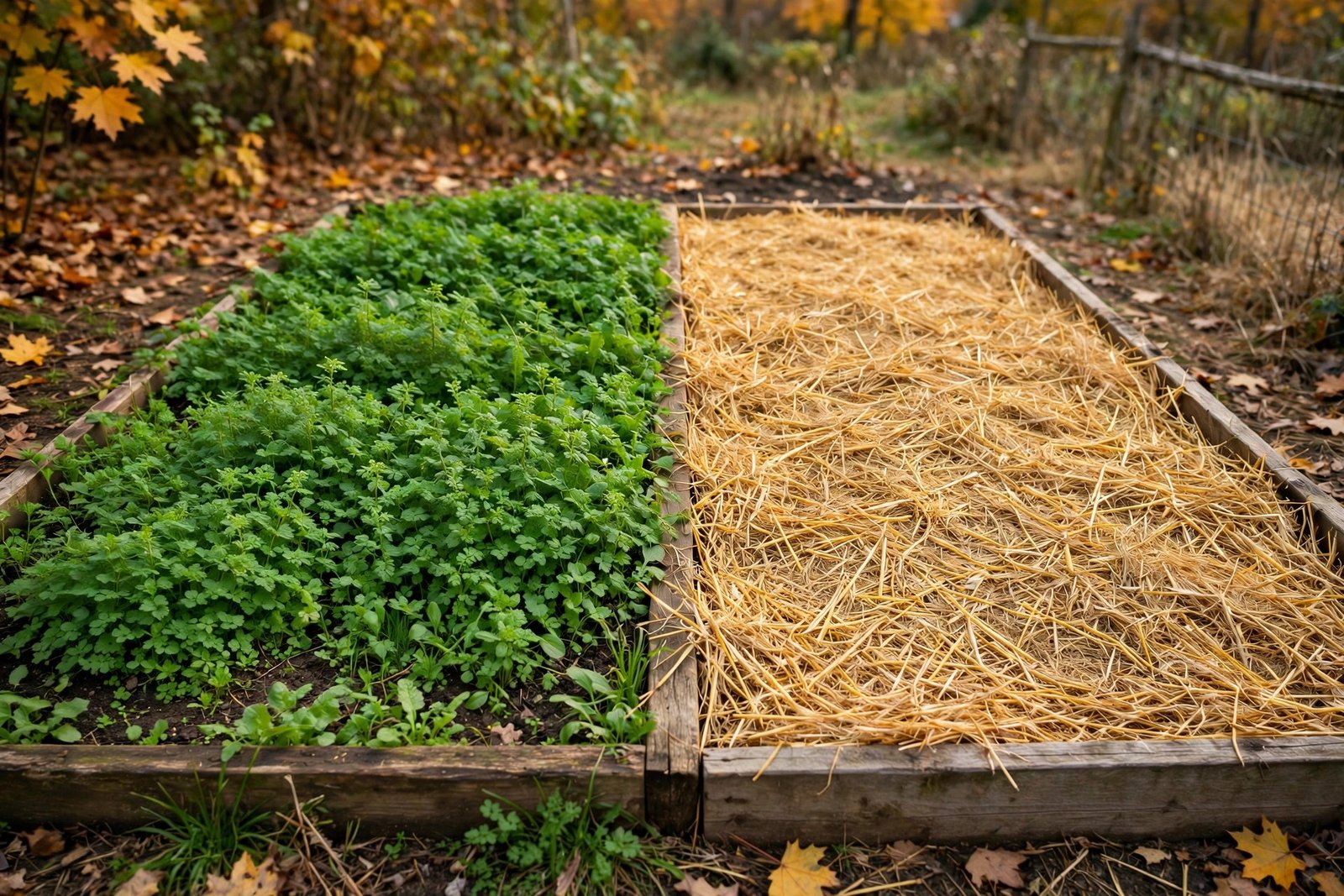
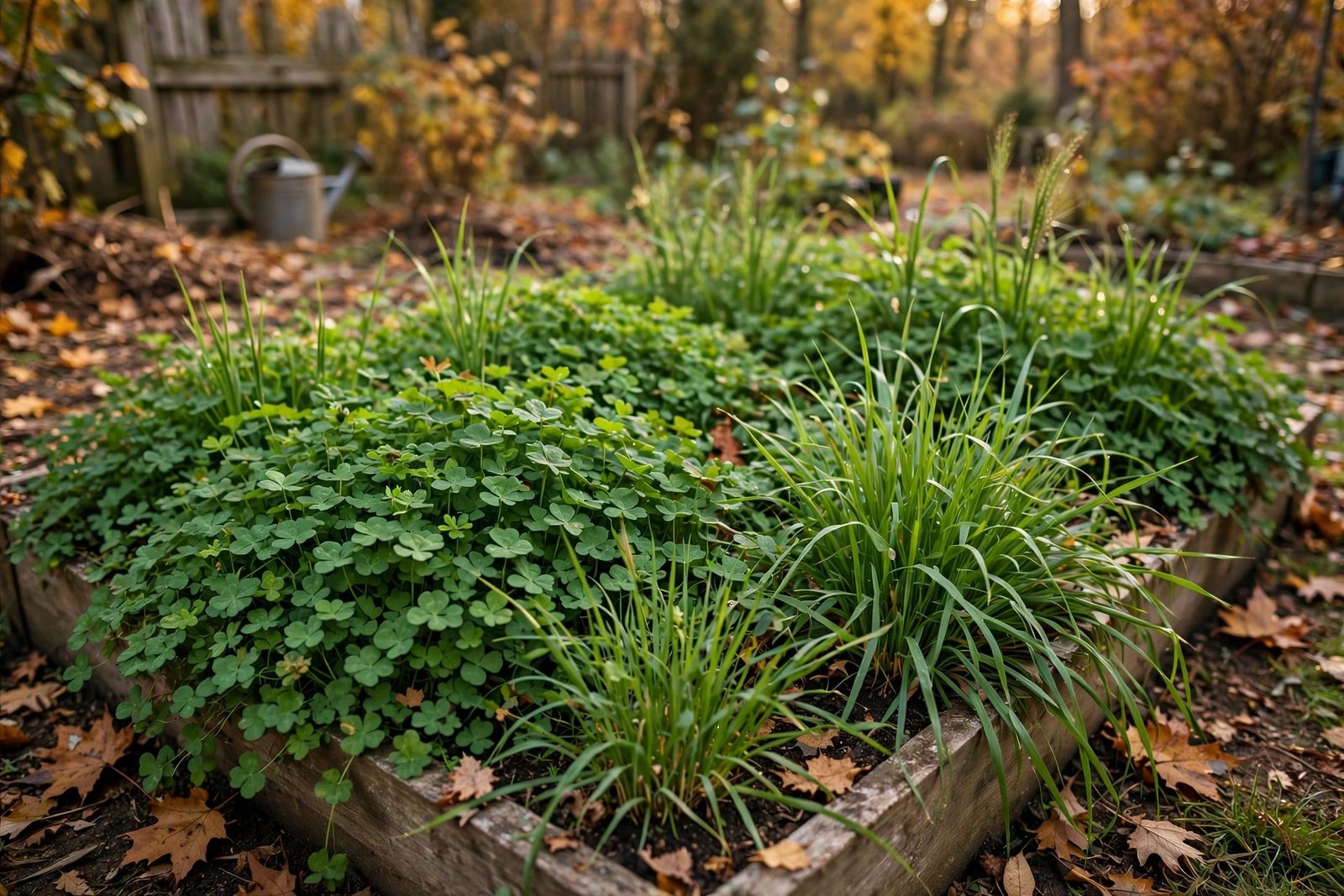
The timing is the whole trick. Sow too thick and they mold; harvest too late and they turn tough and bitter. Get the rhythm right — sow every week or two, harvest at the first true leaves — and you will have fresh greens for salads and sandwiches straight through winter. If your outdoor beds are resting under a cover crop instead, our best cover crops roundup covers what to sow out there, and our cover crops vs. mulch comparison explains why a living cover beats bare soil.
Why Microgreens Work Indoors
Microgreens are not sprouts and not baby greens. They are seedlings grown in soil or a growing medium, harvested when they have their first true leaves — the second set of leaves, after the seed leaves — or just before, depending on the variety and your taste. Most are ready when they are one to three inches tall.
That short life is the advantage. A tray started today can be on your plate in a week, and because you sow indoors, the weather outside does not matter. Keep the temperature around 65°–75°F, give them good light, and keep the medium moist but not soggy, and they practically grow themselves.
| Microgreen | Days to harvest | Flavor | Best for |
|---|---|---|---|
| Mild Mix | 5–10 days | Mild, varied | A first tray and everyday salads |
| Sunflower | 10–20 days | Nutty, crunchy | A substantial, satisfying green |
| Umami Asian Blend | 10–15 days | Savory, spicy notes | Asian dishes and a flavor lift |
Pick Your First Tray: Mild Mix
If you have never grown microgreens, start here. Mild Mix is a custom blend made so every variety in the tray reaches the right size at the same time — no half the tray ready while the other half is still catching up. It is mild enough for anyone at the table, which makes it the safest first tray and the one you will reach for on ordinary salad nights.
Sow it indoors any time of year, move the container as needed for the best light and a 65°–75°F spot, and harvest in about 5 to 10 days, when the seedlings have their seed leaves or their first true leaves are just forming. That 5-to-10-day window is the fastest payoff in this guide, and it is why a weekly sowing rhythm works: start a new tray every Sunday and you are never more than a few days from fresh greens.
Pros: Everything ready at once; mild flavor everyone likes; fastest harvest here.
Cons: Mild means mild — if you want a punch, pair it with a spicier blend rather than expecting fireworks from this tray alone.
Mild Mix Microgreens Seeds
One tray, everything ready together, in as little as five days — the easiest way into indoor greens.
The Hearty One: Sunflower Microgreens
Sunflower microgreens are the opposite of delicate. Grown from black oil sunflower seed, they come up crisp, tender, and succulent, with a nutty flavor and a crunch that holds up on a sandwich instead of wilting into it. Harvest them at 1 to 2 inches tall, and one packet sows up to two 10-by-20-inch flats — a serious amount of greens from a single tray.
They take longer than a mix — 10 to 20 days, with germination in 5 to 12 days — so sow them when you want a weekend project rather than a weeknight garnish. Sow a quarter inch deep or less, keep the soil moist, and cut just above the soil line with scissors when the first true leaves begin to form. The payoff is a green that eats like a vegetable, not a garnish.
Pros: Nutty, crunchy, substantial; high in iron, calcium, and protein; generous coverage per packet.
Cons: The slowest tray here at up to 20 days; larger seeds need more even spacing than tiny mustard-type seed.
Sunflower Microgreens Seeds
Crisp, nutty shoots that stand up on a sandwich — the microgreen for people who want more than a garnish.
The Flavor Lift: Umami Asian Blend
Umami is the fifth taste — savory, after sweet, salty, bitter, and sour — and this blend is built around it. Tatsoi and pac choi make up nearly two-thirds of the mix, with red giant mustard, Tokyo bekana, and red-streaked mizuna mustard rounding it out, so you get layers of savory and spicy notes in one tray instead of a single flat flavor.
It matures in 10 to 15 days, germinates in just 3 to 4 days, and one packet sows up to two and a half 10-by-20-inch flats. Use it as a garnish for Asian dishes and meats, or toss it into salads when a plain green would disappear. Sow indoors any time of year, and for a continual crop, sow every 7 to 14 days.
Pros: Real depth of flavor from one packet; fast 3–4 day germination; generous flat coverage.
Cons: Spicier than a mild mix, so taste before you pile it on a delicate dish; needs the same steady moisture as every microgreen tray.
Umami Asian Blend Microgreens Seeds
Savory, spicy layers from mustards and cabbages — the tray that turns a plain salad into something worth talking about.
How to Grow Them, Step by Step
1. Pick a shallow tray with drainage. A standard 10-by-20-inch tray works for every variety here. Fill it with a fine, moist seed-starting mix, level it, and press it lightly — a bumpy surface gives you patchy germination.
2. Sow evenly, at the right depth. Small seeds like mustard types do best sprinkled evenly from a few inches above; larger seeds like sunflower go on by hand at regular intervals. Cover to the depth on the packet — roughly an eighth to a quarter inch for these varieties — and mist until the surface is damp.
3. Keep them warm, moist, and lit. A 65°–75°F spot with bright light is ideal. A windowsill works; a simple grow light is steadier in deep winter. Water from below when you can, so the tiny seedlings stay dry on top and mold stays away.
4. Harvest with scissors, just above the soil. Cut when the seedlings have their seed leaves or their first true leaves are just forming. Rinse gently, pat dry, and use them the same day — microgreens are at their best within hours of cutting.
The Gear That Makes It Easy
You do not need much gear, but two pieces make the rhythm reliable. Shallow trays keep the soil depth right and the watering even, and a heat mat underneath takes the guesswork out of germination in a cold house. Both are worth having before your third tray, when the novelty wears off and the routine has to carry itself.
Epic 6-Cell Seed Starting Trays
Sturdy, reusable trays that keep small sowings organized — handy when you are running a tray a week.
Seed Starting Heat Mat
Steady bottom warmth for faster, more even germination when the house runs cool.
What to Watch Next
The mistake that undoes a tray is almost always water: too much, and the seedlings damp off or mold; too little, and they stall and turn tough. If a tray smells musty, it is too wet — let it dry a little, improve the air around it, and start the next one drier. And do not wait for microgreens to get big. The moment they look lush enough to be worth cutting, they are at their peak; another two days usually makes them leggier and less tender, not better.
Start with the Mild Mix this week, add a sunflower tray next week, and keep the rhythm going. By the time the outdoor beds wake up — fed, in part, by the cover crops you sowed last fall — you will have been eating from your own trays all winter.