If you’re shopping for a plug aerator or wondering whether aeration actually helps your lawn, one question comes up over and over again: how deep do plug aerators go?
The short answer is that most residential plug aerators penetrate 2 to 3 inches deep, but the real story is more nuanced — and understanding it can be the difference between noticeable lawn improvement and wasted effort.
Aeration depth affects everything from root growth to drainage, nutrient absorption, and how quickly your lawn recovers. In this guide, we’ll break down how deep plug aerators actually go, what influences penetration depth, how deep your lawn needs, and how to get better results from the aerator you already own.
Typical Plug Aerator Depth: What to Expect
For most home lawns, plug aerators fall into a fairly consistent range:
- Manual plug aerators: 2–3 inches
- Push or drum-style plug aerators: 2–3 inches
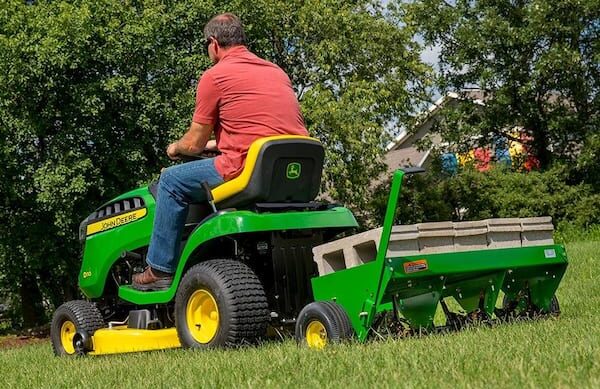
- Tow-behind plug aerators: 2.5–3.5 inches (sometimes slightly more in ideal conditions)
- Commercial or professional aerators: 3–6 inches
For homeowners, that 2–3 inch range is not a limitation — it’s actually intentional. The majority of turfgrass root systems live in the top few inches of soil, especially in compacted lawns.
Why Aeration Depth Matters
Aeration isn’t about going as deep as possible. It’s about relieving compaction where it’s actually occurring.
Most soil compaction happens in the top 1–4 inches due to:
- Foot traffic
- Mowing equipment
- Clay-heavy soil
- Repeated watering and drying cycles
When plug aerators remove soil cores at the proper depth, they:
- Create space for oxygen to reach roots
- Improve water infiltration
- Allow nutrients to move deeper into the soil profile
- Encourage roots to grow downward instead of spreading shallow
Going too shallow won’t break compaction. Going unnecessarily deep adds resistance without improving results.
Factors That Affect How Deep a Plug Aerator Goe
Not all lawns — or aerators — perform the same. Several variables influence penetration depth.
Soil Type
- Clay soil: Harder to penetrate, often limits depth unless conditions are ideal
- Loam soil: Easiest to aerate and usually achieves full depth
- Sandy soil: Penetrates easily but may not hold defined plugs
Clay soil lawns often require extra weight or perfect moisture conditions to hit the 3-inch mark.
Soil Moisture
This is the single biggest factor.
- Too dry: Tines bounce or barely penetrate
- Too wet: Plugs smear instead of pulling clean cores
- Ideal: Soil is moist but not muddy — roughly 24–48 hours after watering or rainfall
Proper moisture can increase penetration depth by up to an inch.
Added Weight
Tow-behind aerators almost always rely on added weight to reach full depth. This is why manufacturers recommend:
- Concrete blocks
- Sandbags
- Weight trays filled to capacity
More weight equals better tine penetration — up to the limit of the aerator’s design.
Aerator Design
Not all plug aerators are created equal.
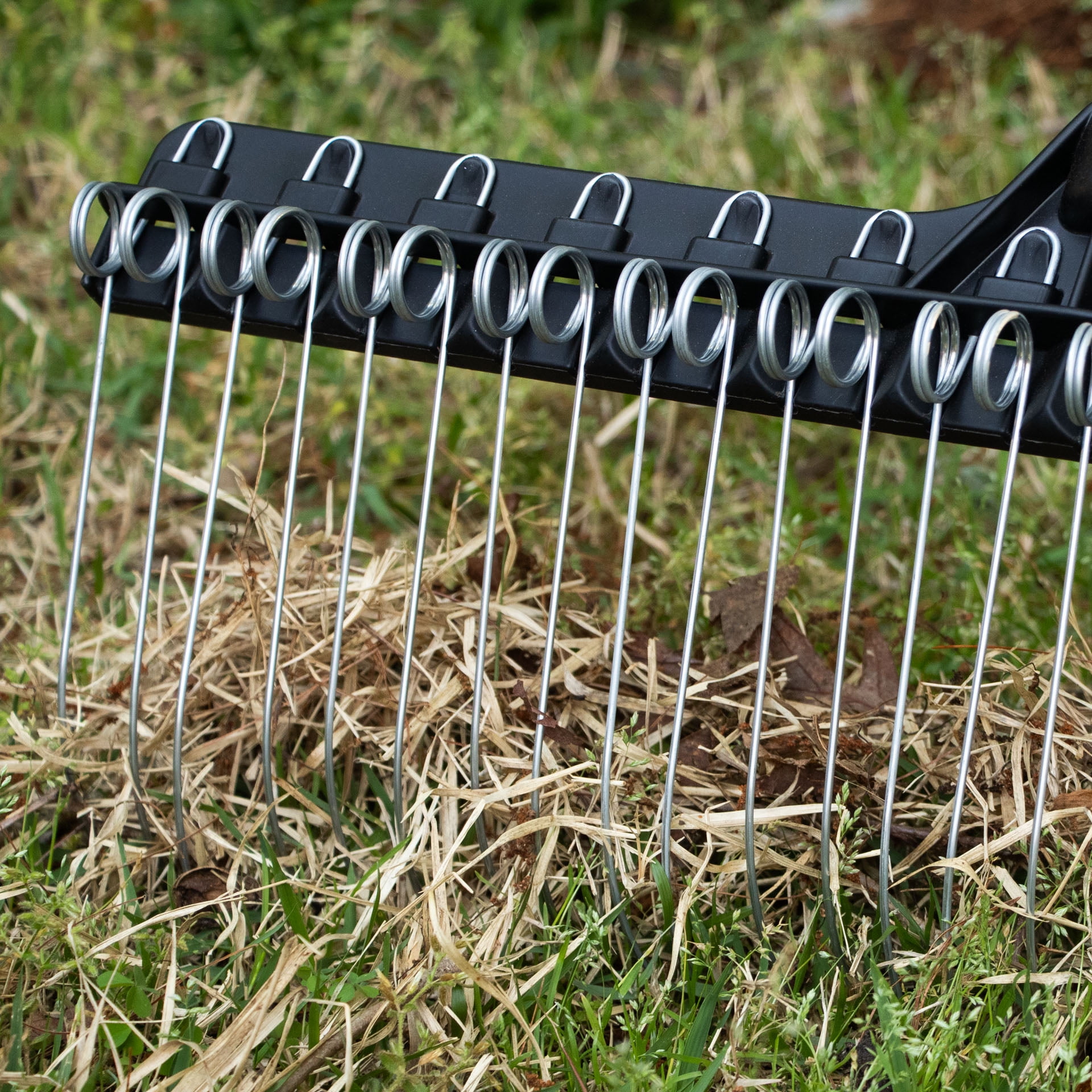
- Hollow steel tines penetrate deeper than spoon-style tines
- Longer tines allow for deeper cores
- Wider tine spacing reduces resistance and improves penetration
Higher-quality aerators consistently achieve better depth with less effort.
Is 2–3 Inches Deep Enough?
For most lawns, yes — absolutely.
Here’s why:
- Cool-season grasses like Kentucky bluegrass, fescue, and ryegrass develop most feeder roots in the top 2–4 inches
- Relieving compaction in this zone produces the biggest improvement in lawn health
- Deeper aeration does not significantly benefit turf unless compaction extends unusually deep
Professional sports fields and heavily trafficked lawns sometimes benefit from deeper aeration, but that’s outside the scope of typical residential care.
Plug Aerators vs Spike Aerators: Depth Comparison
This is where confusion often creeps in.
- Plug aerators remove soil cores 2–3 inches deep
- Spike aerators can penetrate deeper, but they compress soil sideways instead of removing it
Despite sometimes reaching greater depth, spike aerators often make compaction worse over time. Plug aerators, even at shallower depths, deliver far superior results.
Depth alone doesn’t matter — soil removal does.
How to Get Maximum Depth From Your Plug Aerator
If your aerator isn’t hitting its advertised depth, try these tips:
- Water the lawn thoroughly one to two days before aerating
- Add weight to tow-behind aerators according to manufacturer limits
- Make multiple passes in perpendicular directions
- Slow down — rushing reduces tine penetration
- Avoid extremely compacted or bone-dry conditions
Many homeowners see a dramatic improvement in results simply by aerating at the right time.
Should You Aim for Deeper Aeration?
In most cases, no.
If your lawn still struggles after regular aeration, the issue may be:
- Poor soil composition
- Drainage problems
- Shade stress
- Thatch buildup
- Incorrect mowing or fertilization
Aeration depth is only one part of the lawn health equation. More depth isn’t always better — better timing and consistency are.
Final Thoughts: Depth Isn’t Everything, But It Matters
So, how deep do plug aerators go?
For home lawns, 2–3 inches is standard, effective, and sufficient.
What matters most is not chasing extreme depth, but ensuring:
- Proper soil moisture
- Clean core removal
- Consistent annual aeration
- Follow-up practices like overseeding or topdressing
When used correctly, even a modest plug aerator can produce professional-level results — no commercial equipment required.