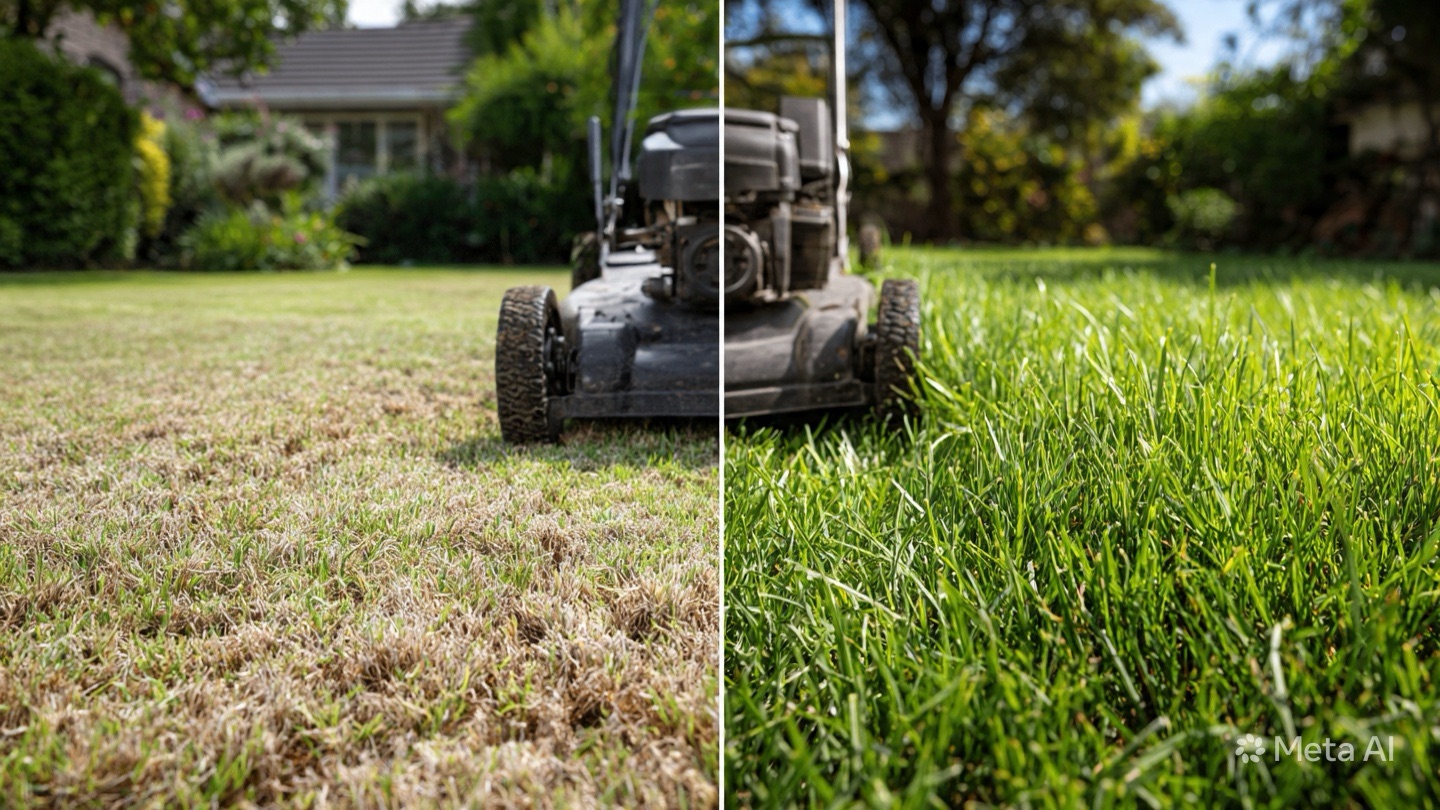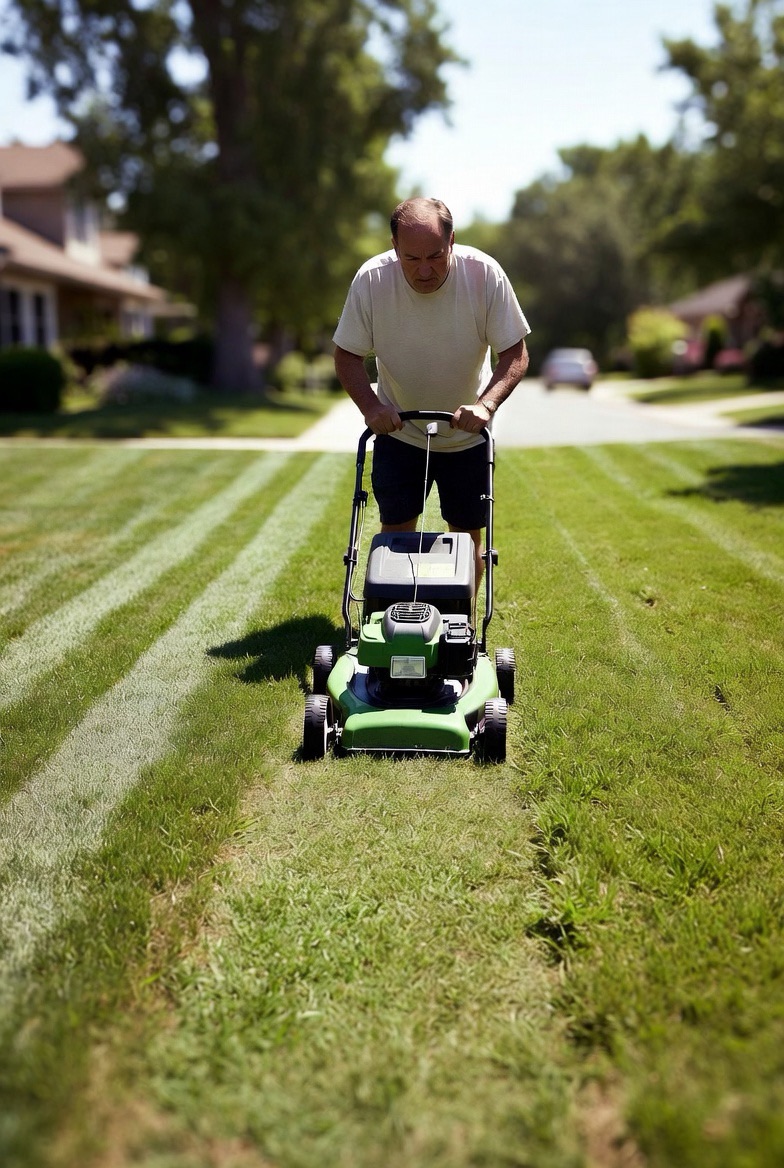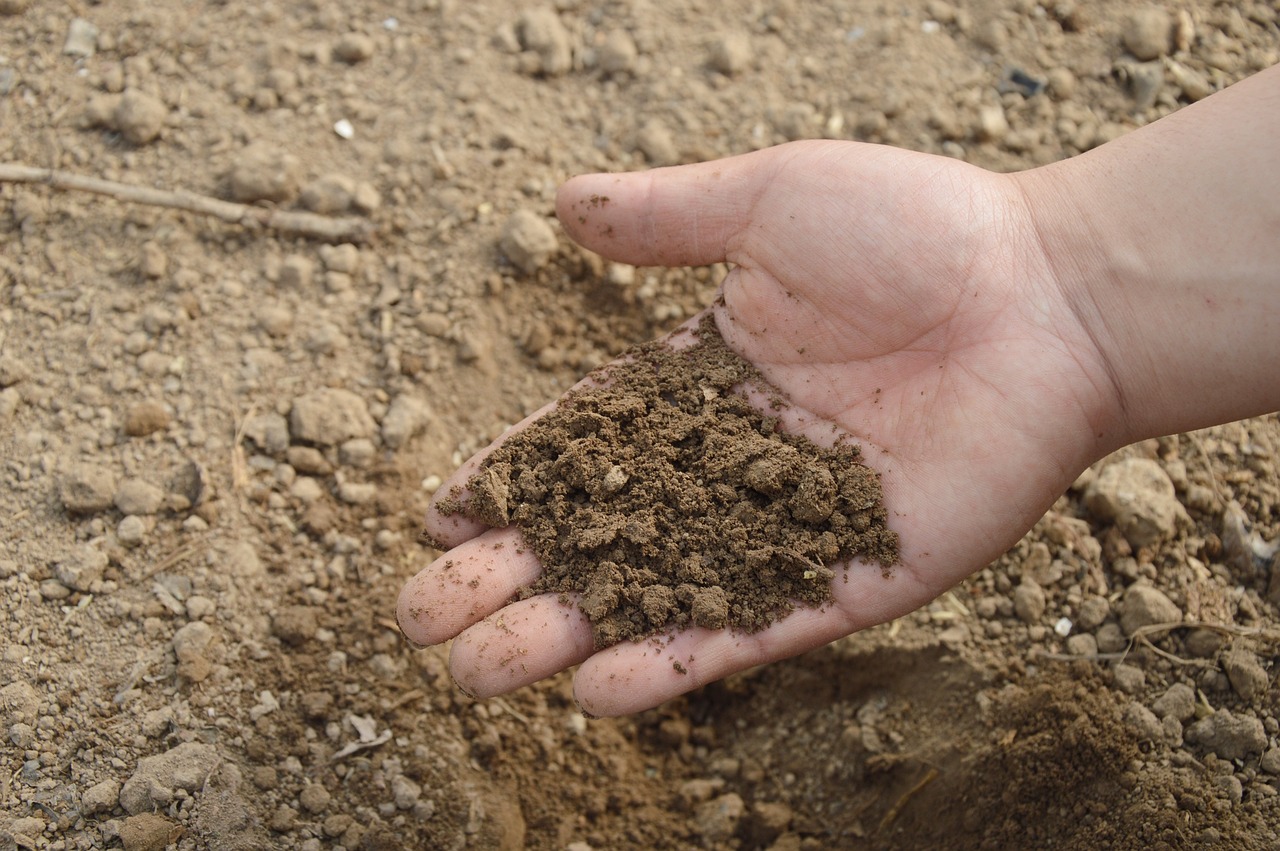
Topdressing is the process of spreading a thin layer of material over your lawn to improve soil structure, smooth uneven areas, and encourage healthier grass growth.
When done properly, topdressing with topsoil can:
• Improve water infiltration
• Reduce compaction
• Level low spots
• Support stronger root growth
• Improve overall turf density
It’s a quiet workhorse of lawn care—rarely flashy, but incredibly effective.
When Should You Topdress a Lawn?
Timing matters.
Best Times to Topdress
• Early fall for cool-season grasses
• Late spring once grass is actively growing
These windows allow grass to recover quickly and grow through the added soil.
When to Avoid Topdressing
• During summer heat
• On dormant lawns
• Just before extended heavy rain
Grass needs active growth to push through the new soil layer.
Should You Use Topsoil, Compost, or a Blend?
Pure topsoil can work—but it’s rarely ideal on its own.
Best Option for Most Lawns
A topsoil-compost blend (often 70/30 or 50/50) provides:
• Better drainage
• More organic matter
• Improved microbial activity
Avoid sandy fill dirt or soil with excessive clay.
If your soil is heavy clay, compost content is especially important.
How Much Topsoil Do You Need?
Topdressing is about thin layers, not burying grass.
Recommended Depth
• ¼ inch or less across the lawn
• Up to ½ inch for leveling low spots
As a rough estimate:
• 1 cubic yard covers ~1,000 sq ft at ¼ inch depth
It’s better to apply too little than too much.
Step-by-Step: How to Topdress a Lawn With Topsoil
Step 1: Mow the Lawn Slightly Shorter
Cut grass slightly lower than normal—but don’t scalp it.
This helps soil reach the surface without burying blades.
Step 2: Core Aerate (Strongly Recommended)
Aeration before topdressing dramatically improves results.
It:
• Opens soil channels
• Reduces compaction
• Allows topsoil to settle into holes
Topdressing without aeration is far less effective.
Step 3: Break Up and Dry the Topsoil
Moist soil spreads poorly.
Break up clumps and allow soil to dry slightly so it’s loose and workable.
Step 4: Spread Topsoil Evenly
Use:
• Shovel and wheelbarrow
• Compost spreader
• Drop spreader for fine material
Apply small piles and spread thinly—resist the urge to dump and rake aggressively.
Step 5: Work Soil Into the Grass
Use a:
• Rake
• Lawn leveling rake
• Push broom
The goal is to let grass blades remain visible while soil settles around them.
If grass disappears, you’ve applied too much.
Step 6: Water Lightly
Water helps soil settle and eliminates air pockets.
Avoid heavy watering that causes runoff or puddling.
Topdressing for Lawn Leveling
For dips and uneven areas:
• Fill gradually over multiple applications
• Let grass grow through before adding more
• Compact lightly by foot, not with equipment
Rushing this step often kills grass.
Can You Overseed When Topdressing?
Yes—and it’s one of the best combinations in lawn care.
Best Sequence
- Aerate
- Overseed
- Topdress lightly
- Water consistently
Topsoil improves seed-to-soil contact and protects seed during germination.
Common Topdressing Mistakes to Avoid
Applying Too Much Soil
This is the most common error. Grass suffocates quickly.
Using Poor-Quality Soil
Cheap fill dirt introduces weeds and compaction.
Skipping Aeration
Topsoil sits on the surface instead of improving soil structure.
Working on Wet Lawns
This causes smearing and compaction.
How Long Does It Take to See Results?
You’ll notice improvements quickly:
• Grass recovers in 1–2 weeks
• Lawn looks smoother in weeks
• Soil health improves over months
• Root depth improves long-term
Topdressing benefits compound over time.
How Often Should You Topdress a Lawn?
For most lawns:
• Once per year is sufficient
• Every 2–3 years for healthy lawns
Heavily compacted lawns may benefit from annual applications for a few seasons.
Is Topdressing Worth the Effort?
Absolutely.
Topdressing improves what’s happening below the surface—where lawn health actually starts.
It’s one of the few lawn care tasks that delivers both immediate visual improvement and long-term soil benefits.
Final Thoughts
Topdressing a lawn with topsoil isn’t complicated—but it does require restraint.
Thin layers, good soil, and proper timing make all the difference. Combined with aeration and overseeding, topdressing can quietly transform even tired, compacted lawns into thick, resilient turf.