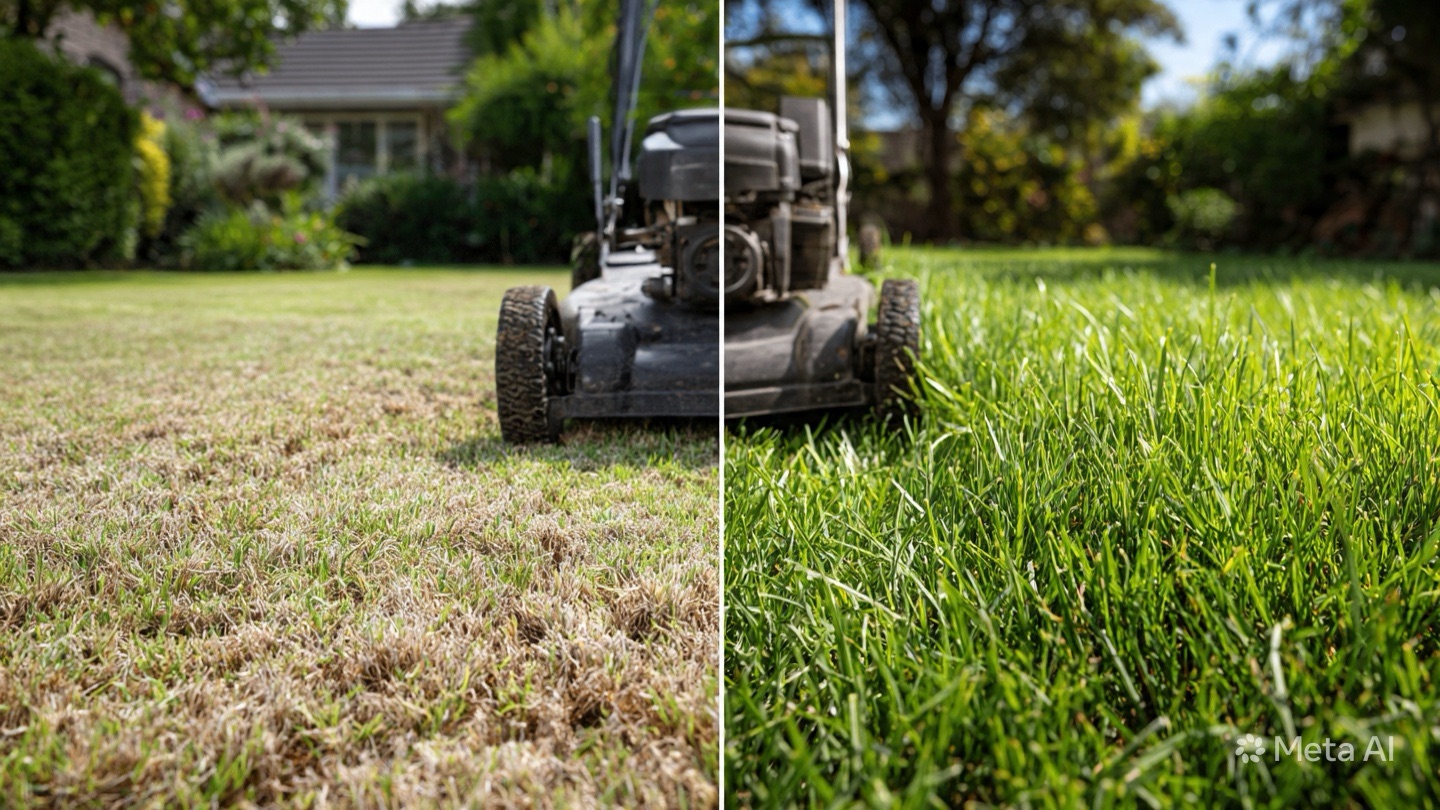
If you’ve ever looked at your lawn and wondered why it struggles despite regular mowing, fertilizing, and watering, the problem may be hiding below the surface. Compacted soil, shallow roots, and poor air exchange quietly undermine turf health—and no amount of fertilizer can fix that alone.
That’s where lawn aeration comes in.
Aeration is one of the most misunderstood lawn care practices. Some homeowners skip it entirely. Others do it every year without understanding why. And many use the wrong type of aerator for their lawn, which leads to disappointing results.
This guide explains what aeration actually does, when it’s truly necessary, and how to choose the right aerator for your lawn—whether you’re maintaining healthy turf or recovering from years of neglect.
What Lawn Aeration Actually Does
At its core, aeration is about restoring balance in the soil.
Over time, foot traffic, mowing equipment, rainfall, and natural settling compress the soil beneath your lawn. This compaction limits the movement of air, water, and nutrients, forcing grass roots to stay shallow and weak.
Aeration works by:
- Relieving soil compaction
- Improving oxygen exchange at the root level
- Allowing water and nutrients to penetrate more deeply
- Encouraging deeper, stronger root growth
- Creating ideal conditions for overseeding and fertilization
Think of aeration as opening windows in a stuffy house. Once airflow returns, everything functions better.
Do You Actually Need to Aerate Your Lawn?
Not every lawn needs aeration every year. In fact, unnecessary aeration can stress healthy turf.
Your lawn is a good candidate for aeration if:
- Water puddles or runs off instead of soaking in
- The soil feels hard and compacted underfoot
- Grass roots appear shallow when you dig
- Thatch buildup exceeds about ½ inch
- Your lawn sees heavy traffic from kids, pets, or equipment
- Growth has slowed despite fertilization
Lawns built on clay-heavy soil—common in many regions—are especially prone to compaction and often benefit the most.
When Is the Best Time to Aerate a Lawn?
Timing matters more than many homeowners realize.
Cool-Season Grasses
(Kentucky bluegrass, fescue, ryegrass)
- Best time: Early fall
- Second option: Early spring (with caution)
Fall aeration allows grass to recover quickly while competing weeds are slowing down. Spring aeration works but should be done early enough to avoid peak weed germination.
Warm-Season Grasses
(Bermuda, zoysia, centipede)
- Best time: Late spring to early summer
Aerate once the lawn is actively growing and able to recover quickly.
Avoid aerating during drought stress or extreme heat.
Types of Lawn Aerators (And What They’re Good For)
Choosing the right aerator matters just as much as timing. Not all aerators do the same job.
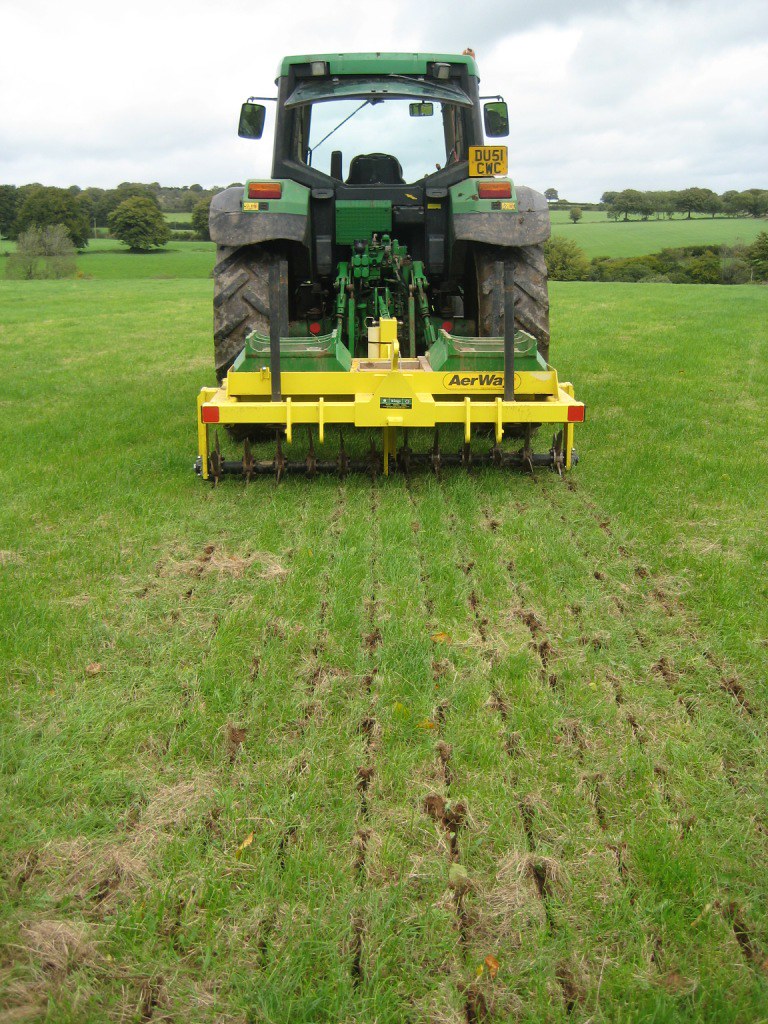
Plug (Core) Aerators
Best for: Compacted soil, long-term lawn health
Plug aerators remove small cores of soil from the ground, creating deep channels for air, water, and nutrients.
Pros
- Most effective at relieving compaction
- Improves soil structure over time
- Ideal for overseeding and renovation
Cons
- Requires more effort or heavier equipment
- More expensive than spike aerators
This is the gold standard for aeration.
Spike Aerators
Best for: Light compaction, maintenance aeration
Spike aerators poke holes into the soil using solid tines or spikes.
Pros
- Affordable
- Easy to use
- Lightweight
Cons
- Can actually increase compaction around holes
- Less effective for heavy clay soil
Spike aerators can help maintain healthy lawns but won’t fix serious soil problems.
Tow-Behind Aerators
Best for: Medium to large lawns
These aerators attach to riding mowers or lawn tractors and come in both spike and plug varieties.
Pros
- Excellent coverage
- Less physical effort
- Ideal for larger properties
Cons
- Requires a compatible mower
- Storage space needed
Tow-behind plug aerators are especially effective for homeowners managing large lawns.
Manual and Step-On Aerators
Best for: Small lawns or spot treatment
These tools rely on body weight and repetition.
Pros
- Low cost
- Simple
- Easy to store
Cons
- Labor-intensive
- Limited depth and coverage
They’re practical for small yards or targeted areas but not ideal for full-lawn treatment.
Power Aerators (Rental or Pro-Level)
Best for: Severe compaction, full renovation
Gas-powered core aerators are often rented or used by professionals.
Pros
- Deep, consistent core removal
- Best for renovation projects
Cons
- Expensive
- Heavy and difficult to maneuver
- Overkill for many homeowners
For some lawns, renting one once every few years makes sense.
Spike vs Plug Aerators: Which Is Better?
This is one of the most common questions—and the answer depends on your goal.
- For long-term soil health: Plug aerators win
- For quick maintenance: Spike aerators are acceptable
- For compacted clay soil: Plug aerators are strongly preferred
If you’re aerating primarily to support overseeding or improve drainage, a plug aerator is almost always the better choice.
Aeration and Dethatching: Which Comes First?
If your lawn needs both, the order matters.
- Dethatch first to remove surface barriers
- Aerate second to open soil channels
- Overseed and fertilize while soil access is maximized
This sequence dramatically improves results and ties directly into many of the tools you’ve already explored—dethatchers, power rakes, and sweepers.
What to Do After Aerating Your Lawn
Aeration creates opportunity. What you do next determines how much benefit you get.
Overseeding
Aeration holes provide excellent seed-to-soil contact.
Fertilizing
Nutrients move directly into the root zone instead of staying on the surface.
Topdressing
Light compost or soil amendments improve microbial activity.
Watering
Keep soil moist for 2–3 weeks to support recovery and new growth.
Skipping these steps leaves much of aeration’s potential untapped.
Should You Buy or Rent a Lawn Aerator?
This depends on lawn size, frequency, and effort tolerance.
Buy if:
- You aerate regularly
- You have a medium or large lawn
- You want convenience and control
Rent if:
- Aeration is infrequent
- Lawn size is small
- Storage space is limited
Tow-behind aerators often pay for themselves within a few seasons for larger properties.
How Aeration Fits Into a Complete Lawn Care Plan
Aeration isn’t a standalone fix—it’s a multiplier.
It improves the effectiveness of:
- Dethatching
- Overseeding
- Fertilizing
- Watering
- Weed control
That’s why it’s a cornerstone practice in both maintenance and renovation strategies.
Final Thoughts: Aeration Is About Soil, Not Surface
Healthy lawns start below ground. Aeration addresses the invisible problems that mowing and fertilizing can’t solve on their own.
When timed correctly and paired with the right follow-up care, aeration transforms compacted soil into an environment where grass can thrive—not just survive.
Whether you choose a manual tool, tow-behind attachment, or power aerator, understanding why you’re aerating is just as important as how you do it.