At first glance, power rakes and dethatchers appear nearly identical. Both tear into the lawn, pull up debris, and leave turf looking rough before it gets better. But beneath the surface, they’re designed for very different levels of lawn problems—and using the wrong one can do more harm than good.
If you’ve ever wondered whether a power rake is simply a “stronger” dethatcher, the answer is more nuanced.
Understanding the distinction can save your lawn—and your wallet.
What a Dethatcher Is Designed to Do
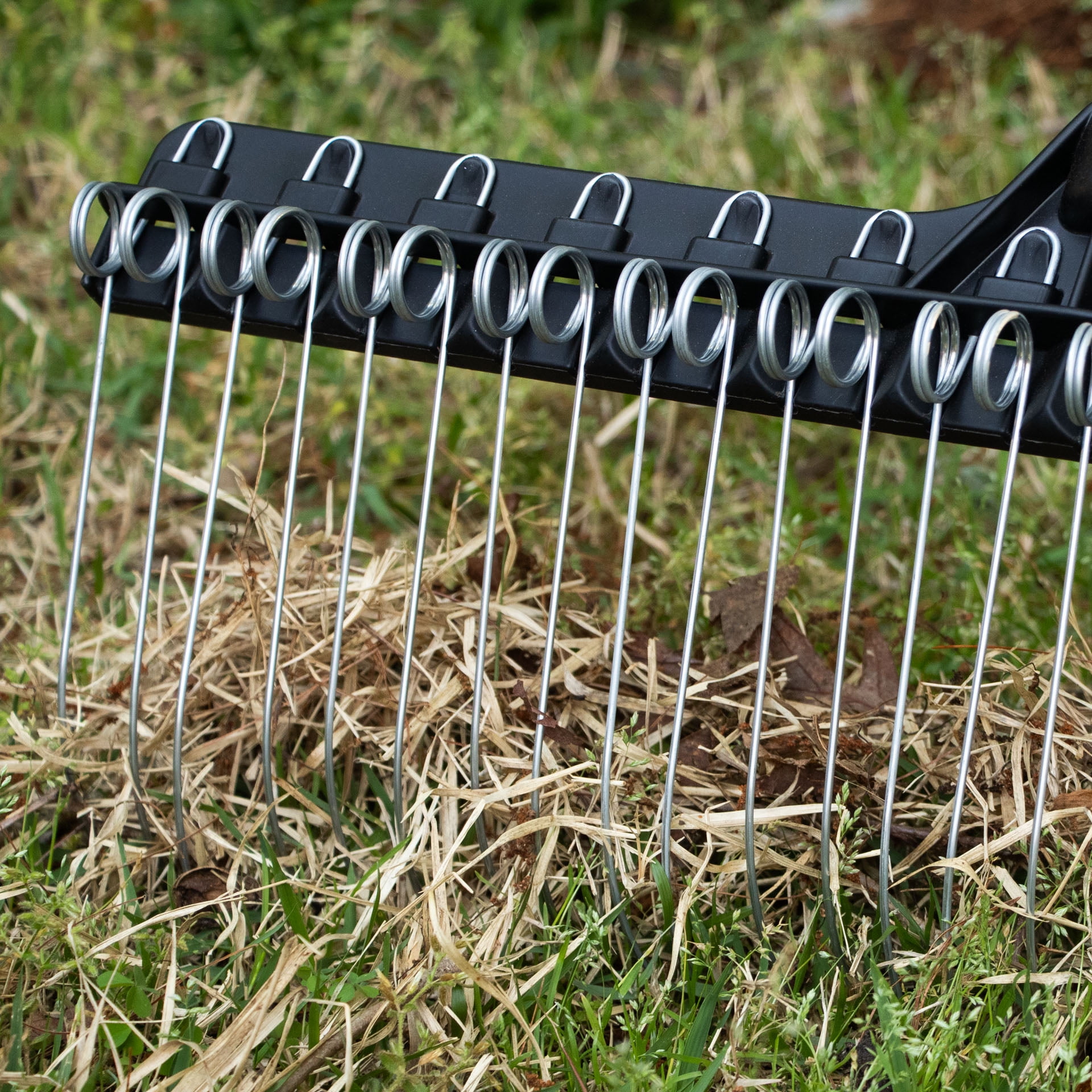
A dethatcher is built for routine maintenance. Its job is to remove excess thatch without aggressively disturbing the soil or grass crowns.
Most residential dethatchers use:
- Flexible spring tines
- Light flail blades
- Adjustable depth settings
They’re intended to be used periodically—often every one to three years—depending on lawn type and growth habits.
Best Use Cases for a Dethatcher
- Mild to moderate thatch buildup
- Lawns that feel spongy but otherwise healthy
- Annual or biannual spring cleanup
- Homeowners maintaining, not rebuilding, turf
Electric dethatchers are especially popular because they’re affordable, compact, and easy to store.
What a Power Rake Actually Does
A power rake is a lawn renovation tool, not a maintenance one.
Unlike dethatchers, power rakes use:
- Rigid steel blades
- Fixed or aggressive depth settings
- High-torque motors
Their purpose is to cut deeply into the thatch layer and upper soil, removing dense organic matter and loosening compacted areas.
Power rakes are commonly used by:
- Landscaping professionals
- Rental centers
- Homeowners restoring neglected lawns
Best Use Cases for a Power Rake
- Thick, matted thatch exceeding ¾ inch
- Lawns that haven’t been maintained for years
- Prepping for full overseeding or reseeding
- Heavy renovation projects
This level of aggression produces dramatic short-term damage—but also faster long-term recovery when used correctly.
Side-by-Side Comparison
| Feature | Dethatcher | Power Rake |
|---|---|---|
| Primary role | Maintenance | Renovation |
| Aggressiveness | Moderate | High |
| Blade type | Spring tines | Steel blades |
| Risk to turf | Low | Moderate to high |
| Typical ownership | Homeowners | Rental or professional |
| Recovery time | 1–3 weeks | 3–6 weeks |
Which One Should You Use?
Choose a Dethatcher If:
- Your lawn is generally healthy
- You want annual or occasional upkeep
- You’re removing surface-level debris
- You plan to overseed lightly
Choose a Power Rake If:
- Thatch is visibly thick and matted
- Grass is thin, weak, or uneven
- You’re preparing for major reseeding
- You’re comfortable with short-term lawn damage
For many homeowners, renting a power rake once and owning a dethatcher long-term is the most cost-effective approach.
Common Mistake: Overusing Power Rakes
Power rakes aren’t better dethatchers—they’re stronger tools for bigger problems.
Using a power rake annually on a healthy lawn can:
- Tear out live grass crowns
- Stress root systems
- Invite weeds during recovery
This is one reason professionals reserve power rakes for targeted renovation windows rather than routine care.
Recommended Product Categories
Best Dethatchers for Homeowners
Electric dethatchers with adjustable depth settings offer the best balance of effectiveness and safety for most lawns.
Best Power Rake Option
Rental units from local equipment centers provide commercial-grade performance without the purchase cost or storage burden.
Timing Matters More Than the Tool
Both dethatchers and power rakes should be used only when grass can recover quickly:
- Early spring
- Early fall
Avoid using either during heat stress, drought, or dormancy.
Final Thoughts
Power rakes and dethatchers may look similar, but they serve very different purposes. Choosing the right one depends less on what you want to buy—and more on what your lawn actually needs.
Maintenance tools preserve good lawns. Renovation tools rebuild damaged ones.
Knowing the difference ensures you’re improving your yard, not fighting it.