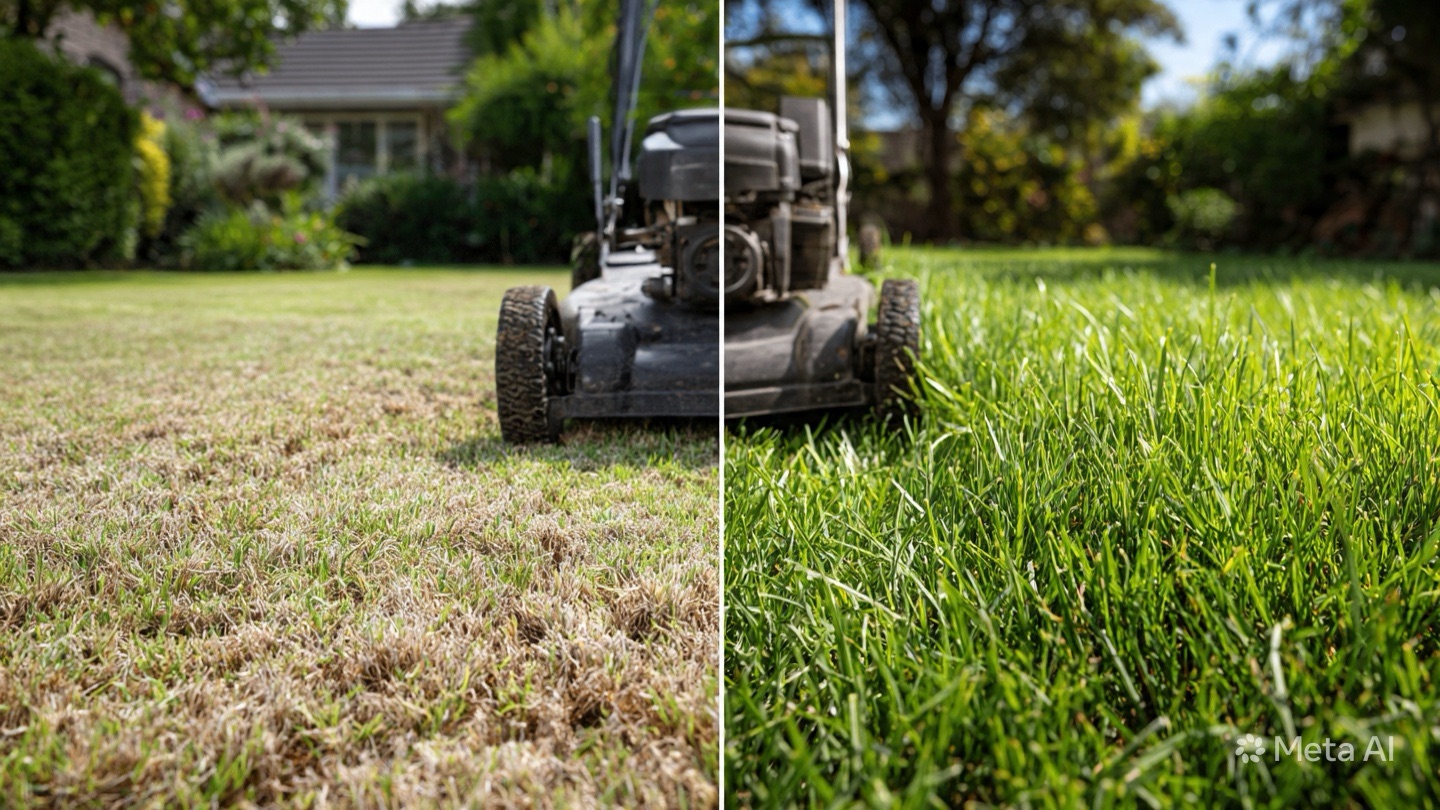
If your lawn sees regular foot traffic, has compacted soil, or struggles to absorb water and fertilizer, aeration isn’t a luxury—it’s maintenance. The real question most homeowners face isn’t whether to aerate, but whether to rent or buy the equipment.
At first glance, renting a lawn aerator seems like the obvious choice. After all, why buy a bulky tool you only use once or twice a year? But once you factor in cost, convenience, lawn size, and long-term results, the decision becomes far less straightforward.
What Renting a Lawn Aerator Looks Like in Practice
Typical Rental Costs
Rental prices vary by region, but most homeowners can expect:
- Manual or spike aerators: rarely rented due to low effectiveness
- Walk-behind plug aerators: $75–$120 for 4 hours
- Tow-behind plug aerators: $60–$100 per day
That price usually does not include delivery, damage protection, or late fees.
The Time Pressure Problem
Rental aerators create a narrow window:
- You’re locked into using the machine when it’s available—not when conditions are ideal.
- Weather delays can force rushed jobs or missed opportunities.
- Peak seasons (spring and fall) often mean limited availability.
Many homeowners end up aerating too dry, too wet, or too late just to meet the return deadline.
Physical Effort
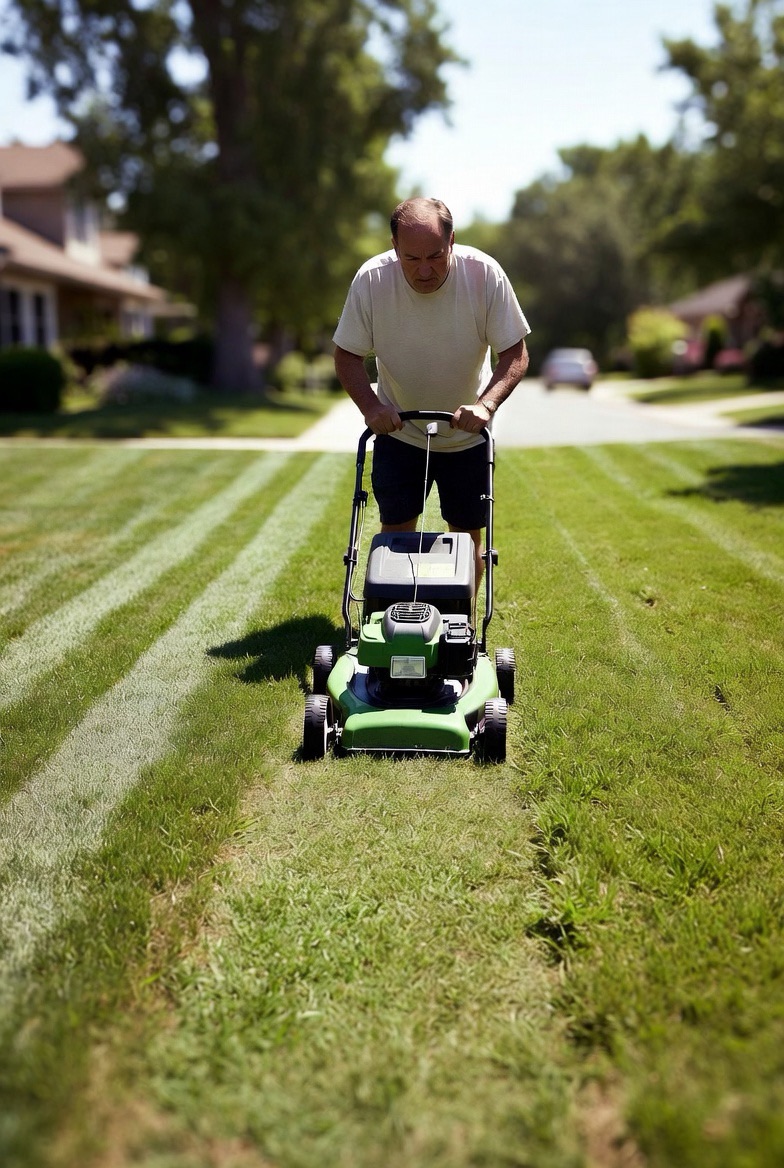
Walk-behind rental aerators are extremely heavy. Maneuvering one across slopes or tight areas can be exhausting, especially for larger lawns. This often leads to incomplete coverage or skipping follow-up passes that would improve results.
What Buying a Lawn Aerator Actually Gives You
True Flexibility
Owning an aerator lets you:
- Aerate when soil moisture is perfect
- Split the job across multiple days
- Re-aerate problem areas later in the season
- Pair aeration precisely with overseeding or fertilizing
Timing matters. Soil conditions affect plug depth and overall effectiveness more than most homeowners realize.
Better Coverage, Better Results
When you own the equipment, there’s no rush. That typically means:
- Slower, more consistent passes
- Better plug removal
- More thorough coverage
The result is improved soil structure and better turf recovery over time.
Long-Term Cost Savings
Here’s where buying often surprises people.
Example scenario (medium lawn):
- Rent a plug aerator twice per year at $90 per rental
- Annual cost: $180
- Five-year cost: $900
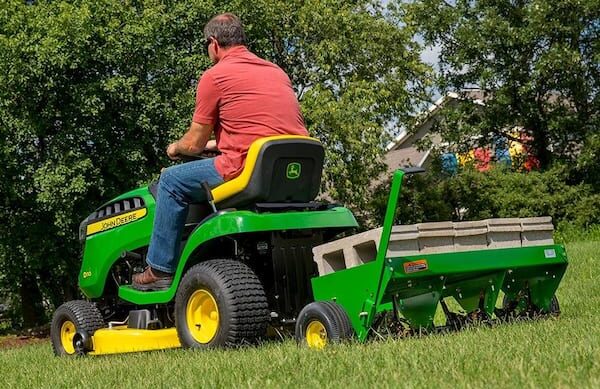
A quality tow-behind plug aerator often falls in the $300–$450 range. Even accounting for storage and occasional maintenance, ownership usually breaks even in 2–3 seasons.
When Renting Makes Sense
Renting can still be the right choice in certain situations:
- You’re aerating once, ever, before selling a home
- You have a very small lawn
- You don’t own a riding mower or towing vehicle
- Storage space is extremely limited
In these cases, a one-time rental may be more practical than ownership.
When Buying Is the Smarter Choice
Buying almost always makes sense if:
- You aerate annually or twice per year
- Your lawn is ¼ acre or larger
- You already own a riding mower or ATV
- You plan to overseed regularly
- You care about long-term soil improvement
For these homeowners, buying isn’t just cheaper—it produces better results.
Manual vs Walk-Behind vs Tow-Behind: Ownership Changes the Equation
Manual Aerators
Inexpensive but labor-intensive. Ownership doesn’t fix the physical demands, and coverage is limited.
Walk-Behind Aerators
Effective but heavy and expensive to rent repeatedly. Ownership can make sense, but storage and maneuverability remain issues.
Tow-Behind Aerators
This is where buying shines. Tow-behind plug aerators:
- Require minimal physical effort
- Cover large areas quickly
- Store easily in garages or sheds
- Last many years with basic care
For homeowners with riding mowers, this category offers the best balance of cost, results, and convenience.
The Hidden Value of Ownership: Lawn Quality Over Time
Aeration isn’t a one-and-done solution. Its benefits compound:
- Improved drainage year after year
- Deeper root systems
- Reduced fertilizer runoff
- Stronger resistance to drought and disease
Owning an aerator encourages consistency—and consistency is what separates average lawns from exceptional ones.
Rent vs Buy: Quick Decision Guide
Rent if:
- Lawn is small
- You won’t aerate again
- You lack towing equipment
Buy if:
- Lawn is medium to large
- You aerate regularly
- You overseed or renovate seasonally
- You want better long-term results
Final Verdict
Renting a lawn aerator feels cheaper in the moment—but for most homeowners, it’s a short-term solution to a long-term problem.
If lawn health matters to you and aeration is part of your regular maintenance routine, buying an aerator—especially a tow-behind plug aerator—is almost always the smarter investment. It saves money over time, delivers better results, and lets you work on your lawn when conditions are right, not when the rental clock is ticking.