Well, friend, Mabel beat the mailman to the porch swing this week, and she was not carrying the mail. She was carrying the first seed catalog of the season, thick as a phone book and already dog-eared on the tomato pages, and she announced, like she was reading a proclamation, that next year’s garden was officially open for dreaming.
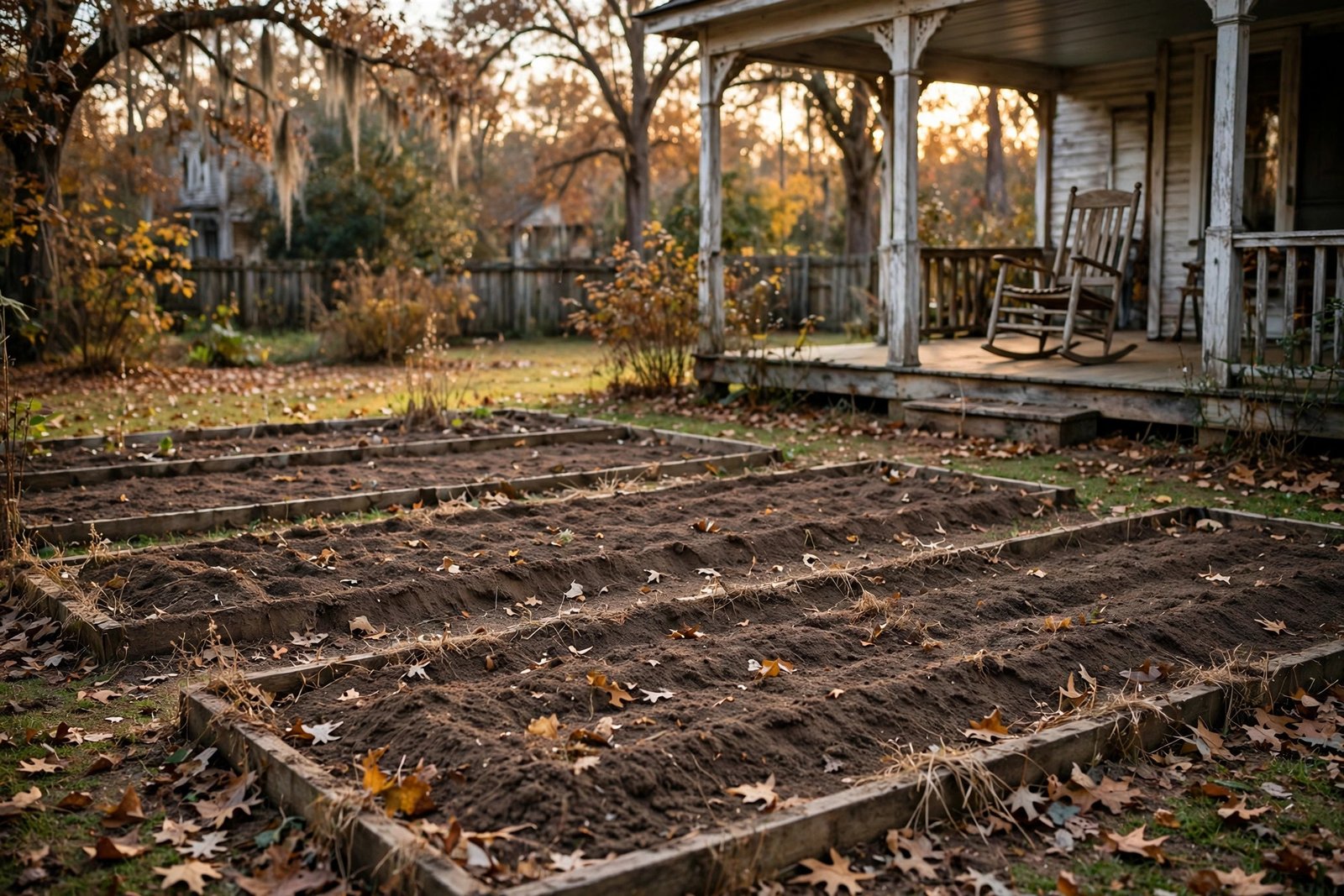
Now, don’t get me wrong. The garden outside is mostly done for the year, and the beds look about as lively as a church pew on a Monday. But Mama always said the garden never really sleeps, it just moves indoors for the winter, and she was right. It moves to the porch swing, to the kitchen table, and to whatever catalog happens to land in the mailbox first.
Earl wandered over the fence while Mabel was circling varieties with a pencil stub, and of course he had an opinion. Earl has an opinion the way a hound dog has a nose, which is to say he cannot help himself. He said planning a garden in November was like writing a love letter to somebody you have not met yet. I told him that was exactly the point, and that was why Mabel was grinning.
The Gospel of the Seed Catalog
There is a right way to read a seed catalog, and it has nothing to do with rushing. You start with a glass of sweet tea, even if the air has a bite to it, and you read the descriptions out loud like they are short stories. Mabel reads the tomato pages first, every year, because tomatoes are the garden’s way of keeping score, and then she works her way back through the beans and the squash and the flowers she swears she will not plant and then plants anyway.
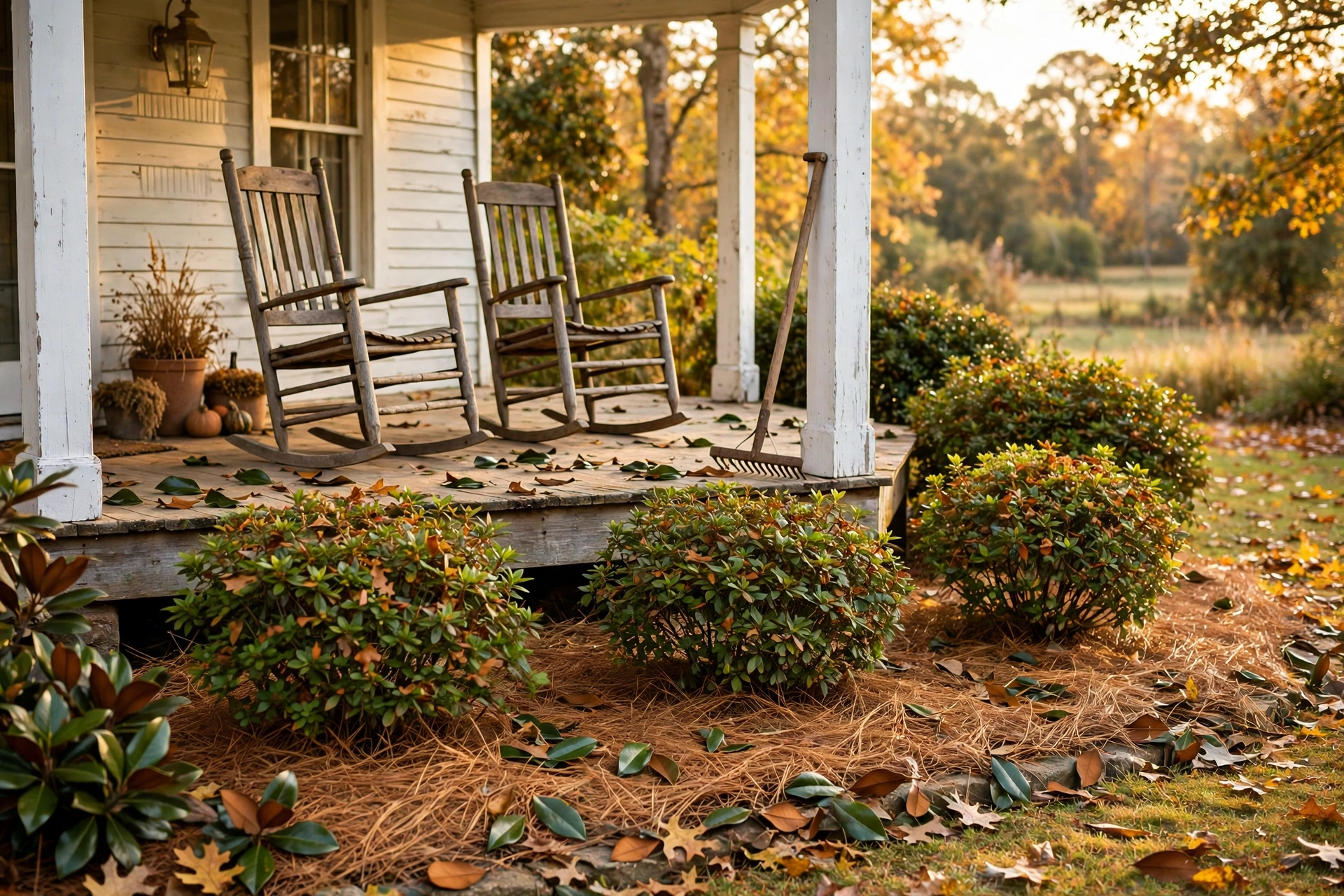
I reckon the catalog is the cheapest vacation a gardener ever takes. You sit in one place and travel through a whole summer that has not happened yet, and the weeds never once show up in the pictures. That is the thing about Southern living: the dreaming is half the gardening, and a porch in November is as good a place as any to do it.
The dreaming does have to turn practical sooner or later, though, or you end up with forty packets of something nobody in the house will eat. So Mabel and I make our list the way Granny Mae taught us, which is to start with what actually got eaten last summer. The beans that disappeared off the vine before they ever reached the kitchen stay on the list. The squash that sat in the pantry until it sprouted stays off, no matter how pretty the picture looks.
That is also when we talk about the beds themselves, not just what goes in them. The daylilies that have crowded themselves into a green fist need splitting before they sulk through another summer, and a porch conversation is the perfect place to decide it, because nobody is in a hurry and the shovel is still hanging in the shed. If you ask me, the trick is all in the placement: plan the work now, while the ground is forgiving and the calendar is empty, and spring will thank you for it.
A Final Thought
We also give the lawn its last word before winter, because a garden plan that forgets the grass is like a sermon that forgets the amen. Mabel reminds me, every year without fail, that the fall feeding has its own proper timing, and she is right, because rushing it does nobody any good. The porch is for dreaming, but the calendar still keeps the score.
So here is my advice, for what it is worth. Let the catalogs come. Circle too much, argue a little with Earl about it, and then narrow it down to what your family will actually eat and what your beds can actually hold. Winter will do its work outside whether you watch it or not. The garden you dream on the porch, with a pencil and a glass of tea and the people you love arguing beside you, is the one that will be waiting when the ground warms up again.
That’s all for now, folks.