Electric dethatchers occupy a sweet spot in modern lawn care. They’re far more effective than hand rakes, dramatically less expensive than professional services, and easier to store and maintain than larger tow-behind equipment.
For homeowners with small to medium lawns, they’re often the most practical dethatching solution available.
But not all electric dethatchers perform equally well. Some remove surface debris but barely touch real thatch. Others are aggressive enough to renovate a lawn—sometimes more aggressively than intended.
This guide breaks down what actually matters when choosing an electric dethatcher, which models consistently deliver good results, and how to avoid common mistakes that can damage turf.
Who an Electric Dethatcher Is (and Isn’t) For
Electric dethatchers work best for homeowners who want maintenance-level dethatching, not full-scale lawn renovation.
They’re ideal if:
- Your lawn is under about ⅓ acre
- Thatch depth is moderate
- You want predictable, controlled results
- You value ease of use and storage
They’re not the right choice for:
- Very large lawns
- Severe, neglected thatch layers
- Homeowners without access to outdoor power
Understanding this upfront helps avoid disappointment—and unnecessary returns.
What Actually Matters in an Electric Dethatcher
Marketing claims can be misleading. In practice, performance comes down to a few key features.
1. Blade and Tine Design
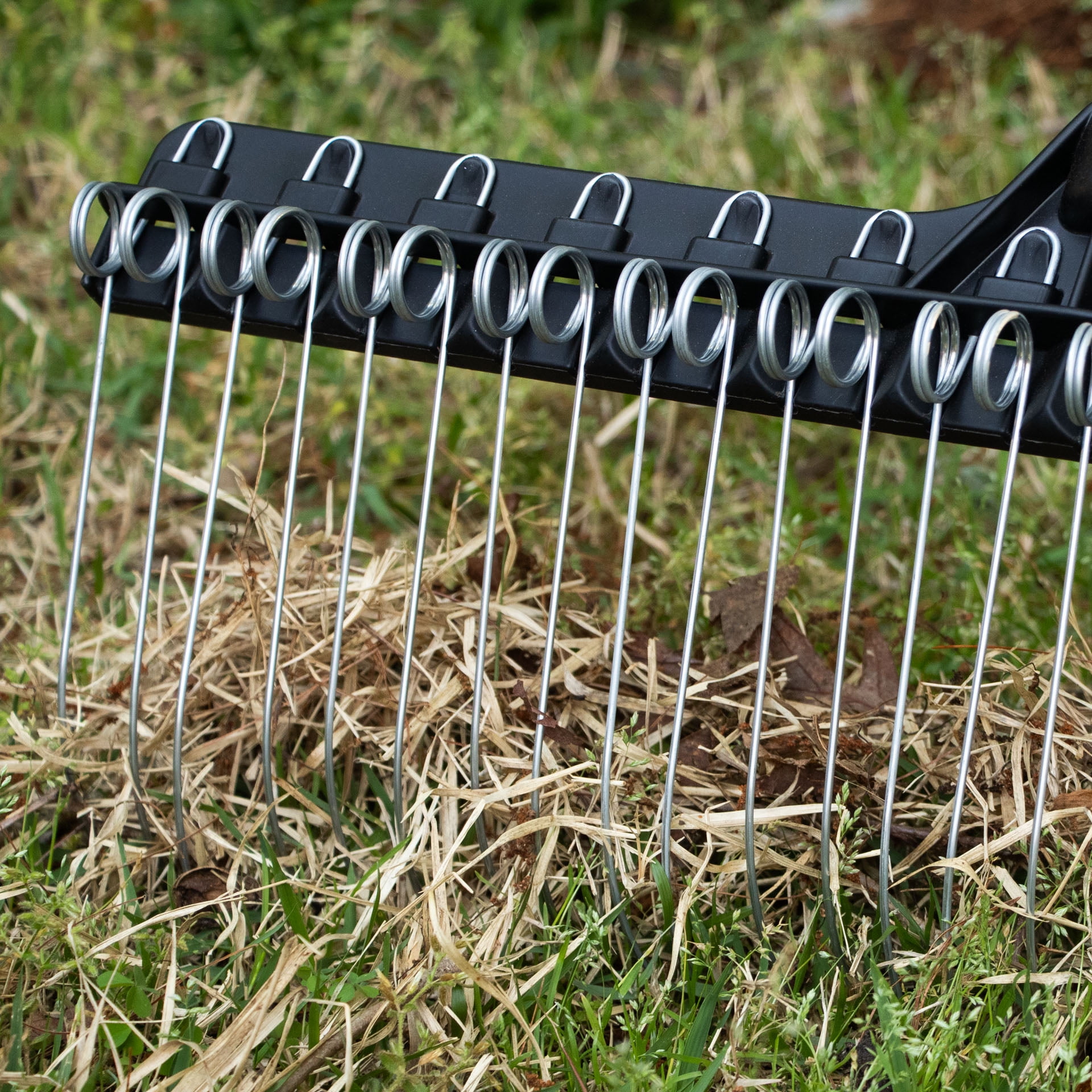
The most effective electric dethatchers use spring steel tines to lift thatch gently. Models that include a scarifier attachment add flexibility, allowing deeper soil agitation when needed.
2. Depth Adjustment
Multiple height settings are critical. Dethatching is about control, not brute force. The best models allow you to start shallow and increase aggressiveness gradually.
3. Motor Power
Most quality models fall between 10 and 15 amps. Anything below that tends to struggle in real-world conditions.
4. Weight and Balance
Heavier units penetrate better, but poor balance makes them harder to control. Well-designed electric dethatchers strike a careful balance between the two.
The Best Electric Dethatchers for Spring Lawn Care
Best Overall Electric Dethatcher
Greenworks 14-Inch 10 Amp Dethatcher / Scarifier
This model remains one of the most consistently recommended electric dethatchers for homeowners—and for good reason.
Why it stands out:
- Effective tine action without excessive turf damage
- Simple depth adjustment
- Scarifier attachment adds versatility
- Manageable weight and solid build quality
It performs especially well for annual spring dethatching, where the goal is improving airflow and nutrient absorption rather than stripping the lawn bare.
Best Value Electric Dethatcher
Sun Joe AJ801E 13-Inch Dethatcher + Scarifier
For homeowners on a tighter budget, this Sun Joe model offers impressive performance at a lower price point.
Why it stands out:
- Strong motor for its size
- Dual-function scarifier
- Compact and easy to store
Its narrower width means slightly more passes, but for smaller lawns, that tradeoff is minimal.
Best for Light Thatch and Routine Maintenance
Earthwise 16-Inch Electric Dethatcher
This model focuses on coverage rather than aggressiveness, making it well-suited for lawns that receive regular care.
Why it stands out:
- Wider path reduces total passes
- Gentle tine action
- Simple operation
It’s a good option for homeowners who dethatch annually and want to maintain healthy conditions rather than correct major problems.
How to Use an Electric Dethatcher Effectively
Electric dethatchers reward patience.
Best practices include:
- Mowing slightly shorter before dethatching
- Starting at the highest setting
- Making one pass and inspecting results
- Avoiding wet or muddy soil
- Cleaning debris between passes if buildup occurs
Multiple light passes are always preferable to one aggressive attempt.
What to Do After Electric Dethatching
Electric dethatchers often pull up surprising amounts of material. Removing it promptly is essential.
Most homeowners follow dethatching with:
- Lawn sweeping or raking
- Core aeration, if soil is compacted
- Overseeding, especially in thin areas
- Light fertilization to encourage recovery
Pairing an electric dethatcher with a push or tow-behind lawn sweeper makes cleanup significantly faster and helps prevent debris from smothering new growth.
Is an Electric Dethatcher Worth Owning?
For many homeowners, the answer is yes.
Electric dethatchers typically cost less than one professional dethatching service and can be reused year after year. They’re especially appealing for households that prefer doing routine lawn care themselves rather than outsourcing seasonal work.
Like most lawn tools, they’re used only a few times per year—but when needed, they provide results that are difficult to achieve any other way.
Final Thoughts
Electric dethatchers aren’t miracle machines—but in the right hands, they’re one of the most effective and accessible lawn care tools available.
When chosen carefully and used with restraint, they improve lawn health, enhance fertilizer effectiveness, and set the stage for stronger spring growth. For homeowners seeking a practical, affordable way to manage thatch, electric dethatchers remain one of the smartest investments in modern lawn care.