Spring cleanup often starts with good intentions and ends with a sore back. Leaves, pine needles, seed pods, and winter debris linger long after the snow melts, and raking them by hand quickly becomes tedious—especially on larger or wooded lots.
A lawn sweeper offers a far more efficient solution. Unlike blowers, which scatter debris, or rakes, which demand time and effort, sweepers quietly gather material into a hopper that can be emptied in minutes. When chosen correctly, they become one of the most satisfying tools in a homeowner’s arsenal.
The key is choosing the right type of sweeper for your yard—and knowing which models actually perform well.
What a Lawn Sweeper Does (and Why It’s Different)
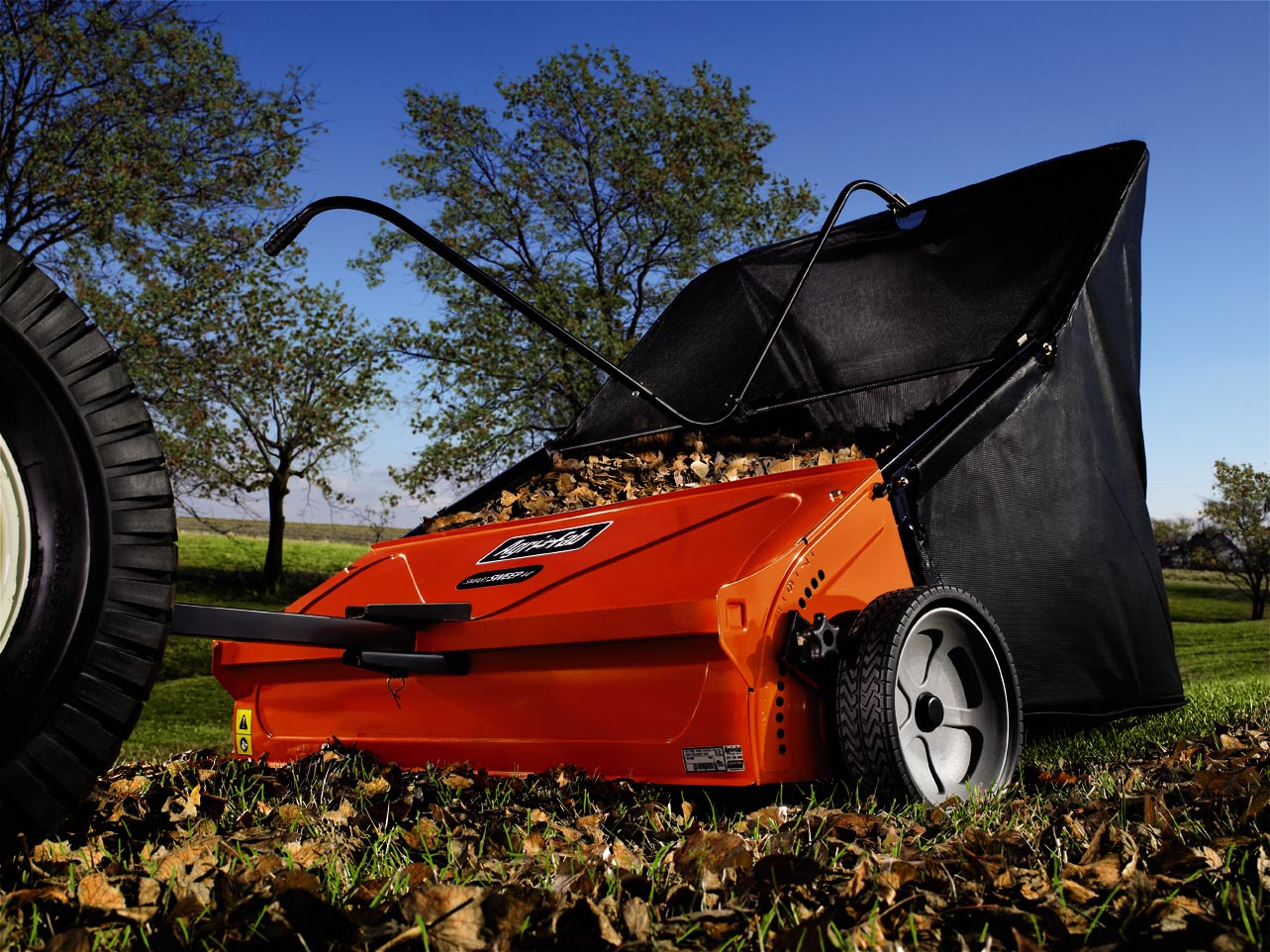
A lawn sweeper uses rotating brushes to lift debris from the lawn surface and deposit it into a collection hopper. The motion is mechanical, not suction-based, which makes sweepers especially effective for:
- Leaves
- Pine needles
- Grass clippings
- Seed pods and light acorns
Sweepers work best on dry lawns and excel after dethatching, aeration, or winter cleanup—when debris needs to be removed quickly without damaging turf.
Push vs Tow-Behind Sweepers: The First Decision
Before looking at specific models, it’s important to choose the right category.
Push Lawn Sweepers: Simple, Quiet, and Surprisingly Effective
Push sweepers are ideal for smaller yards where maneuverability matters more than speed.
They’re lightweight, require no engine or power source, and are especially appealing to homeowners who want a low-maintenance tool that’s always ready to go.
https://landscapeandleisure.com/agrifab-push-sweeperWell-reviewed models like the Scotts 26-inch Push Sweeper or Agri-Fab’s compact push sweepers handle light-to-moderate debris efficiently, particularly leaves and dry pine needles.
Push sweepers typically cost less than a single seasonal yard cleanup service.
Best for:
- Small yards
- Tight spaces
- Homeowners replacing raking, not mowing services
Tow-Behind Sweepers: When Speed and Capacity Matter
Tow-behind sweepers attach to riding mowers or lawn tractors and are designed for productivity.
With wide brush paths and large hoppers, models like the Agri-Fab 44-inch, Agri-Fab 52-inch, and Ohio Steel Pro Sweeper can clear an entire yard in a fraction of the time it takes to rake.
They’re particularly effective on:
- Large lawns
- Wooded properties
- Yards with heavy leaf or pine needle drop
One tow-behind sweeper can replace years of fall and spring cleanup labor.
The Best Lawn Sweepers for Spring (By Yard Size)
Best Overall Tow-Behind Sweeper
This model consistently earns high marks for reliability and performance. Its hopper size strikes a balance between capacity and maneuverability, making it ideal for most suburban and semi-rural properties.
Why it works:
- Strong brush-to-wheel ratio
- Easy height adjustment
- Good debris pickup even on uneven lawns
Best Heavy-Duty Sweeper for Large Properties
Ohio Steel 50-Inch Pro Sweeper
For homeowners managing large acreage, this is one of the most capable sweepers available. The steel construction and spiraled brushes handle dense debris efficiently.
Why it works:
- Large hopper reduces unloading stops
- Excellent durability
- Handles mixed debris well
Best Push Sweeper for Small Yards
Scotts Outdoor Power Tools 26-Inch Push Sweeper
Quiet, lightweight, and effective, this sweeper is well-suited for homeowners who want a simple alternative to raking.
Why it works:
- Easy to maneuver
- Low maintenance
- Stores easily
What to Look for When Buying a Lawn Sweeper
Beyond size, a few features make a noticeable difference:
- Brush-to-wheel ratio: Higher ratios improve pickup
- Hopper capacity: Larger hoppers save time
- Height adjustment: Crucial for pine needles and uneven lawns
- Dump mechanism: Rope-dump systems are more convenient
Matching these features to your yard’s conditions matters more than choosing the widest model available.
Using a Lawn Sweeper After Dethatching or Aeration
Sweepers truly shine after disruptive lawn work.
After dethatching or core aeration, lawns are often covered in organic debris that can smother new growth. Sweepers remove this material efficiently without damaging turf.
Many homeowners pair sweepers with tow-behind dethatchers or aerators, creating a streamlined spring renovation setup.
Is a Lawn Sweeper Worth the Investment?
For homeowners who routinely rake leaves, pine needles, or post-renovation debris, a lawn sweeper often pays for itself quickly.
Push sweepers replace hours of manual labor. Tow-behind sweepers can eliminate the need for professional cleanup services entirely.
Like dethatchers and aerators, sweepers are not used every week—but when needed, they dramatically simplify the work.
Final Thoughts
A lawn sweeper won’t replace every cleanup task, but for spring debris removal, it’s one of the most efficient tools available.
Choosing the right type—and the right size—can turn seasonal yard work from a drawn-out chore into a quick, satisfying routine. For homeowners planning spring purchases, sweepers are often one of the smartest investments you can make.