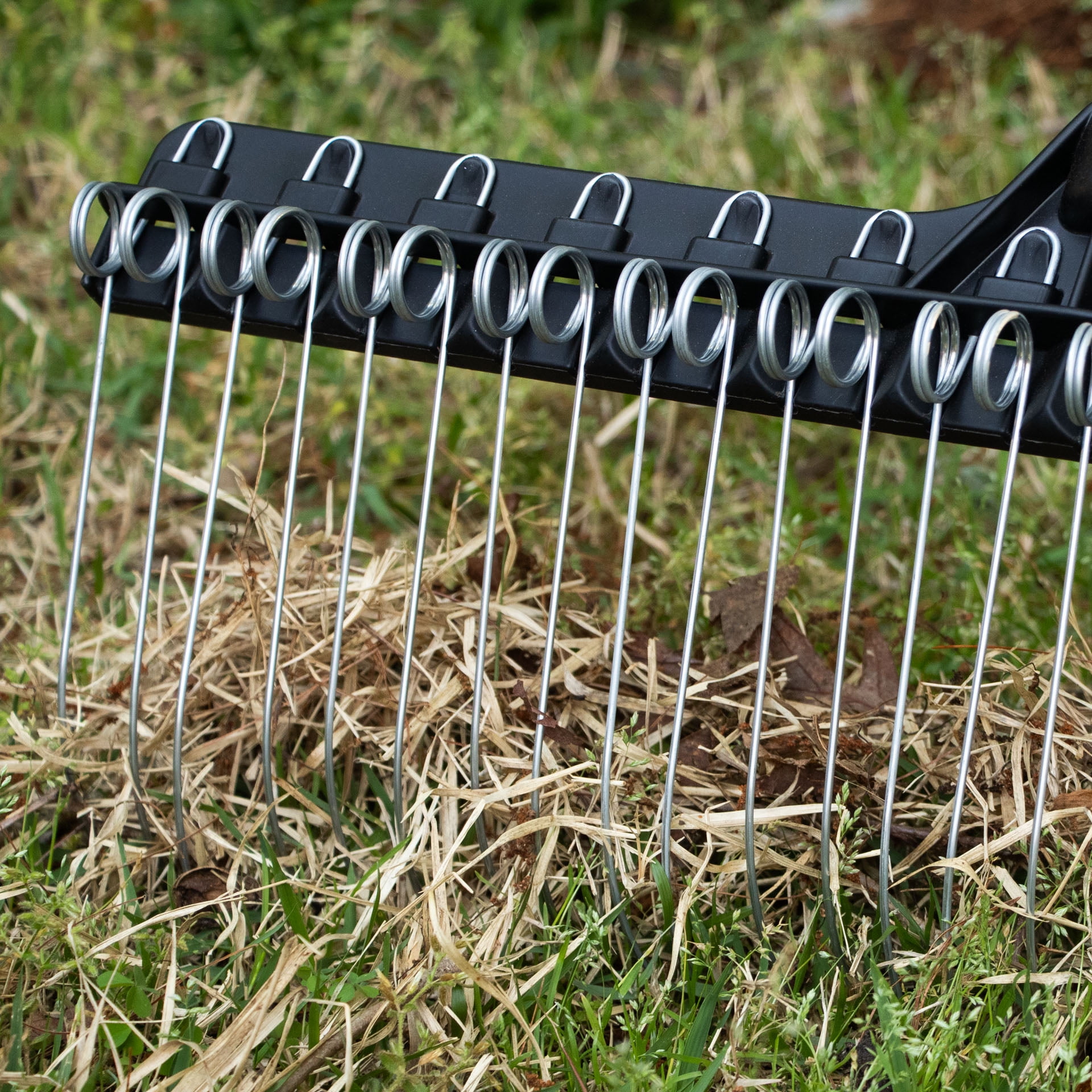
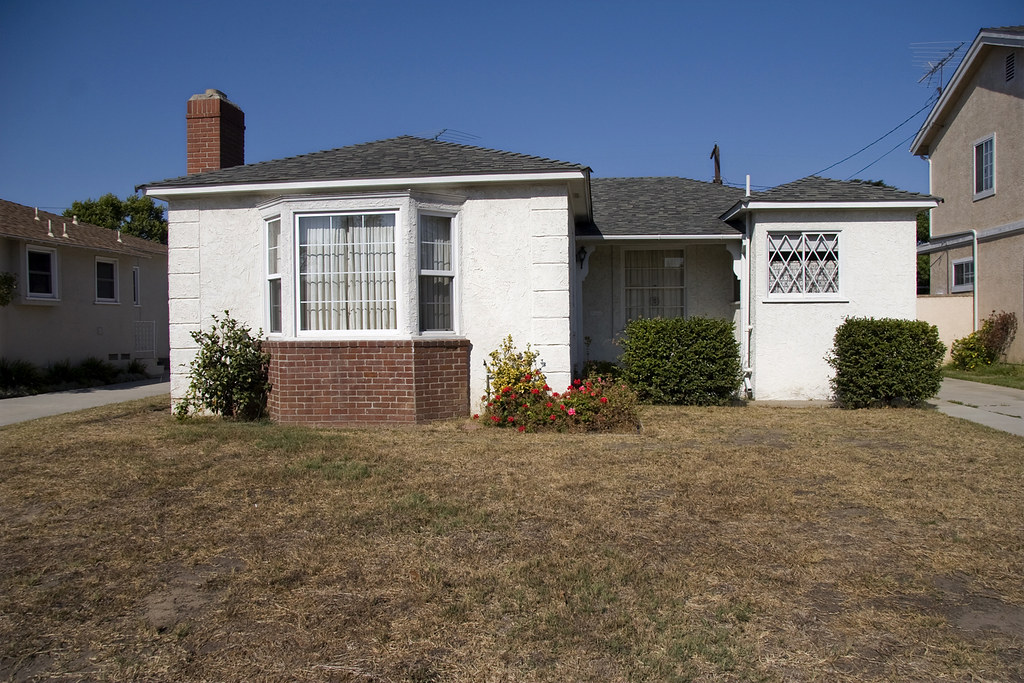
Dethatching is often marketed as a cure-all for tired lawns. But like most lawn care practices, timing and conditions matter more than the tool itself.
In the wrong situation, dethatching can do more harm than good—stressing grass, exposing soil, and setting the stage for weeds instead of recovery.
Knowing when not to dethatch is just as important as knowing when to do it.
If Your Lawn Has Little or No Thatch
Not every lawn develops a problematic thatch layer. Many cool-season lawns naturally decompose organic material at a healthy rate.
If your thatch layer is less than ½ inch thick:
- Dethatching won’t provide meaningful benefit
- You risk pulling up healthy grass
- Recovery may take longer than improvement
What to do instead:
Focus on proper mowing height, seasonal fertilization, and occasional aeration to support natural breakdown.
If Your Grass Is Dormant or Heat-Stressed
Dethatching requires grass to actively grow so it can repair itself.
Avoid dethatching when:
- Temperatures are consistently hot
- The lawn is drought-stressed
- Grass is dormant or semi-dormant
Warm-season lawns dethatched at the wrong time often thin out dramatically before recovering—if they recover at all.
What to do instead:
Wait for active growth. For cool-season grasses, early spring or early fall remains safest.
If You’re Dealing With Soil Compaction, Not Thatch
Many lawn problems blamed on thatch are actually caused by compacted soil.
Symptoms of compaction include:
- Hard soil that resists penetration
- Water runoff after rain
- Shallow root systems
Dethatching won’t fix these issues—and may make them worse by increasing stress.
What to do instead:
Core aeration allows water and air to reach roots without tearing up the surface.
If Your Lawn Is Already Thin or Weak
Dethatching removes organic material—and some living grass along with it.
On lawns that are already sparse, dethatching can:
- Expose bare soil
- Encourage weed germination
- Delay full recovery
What to do instead:
Overseed lightly and improve soil conditions before aggressive mechanical work.
If You’ve Recently Overseeded or Installed Sod
Young grass needs time to establish roots.
Dethatching too soon after:
- Overseeding
- Patch repair
- Sod installation
can undo weeks of progress in minutes.
What to do instead:
Allow at least one full growing season before considering dethatching.
If You’re Using the Wrong Tool
One of the most common mistakes homeowners make is confusing dethatchers with more aggressive tools.
Using:
- Power rakes
- Fixed-blade dethatchers
- Improper depth settings
on a lawn that only needs light maintenance can cause unnecessary damage.
What to do instead:
Use adjustable-depth electric dethatchers designed for residential lawns—or skip dethatching entirely.
Better Alternatives to Dethatching
In many cases, gentler practices deliver better results:
- Core aeration to relieve compaction
- Topdressing with compost to improve soil biology
- Regular mowing at proper height
- Seasonal fertilization to encourage microbial breakdown
These methods improve lawn health without the shock of aggressive mechanical removal.
A Simple Test Before You Dethatch
Before committing, try this:
- Cut a small wedge of turf
- Measure the thatch layer
- Check soil firmness
If thatch is thin and soil is compacted, dethatching is the wrong move.
Final Thoughts
Dethatching is a useful tool—but only when conditions are right. Skipping it when unnecessary protects your lawn, saves money, and often leads to better results long-term.
Healthy lawns come from informed decisions, not aggressive routines.