Mulch is one of the simplest upgrades a homeowner can make to improve curb appeal, suppress weeds, and retain soil moisture. But when it’s applied incorrectly, it can quietly do more harm than good. From suffocating roots to inviting disease, a few common mistakes can undermine everything you’re trying to achieve in your landscape beds.
Here are the most critical mulching mistakes—and how to correct them before they impact your plants.
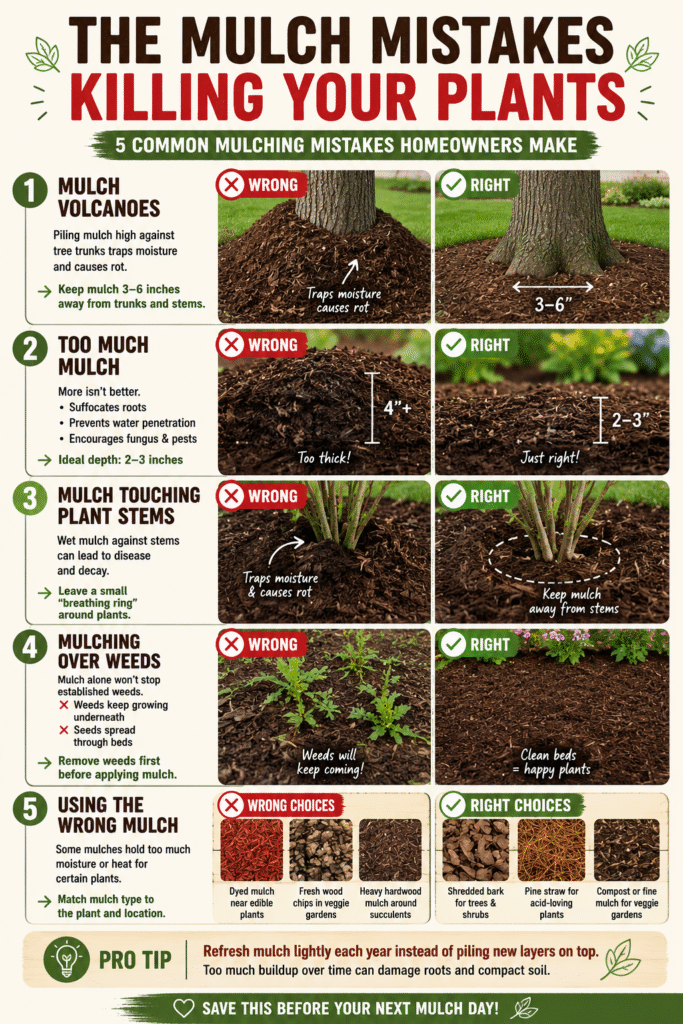
1. The “Mulch Volcano” Problem
One of the most common landscape mistakes is piling mulch high against tree trunks. While it may look neat, this “volcano” effect traps moisture around bark, encourages rot, and can eventually weaken or kill the tree.
Fix it: Keep mulch pulled back 3–6 inches from trunks and woody stems. The root flare should remain visible.
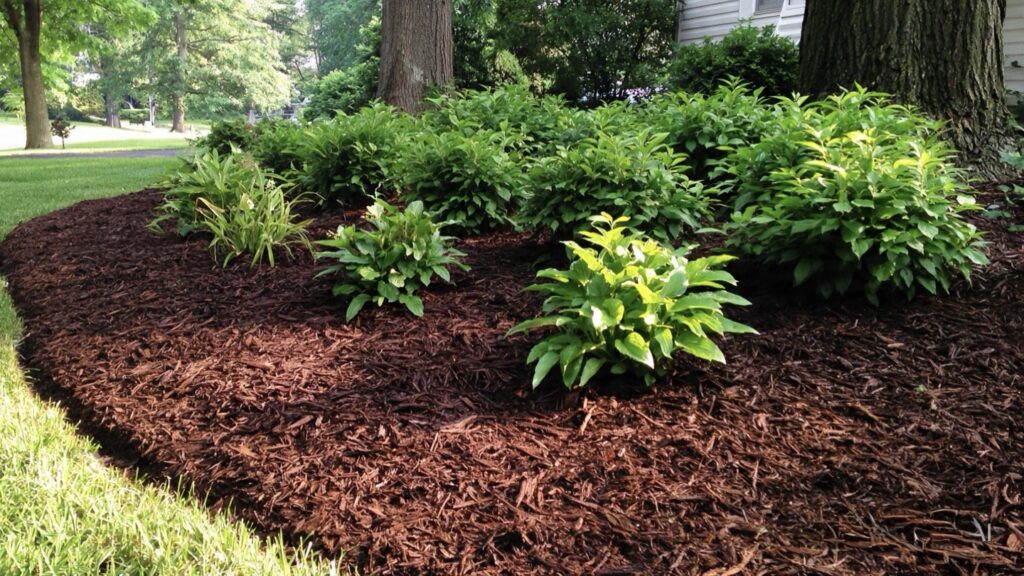
2. Applying Too Much Mulch
More mulch does not equal better protection. Layers thicker than 3 inches can prevent water from reaching roots and restrict oxygen flow in the soil.
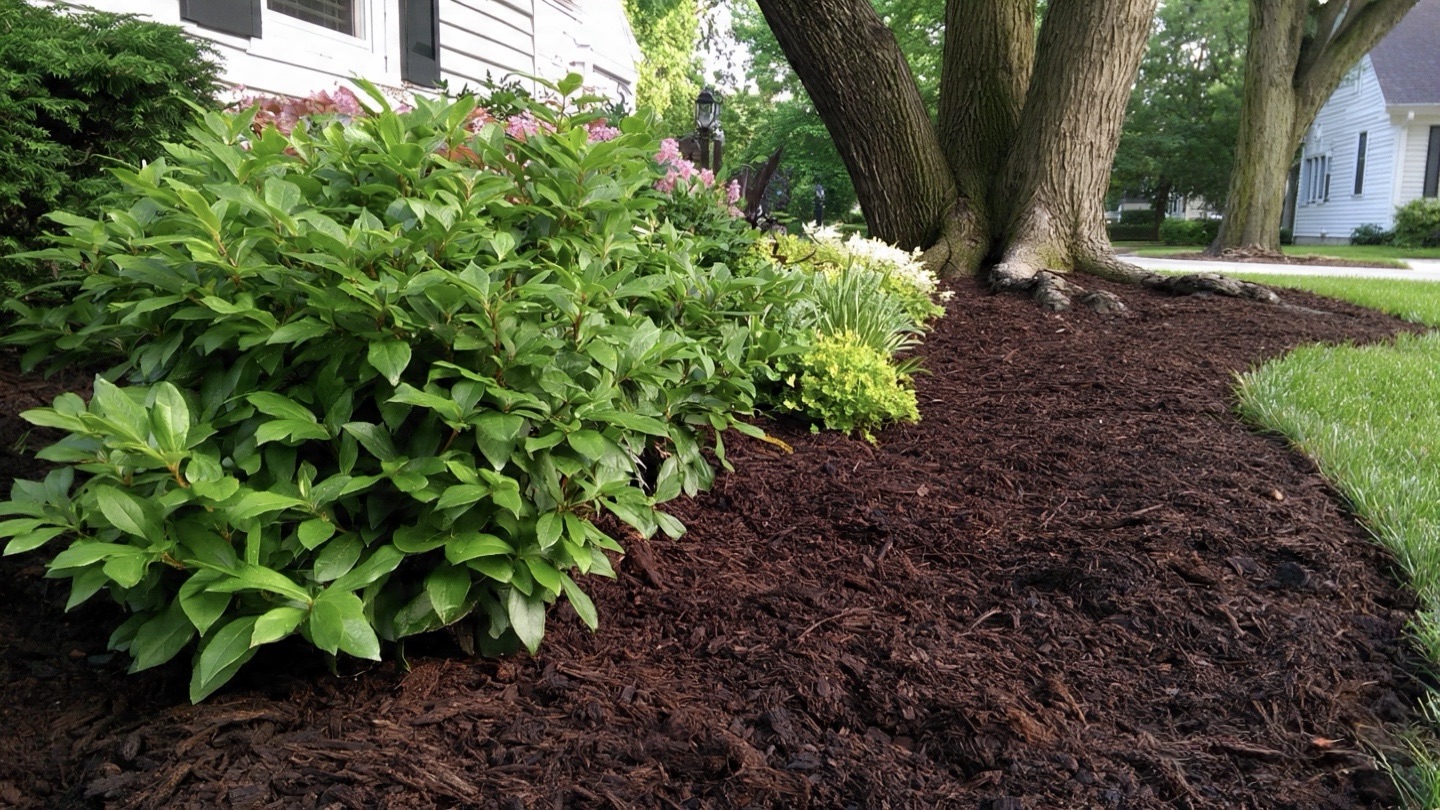
Fix it: Aim for a consistent 2–3 inch layer. If mulch builds up year after year, remove old layers before adding new material.
3. Mulch Touching Plant Stems
When mulch is pushed directly against plant stems, it creates a damp environment that encourages fungal disease, rot, and pest activity.
Fix it: Leave a small breathing ring around perennials, shrubs, and young plants.
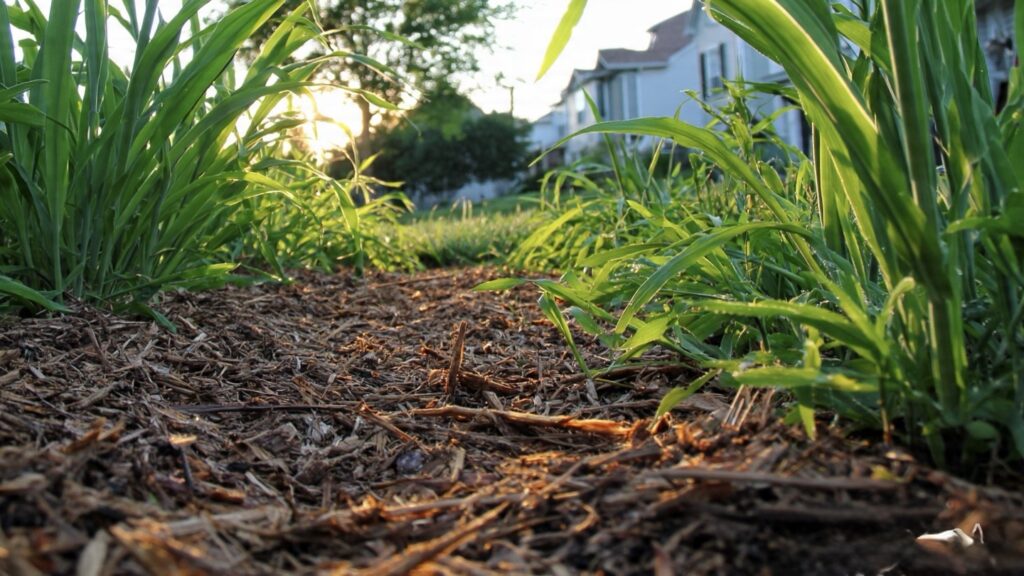
4. Mulching Over Existing Weeds
Mulch is not a weed killer. If weeds are already established, they will often push right through or thrive beneath fresh mulch.
Fix it: Always remove weeds completely before mulching. For stubborn areas, consider edging or a pre-emergent strategy.
5. Using the Wrong Type of Mulch
Not all mulch is created equal. Some materials retain too much moisture, while others break down too quickly or generate excessive heat depending on the plant environment.
Fix it: Match mulch to the setting:
- Fine mulch for garden beds
- Bark or hardwood for trees and shrubs
- Lightweight organic options for vegetable gardens
Pro Tip: Don’t Just “Top Off” Every Year
One of the most overlooked issues in landscaping is mulch buildup. Over time, repeated layering can raise bed levels too high and suffocate root zones.
Instead, lightly refresh mulch annually and remove excess buildup when needed.
Why This Matters
Healthy mulch practices do more than improve appearance—they regulate soil temperature, conserve moisture, reduce erosion, and support long-term plant health. Small adjustments in technique can dramatically improve landscape performance.