Landscape & Leisure is reader-supported. When you buy through links on our site, including Botanical Interests seed links, we may earn a commission at no extra cost to you. Prices change, so click through to confirm current pricing.
Perennial vegetables ask for something annuals never do: patience up front. You sow in late winter, you tend seedlings that look like nothing much, and the payoff arrives on a schedule the plant sets, not you. Get the timing right, though, and a single afternoon of seed starting buys you years of harvests.
Three seed-grown perennials suit a northern garden well, and they could not be more different in temperament. Asparagus is the long game. Artichoke is a warm-climate perennial you grow as an annual up north. Sorrel is the quick one, ready in 60 days and forgiving about it. Here is when to start each, how far apart to put them, and when you may finally pick.
| Plant | Start indoors | Direct sow? | Spacing | First harvest |
|---|---|---|---|---|
| Spartacus Asparagus | 12–14 weeks before last frost | Not recommended | Groups of 2 every 12″–18″, rows 18″–24″ | Third year, 6–8 weeks |
| Green Globe Improved Artichoke | 12 weeks before last frost (cold climates) | Not recommended (cold climates) | Groups of 3 every 4′, rows 6′ | First year, 3–5 buds |
| Common Sorrel | 4–6 weeks before last frost | Yes, 1–2 weeks before last frost | Groups of 3 every 8″, rows 24″ | 60 days |
Why Timing Matters More Than Technique
With annual vegetables, a late start costs you a few weeks. With perennials, a late start costs you a year, because the plant needs a full season to build the crown or root system that carries it through winter. Asparagus started too late in spring goes into its first winter small, and a small crown is a crown that may not come back.
That is why two of these three plants want to be started indoors in late winter, long before the garden looks ready. The work is not hard — a tray, a warm spot, a little patience — but the calendar is not flexible. Mark your average last frost date, count backward, and start when the count says to start, not when the weather feels like spring.
Asparagus from Seed: The Long Game
Spartacus is a 100% male hybrid, so it puts its energy into crowns rather than berries, and you will not find volunteer seedlings where you did not plant them. The spears grow 8″–10″ long, green with purple-tinged tips, and the plants are perennial in zones 3 to 10.
Start indoors, 12 to 14 weeks before your average last frost. Soak the seeds in water for 12 to 24 hours first — it hurries germination, which otherwise takes 2 to 8 weeks. Sow ½” deep, groups of 2 seeds every 12″–18″, and transplant only after all danger of frost has passed.

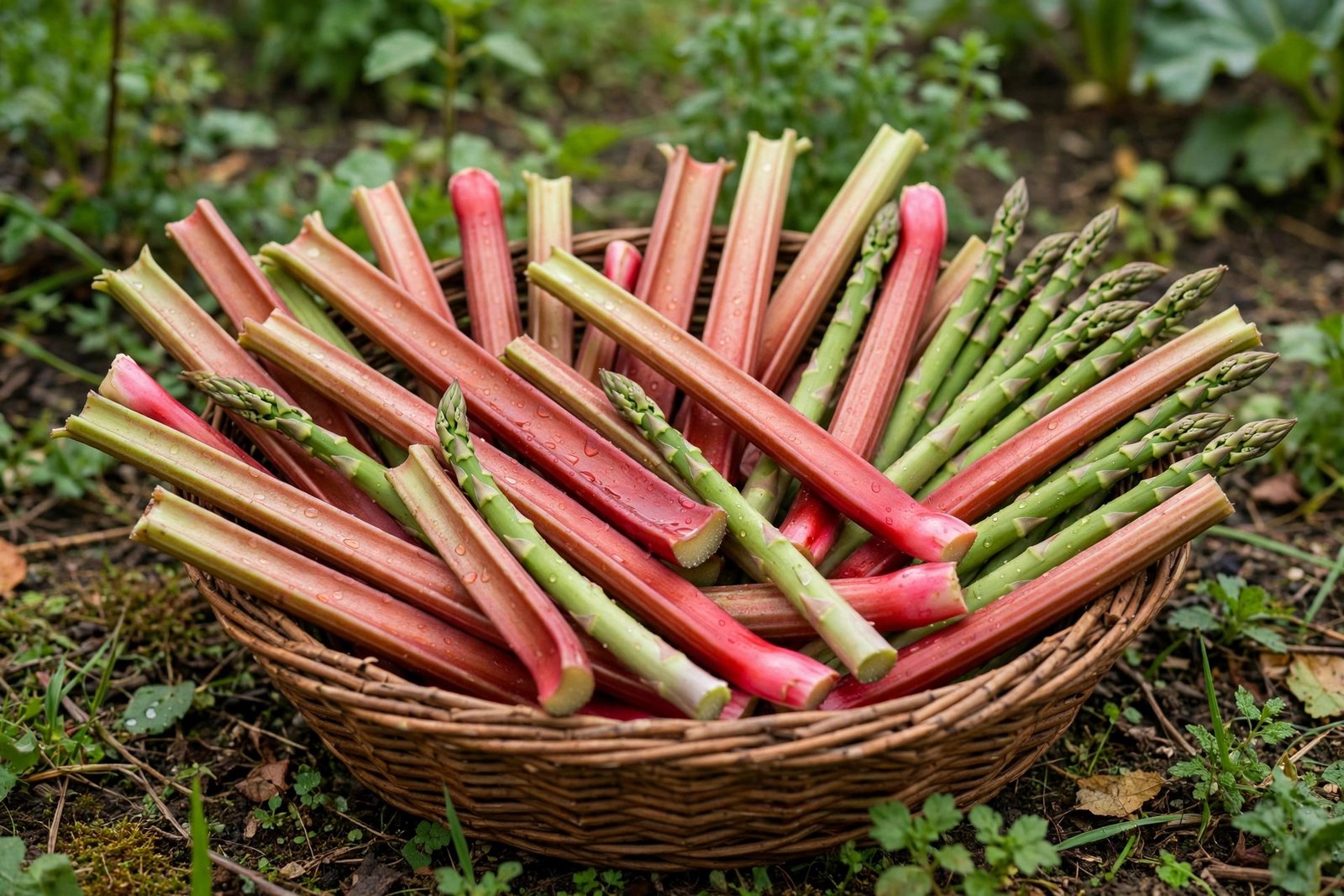
Do not harvest in year one or two. Real harvest begins in the third year. Then cut or snap the spears at ground level every 1 to 3 days, taking only the largest early in the season and only spears that are firm, straight, 8″–10″ tall, and about ½”–1″ across with tightly closed tips. Stop after 6 to 8 weeks and let the rest grow into ferns. Those ferns feed the crown for next year, and a bed treated this way can thrive for up to 12 years.
Spartacus Asparagus Seeds
Start indoors 12–14 weeks before last frost; harvest begins in year three and a well-kept bed lasts up to 12 years.
Artichoke from Seed: A Northern Annual in Disguise
Green Globe Improved is a handsome plant — tall, dark green buds with a slightly purple base, very few spines, heavy bearing — and it will give you 3 to 5 artichokes per plant in its first year. Just do not plant it expecting a perennial in Zone 4. It is perennial in zones 7 to 10, and in cold climates the honest way to grow it is as an annual.
Start indoors, 12 weeks before your average last spring frost, in 4″ biodegradable pots. Artichoke seed wants warm soil, 70°–80°F, to germinate in about 14 days, and the seedlings must be protected from frost. Transplant outside 4 weeks before your average last frost date, and give each plant room: groups of 3 seeds every 4′, thinned to one plant every 4′, with 6 feet between rows. One packet sows up to 18 feet, which is plenty.
Harvest buds while they are still tightly closed. Once a head begins to open, it turns tough. Cut the central bud first, with a sharp knife 2″ below the bud, and the side shoots will follow with smaller buds — a second harvest from the same plant, and a delicacy in their own right.
Green Globe Improved Artichoke Seeds
Start indoors 12 weeks before last frost in warm soil; 3–5 nearly spineless buds per plant in year one, grown as an annual in cold climates.
Sorrel from Seed: The Quick One
If asparagus tests your patience, sorrel restores it. Common sorrel is a perennial green for zones 3 to 7, with crinkled, arrow-shaped leaves and a lemony flavor that sits somewhere between spinach and a squeeze of lemon. It stays green even after frost, so the harvest season runs for many months.
Direct sow if you can. Sow ⅛” deep, 1 to 2 weeks before your average last frost, when the soil is at least 50°F — or sow in late fall for early spring germination. Groups of 3 seeds every 8″, rows 24″ apart, thinned to one plant every 8″ when seedlings are 2″ tall. Germination takes 5 to 10 days. If you prefer to start indoors, sow 4 to 6 weeks before last frost in soil of 68°–86°F.
Pick the young outer leaves, and pick often. Regular picking encourages new, tender growth, even when you do not need the leaves that day. A plant left unpicked turns tough and less pleasant, which is sorrel’s only real complaint. One packet sows up to 90 feet, so plant a short row first and see how much lemon your kitchen actually wants.
Common Sorrel Seeds
Direct sow before last frost for lemony leaves in 60 days, hardy to Zone 3, and still green after frost.
Starting Indoors: The Tray That Earns Its Keep
Two of these three plants need a warm indoor start, and a sturdy cell tray makes that start much less fiddly. Sow asparagus and artichoke in individual cells, keep the soil warm — artichoke wants 70°–80°F — and move the seedlings out only when the timing above says they are ready. A tray with a bottom that holds water evenly beats a tray that dries out at the edges, which is where seedlings usually fail first.
Epic 6-Cell Seed Starting Trays
Sturdy cells for the long indoor starts asparagus and artichoke demand, with even watering while seedlings wait for spring.
For the general indoor-starting routine — lights, warmth, and hardening off — see How to Start Seeds Indoors: A Beginner’s Guide.
What About Rhubarb?
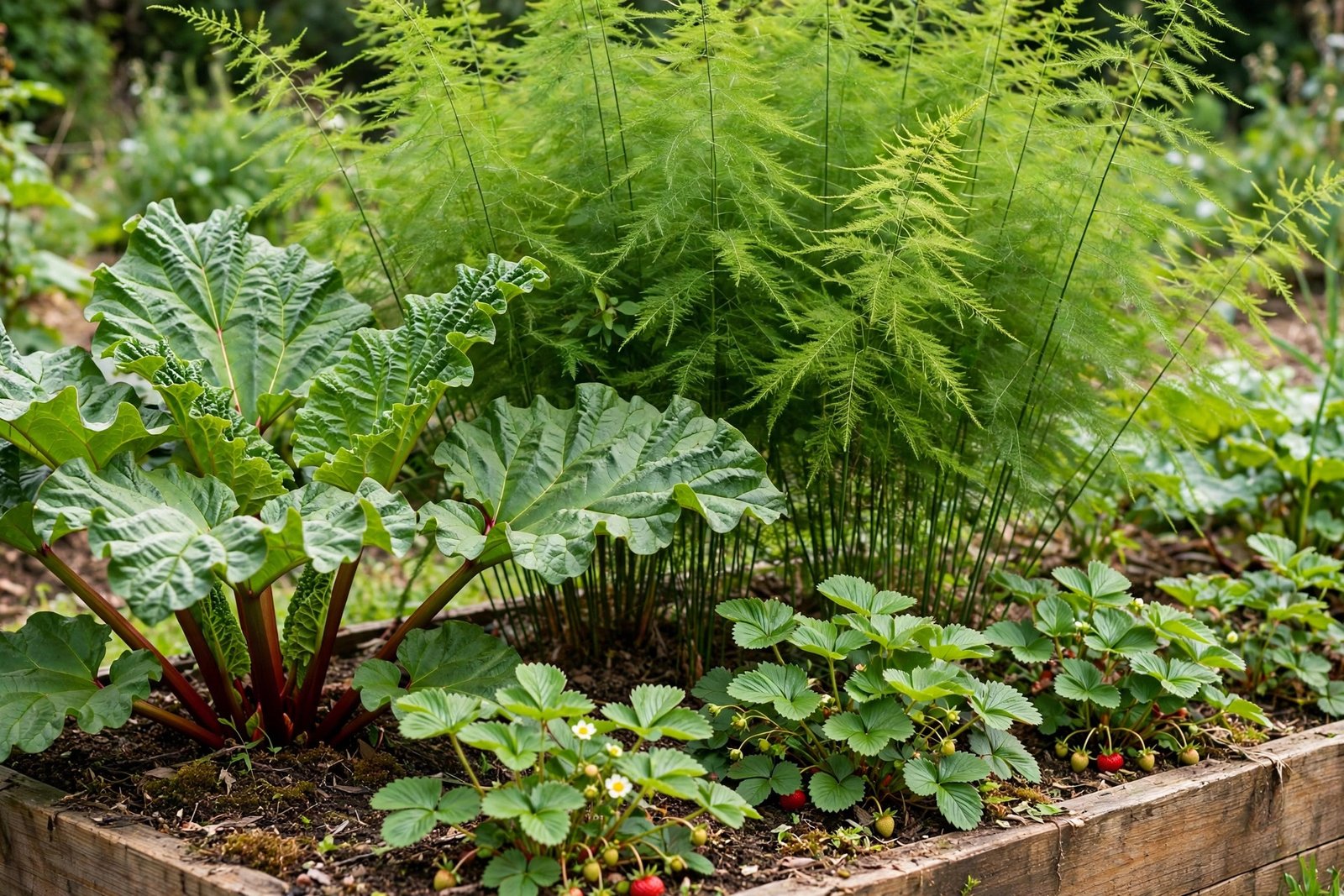
Rhubarb is the perennial most northern gardeners picture first, and it is the one perennial here that does not start well from seed. Seed-grown rhubarb varies from its parent and takes longer to amount to anything, which is why gardeners plant divisions or crowns instead: the same plant, the same stalks, sooner. Plant divisions in spring, give them rich soil and room, and harvest the stalks only — the leaves are not food.
That is the whole rhubarb lesson, and it is worth learning before you spend a season on seed. Some perennials reward a packet. Rhubarb rewards a shovel and a neighbor with a crown to spare.
What to Watch Next
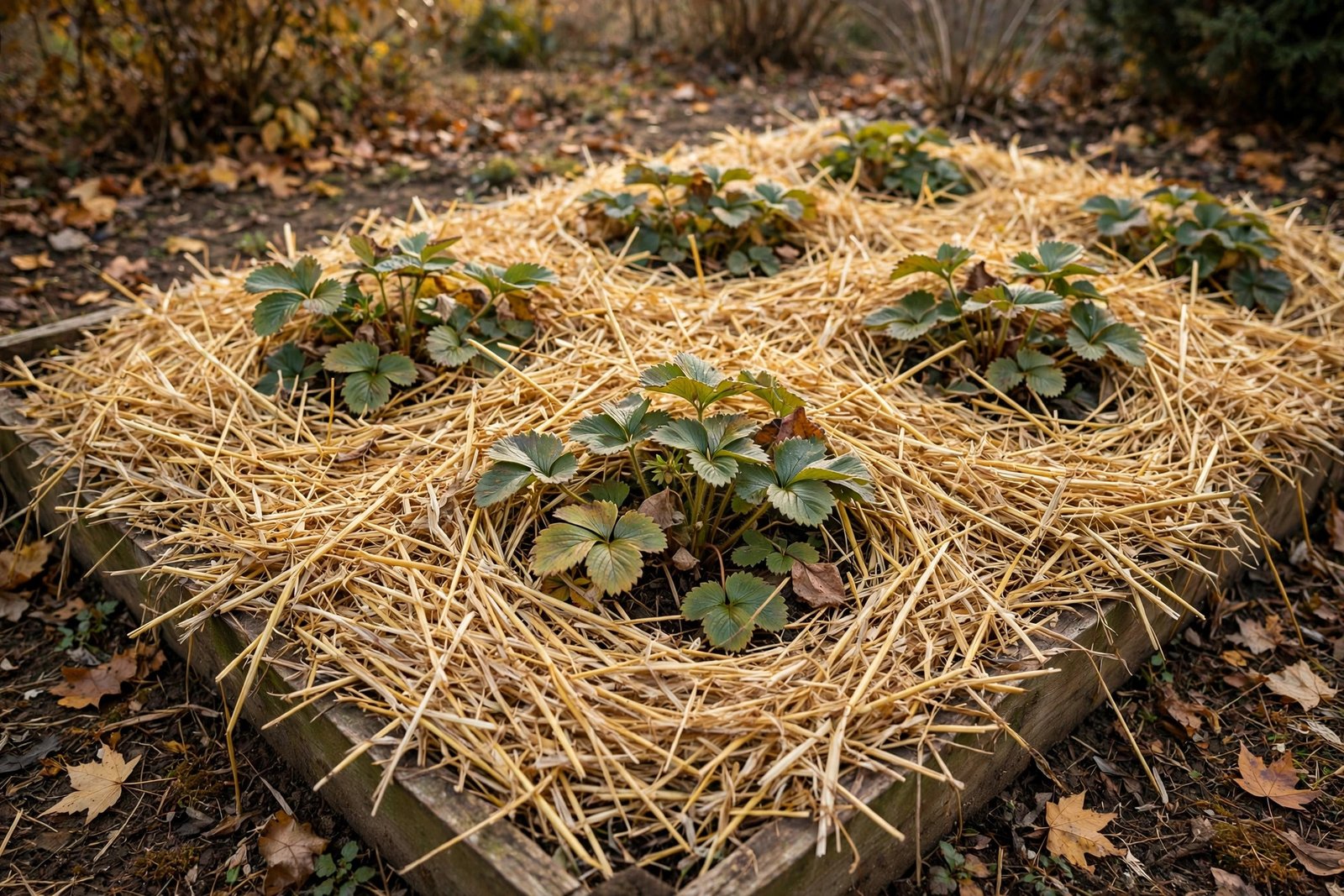
The mistake that undoes a perennial bed is impatience in year one: harvesting asparagus too soon, letting sorrel go unpicked until it toughens, or leaving artichoke seedlings out in a frost they cannot take. Give each plant the start its packet asks for, and the bed will do the rest. For the full roundup of which perennials earn a northern bed in the first place, see Best Perennial Edibles for Northern Gardens, and for how to tuck the fruiting perennials in for winter, see Cold Frame vs Straw for Strawberries: Winter Protection in Zone 4.