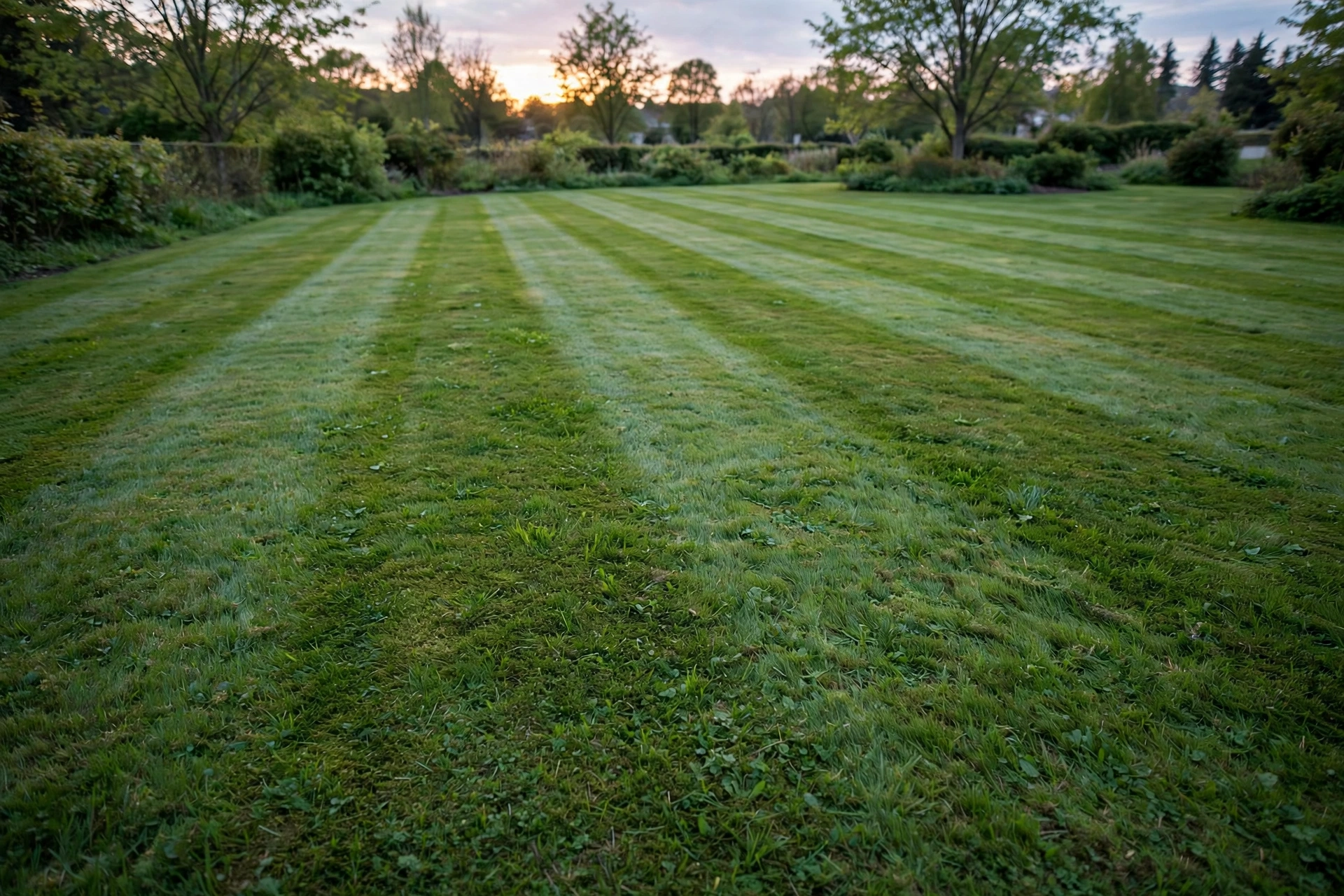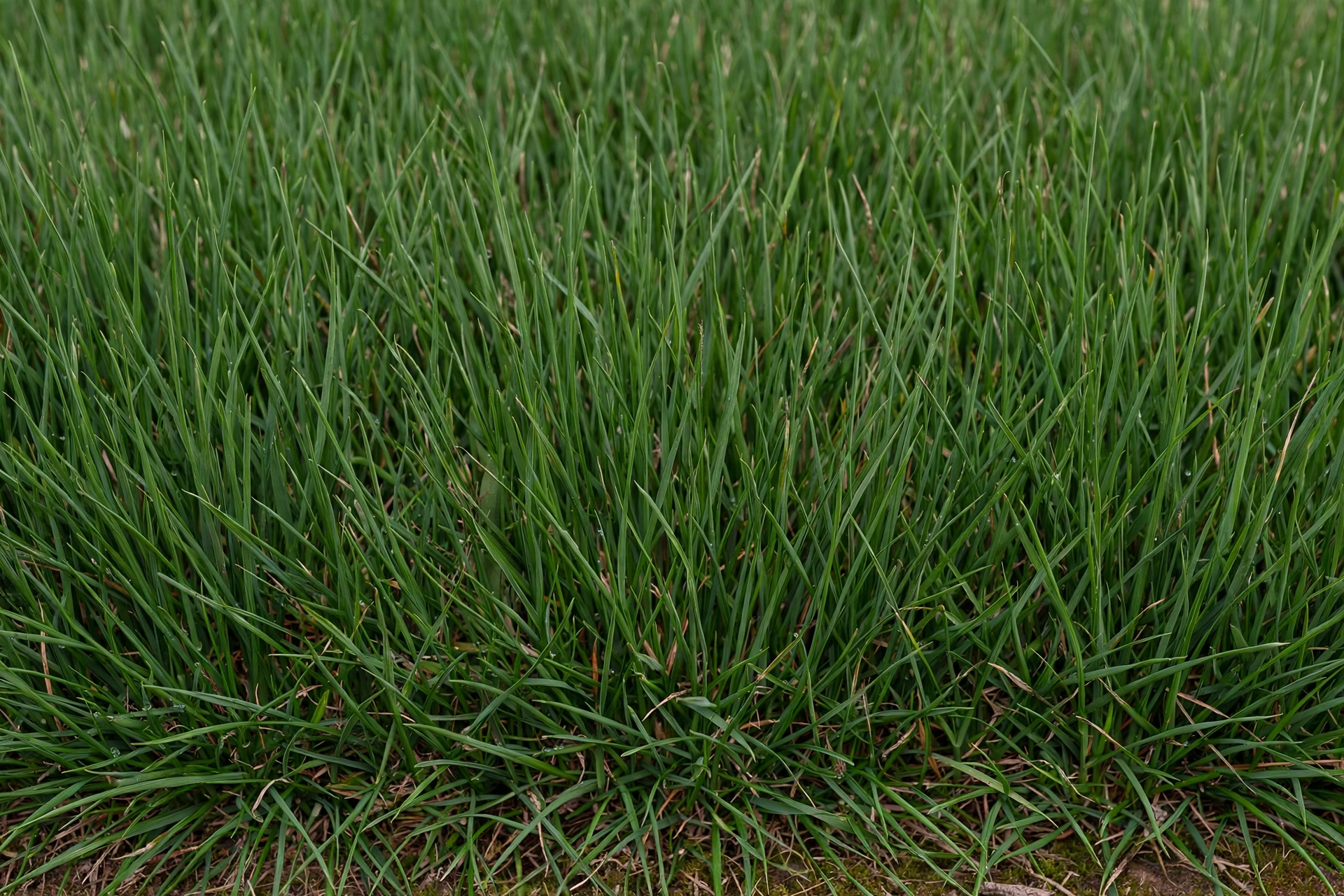
You are standing in the seed aisle with two bags in the cart and no idea whether that is half enough or twice too much. This calculator settles it for next fall — type in your lawn size, say whether you are starting fresh or thickening what you have, and it gives you the pounds to buy.
The seeding rate is simply how many pounds of seed go down per 1,000 square feet. For a new lawn in the transition zone, that number is 5 to 6 pounds. If your lawn is farther north, the rates are different — the grass-seed calculator uses the University of Minnesota table for cool-season lawns up there.
How much seed do you need?
Measure the area you plan to seed. A rectangle is length times width; an odd-shaped lawn is easier in pieces — measure each piece and add them up.
Overseed means spreading seed over a lawn that is already growing, to fill thin spots.
Only if you want a bag count. Leave it blank and you will just get pounds.
How the math works
The calculator takes your lawn size and works out how many 1,000-square-foot pieces it holds. Then it multiplies by the rate for your job: 5 to 6 pounds per piece for a new lawn, and half that — 2.5 to 3 pounds — for overseeding, which is the usual rule of thumb for thickening an existing lawn.
It gives you a range, not one number, so you can see the low end and the high end before you shop. Tall fescue seed usually sprouts in 10 to 21 days, as long as the soil stays moist and the weather is right — air between 68 and 77 degrees, soil above 60.
Worked examples
| Job | Pounds per 1,000 sq ft |
|---|---|
| New lawn | 5–6 |
| Overseed | 2.5–3 (general rule of thumb) |
A 5,000-square-foot new lawn needs 25 to 30 pounds of seed. The same 5,000 square feet, overseeded instead, needs 12.5 to 15 pounds. A 1,000-square-foot patch, seeded fresh, needs 5 to 6 pounds.
Fall is the best time to seed tall fescue, so plan on next fall: get the seed down by mid-October, because after that, slow germination gets much likelier. Spring seeding is the weak option — grass started in spring is more likely to struggle with summer heat, drought, and weeds, and it often does not last the year. Plan on waiting 10 to 21 days to see sprouts, with the soil kept moist the whole time.
What to do with the number
Run a core aerator over the lawn first — it pulls small plugs of soil out, and the holes catch seed and hold moisture. Then spread the seed, keep the soil moist until it sprouts, and hold off weed killer until the new grass has filled in thick.
Once it is up and growing, cut it at the right height for tall fescue — the mowing heights table has the number.
What it doesn’t tell you
This covers tall fescue in the transition zone only — not warm-season grasses, Kentucky bluegrass, or fine fescues, which seed at different rates — and it doesn’t set your spreader, price your seed, or know your soil and weather. If your seed is coated, go by the rate printed on the bag, since the coating adds weight that isn’t seed.
Sources
NC State Extension, TurfFiles, “Time for Fall Seeding of Tall Fescue” — https://www.turffiles.ncsu.edu/news/time-for-fall-seeding-of-tall-fescue/ — fetched November 5, 2026. The overseed rate of 2.5 to 3 pounds is a general rule of thumb — half the new-lawn rate — not a figure from the NC State page.