The hose is coiled, the spigot is off, and then a dry, windy January settles in with no snow on the ground and no rain in the forecast — and the lawn, brown and quiet as it looks, starts asking a question most of us never think to ask it in winter.
The short answer is that a dormant lawn rarely needs watering, but “rarely” is doing real work in that sentence. A long dry stretch with wind and bare, unfrozen ground can dry out the crowns of the grass — the living heart of the plant at the soil surface — and crowns that desiccate in February do not green up in April. Knowing which winter you are having is the whole skill.
Why a dormant lawn can still go thirsty
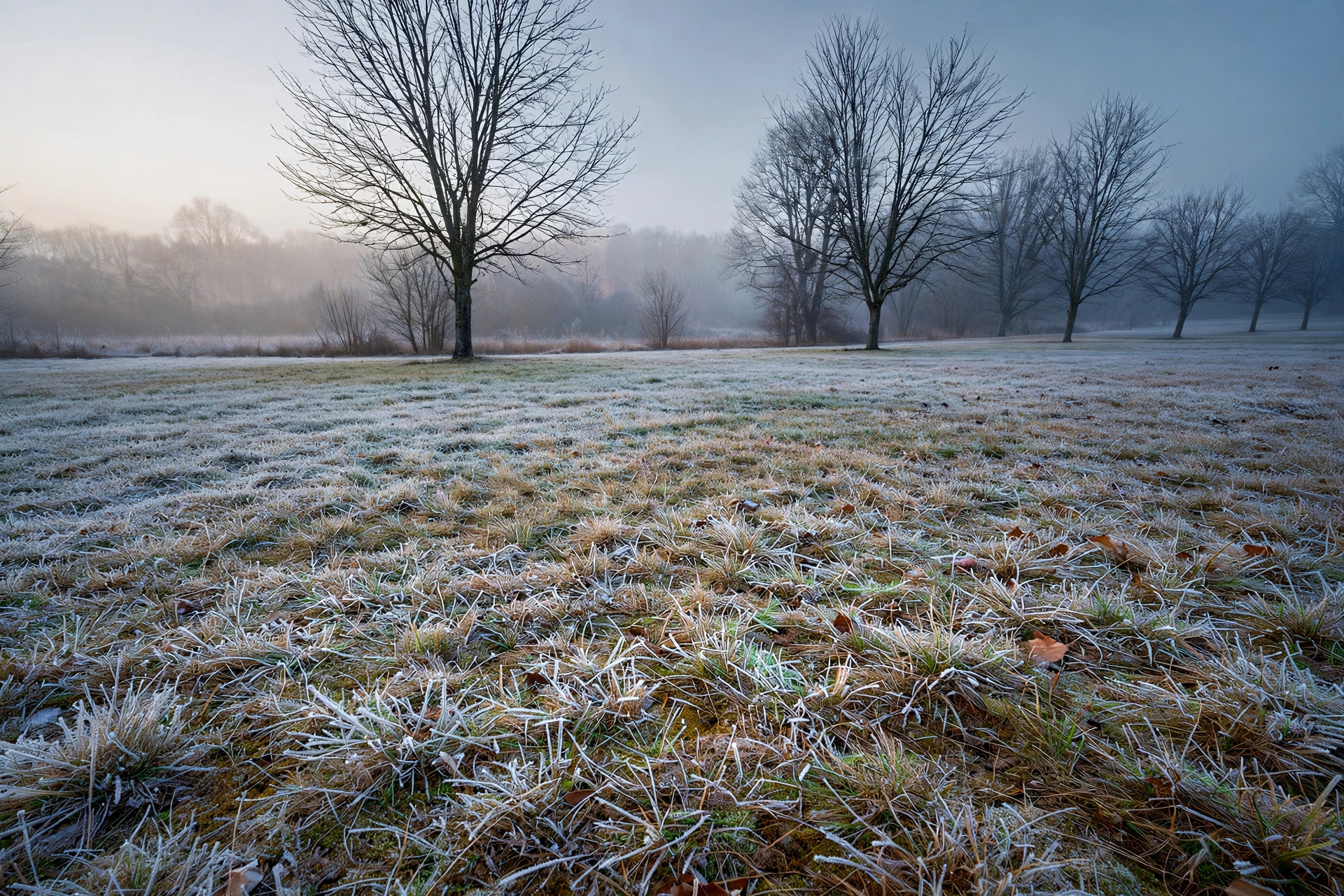
Dormancy stops growth, not water loss. On bare ground, winter wind pulls moisture from the soil surface day after day, and freeze-thaw cycles lift and expose roots and crowns. Snow cover is the lawn’s protection — it insulates and it melts into slow, even moisture — which is why the risky winter is not the cold one but the open one: cold, dry, windy, and snowless for weeks at a time. Lawns on sandy soil and lawns planted this past fall are the most vulnerable, because new roots are shallow and sandy soil holds little reserve.
When winter watering is worth doing
Water when the dry spell runs long. If the ground has been bare and unfrozen for several weeks with no rain or snow, and the forecast offers none, a deep watering is cheap insurance. Lawns in the dry-winter plains and Mountain West need this most; a lawn under reliable snow cover almost never does.
Water the new lawn. Sod and seed planted in fall are still rooting, and their crowns sit close to the surface. Give new plantings priority on any winter watering day.
Water warm-season lawns lightly in a rainless winter. Dormant bermuda and zoysia do not want a summer soaking, but in a winter with almost no rain, an occasional watering keeps crowns from drying out. The same logic, and the gallons behind it, are worked out in our lawn watering volume calculator.
How to water a lawn in winter without hurting it
Choose a mild midday. Water late morning to midday, when temperatures are above freezing and will stay there for a few hours, so the water soaks in instead of sheeting into ice. Never water frozen ground — it cannot absorb anything, and the runoff freezes where it lands.
Water deeply, once. Aim for the kind of deep soaking a lawn gets in the growing season, in a single application, rather than a daily sprinkle. Our sprinkler catch-can calculator will tell you how fast your sprinkler actually delivers that depth, which in winter usually means a shorter run than you expect on cold, already-cool soil.
Disconnect and drain afterward. The hose comes off the spigot the same day, every time. A hose left attached through a hard freeze is how spigots and pipes split, and that repair costs more than any lawn.
The afternoon that tells you
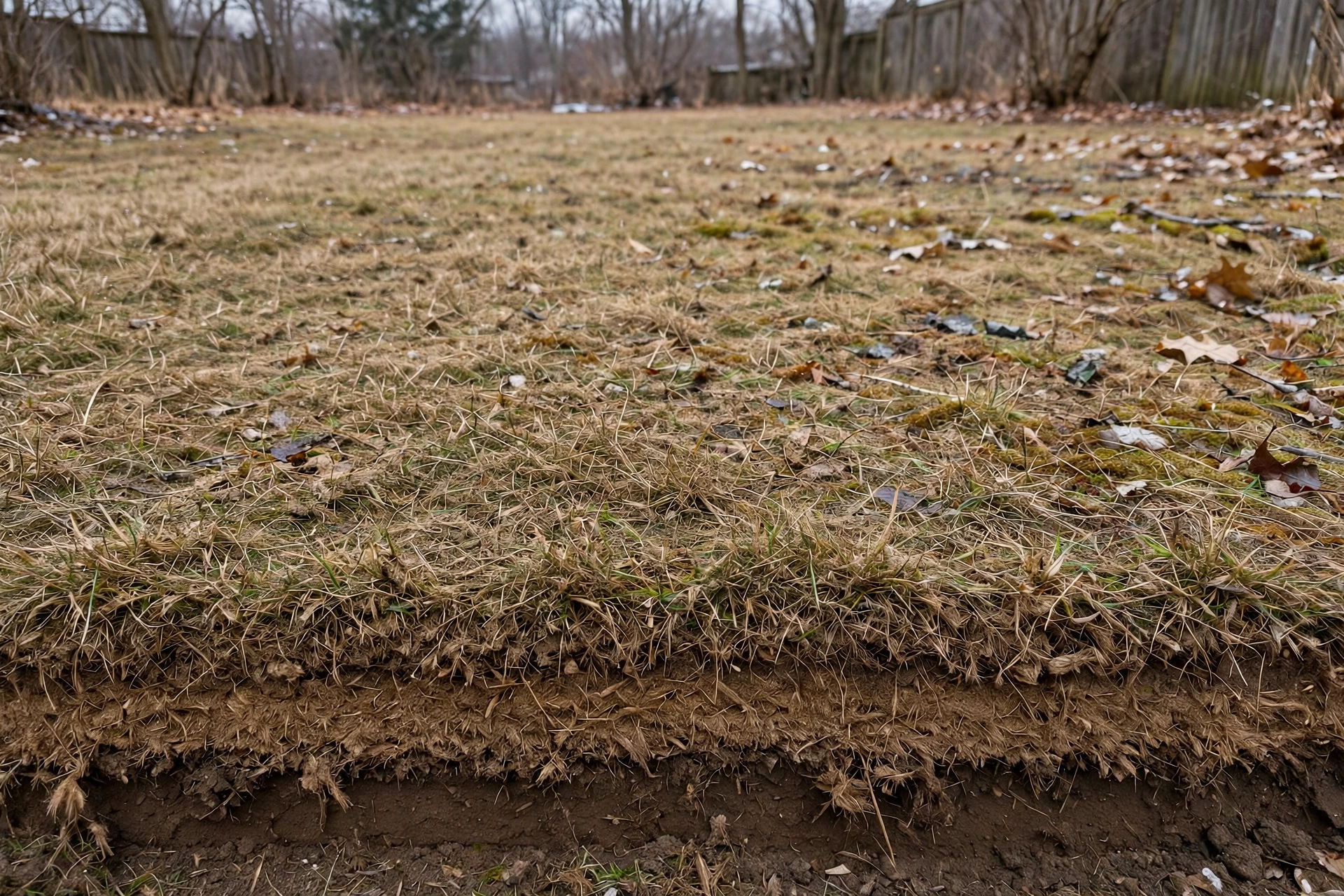
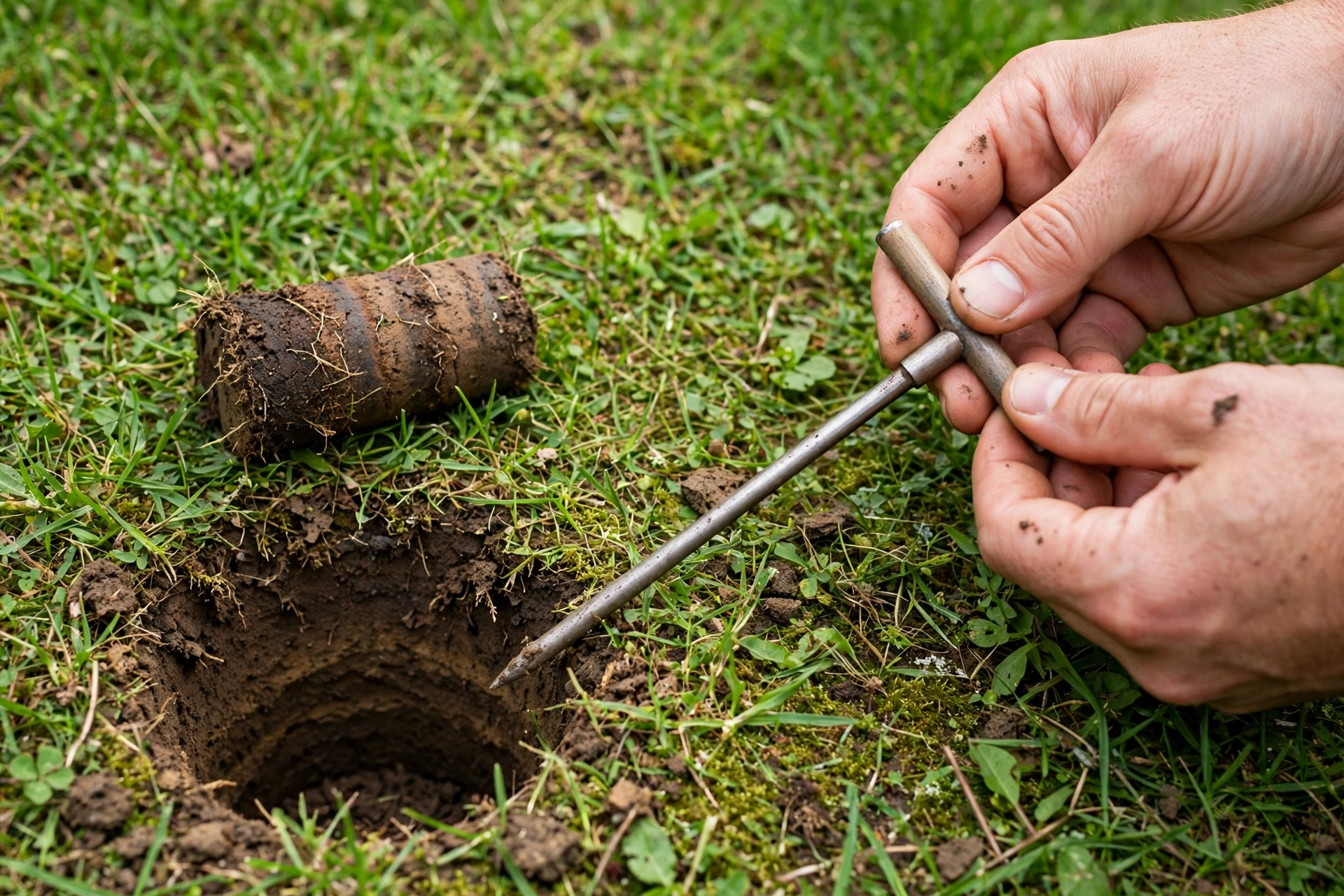
There is a particular look to a lawn that needs winter water: on a bright, windy afternoon the dormant grass sounds brittle underfoot, the soil surface is pale and dusty in the bare spots, and the south-facing slope — the one that thaws first every day — looks thinner than the rest. That slope is your canary. If it is dusty-dry an inch down when you push a screwdriver in, the lawn will take a watering gratefully.
Bottom line
Under snow, leave the lawn alone. In a long, bare, windy dry spell, water once, deeply, at midday on an unfrozen day — new lawns and south slopes first — and then put the hose away again. Winter watering is not a schedule; it is an answer to a specific kind of winter, and most winters never ask.