Landscape & Leisure is reader-supported. When you buy through links on our site, including Botanical Interests seed links, we may earn a commission at no extra cost to you. Prices change, so click through to confirm current pricing.
A tight green bud, no bigger than a lime, scales still folded hard against each other — that is what 150 days of patience buys, and it starts with a seed the size of a sunflower’s smaller cousin. Everything about growing an artichoke is in that bud. Get the timing right and it forms. Miss the cold cue and the plant gives you handsome leaves instead.
The stakes are simple. Artichokes ask for the earliest start on your spring bench and the most room in your summer bed, so a failed season costs more than a failed row of radishes. This guide lays out the full run — the indoor start, the vernalization that coaxes first-year buds, the spacing, and the harvest — so the one variety worth growing, Green Globe Improved in our artichoke roundup, gets the season it needs. Whether to run it as an annual or a perennial where you live is settled in our annuals vs. perennials comparison.
Start Indoors, and Start Early
Sow 12 weeks before your average last spring frost. Botanical Interests recommends 4-inch biodegradable pots for the indoor start, because artichoke seedlings resent root disturbance and the whole pot can go into the ground at transplant time.
Keep the soil at 70° to 80°F. At that temperature the seed emerges in about 14 days. Sow a group of three seeds per spot, ⅛ to ¼ inch deep, and thin to the single strongest seedling once they are up — crowded artichoke starts never catch up.
The seedlings grow on under bright light for the full indoor stretch. A leggy, pale start is the most common reason this crop disappoints, and it happens on dim windowsills in February; our beginner’s guide to starting seeds indoors covers the light setup that prevents it.
| Step | Timing | The numbers |
|---|---|---|
| Sow indoors | 12 weeks before last frost | ⅛–¼” deep, 3 seeds per pot |
| Germination | About 14 days | Soil 70°–80°F |
| Vernalize | At 4–6 leaves, about 6–8 weeks old | 45°–50°F for at least 10 days |
| Transplant (cold climates) | 4 weeks before last frost | Thin to 1 every 4′, rows 6′ apart |
| Harvest | 150–180 days from seed | Cut 2″ below a tightly closed bud |
Vernalization: The Cold Spell That Makes Buds
An artichoke is built to bud in its second year, after a winter. To get buds in the first year — the only way this crop works where winters kill the plant — the seedling needs to believe winter already happened.
University of Maine Cooperative Extension puts the general requirement at 250 to 500 hours below 50°F, and its recommended method is plain: expose seedlings at the 4-to-6-leaf stage, roughly 6 to 8 weeks old, to 45° to 50°F for at least 10 days. A cold frame, an unheated porch in early spring, or transplanting out into cool spring weather can all deliver it.
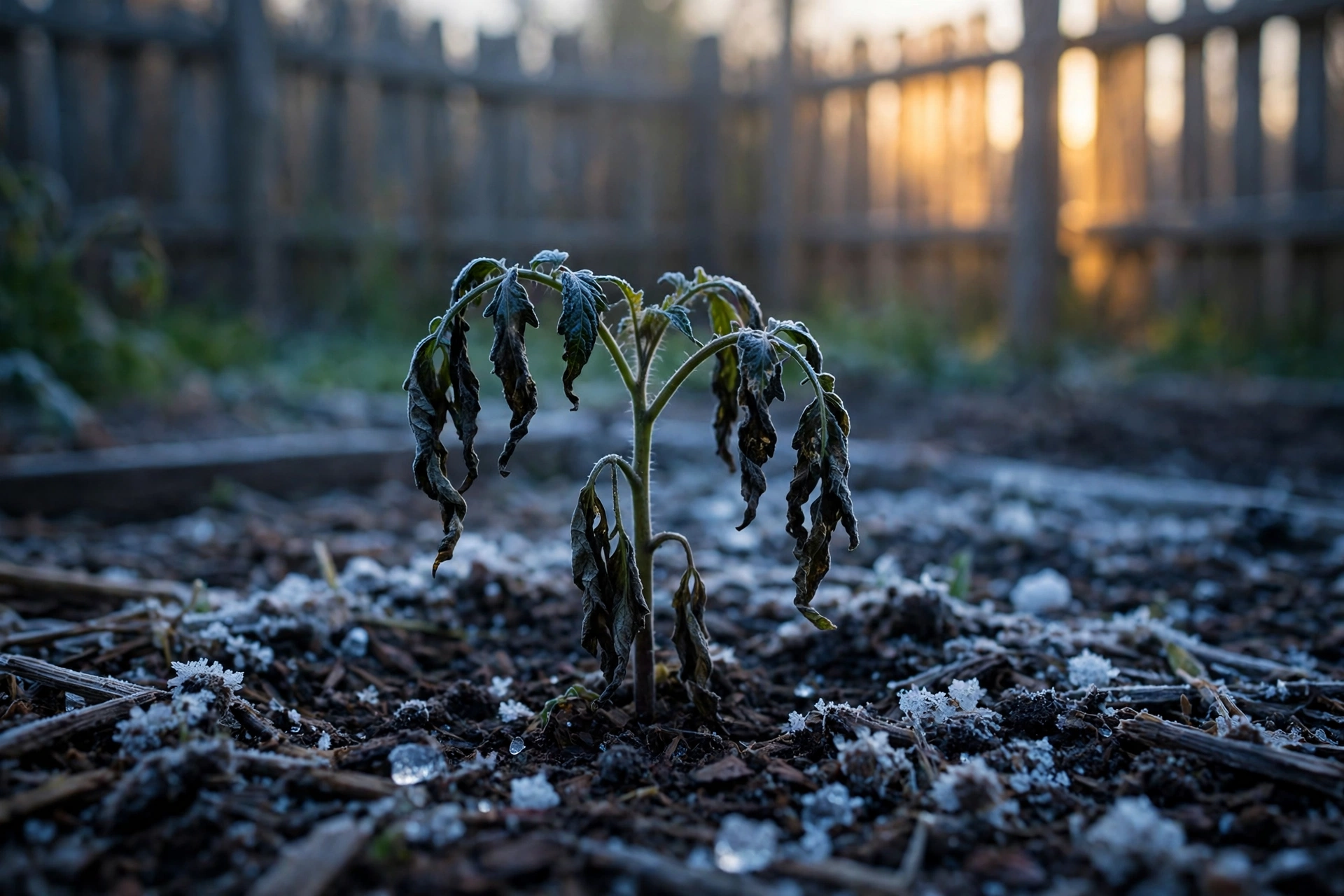
Botanical Interests’ own transplant timing for cold climates — outside four weeks before the last frost, with protection from hard frost — lines up with that logic: the young plants sit in cool spring air and collect their chill hours in the ground. Skip this step entirely and even a healthy plant may finish the season as foliage. Beautiful foliage. No dinner.
Spacing: Give It the Four Feet
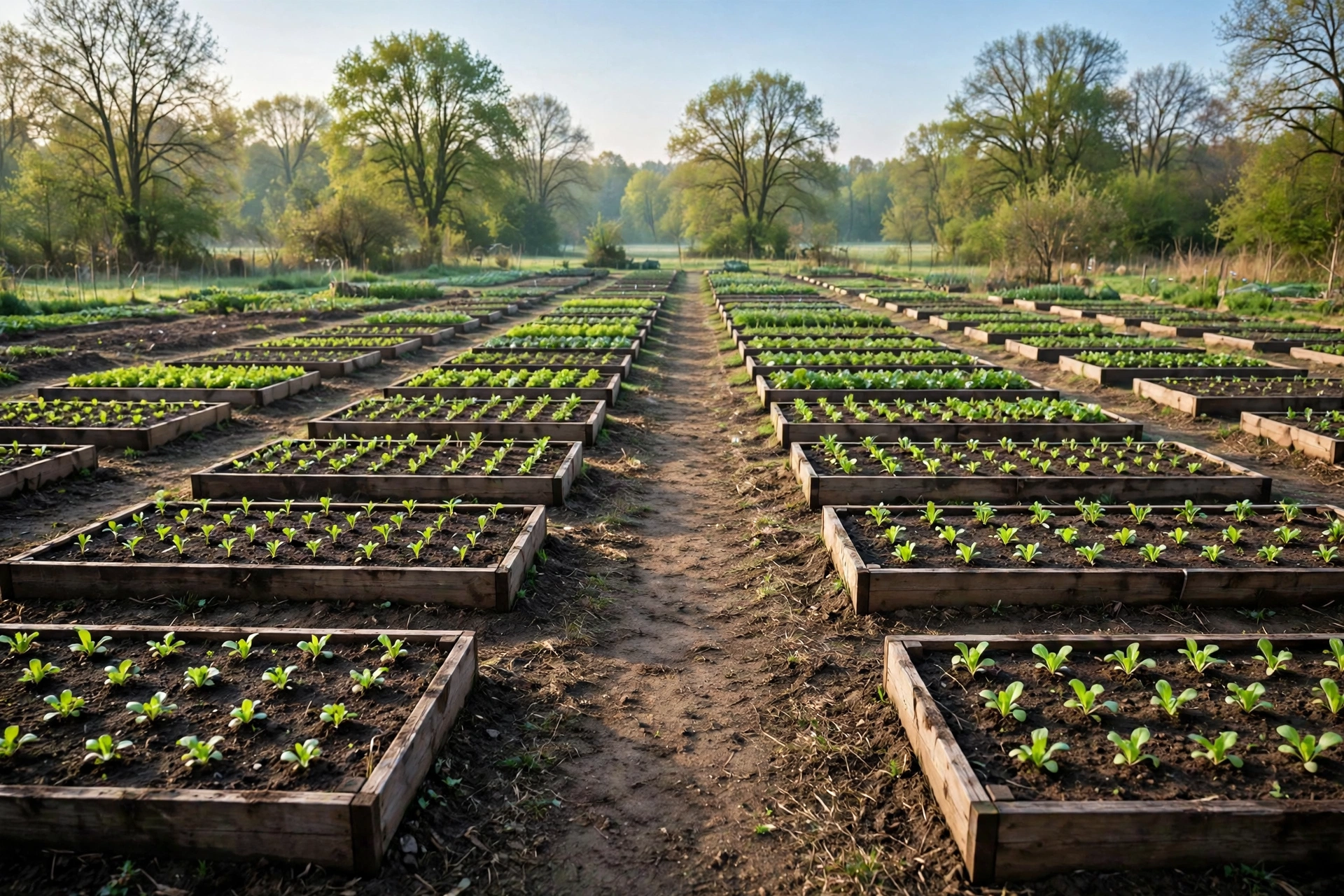
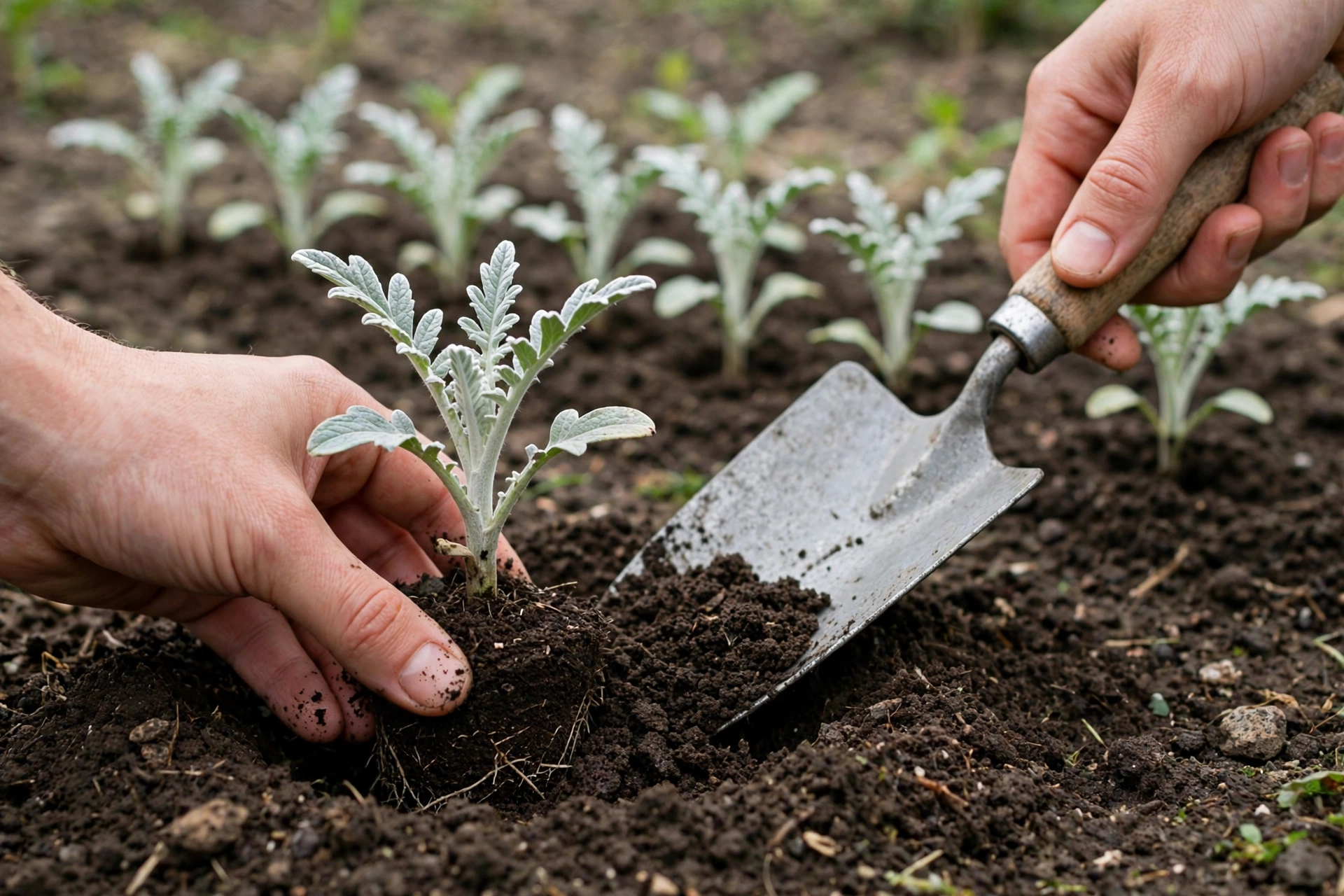
Thin to one plant every 4 feet, in rows 6 feet apart. That sounds extravagant in April, when the transplant is a hand-span of silver leaves. By August the plant is a fountain of foliage taller than your waist, and the April spacing reads as barely enough.
Feed the ground before you plant. The packet’s own guidance is plenty of room and fertile soil, and a plant asked to build that much leaf and then a bud repays compost worked into the planting hole. Full sun is not negotiable. Shade is the other quiet bud-killer.
One packet sows up to 18 feet of row, so a short row of four or five plants is a sensible first planting. In mild climates, the fall route also works: sow in fall for a harvest the following spring, while the plant overwinters as a perennial.
Harvest: Cut Tight, Cut the Center First
Harvest buds while they are still tightly closed, just before they begin to open. An opened bud turns tough in the pan, so check plants every few days once the first bud sizes up. The window is generous, but it is not endless.
Cut the central bud first, taking the stem two inches below the bud with a sharp knife. After that first cut, side shoots produce smaller buds of their own, and those little ones are a delicacy — tender enough to cook with far less trimming. Expect 3 to 5 buds per plant in the first year, with perennial plants in zones 7–10 building from there.
If a bud escapes you and opens into the purple thistle flower, leave it for the bees and the vase. It is the plant showing you what it is — a cultivated thistle — and it is beautiful enough to forgive the lost dinner.
The Three Tools This Crop Actually Uses
A 12-week indoor start is the whole game, so the bench gear matters more here than the bed gear. These are the three pieces that carry an artichoke from seed to transplant.
Green Globe Improved Artichoke Seeds
The variety this whole guide is built around — 150–180 days, 3–5 buds the first year.
Epic 6-Cell Seed Starting Trays
Sturdy trays that hold a seedling comfortably through a 12-week indoor start.
Seed Starting Heat Mat
Steady bottom heat for the 70° to 80°F soil artichoke seed wants to sprout.
Bottom Line
Sow in late winter. Warm the soil, chill the young seedlings, and plant them four feet apart in rich ground and full sun. Do those four things and Green Globe Improved will hand you tight green buds by late summer. The crop forgives almost everything except a late start — so start it first, before the tomatoes even go in.