Landscape & Leisure is reader-supported. When you buy through links on our site, including Botanical Interests seed links, we may earn a commission at no extra cost to you. Prices change, so click through to confirm current pricing.
In zone 8, an artichoke plant goes into the ground once and produces for years, each spring’s buds arriving on a plant already the size of a shrub. In zone 4, that same plant is dead by December, and the only buds it will ever make are the ones coaxed out of it in a single season. I have read the zone maps both ways, hoping my garden was warmer than it is. It is not, and the map is not the thing to argue with.
Same seed, two completely different crops — and choosing the wrong plan wastes the longest season in your garden. This comparison settles it by zone, with the calendar each approach demands. The variety at the center of both plans is Green Globe Improved, from our artichoke roundup, and the seed-starting mechanics live in our growing artichokes from seed guide.
The Perennial Way: Zones 7–10
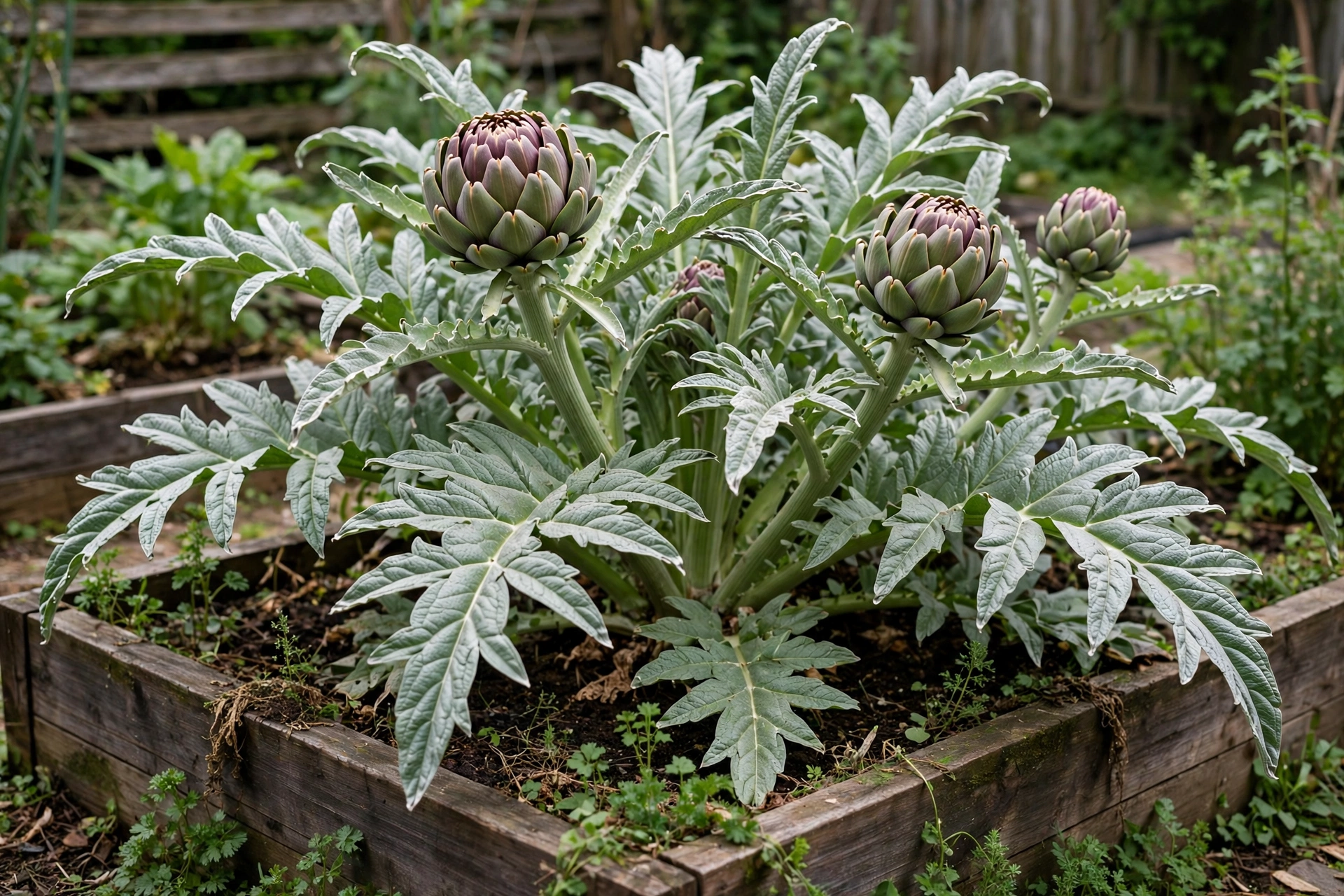
Green Globe Improved is a true perennial in USDA zones 7–10, and the arrangement is almost unfairly easy. Winter does the vernalization work for free: the plant rests through the cold, then buds on established roots the following season, without any coaxing from you.
The calendar is forgiving. In mild climates, Botanical Interests recommends sowing in fall for a harvest the following spring, and an established plant asks mainly for room — one every four feet — fertile soil, and full sun. The first year still brings 3 to 5 buds per plant, and a settled plant builds on that.
The perennial plan’s real cost is commitment. A four-foot plant that stays for years belongs where it will not shade next year’s beds or crowd a path. Pick its ground the way you would pick a spot for a small shrub, because that is what you are planting.
The Annual Way: Colder Than Zone 7
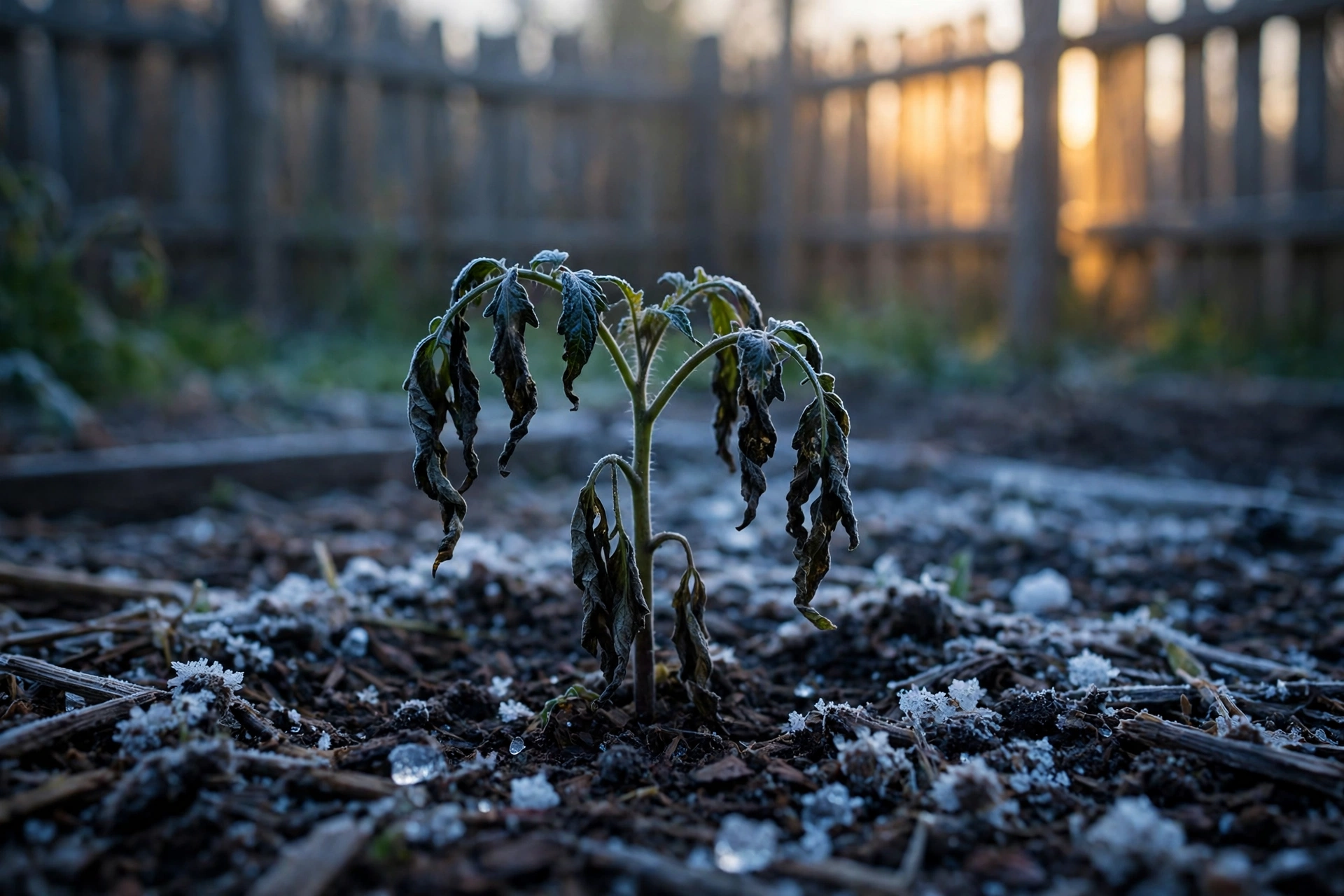
North of zone 7, the plant will not survive winter outdoors, so the whole crop has to happen in one 150-to-180-day run. That is entirely doable — Botanical Interests states plainly that this variety can be grown as an annual in cold climates — but it leaves no slack in the calendar. None.
The annual plan hinges on vernalization: seedlings at the 4-to-6-leaf stage held at 45° to 50°F for at least 10 days, so the plant buds in its first year instead of waiting for a second year it will never see. University of Maine Cooperative Extension puts the underlying requirement at 250 to 500 hours below 50°F.
Start indoors 12 weeks before the last frost. Transplant out four weeks before it, under protection, and let cool spring weather deliver the chill. Then treat the plant as spent at first hard frost — the harvest is over, and the bed is free for a cover crop.
| Question | As a perennial (zones 7–10) | As an annual (colder zones) |
|---|---|---|
| Survives winter? | Yes — rests and returns | No — killed by hard frost |
| Vernalization | Winter provides it | You provide it: 45°–50°F for 10+ days |
| When to sow | Fall for spring harvest, or early indoors | Indoors 12 weeks before last frost |
| First-year buds | 3–5 per plant | 3–5 per plant, if vernalized |
| Bed commitment | Years — plant it like a shrub | One season — bed frees up in fall |
The Borderline: Zone 6 and Cold Zone 7
Zone 6 gardeners sit on the fence, and the honest answer is to run the annual plan while hoping for a perennial surprise. Grow the plant as an annual — vernalized, started early — and then, after the harvest, cut it back, mulch it deeply, and see whether the crown wakes in spring.
Some years it will, especially in a sheltered spot against a warm wall. Count that as a bonus plant, never as the plan. A crown that survives gives you an early, established start, and a crown that does not costs you nothing you had not already harvested.
A lined grow bag sharpens the borderline odds. A plant in a 15-gallon bag can be moved under cover for the worst cold, which turns a gamble into a managed experiment.
The Picks for Each Plan
Green Globe Improved Artichoke Seeds
One variety, both plans — perennial in zones 7–10, a vernalized annual everywhere else.
Epic Grow Bags – Lined
A movable 15-gallon home, so a borderline plant can come under cover for hard frosts.
Epic 6-Cell Seed Starting Trays
Sturdy trays that hold a seedling comfortably through a 12-week indoor start.
Bottom Line
In zones 7–10, plant Green Globe Improved once, in ground you are willing to commit, and let winter do the bud-setting work. Everywhere colder, run it as an annual, with the vernalization step treated as non-negotiable — that single cold spell is the difference between a harvest and a very handsome thistle. Zone decides the plan. The seed never changes.