Can you get parts for it after it breaks? That is the question readers ask about Vevor yard tools more than any other, and it is the right question, because a low purchase price stops being low the first time a broken part turns the whole tool into scrap.
The honest answer splits three ways. Wear parts are usually easy. Model-specific parts run through support and take patience. Structural parts are where owners get stuck, and knowing that before you buy is worth more than any discount code.
Wear Parts: The Easy Third
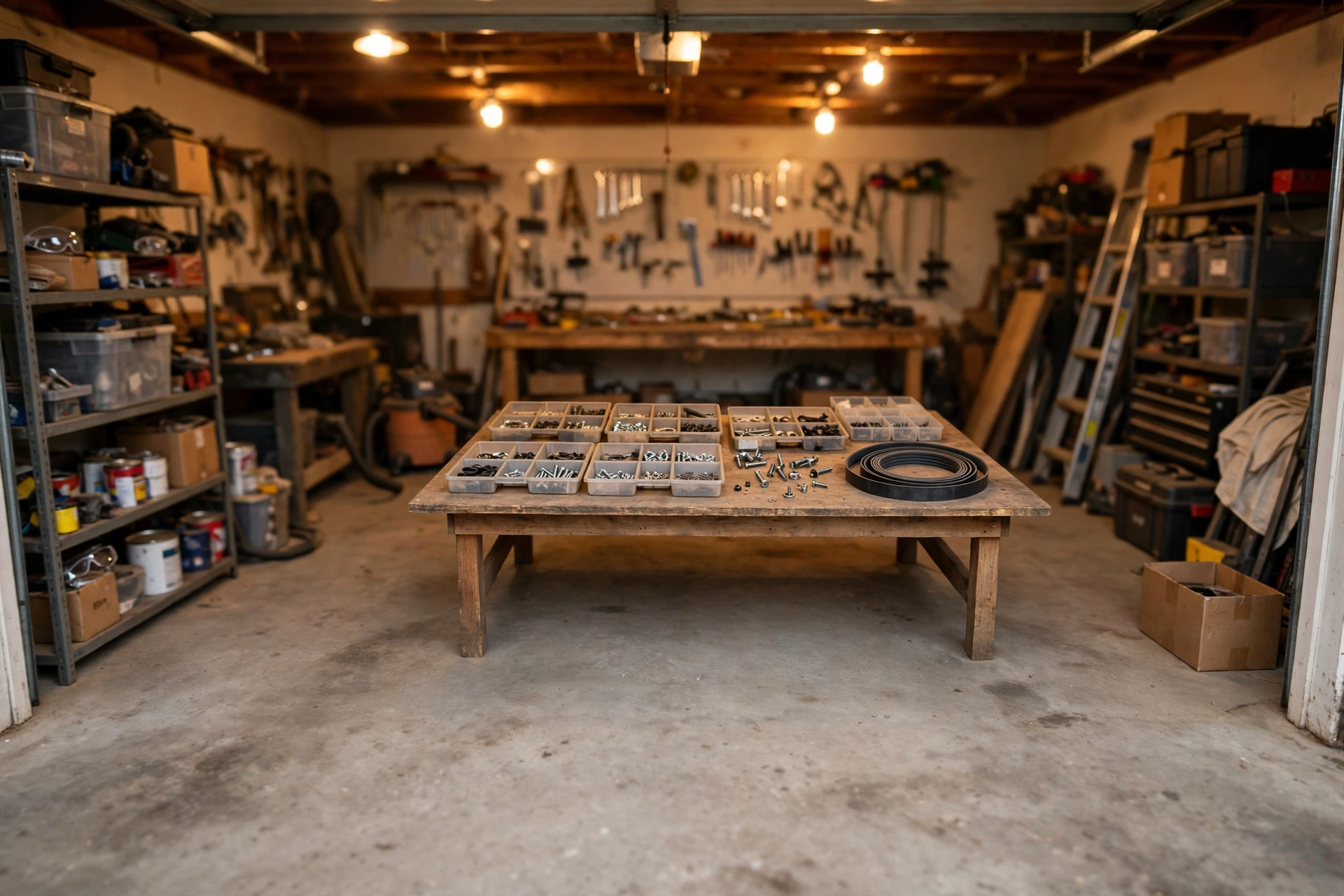
Blades, tines, belts, filters, sprayer nozzles, pressure washer hoses, and O-rings wear out on every brand, and most of them are sized to common standards rather than to one maker. Measure the part you have (blade length and center-hole shape, belt length, hose thread) and a generic or cross-brand replacement usually exists.
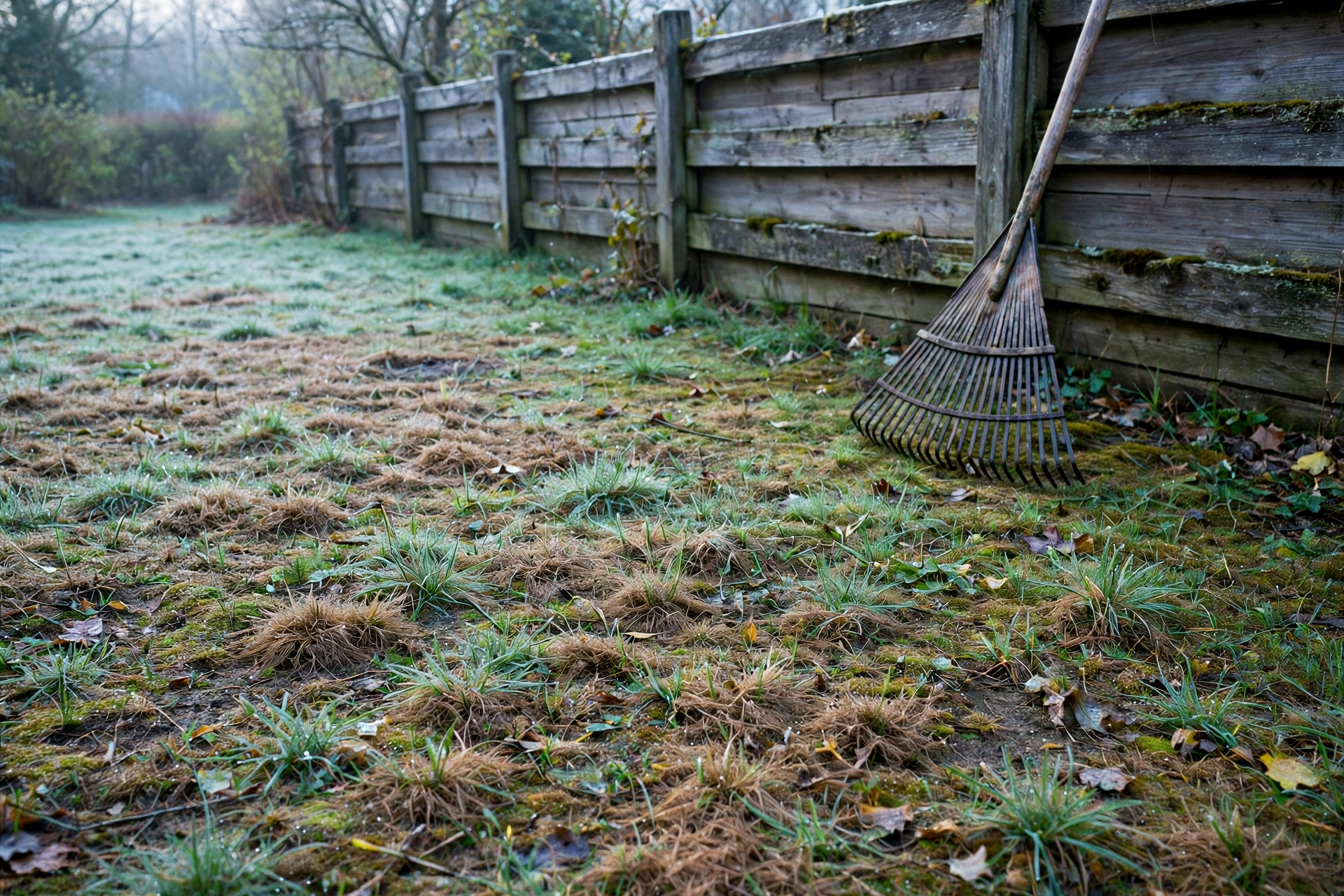
This is the strongest part of the Vevor ownership picture. A dethatcher tine or a sprayer tip does not care whose name is on the housing, and these are the parts a homeowner actually replaces in the first five years.
Model-Specific Parts: Through Support, With Your Order Number
Motors, gearboxes, control boards, pump heads, and model-specific housings are a different story. Vevor does not run a public parts catalog with exploded diagrams the way legacy brands do. The route is customer support: order number, model number, a photo or short video of the failed part, and then a quote or a warranty decision.
Inside the 12-month warranty, that process is the claim itself, and our walkthrough of Vevor’s warranty and returns covers what support asks for. Outside the warranty, support can still quote many parts, but availability varies by model and production run, and shipping a single heavy part can cost enough to change the math on an inexpensive tool.
Accessories: Broad, and Mostly Interchangeable
The accessory shelf is wider than the parts shelf. Weight trays, covers, extension hoses, sprayer carts, and tow hitches in Vevor’s catalog are built to common dimensions, and most also fit other brands’ tools. If you are accessorizing rather than repairing, you have options in both directions: Vevor accessories on name-brand tools, and name-brand accessories on Vevor tools, as long as the measurements match.
The Repair Check to Run Before You Buy
Price the wear parts first. Before ordering any Vevor tool, search for its blades, tines, belts, or filters. If the wear parts are findable in five minutes, the tool is maintainable.
Ask what the failure part would be. On a sprayer it is the pump. On a dethatcher it is the tine shaft and motor. If that one part failing would scrap the tool, you are buying a lifespan, not a repairable machine, and our read on how long Vevor products last helps set that expectation honestly.
Keep the paperwork. Screenshot the order confirmation and the model plate on day one. Every parts conversation with support starts with those two items, and finding them a year later is the step owners skip.
The Bottom Line on Parts
Buy Vevor tools whose wear parts are standard sizes and whose job does not depend on one irreplaceable component. For a tool you expect to run for a decade with dealer support, a legacy brand’s parts catalog is a real feature and worth paying for. Match the parts picture to the tool’s job, and neither choice will surprise you later.