This post contains affiliate links. If you buy through them, we may earn a commission at no extra cost to you.
Five packets wear the arugula name at Botanical Interests, two of them are not even the same species, and the one most gardeners grab by default is the one most likely to bolt out from under them in June. Plant Astro first.
Astro is the packet bred against that failure. The others each win a narrower job, and one packet I would skip outright.
Astro, the slow-bolt pick
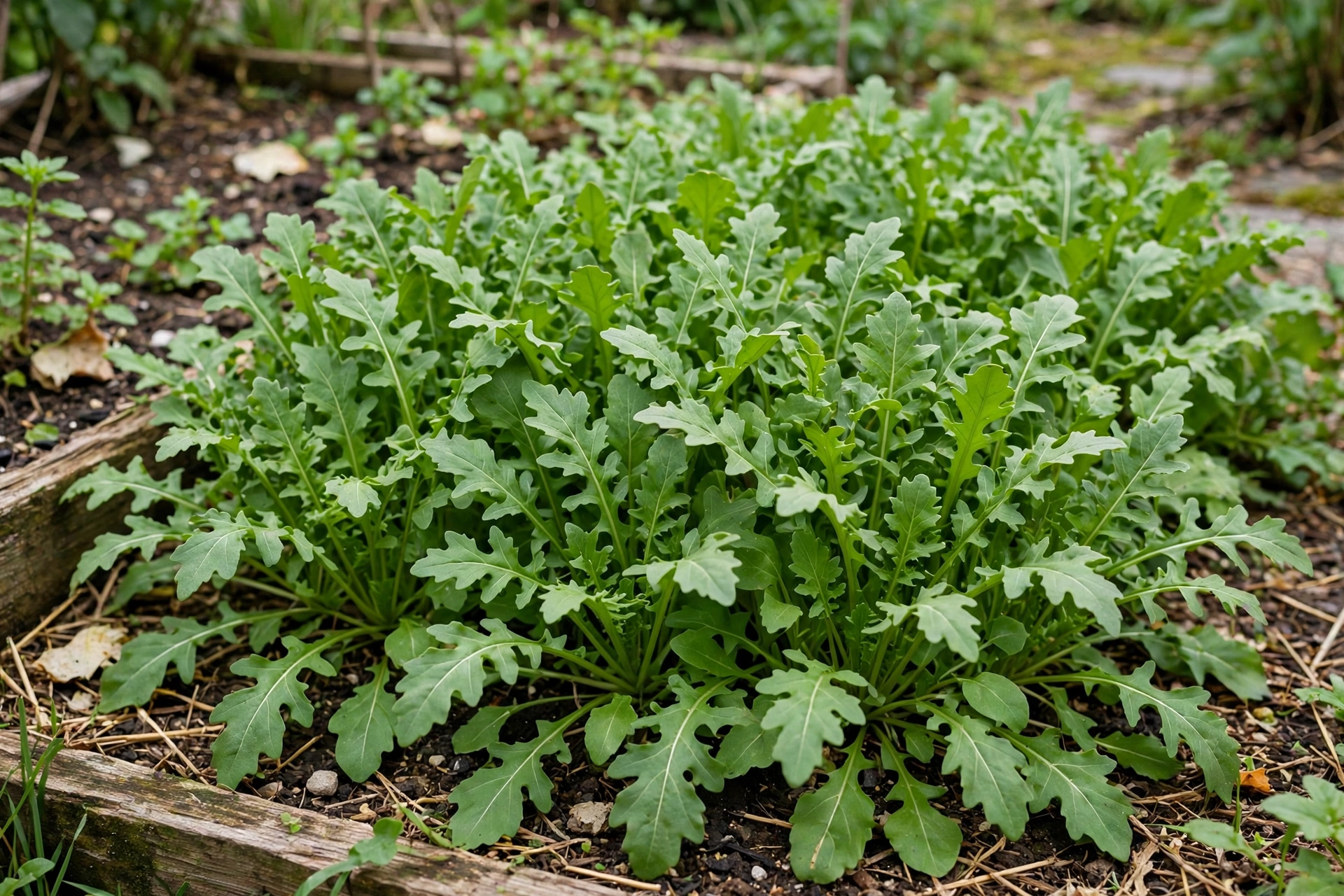
Astro is rated 5.0 out of 5 in 21 reviews, the highest score in this small catalog, and the packet earns it on one trait: it is slower to bolt than other arugulas, with wider, less-lobed leaves and a milder flavor when young.
It runs 32 to 55 days, so it is not the fastest packet here. What it buys with those extra days is harvest length, because a plant that delays flowering keeps making mild leaves while a faster variety is already turning hot and stalky.
- Pros: slowest to bolt of the annual types; wider leaves mean more leaf per picking; mild young flavor suits mixed salads.
- Cons: 32 to 55 days is slower than classic Rocket at its quickest; the peppery bite still ramps up as temperatures climb.
Astro Arugula/Rocket Seeds
Slower to bolt, wider leaves, milder young flavor, and the catalog’s top rating at 5.0 in 21 reviews.
Rocket, the classic
The plain-named Arugula/Rocket is the standard plant, Eruca vesicaria subsp. sativa, rated 4.6 out of 5 in 32 reviews. It is ready in 20 to 45 days, with tender baby greens at 2 to 4 inches in as little as 20 to 28 days.
I reach for this packet when the bed is a spring bed, sown early and eaten young, because nothing here beats its speed. Sow it in warm soil in late May and the same speed becomes the problem, since heat is what pushes this plant to flower.
- Pros: fastest route to a first picking; large packet option sows a long row; peppery, mustardy flavor at full strength.
- Cons: bolts readily in heat; flavor turns harsh once flowering starts.
Arugula/Rocket Seeds
The classic fast packet: baby greens in 20 to 28 days and full leaves by 45 days.
Baby Greens, the indoor packet
Arugula Baby Greens is the same species aimed at a different harvest. It is rated 4.6 out of 5 in 12 reviews, ready in 20 to 28 days, and it is the one packet here the grower says to start indoors, at any time of year, at 60 to 75 degrees.
The packet sows up to three 10-by-20-inch flats, spaced three-quarters of an inch apart with no thinning, and successive sowings run every 2 weeks instead of every 3. Cut just above the soil line and leave half an inch of growth, and a flat can give up to three harvests before the flavor declines.
- Pros: a winter supply from a windowsill or a shelf; no thinning; the tightest succession interval in the group.
- Cons: baby leaves only, so it never becomes a bunching green; transplanting is not recommended, which rules out starting it in cells.
Arugula Baby Greens Seeds
Sow indoors any time of year, cut at 2 to 4 inches, and resow every 2 weeks.
Rocky, the wild perennial
Rocky is a different species, Diplotaxis tenuifolia, and that difference is the whole point. It is a perennial in zones 6 to 10, rated 4.6 out of 5 in 9 reviews, growing in a compact rosette under 12 inches with baby greens ready in 30 days inside a 30-to-50-day window.
The flavor runs stronger and more complex than annual arugula, peppery and mustardy with a hint of nuttiness, and the plant comes back instead of needing a resow. One packet sows up to 280 feet, which tells you how fine this seed is and how thinly it wants to be scattered.
- Pros: perennial in zones 6 to 10, so one sowing can carry several seasons; compact rosette suits containers and edges; stronger flavor for pesto and pizza.
- Cons: slower to establish than the annuals; the stronger flavor is too much for gardeners who want arugula mild.
Rocky Arugula/Wild Rocket Seeds
A perennial wild rocket for zones 6 to 10, with a stronger, more complex bite.
The packet I would skip
The unnamed Arugula/Wild Rocket is Rocky’s species at the same 30 to 50 days and the same zones 6 to 10, but it is the lowest-rated packet in this group at 3.9 out of 5 in 8 reviews, and it grows taller and looser than Rocky’s compact rosette. Same species, same price, weaker plant. Buy Rocky instead.
Side by side
| Variety | Species | Days | Rating | Best job |
|---|---|---|---|---|
| Astro | Eruca vesicaria | 32–55 | 5.0/21 | Longest mild harvest |
| Rocket | Eruca vesicaria subsp. sativa | 20–45 | 4.6/32 | Fast spring greens |
| Baby Greens | Eruca vesicaria subsp. sativa | 20–28 | 4.6/12 | Indoor winter cuts |
| Rocky | Diplotaxis tenuifolia | 30–50 | 4.6/9 | Perennial, stronger flavor |
| Wild Rocket | Diplotaxis tenuifolia | 30–50 | 3.9/8 | Skip; Rocky covers it |
Bottom line
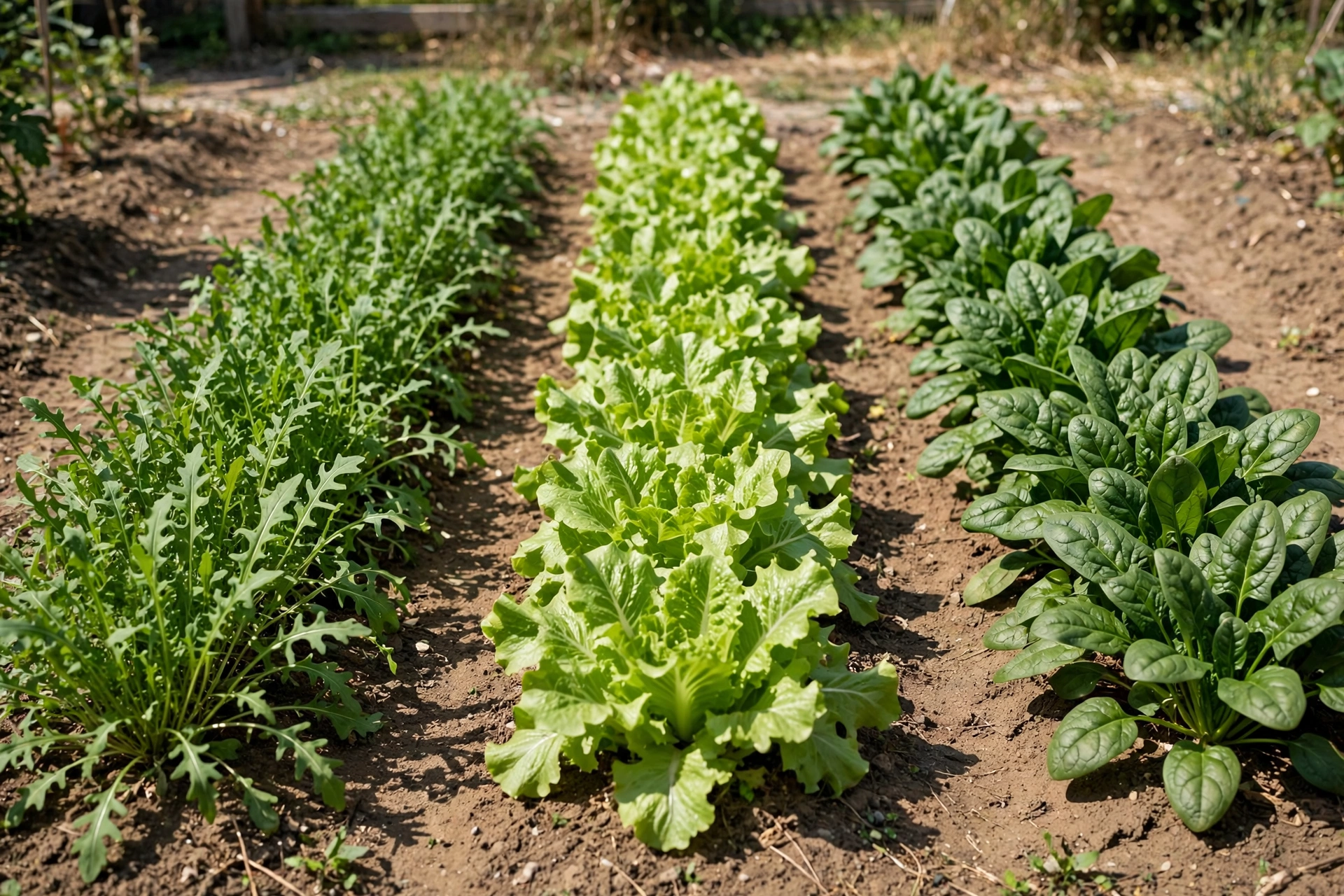
Most gardeners should buy Astro and sow it in successions, which is exactly the rhythm in growing arugula: sowing, bolting, and succession. If your summers run hot, the honest answer may be a different green entirely, and arugula vs other salad greens ranks what holds longest before flowering. For the wider bed, the cut-and-come-again greens roundup covers the lettuces and spinach that share this row.
Astro goes in first at my bench every spring, not because it is the fastest packet here, but because it is the one still giving mild leaves when the fast ones have already flowered.