This post contains affiliate links. If you buy through them, we may earn a commission at no extra cost to you.
Cilantro has a reputation for bolting before the salsa is ready, and most gardeners blame the weather, the bed, or their own timing. The packet deserves part of that blame, because the varieties bolt at very different speeds. Plant Long Standing Santo first.
Santo is the slow-bolt packet in this catalog, bred to keep making leaves after a regular cilantro has started reaching for flowers. The other two packets here win narrower jobs, and one of them is the wrong buy if leaves are what you want.
Long Standing Santo, the leaf pick
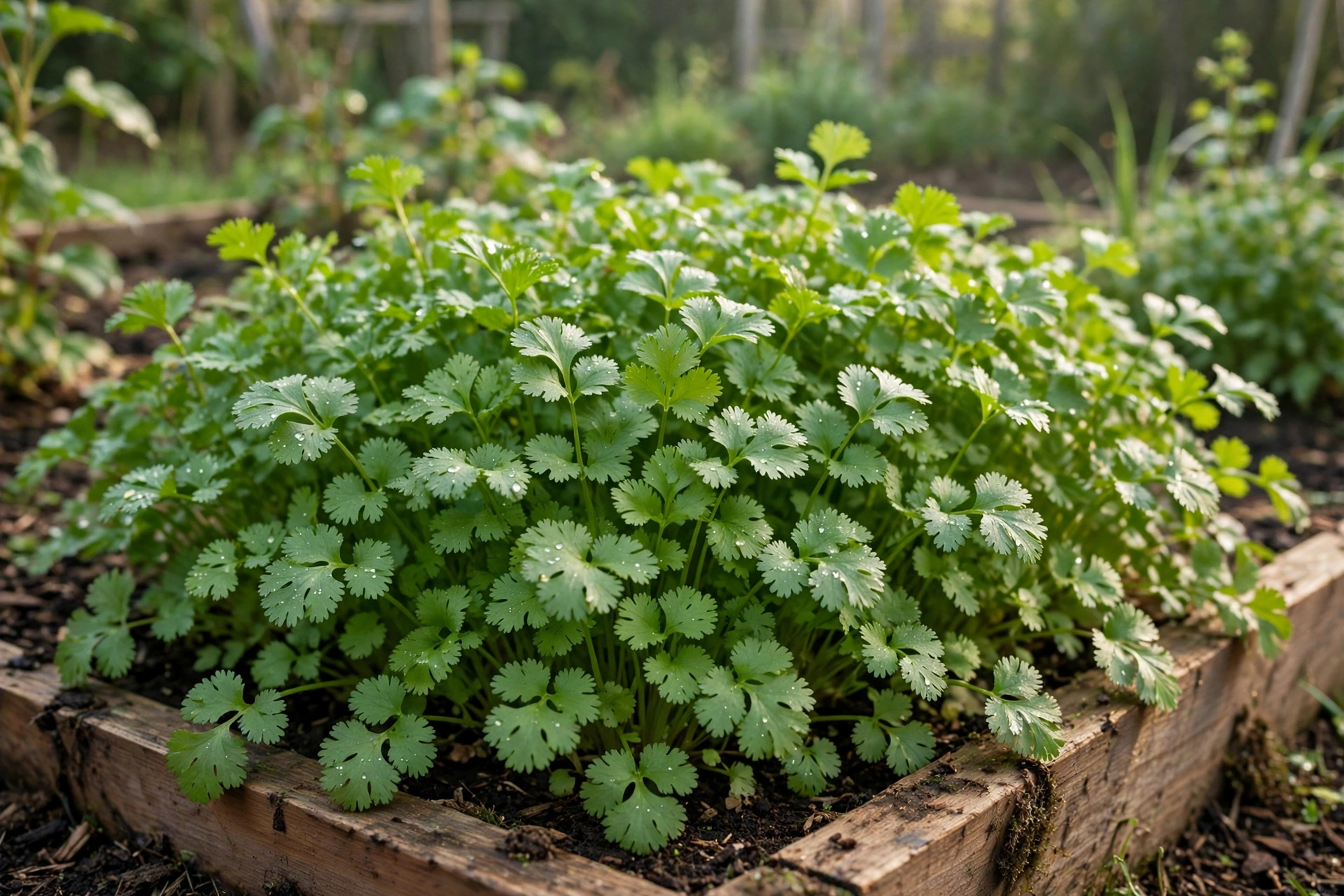
Santo is an organic heirloom Coriandrum sativum, about 3 grams and roughly 185 seeds to a packet, and Botanical Interests describes it plainly: excellent flavor, improved leafiness, and slower to bolt than other varieties when hot weather arrives.
That last trait is the whole purchase. Cilantro leaf harvest ends when the plant flowers, so a variety that delays flowering by even a couple of weeks is worth more than a variety that germinates a day faster.
- Pros: slowest to bolt in this catalog; leafier plant; leaves and seeds both usable, since the dried seed is coriander.
- Cons: slow is not never. Santo still bolts in sustained heat, and the packet still wants succession sowing every 3 weeks to keep leaves coming.
Long Standing Santo Cilantro/Coriander Seeds
Slow to bolt, leafy, organic heirloom, about 185 seeds per packet, for leaves first and coriander seed second.
Check Price at Botanical InterestsMoroccan, the coriander-seed pick
Moroccan runs the opposite direction, and the packet says so without apology: it is quick to bolt, which makes it ideal for producing seed. It is rated 4.4 out of 5 in 14 reviews.
What you get for that speed is volume where it counts for a spice grower. The plants produce large, green seed pods with bright, aromatic flavor, the white flowers feed small beneficial insects on the way, and one packet sows up to 45 feet.
- Pros: large, flavorful seed pods; long, clean stems make seed harvest easy; flowers draw beneficial insects.
- Cons: as a leaf cilantro it is the wrong packet. It bolts fast on purpose, so a gardener planting it for summer salsa will be disappointed by midsummer.
Moroccan Cilantro/Coriander Seeds
Quick to bolt and proud of it: big aromatic seed pods, edible flowers, and a packet that sows up to 45 feet.
Check Price at Botanical InterestsCilantro microgreens, the winter pick
The third packet is not a garden plant at all. Cilantro microgreens are sown indoors, any time of year, and cut young at 14 to 21 days, when the cotyledons or the first true leaves have formed.
The flavor argument is concentration. A tray cut at two weeks carries the full cilantro taste in a small handful, and a fresh sowing every 7 to 14 days keeps it continuous while the outdoor bed is frozen or bolted.
- Pros: harvest in 14 to 21 days; grows indoors year-round; intense flavor from a small tray.
- Cons: you harvest grams, not bunches. It seasons a dish; it does not fill a salsa bowl, and it never produces coriander seed.
Cilantro Microgreens Seeds
Sow indoors any time, cut at 14 to 21 days, and resow every 7 to 14 days for a continuous winter supply.
Check Price at Botanical InterestsThe three packets side by side
| Packet | Best job | Timing | Watch out for |
|---|---|---|---|
| Long Standing Santo | Leaves, then coriander seed | Sow 1 to 2 weeks before last frost; succession every 3 weeks | Still bolts in sustained heat |
| Moroccan | Coriander seed production | Same spring sowing window; flowers come fast | Poor choice for a long leaf harvest |
| Cilantro Microgreens | Indoor garnish, winter flavor | 14 to 21 days, sown indoors any time | Small yield per tray |
How I would spend one packet’s money
Buy Santo. It is the only one of the three that answers the complaint most cilantro growers actually have, which is a plant that quits in June.
Add Moroccan only if coriander seed is a real goal in your kitchen, not a someday idea, and keep it out of the leaf bed’s succession plan. The growing mechanics that make any of these packets last longer are in my guide to growing cilantro, from sowing through the bolt, and the head-to-head on bolt speed is in slow-bolt cilantro vs regular cilantro.
One packet of Santo, sown three weeks apart in a cool corner, will teach you more about your own cilantro timing than any variety claim can. Start there.