This post contains affiliate links. If you buy through them, we may earn a commission at no extra cost to you.
The usual mistake is blaming the packet. A bed of arugula bolts in the first warm spell, the gardener concludes the variety was poor, and buys a different one next year, which bolts in the same week. Heat and lengthening days do this, not bad seed.
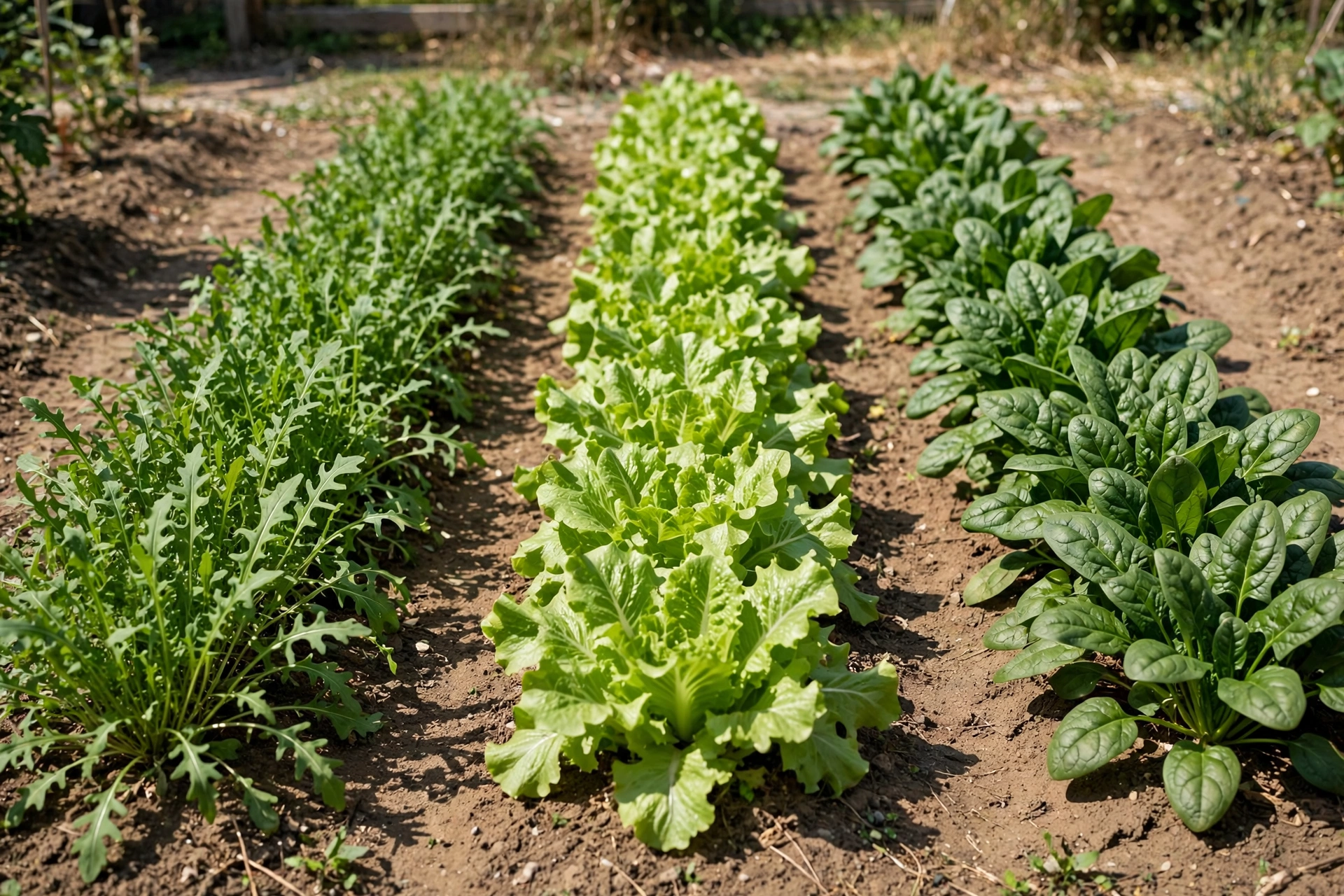
That said, the greens in a salad bed do not all fold at the same temperature, and they do not fold in the same way. Ranked honestly, arugula is the sprinter of the group: first to the plate, first to flower.
How each green fails in heat
Arugula bolts, which means it flowers and turns hot and bitter, and the harvest ends. Lettuce bolts too, and turns bitter with it. Spinach is the most heat-shy of the group and often bolts before it sizes up at all once nights warm.
Kale does not really bolt in its first season the way the others do. It gets tougher and stronger flavored in heat, and aphids find it, but the plant keeps producing leaves through weather that finishes a lettuce bed outright. That difference in failure mode is the whole comparison.
Arugula, first in and first out
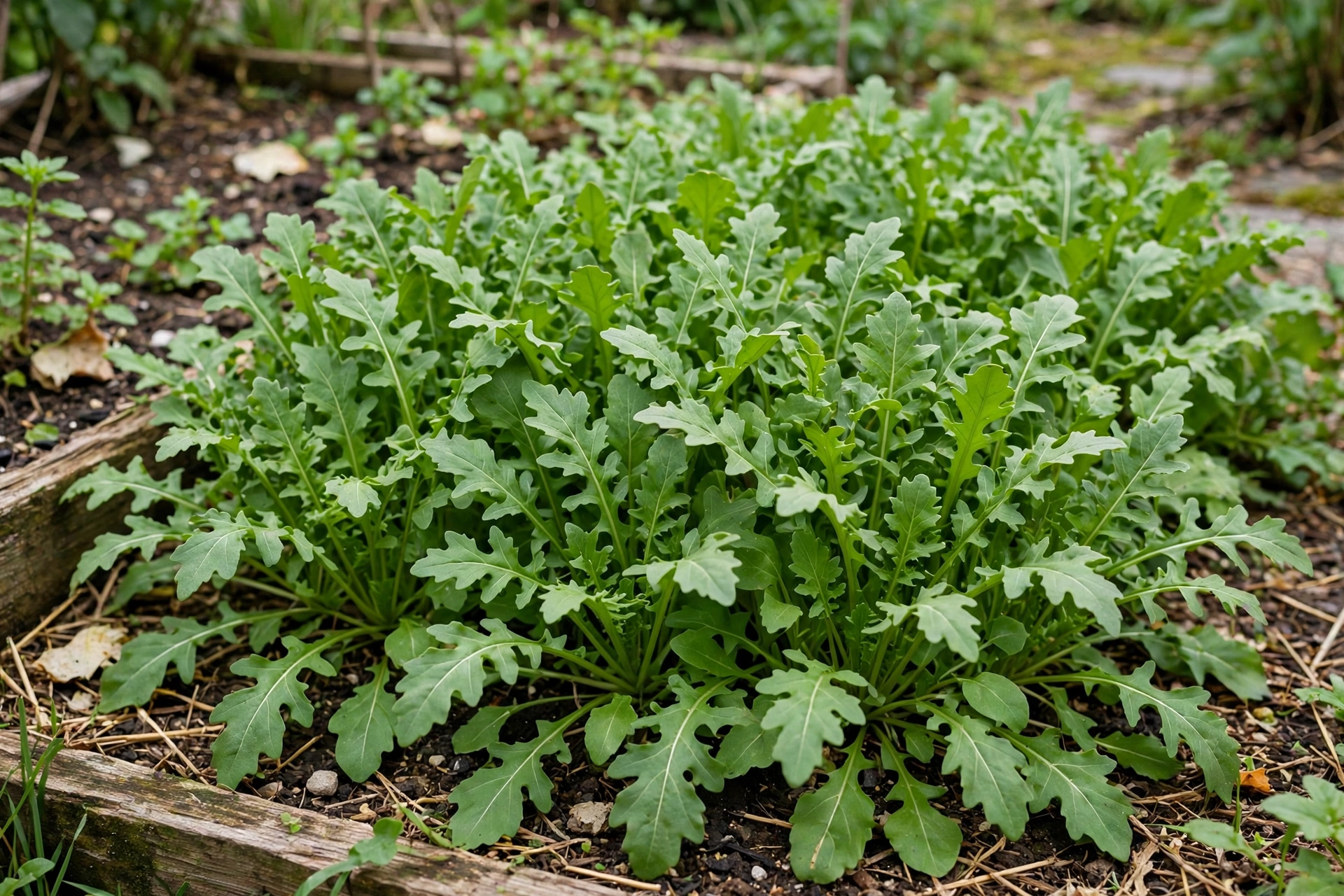
Annual arugula gives baby leaves in 20 to 28 days and flowers soon after maturity when temperatures climb. Inside the arugula row there is still a ranking: Astro is slower to bolt than classic Rocket, and afternoon shade prolongs its harvest.
The wild perennial changes the math. Rocky, a Diplotaxis perennial for zones 6 to 10, is not racing a single season’s clock in the same way, and its stronger flavor holds up in warm-weather cooking where mild annual leaves disappear.
Astro Arugula/Rocket Seeds
The slowest-bolting annual arugula, with afternoon shade named on the packet as a harvest extender.
Rocky Arugula/Wild Rocket Seeds
Perennial in zones 6 to 10, so heat ends a flush of leaves rather than the planting itself.
Lettuce, spinach, and kale
Buttercrunch butterhead lettuce is the mild counterweight in a mixed bed: slower than arugula to start, slower to offend, and still a bolter once summer settles in. It buys weeks, not a season.
Bloomsdale spinach belongs at the cool ends of the year alongside arugula, not in the summer slot between them. Sow it in spring and fall and it is superb; ask it to carry July and it flowers before it feeds anyone.
Lacinato kale is the green I hand the summer slot to. It is slower to reach picking size than any green on this page, which is the trade, but once established it keeps cutting through heat that ends the others, and its flavor improves again when the weather cools.
Lacinato Dinosaur Kale Seeds
No first-season bolt to end the harvest; established plants keep producing through summer heat.
Side by side
| Green | First harvest | Heat failure | Summer verdict |
|---|---|---|---|
| Arugula (annual) | 20–28 days, baby | Bolts, turns hot | Spring and fall crop |
| Astro arugula | 32–55 days | Bolts later than Rocket | Longest arugula run |
| Rocky wild rocket | 30 days, baby | Flushes end, plant persists | Perennial, zones 6–10 |
| Buttercrunch lettuce | Heads in spring | Bolts, turns bitter | Buys a few weeks |
| Bloomsdale spinach | 28–45 days | Bolts early in heat | Cool-season only |
| Lacinato kale | Slowest to size up | Toughens, keeps growing | Carries the summer slot |
Bottom line
Grow arugula hard in spring and fall, hand the middle of summer to kale, and stop expecting one green to cover the whole calendar. The full variety ranking is in the best arugula varieties roundup, and the sowing rhythm that stretches arugula’s own season is in growing arugula: sowing, bolting, and succession.
My own bed runs Astro until it flowers, kale through the heat, and Astro again the moment nights cool. That rotation is what keeps this bed in leaves from the first spring sowing to the last fall one.