Landscape & Leisure is reader-supported. When you buy through links on our site, including Botanical Interests seed links, we may earn a commission at no extra cost to you. Prices change, so click through to confirm current pricing.
Every spring, the northern garden makes you start over. The tomatoes, the squash, the beans — all of it goes back into the ground from scratch. Perennial edibles are the exception, and once you have tasted the difference, you will wonder why the whole garden is not planted this way.
Plant asparagus once, and it feeds you for a decade. Plant sorrel once, and you are picking lemony leaves while the rest of the garden is still bare soil. The catch is that not everything sold as a perennial behaves like one up north. One beloved favorite below is a perennial — just not in Zone 4. Plant it anyway, but plant it with open eyes, as an annual that earns its keep in a single season.
| Plant | What you eat | Northern perennial? | First real harvest | Rating |
|---|---|---|---|---|
| Spartacus Asparagus | Spring spears | Yes — zones 3–10 | Third year | 5.0 out of 5 (1 review) |
| Common Sorrel | Lemony leaves | Yes — zones 3–7 | 60 days | 4.1 out of 5 (13 reviews) |
| Lambada Bee Balm | Edible petals, tea | Yes, perennial herb | First summer | 4.3 out of 5 (23 reviews) |
| Common Mint | Leaves for tea and cooking | Yes — keep it in a pot | First season, once established | 3.8 out of 5 (20 reviews) |
| Green Globe Improved Artichoke | Flower buds | No — perennial zones 7–10 only | First year, 3–5 buds | 4.5 out of 5 (23 reviews) |
Best Overall: Spartacus Asparagus
If your garden has room for exactly one perennial bed, this is the plant that goes in it. Spartacus is a 100% male hybrid, which matters more than it sounds: with no berries to make, the plant puts its energy into crowns and roots instead, and you get no volunteer seedlings popping up where you did not plant them.
The spears are 8″–10″ long, green with purple-tinged tips, and at their peak when they are firm, straight, and about ½”–1″ across with tightly closed tips. Start the seeds indoors 12 to 14 weeks before your average last frost — direct sowing is not recommended — and soak them for 12 to 24 hours first to hurry germination, which takes 2 to 8 weeks.
Here is the honest price of admission: you do not get a real harvest until the third year, and even then you stop after 6 to 8 weeks and let the rest grow into ferns. Those ferns are not wasted growth. They are next year’s spears, being built. A bed treated that way can thrive for up to 12 years, which is a long time to be glad you waited.
Spartacus Asparagus Seeds
A male hybrid that skips the berries and puts its energy into crowns: 8″–10″ spears, hardy to Zone 3, productive for up to 12 years.
Best Value: Common Sorrel
Sorrel is the perennial most northern gardeners have never grown, which is a shame, because it is the fastest payoff on this list. The leaves are green, crinkled, and arrow-shaped, with a lemony spinach flavor that wakes up a salad, a fish fillet, or a pot of spinach and chard. Pick the young outer leaves, pick them often, and the plant answers with new tender growth.
It matures in just 60 days, stays green even after frost, and gives you many months of harvests from a single planting. Direct sow 1 to 2 weeks before your average last frost, when the soil is at least 50°F, or start indoors 4 to 6 weeks before that date. Space groups of 3 seeds every 8″, thin to one plant every 8″ when seedlings are 2″ tall, and one packet sows up to 90 feet — more sorrel than most households will ever eat.
The trade-off is enthusiasm. Sorrel spreads its charm thin: the flavor is bright rather than deep, and a plant left unpicked turns tough. Treat it like a cut-and-come-again green, not a set-it-and-forget-it shrub, and it will earn its corner.
Common Sorrel Seeds
Lemony, spinach-like leaves in 60 days, hardy to Zone 3, and still green after frost — the earliest perennial green in the garden.
For more on growing sorrel’s salad-green cousins from seed, see How to Grow Salad Greens from Seed.
Best for Pollinators and Tea: Lambada Bee Balm
Bee balm earns its place twice: once in the garden, once in the kitchen. The lavender-pink flower clusters pull in butterflies, hummingbirds, and bees all summer, and the petals are edible, with a lemon-mint flavor that works in tea, bread, fruit salad, and punch. This variety was chosen because it tolerates dry soil better than other bee balms, which is useful in a sunny perennial bed that does not get babied.
It blooms quickly for a splash of summer and fall color, and buyers rate it 4.3 out of 5 across 23 reviews. Give it full sun and room to be a perennial herb, not a tidy annual, and it will come back and fill out. The trade-off is that bee balm is a spreader by nature. Put it where it can wander a little, and enjoy the wandering.
Lambada Bee Balm Seeds
Lavender-pink blooms for bees, butterflies, and hummingbirds, plus edible lemon-mint petals for tea — and it handles dry soil better than most bee balms.
Best in a Pot: Common Mint
Mint is the perennial that teaches humility. It is easy to love — the aroma alone carries you straight to a summer afternoon — and it flavors iced tea, mixed drinks, and savory dishes from meats to vegetable fritters. Its tiny flowers are loved by bees. It is also the one plant on this list you should never give a free run of the garden.
Grow it in a pot, sunk or standing, and it behaves beautifully. Let it loose in a bed, and you will spend years pulling it out of places you never planted it. Buyers rate it 3.8 out of 5 across 20 reviews, and a recurring theme in those reviews is that germination can be finicky — sow generously rather than babying a few seeds, and be patient once they are up. Slow to establish, steady for years after: that is mint’s bargain.
Common Mint Seeds
Classic mint flavor for tea and cooking, returning year after year — but only if you keep it in a pot, where it cannot take over the bed.
The Honest Exception: Green Globe Improved Artichoke
Artichokes are magnificent, and this variety is a good one: dark green buds with a slightly purple base, very few spines, heavy bearing, and 3 to 5 artichokes per plant in the first year. Buyers rate it 4.5 out of 5 across 23 reviews. It matures in 150 to 180 days, and you harvest the buds while they are still tightly closed, cutting the central bud first, 2″ below the bud, and then enjoying the smaller side buds that follow.
But read the fine print before you plant it as a perennial up north. Green Globe Improved is perennial in zones 7 to 10. In cold climates, the packet itself says to grow it as an annual: sow in 4″ biodegradable pots 12 weeks before your average last spring frost, transplant 4 weeks before that date, protect the seedlings from frost, and give each plant 4 feet of space in a 6-foot row. That is a lot of garden for one season — and for 3 to 5 homegrown artichokes, many northern gardeners will say it is worth it.
Plant it as a glorious annual, not as a permanent resident, and you will love it. Plant it expecting it to return after a Zone 4 winter, and you will be disappointed. The difference is not the variety. It is the zone.
Green Globe Improved Artichoke Seeds
Big, nearly spineless buds and 3–5 artichokes per plant in year one — superb as an annual in cold climates, but perennial only in zones 7–10.
Two Perennials That Do Not Come in a Packet
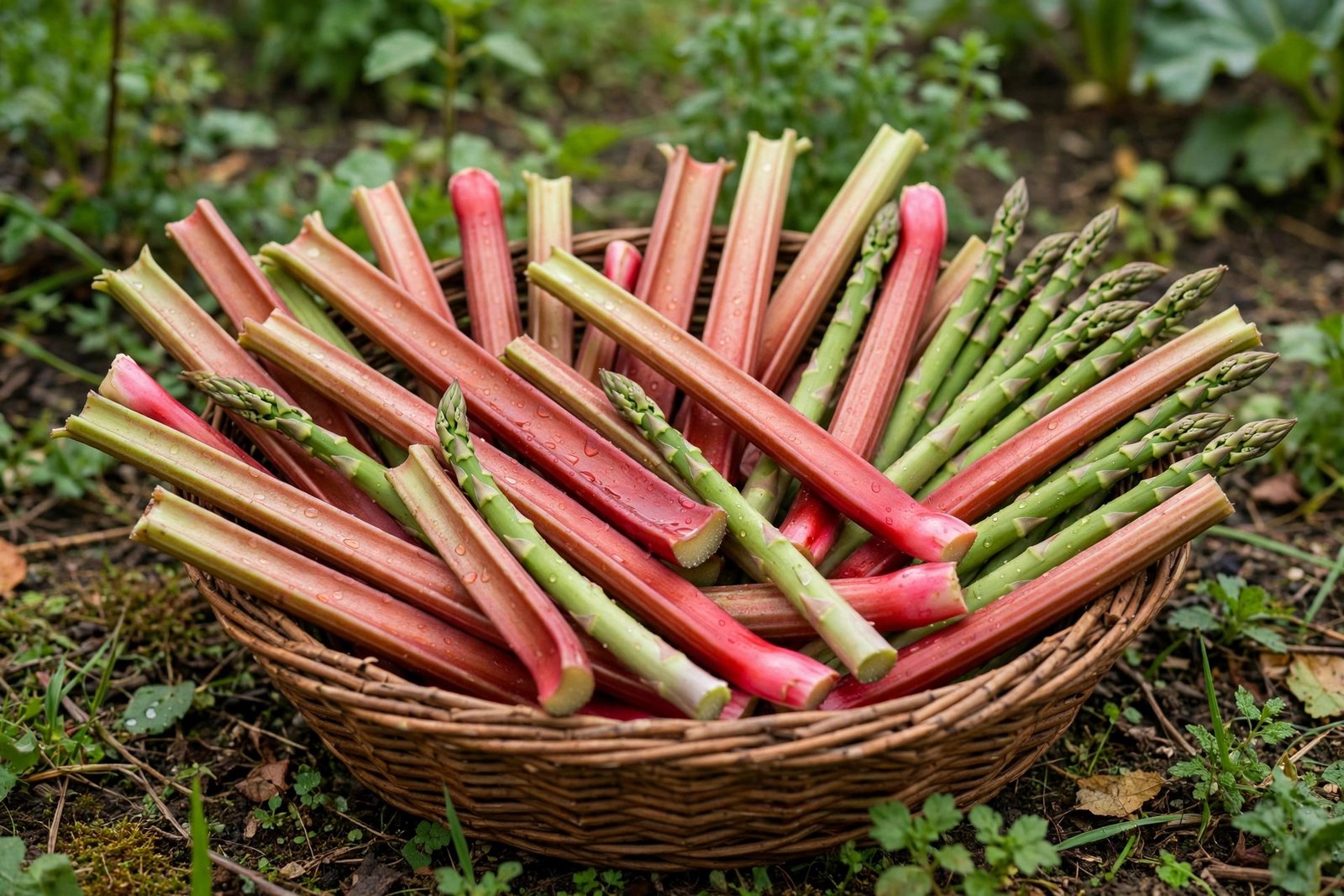
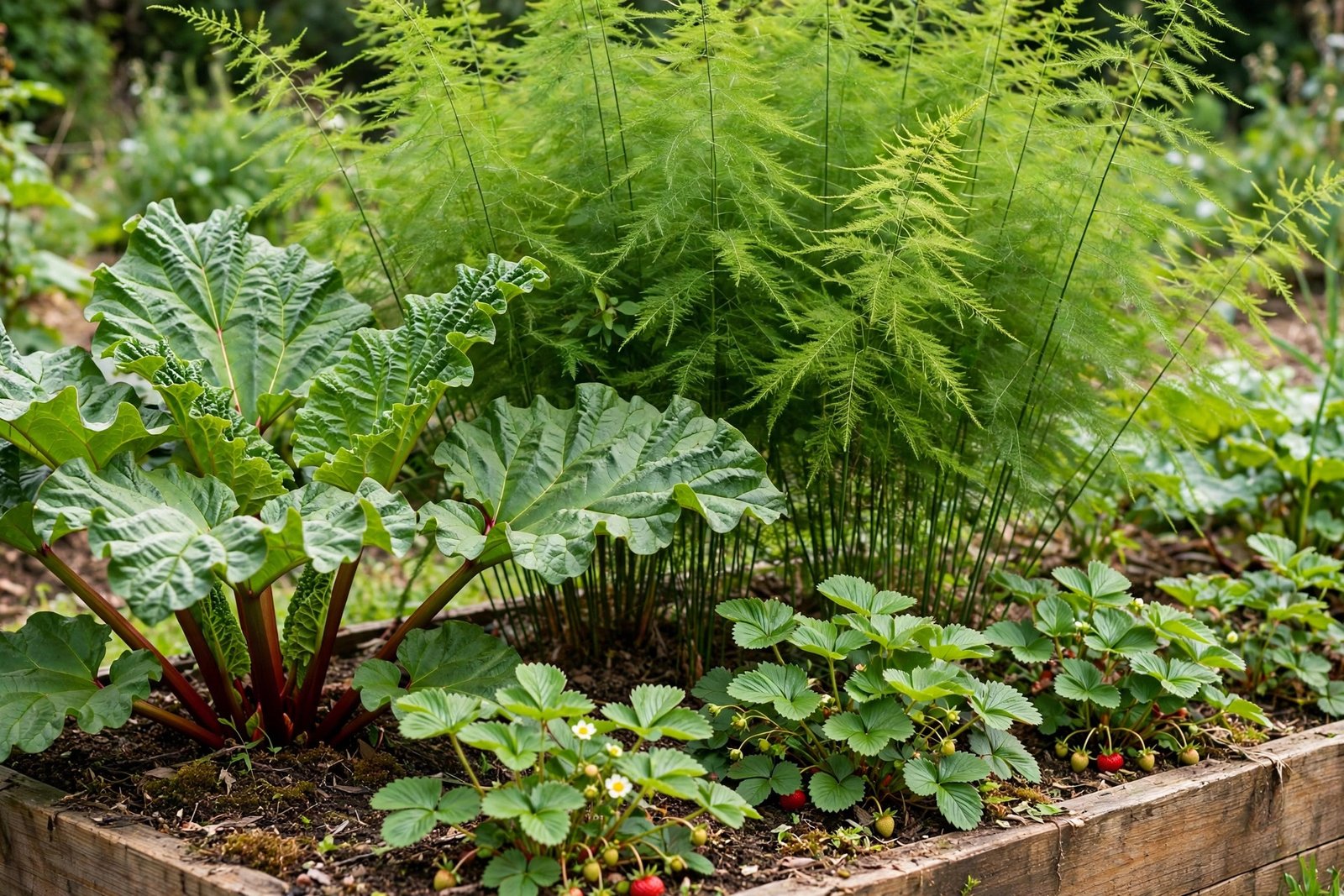
Rhubarb and strawberries belong in any honest perennial conversation, and they belong here too — just not as seed packets. Rhubarb is normally planted from divisions or crowns, not seed, because seed-grown plants vary and take longer to amount to anything. Plant divisions in spring, harvest the stalks only, and leave the leaves alone: they are not food. A well-placed rhubarb crown will outlast most of your garden plans.
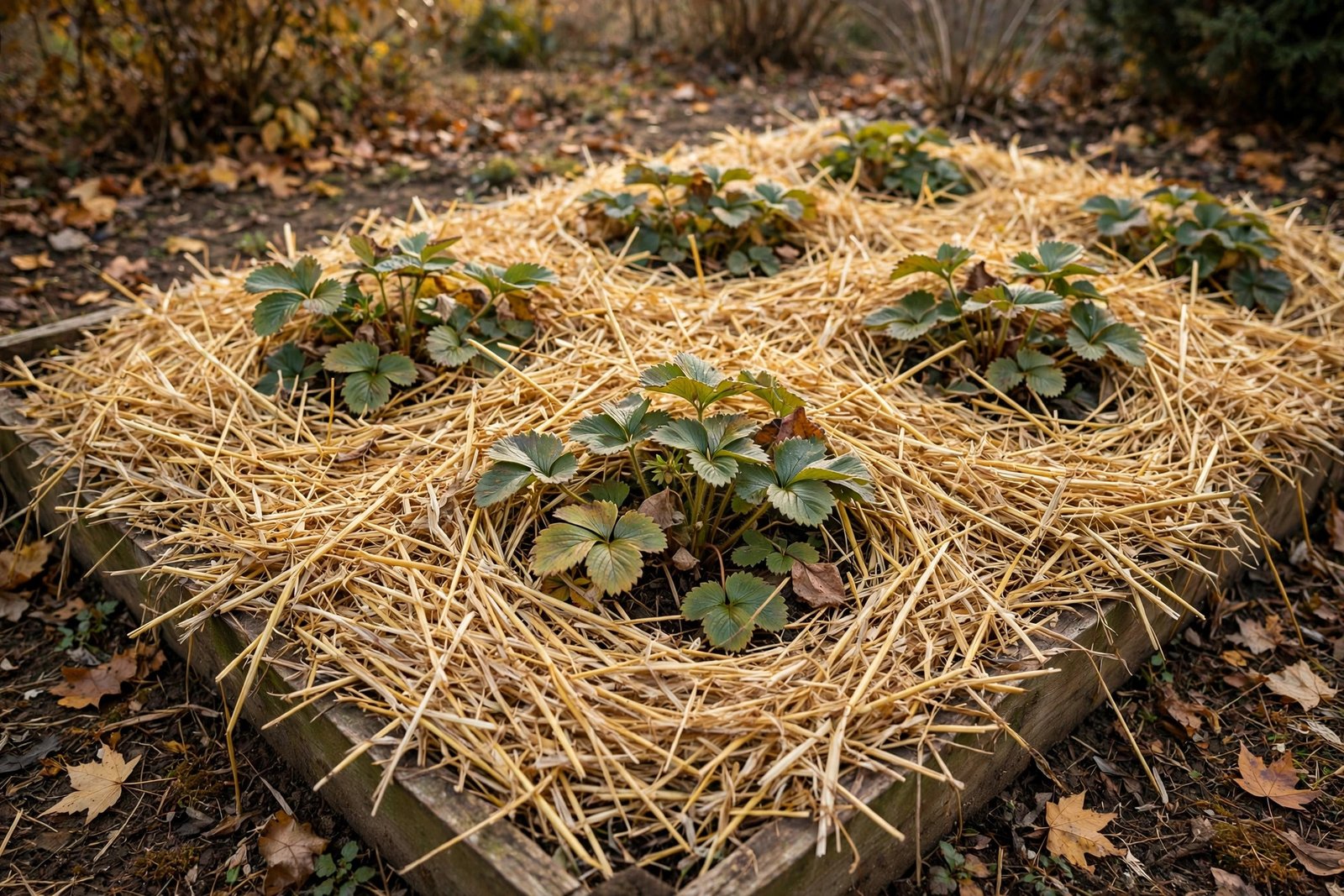
Strawberries, likewise, are usually planted as crowns or plants, and their winter care is a whole decision of its own. If you are weighing straw against a cold frame for a Zone 4 bed, read Cold Frame vs Straw for Strawberries: Winter Protection in Zone 4 before the first hard freeze settles the question for you.
Bottom Line
Start with asparagus if you have the patience and the space — it is the bed that pays you back for a decade. Add sorrel for the earliest spring picking, bee balm for the pollinators and the teapot, and mint in a pot where it can behave. Grow artichoke as a splendid annual, not as a perennial promise. And for the full how-to on getting these three seed-grown perennials started, see Growing Asparagus, Artichoke, and Sorrel from Seed.