Disclosure: This post contains affiliate links. We may receive a commission if you make a purchase after clicking on one of these links.
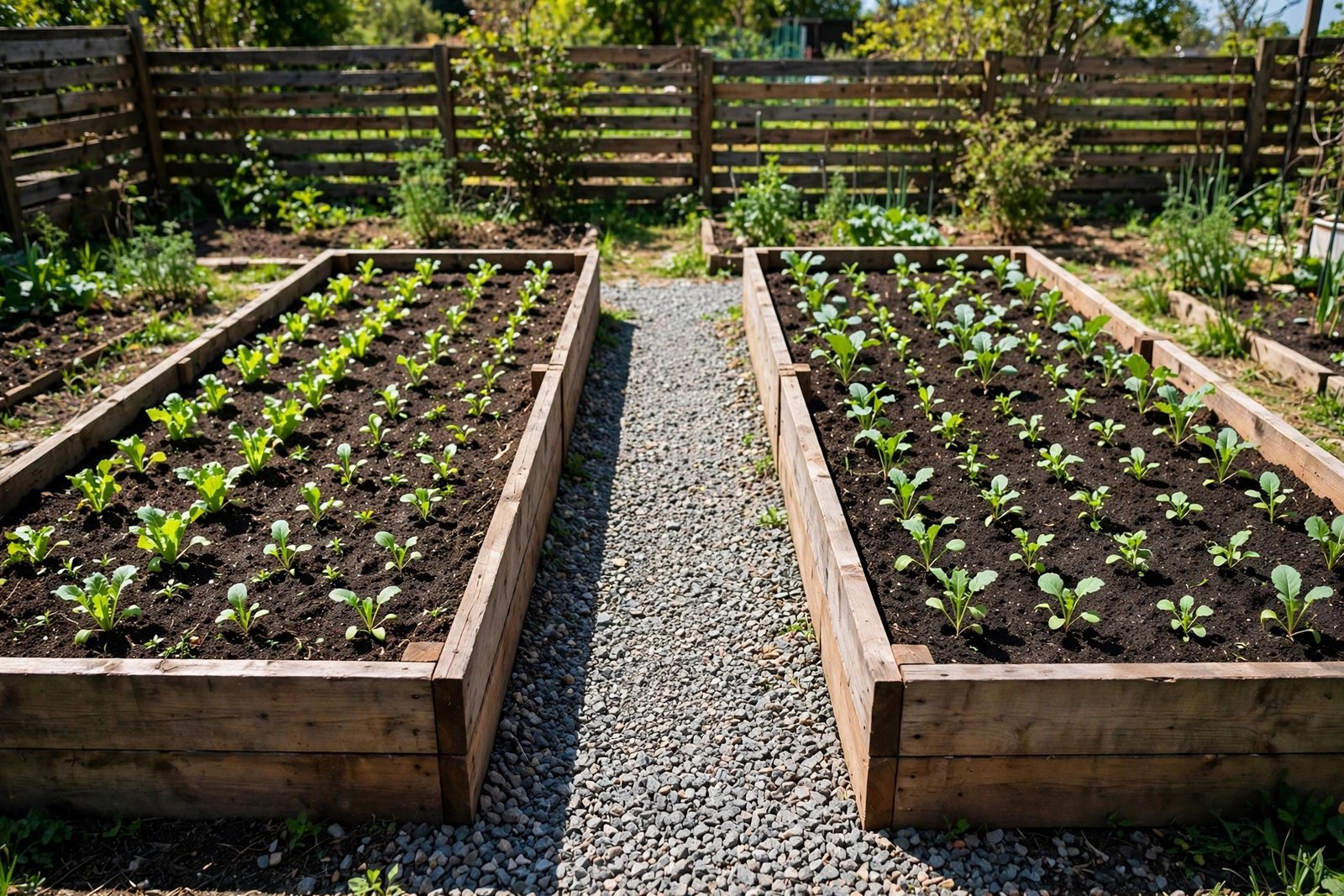
A raised bed is a simple box that solves three garden problems at once: poor native soil, slow drainage, and a back that objects to kneeling. The box itself matters less than its depth, its width, and what it is made of — get those three right and most vegetables, herbs, and flowers will do the rest.
This roundup compares raised beds on the numbers that decide whether one works: height in inches, footprint, soil volume, and how the material ages outdoors. The winner is the bed that fits the most gardens with the least fuss, not the most expensive one.
How raised beds were compared
Depth comes first. A 6-inch bed holds shallow-rooted lettuce and herbs, but tomatoes, peppers, and carrots want 12 inches or more of loose soil. Width comes second: a bed wider than 4 feet cannot be reached from both sides without stepping into it, which compacts the soil the bed was built to loosen. Material comes third, because it sets the lifespan and the maintenance.
Soil volume is the hidden cost. A 4-by-8-foot bed at 12 inches deep needs about 32 cubic feet of soil mix — just under 1.2 cubic yards. Price the soil before you buy the bed, especially if you plan more than one.
The picks at a glance
| Bed | Height | Footprint | Soil volume | Best for |
|---|---|---|---|---|
| Vego Garden 17-inch modular kit | 17 in. | Configurable; up to 4 x 10 ft | 34 cu. ft. (10-in-1 kit) | Most gardens |
| Greenes Fence Premium Cedar, 4 x 12 ft | 7–10.5 in. | 4 x 12 ft | 32.7 cu. ft. | Wood lovers, large plots |
| FOYUEE Galvanized, 8 x 4 x 1 ft | 12 in. | 8 x 4 ft | About 32 cu. ft. | Lowest cost per bed |
Best overall: Vego Garden 17-inch modular raised bed kit
The Vego kit is a set of metal panels that bolts into several footprints, including a 4-by-10-foot bed, instead of one fixed rectangle. At 17 inches tall it clears the depth most vegetables need without a second stacked kit, and the 10-in-1 configuration holds 34 cubic feet of soil. That height also helps where the ground underneath is compacted clay: roots get a full bed of loose mix before they meet the native soil.
Vego says its Aluzinc-coated steel lasts three to seven times longer than regular galvanized steel beds. Treat that as a manufacturer claim rather than a tested result, but the underlying point is sound — coated metal does not rot the way wood does, and this kit needs no sealing, staining, or board replacement. The trade-off is honest: metal beds warm and cool faster than wood, and a 17-inch bed takes real soil to fill. Buy the soil mix at the same time as the bed so a finished frame does not sit empty.
Vego Garden 17-Inch Tall Modular Raised Garden Bed Kit
17 inches deep, several footprints from one kit, and coated metal that needs no sealing.
Runner-up: Greenes Fence Premium Cedar raised bed, 4 x 12 feet
Greenes Fence builds this bed from untreated North American cedar, 3/4 inch thick, made in the USA. The 4-by-12-foot frame holds 32.7 cubic feet of soil, and because the cedar is untreated, nothing leaches into soil meant for food plants. Assembly is the slide-boards-into-corner-posts kind — no power tools, no frame to square up first.
The honest trade-off is height and lifespan. At 7 to 10.5 inches, this bed is shallower than the Vego kit, so deep-rooted crops do better with a second stacked frame or a site with good soil underneath. Cedar resists rot and insects far better than pine, but it is still wood: expect years of service, not decades, and plan on the boards weathering to gray. If the look of wood matters as much as the harvest, this is the bed to buy. Read metal vs. wood raised garden beds before deciding between this one and a metal kit.
Greenes Fence Premium Cedar Raised Garden Bed, 4 x 12 ft
Untreated cedar, tool-free assembly, and a long frame sized for rows of vegetables.
Best budget: FOYUEE galvanized raised garden bed, 8 x 4 x 1 foot
The FOYUEE kit is a straightforward galvanized steel rectangle, 8 feet long, 4 feet wide, and 12 inches deep, with support bars to keep the long sides from bowing once it is full of wet soil. Twelve inches is the depth that covers most vegetables, and the open bottom drains freely onto the ground below. It is the cheapest way to get a full-size bed that is actually deep enough.
The trade-off is finish and flexibility. Plain galvanized steel is practical, not pretty, and this is one fixed size — it does not reconfigure the way the Vego kit does. Check the panel edges during assembly and wear gloves; thin steel panels can have sharp edges before they are bolted together.
FOYUEE Galvanized Raised Garden Bed, 8 x 4 x 1 ft
A full 12 inches deep at the lowest cost, with support bars on the long sides.
Not recommended: shallow 6-inch kits for a vegetable garden
Six-inch beds and soft fabric raised beds have their place — herbs, lettuce, and flowers on a patio, where weight and portability matter. As a main vegetable bed they fall short. Tomatoes, peppers, and carrots run out of loose soil, dry out faster in summer heat, and lean on the native soil underneath, which is usually the soil you were trying to escape. If a kit is under 10 inches tall, treat it as a herb or salad bed, not a vegetable bed, whatever the listing photo shows growing in it.
What size raised bed do you actually need?
Start with one bed, 4 feet wide and 8 feet long, and learn how much you will really plant before adding a second. Four feet is the widest bed you can work from both sides without stepping in; eight feet gives room for a row of tomatoes at one end and herbs at the other. Depth: 12 inches minimum for vegetables, 17 inches if the ground below is hard clay or you want carrots and parsnips to size up properly. The full sizing math — width, depth, and soil volume by bed size — is in what size raised garden bed you need.
Setting a bed up so it lasts
Put the bed where it gets at least six hours of sun, on ground that is as level as you can make it. A bed on a slope fills unevenly and shows a high side and a low side within a season. Remove the grass under the frame or lay cardboard over it, then fill with a raised-bed mix rather than topsoil alone — topsoil compacts in a contained bed, while a mix with compost stays loose. Water the mix thoroughly before planting; dry mix shrinks away from the frame and looks half-empty on the first watering. For spring timing, harden off seedlings before they move into the bed, and check the Midwest planting calendars for your frost dates.
Final thoughts
Buy the Vego 17-inch kit if you want one bed that handles nearly any vegetable and will not need replacing. Buy the Greenes cedar bed if you want wood and a long, row-friendly frame. Buy the FOYUEE bed if the budget decides and 12 inches of depth is enough. Whichever you choose, spend as much thought on the soil going into it as on the frame — the frame holds the garden, the soil grows it.