Landscape & Leisure is reader-supported. When you buy through links on our site, including Botanical Interests seed links, we may earn a commission at no extra cost to you. Prices change, so click through to confirm current pricing.
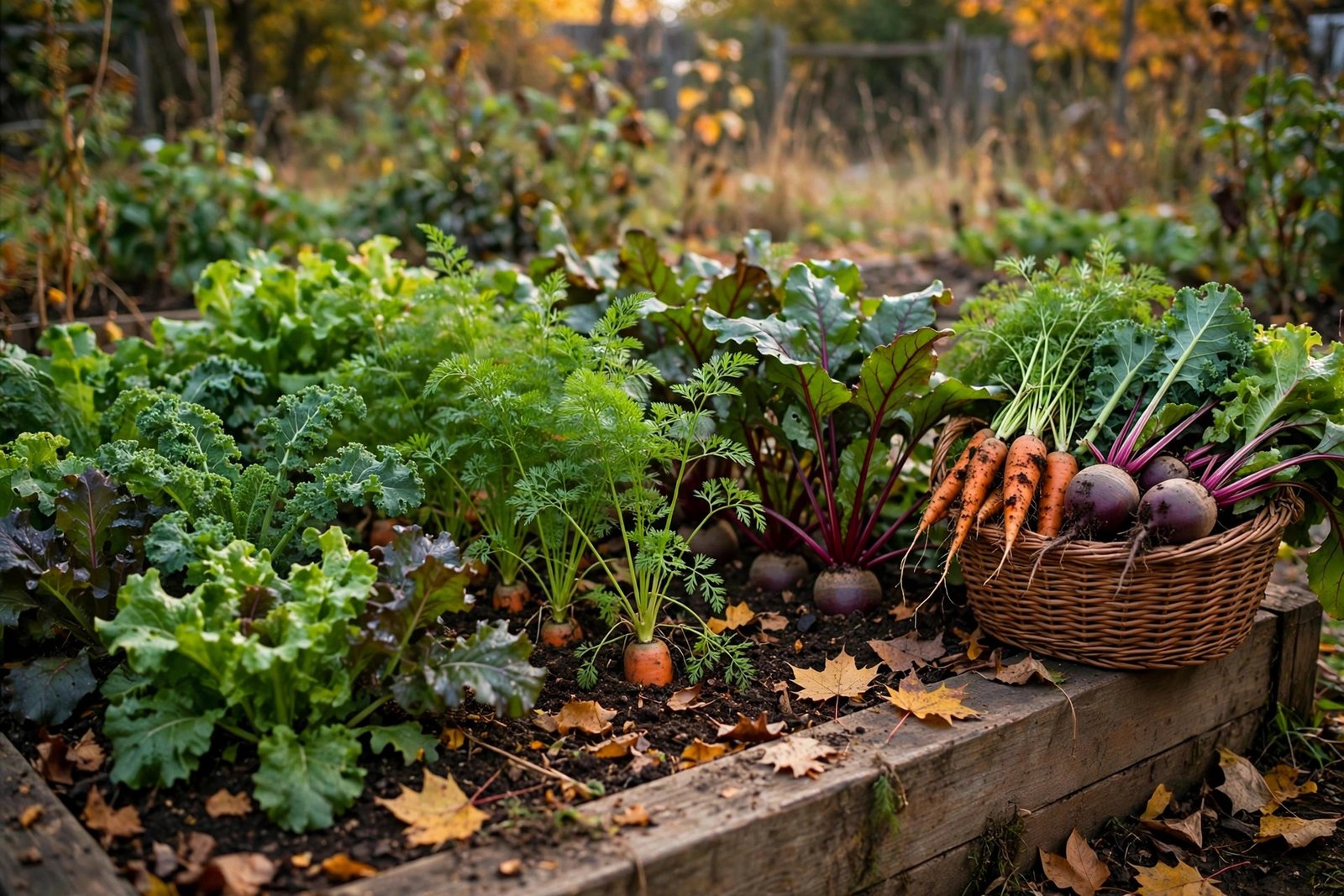
There is a particular kind of quiet that settles over the garden in late August. The tomatoes are still going, but the spring lettuce has long since bolted, the pea vines are crispy, and the beds look a little tired. Most gardeners read that quiet as the season winding down. It is actually the season starting over.
Late summer is the second planting season, and in some ways it is the better one. The soil is warm, so seeds pop fast. The weeds are slowing down. And the crops that love cool weather — the greens, the roots, the peas — grow sweeter and more tender in fall’s short days than they ever did in spring. You just have to plant them in time, which is a timing question, not a talent question. For the full timing method, see our fall sowing guide, and for what happens when frost arrives, see our frost dates and season-extension FAQ.
| Variety | Days to harvest | Frost tolerance | Best for |
|---|---|---|---|
| Cherry Belle Radish | 22 days | Light frost | The fastest payoff in the fall garden |
| Bloomsdale Spinach | 50 days | Light frost; hardy under cover | The fall green that keeps giving |
| Lacinato Dinosaur Kale | 60 days | Hardy — survives several frosts | Greens that taste better after a frost |
| Danvers 126 Carrot | 75 days | Hardy — survives several frosts | Sweet roots you can store in the ground |
| Detroit Dark Red Beet | 60 days | Light frost; roots store in mulched ground | Two crops in one — roots and greens |
| Sugar Snap Pea | 62 days | Light frost; a hard freeze ends it | A second round of sweet pods |
| Buttercrunch Lettuce | 55 days | Light frost | Cut-and-come-again salads into fall |
Best Quick Win: Cherry Belle Radish
Cherry Belle is the reason impatient gardeners love fall. Twenty-two days from seed to a crisp, round, red globe — that is barely three weeks between “I should plant something” and “pass the butter.” No other fall vegetable pays off this fast, which makes it the perfect first move when you are staring at an empty bed in late summer and wondering whether it is too late. It is not too late. For radishes, it is barely even late.
Sow the seed a half inch deep, an inch apart, in rows a foot apart, and keep the soil evenly moist — radishes turn woody and hot when they dry out, and fall’s cooler days make steady watering easy. Thin to two inches once seedlings are up. Because the crop is so fast, sow a short row every week or two and you will have fresh radishes until a hard freeze, not just one flush.
Pros: Ready in about three weeks; dead simple; succession-sow all fall.
Cons: Quality drops fast if the soil dries out; a hard freeze ends the row.
Cherry Belle Radish Seeds
Crisp red radishes in about three weeks — the fastest payoff in the fall garden.
Best Overall: Bloomsdale Spinach
If you plant one thing this fall, plant spinach, and Bloomsdale is the one to plant. It is a savoyed spinach — deeply crinkled, dark green leaves that hold up in the pan instead of dissolving — and it was bred for exactly this moment: cool weather, short days, and soil that is losing its summer warmth. Sow it in late summer and it grows steadily through fall; give it a row cover and it keeps going well past the first frosts.
Spinach is also the most forgiving fall crop to time. It germinates in cool soil, it tolerates a light frost without complaint, and you harvest it as cut-and-come-again: pick the outer leaves and the center keeps producing. Fifty days to maturity sounds like a long time until you realize you can start snipping baby leaves much sooner, and the plants just keep going while everything around them gives up.
Pros: Frost-tolerant, productive over a long picking window, genuinely better tasting in cool weather.
Cons: Needs steady moisture to stay tender; bolts if a hot spell returns.
Bloomsdale Spinach Seeds
The fall green that keeps giving — crinkled, tender leaves that shrug off light frost.
Best After a Frost: Lacinato Dinosaur Kale
Kale is the fall garden’s best argument for patience. Lacinato — the tall, blue-green, savoyed kale sometimes called dinosaur kale — grows through light frosts without flinching, and here is the part that surprises new fall gardeners: it tastes better after the cold touches it. Frost converts some of the leaf’s starches to sugars, so the same plant that was merely good in September is sweet and nutty in October.
That hardiness buys you time, too. While lettuce and peas are done at the first hard freeze, kale stands in the garden under a row cover and keeps producing leaves you can pick all the way into winter in milder zones. Plant it in late summer, give it full sun and steady water, and pick from the bottom up so the plant keeps growing from the top.
Pros: Survives several frosts; flavor improves after cold; a long harvest window.
Cons: Sixty days to full size, so it needs an earlier sowing than radishes or spinach; cabbage worms love it, so check leaf undersides.
Lacinato Dinosaur Kale Seeds
Tall blue-green leaves that survive frost after frost — and taste sweeter for it.
Best Storage Crop: Danvers 126 Carrot
Carrots are the fall garden’s savings account. Danvers 126 is a classic half-long, deep-orange carrot that grows well even in heavier soil than the long, skinny types demand, and it sweetens as the weather cools — cold turns carrot starches to sugar the same way it sweetens kale. Sow it in mid-to-late summer, keep the seedbed moist until germination (a board or burlap over the row helps), and thin ruthlessly: crowded carrots fork and stunt.
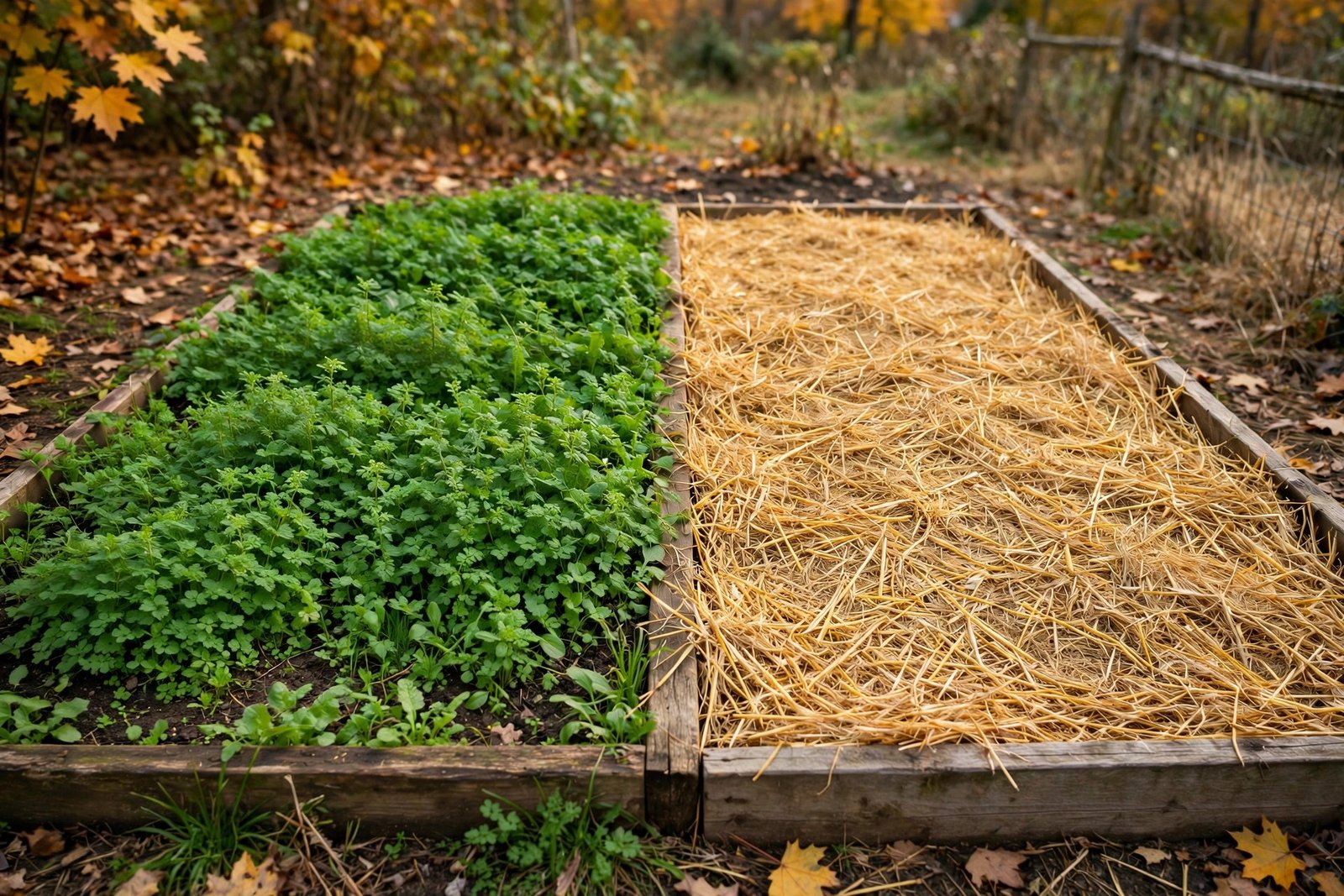
The real payoff comes after frost. Carrots are hardy enough to survive several frosts, and you can leave them right in the ground under a thick mulch of straw, pulling roots as you need them well into late fall. Seventy-five days is the longest wait on this list, so Danvers is a crop to sow early in the fall window — but it is also the crop that keeps feeding you after the rest of the garden is done.
Pros: Sweetens in cold; stores in the ground under mulch; forgiving of heavier soil.
Cons: Slow to germinate and needs steady moisture until it does; needs the earliest sowing of any crop here.
Danvers 126 Carrot Seeds
A sweet, half-long carrot that stores right in the ground under mulch.
Best Two-for-One: Detroit Dark Red Beet
Beets are the only crop on this list that pays you twice from the same seed. Detroit Dark Red gives you globe-shaped, deep-red roots in about sixty days, and the tops are cooking greens in their own right — harvest a few outer leaves while the roots size up and you get a green and a root vegetable from one row. Few fall crops use a small bed this efficiently.
Beets handle a light frost, and like carrots, their roots will keep in the ground under a heavy mulch after the tops are killed back. Sow the seed clusters a half inch deep, thin to three or four inches apart once seedlings are a couple of inches tall, and keep the water steady: dry spells make beets woody and give you rings of tough fiber instead of tender roots.
Pros: Roots plus edible greens from one planting; stores in mulched ground.
Cons: Needs thinning to size up well; woody roots if watering is erratic.
Detroit Dark Red Beet Seeds
Deep-red roots plus cooking greens from the same row — the hardest-working fall crop.
Best Second Helping: Sugar Snap Pea
Spring peas get all the attention, but fall peas are the quieter pleasure. Sugar Snap is the edible-pod pea most gardeners already know — sweet, crisp, eaten pod and all — and a late-summer sowing gives you a second harvest just as the spring crop becomes a memory. Peas actually prefer cool weather; they set pods best when days are mild, and fall delivers that without spring’s race against summer heat.
The catch is timing, and it is the only real catch. Peas need about sixty-two days, and a hard freeze ends the vines, so sow them early in the fall window and give them a trellis from day one — fall peas grow fast in warm soil and will be flopping before you get around to staking them. A light frost will not bother them, but do not expect them to survive a hard freeze the way kale does.
Pros: Sweet edible pods; loves cool weather; a genuine second harvest.
Cons: Needs an early fall sowing; a hard freeze finishes the vines.
Sugar Snap Snap Pea Seeds
Sweet edible-pod peas for a second harvest — sow early and trellis from day one.
Best Cut-and-Come-Again: Buttercrunch Lettuce
Buttercrunch is the lettuce that forgives a fall gardener’s optimism. It forms soft, buttery heads in about fifty-five days, but you do not have to wait for heads: pick outer leaves as you need them and the plant keeps producing, which stretches one sowing across weeks of salads. In spring it bolts at the first hot week; in fall it just keeps making leaves until a light frost slows it down.
Sow it in the shade of taller plants if late summer is still hot, or wait for the first cool stretch — lettuce seed germinates poorly in hot soil, so a cool spell is your friend. A row cover over the bed buys you extra weeks once frosts start, and a cold frame turns Buttercrunch into a winter crop in milder zones.
Pros: Buttery leaves, cut-and-come-again harvest, thrives in cool weather.
Cons: Seed germinates poorly in hot soil; needs a light frost cover to stretch the season.
Buttercrunch Butterhead Lettuce Seeds
Soft, buttery leaves you can pick a few at a time for weeks of fall salads.
The One to Skip for Late Plantings: Parris Island Cos Romaine
Parris Island Cos is a fine romaine — tall, crisp, sweet hearts — and in spring it earns its place easily. But it needs about seventy days to mature, which makes it the wrong bet for a late-summer sowing in most of the country. Sow it late and you are harvesting baby leaves when the first hard freeze arrives, not the tall hearts you planted it for.
If you have a long fall or a cold frame, it is worth a row. If you are planting in late August or September in a northern zone, spend that bed on spinach or radishes instead and save the romaine for spring. This is a timing verdict, not a quality verdict: the variety is good, the calendar is just against it.
If your fall is long enough for it, Parris Island Cos Romaine Seeds are the tall, sweet romaine to plant — just give them the full seventy days.
Bottom Line
Start with radishes and spinach for fast confidence, add kale and carrots for the long, sweet harvest, and tuck beets, peas, and lettuce into whatever bed space is left. Sow the slow crops first and the fast ones last, count back from your first frost with a two-week cushion for slower fall growth, and remember that a light frost is not the end of the garden — for kale and carrots, it is the beginning of the best flavor. For the step-by-step timing, read our fall sowing guide, and for frost dates and covers, our frost dates and season-extension FAQ.