This post contains affiliate links. We may earn a commission if you buy through a link, at no extra cost to you.
Here is the mistake: a lawn looks tired in fall, so you rent every machine the rental yard will load into your truck. You dethatch, you aerate, you scarify, and the lawn looks worse for a month.
Those three jobs fix three different problems. Doing the wrong one wastes a weekend. Doing all three on a lawn that needed one stresses grass that was already struggling.
This comparison settles which job your fall lawn actually needs, in what order, and which machine is worth owning if you buy one.
What each tool actually does
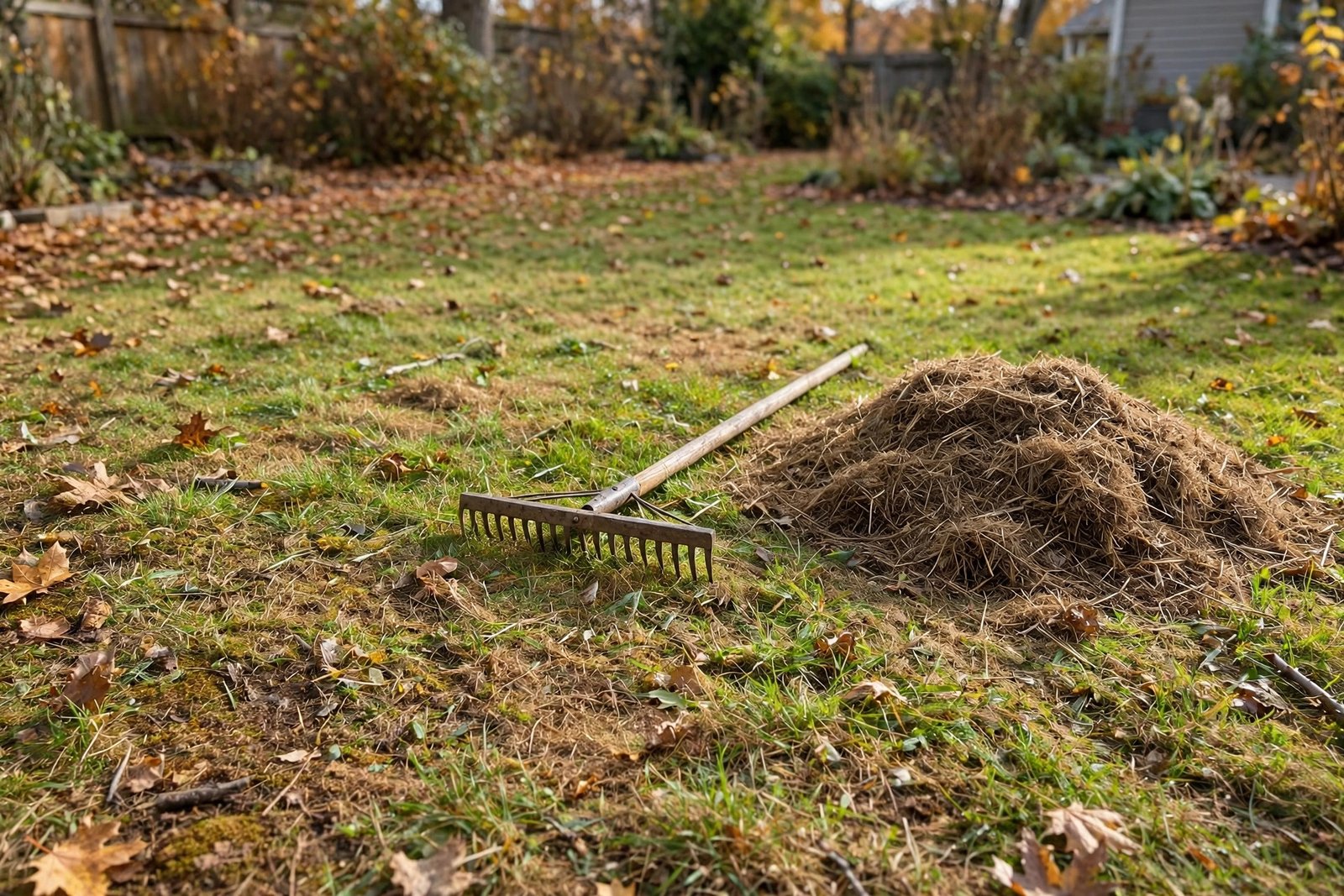
A dethatcher rakes up thatch, the matted layer of dead stems and roots sitting between the green blades and the soil. Spring-steel tines comb through that layer and pull the loose material out so water and air can reach the soil again.
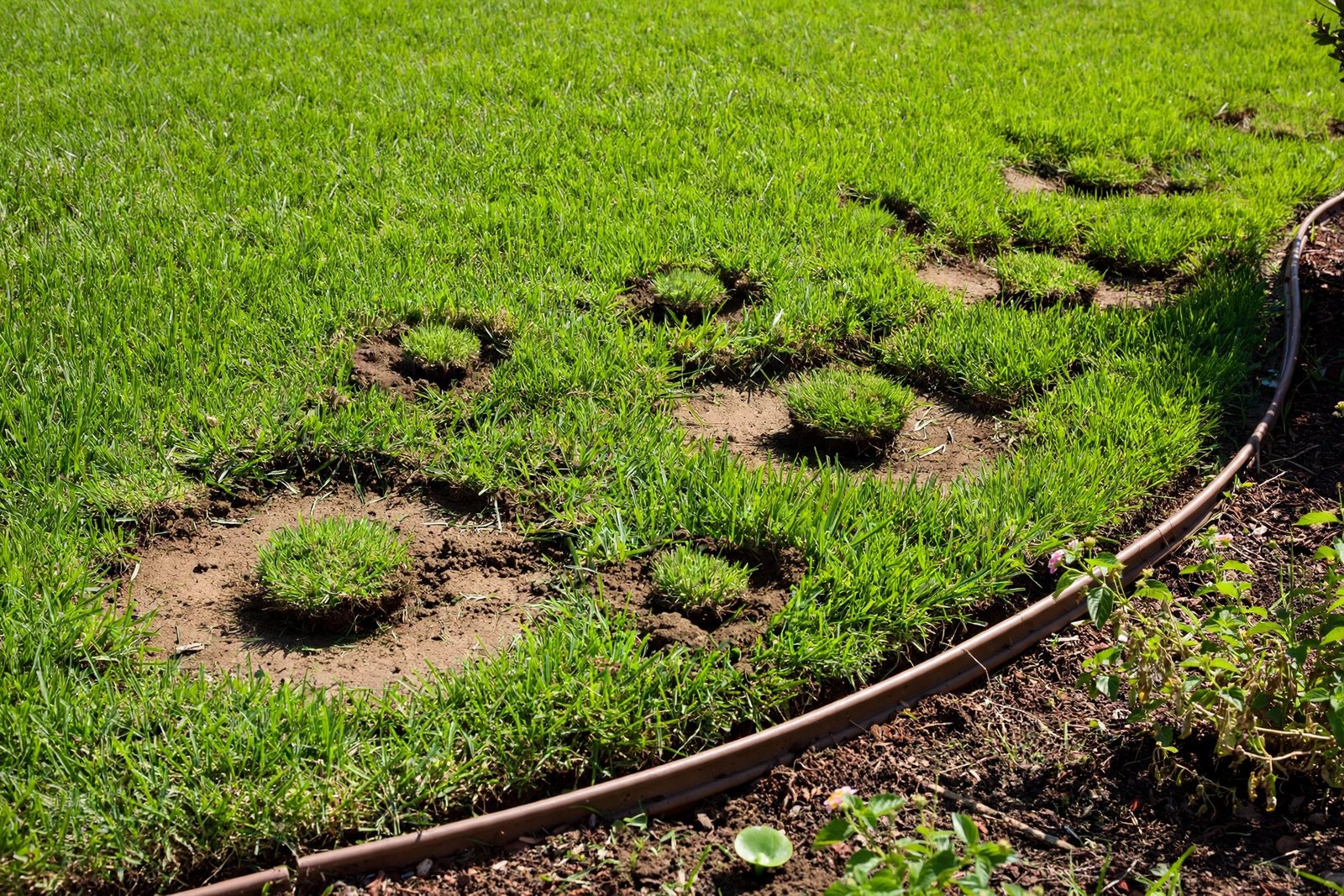
A core aerator punches plugs out of the soil, usually 2 to 3 inches deep. It fixes compaction. The holes let air, water, and nutrients reach roots that have been squeezed shut by foot traffic, mowing, and clay soil.
A scarifier cuts shallow grooves into the soil surface with vertical blades. It is the most aggressive of the three. Its real job is renovation: opening the soil before overseeding so seed makes contact instead of sitting on top of thatch.
That distinction matters because the tools look alike in the store and nothing alike in the results. A dethatcher will not fix compaction. An aerator will not remove a thick thatch mat. A scarifier used as a routine cleanup tool will tear up healthy grass for no reason.
Side-by-side: the three jobs
| Tool | What it fixes | How deep it works | Best fall use | Skip it if |
|---|---|---|---|---|
| Dethatcher | Thatch over 1/2 inch thick blocking water and air | Surface layer, tines rake the thatch mat | Cool-season lawns in early fall, while grass is actively growing | Thatch is under 1/2 inch, or the lawn is dormant or stressed |
| Core aerator | Compacted soil, puddling, thin grass on high-traffic areas | Plugs 2 to 3 inches deep | Early to mid-fall, when soil is moist and grass is growing | Soil is loose and drains well, or the lawn was aerated this year |
| Scarifier | Soil surface sealed against seed, heavy thatch before overseeding | Shallow grooves, up to about 1/2 inch into the soil | Right before overseeding a thin or patchy lawn | You are not overseeding, or the lawn is already healthy |
The verdict: which job comes first
If your lawn needs only one job this fall, it is usually aeration. Compaction is the most common problem on established lawns, and it is the one homeowners misread most often as a fertilizer problem.
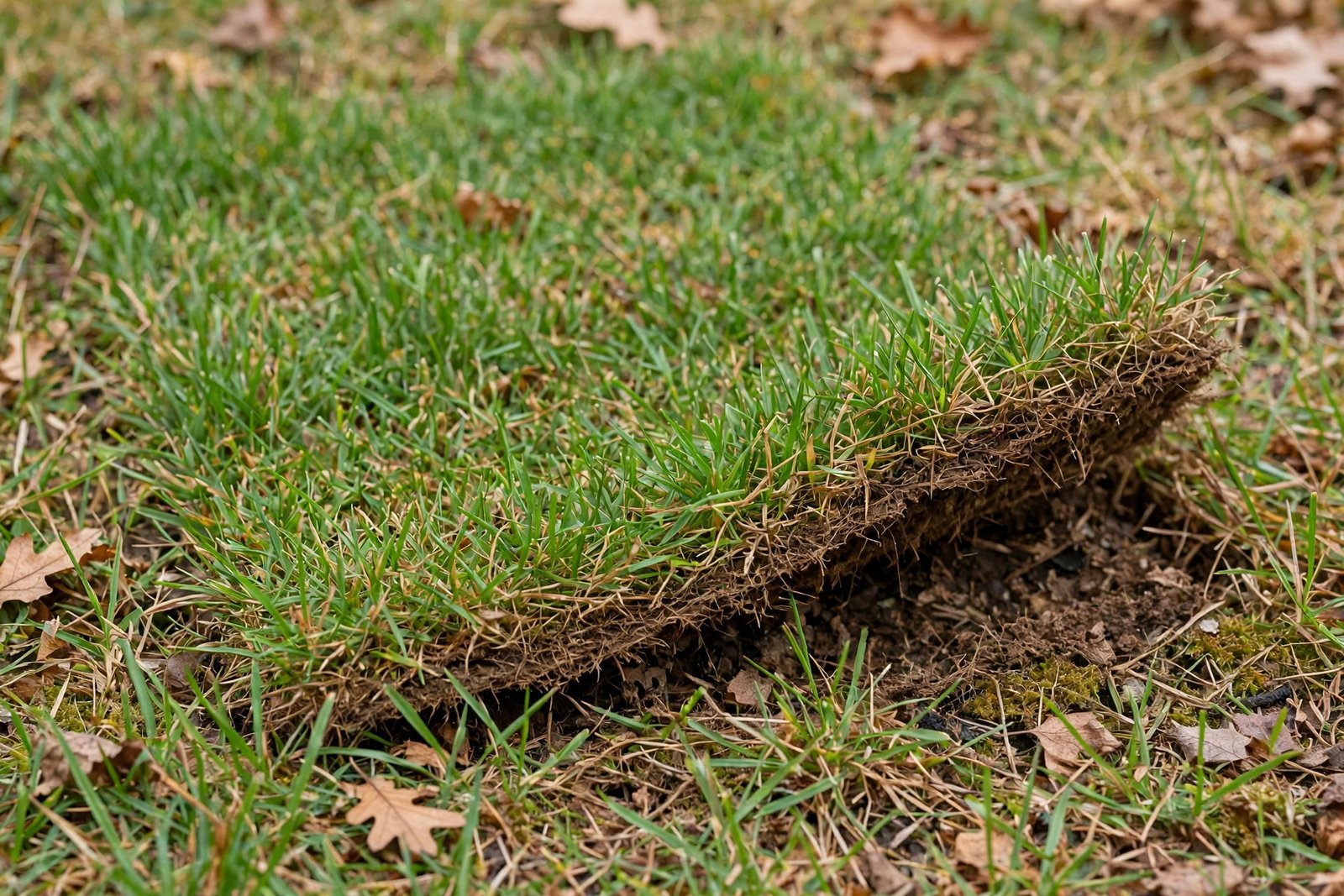
Thatch is second. Measure it before you assume it. Cut a small wedge of turf and look at the brown, spongy layer between the green blades and the soil. Under 1/2 inch, leave it alone. Over 1/2 inch, dethatch.
Scarifying is third, and only when you are overseeding. If no seed is going down, scarifying is damage without a payoff. A healthy lawn gains nothing from blades cutting grooves into its soil.
When a lawn needs two jobs, the order is dethatch first, then aerate. Dethatching clears the mat so the aerator’s tines reach soil instead of punching through debris.
If you are also overseeding, that sequence runs dethatch, aerate, then seed. The full timing and recovery plan is in Can You Dethatch and Aerate on the Same Day? Order, Timing, and Recovery.
If you are still unsure which problem you have, run the three checks in How to Tell Whether Your Lawn Needs Dethatching, Aerating, or Both before you rent or buy anything. Five minutes with a screwdriver beats a weekend with the wrong machine.
If you buy one machine
Most homeowners should not buy three machines. A combination dethatcher and scarifier covers two of the three jobs, and a core aerator is a once-a-year rental for most yards.
Best overall: Greenworks 10 Amp 14-Inch Corded Dethatcher (27022). It is a 14-inch dethatcher with a 3-position tine depth adjustment and a 10-amp motor, and it swaps to a scarifier head. One machine handles the two surface jobs, which is exactly the pair most fall lawns need.
The trade-off is the cord. You need an outdoor extension cord and a lawn you can reach with it. For a typical suburban lot, that is a fair trade for never buying gas or charging batteries.
Greenworks 10 Amp 14-Inch Corded Dethatcher (27022)
One machine for dethatching and scarifying, with a 14-inch path and adjustable tine depth.
Runner-up: Sun Joe AJ801E Dethatcher and Scarifier. It cuts a 12.6-inch path with a 12-amp motor and a 5-position depth control, from 0.4 inches below the soil to 0.4 inches above it. It also includes an 8-gallon collection bag, which the Greenworks does not.
The trade-off is width and capacity. The narrower path means more passes on a big lawn, and the bag fills fast on heavy thatch. On a small or medium yard, the bag is a genuine convenience.
Sun Joe AJ801E Dethatcher and Scarifier
Narrower path than the Greenworks, but adds a collection bag and finer depth control.
Not recommended: a spike aerator. Spike aerators punch holes without removing plugs, which pushes soil aside and can compact the sides of each hole. If compaction is your problem, a spike tool works against you.
Rent a plug aerator instead, or hire the job out. One proper core aeration beats three passes with a spike tool. Our earlier comparison, Spike vs Plug Aerators: Which One Is Better for Your Lawn?, covers the difference in full.
The mistake that wastes a fall weekend
The costliest error is not picking the wrong tool. It is doing the jobs on a lawn that cannot recover from them. Dethatching or scarifying a dormant, drought-stressed, or heat-beaten lawn strips cover it cannot regrow.
Fall work belongs in the window when cool-season grass is actively growing and soil is moist. That is early to mid-fall for most cool-season lawns. Warm-season lawns run on a different clock entirely, and fall is usually the wrong season for aggressive work on them.
Water the day before you work so tines and plugs cut cleanly instead of bouncing off dry soil. Mow a little shorter than usual first so the machine reaches the thatch layer instead of chewing through tall grass.
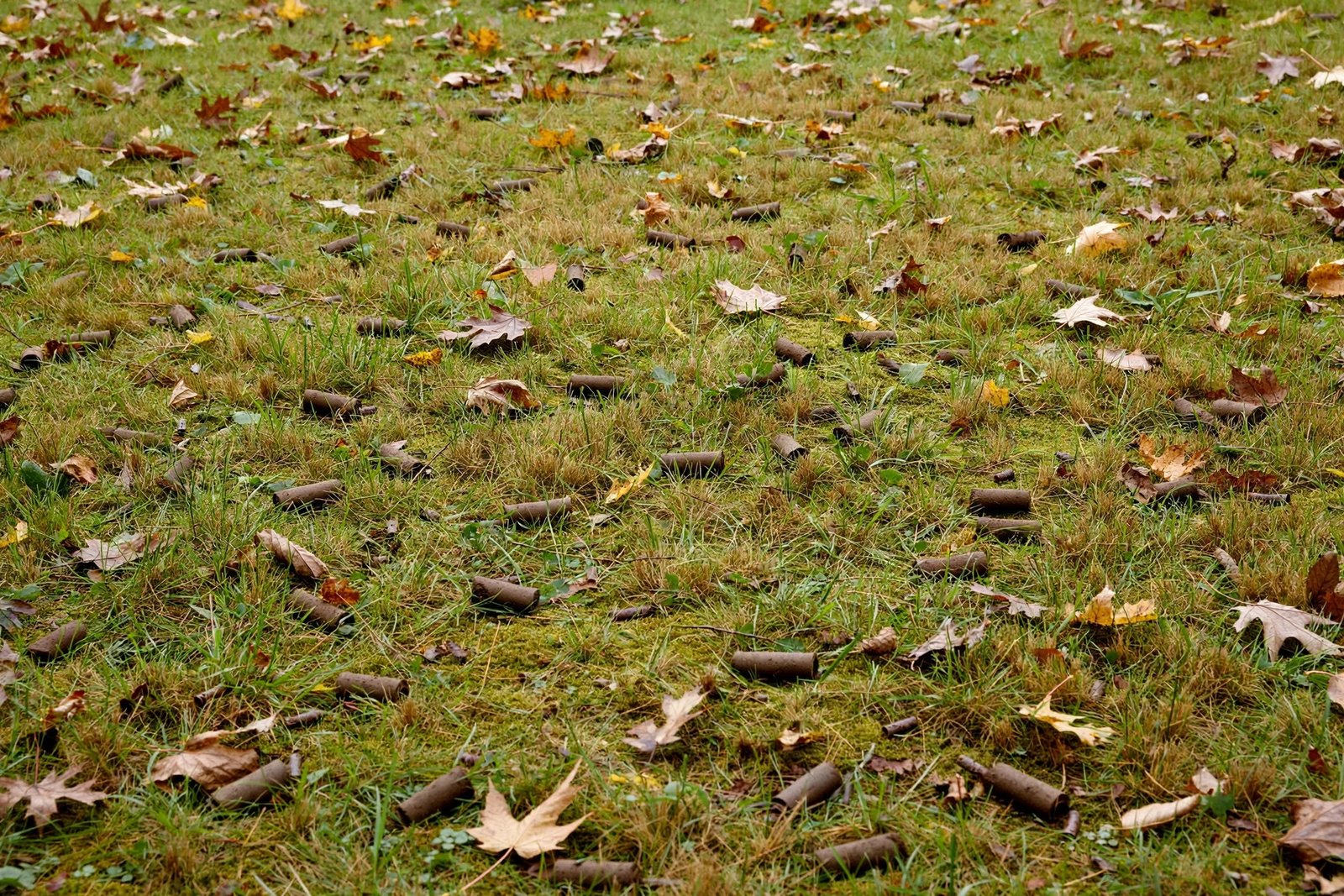
After the job, water normally and stay off the lawn for a few days. The plugs from a core aerator can stay where they fall. They break down on their own, and raking them up throws away the loosened soil.
How to decide in five minutes
Push a screwdriver into the soil. If it stops within an inch on moist ground, compaction is likely, and aeration is your job.
Cut a small turf wedge and measure the thatch layer. Over 1/2 inch means dethatching earns its place. Under that, skip it.
Ask whether seed is going down this fall. If yes, scarifying belongs in the plan, right before the seed. If no, scarifying stays in the shed.
That is the whole decision. One job, done in season, beats three jobs done out of hope. For the deeper background, see Lawn Aerators Explained: When, Why, and Which Type Actually Works, Does My Lawn Need Dethatching? 7 Clear Signs Most Homeowners Miss, and How to Care for Your Lawn After Aerating.
Bottom line
Aerate for compaction, dethatch for thatch over 1/2 inch, scarify only before overseeding. Do the jobs in that order, in season, on moist soil, and give the lawn a few quiet days after.
Buy the combination machine if you dethatch most years. Rent the core aerator. Leave the spike aerator and the scarifier-only pass for jobs that actually call for them.