Landscape & Leisure is reader-supported. When you buy through links on our site, including Botanical Interests seed links, we may earn a commission at no extra cost to you. Prices change, so click through to confirm current pricing.
There is a particular kind of spring heartbreak that starts in a drawer. You pull out last year’s packets, sow with confidence, and wait — and wait — while the tray stays bare. The seed wasn’t bad when you bought it. It just spent a year in the worst possible place: warm, damp, and lit.
Seeds keep best the way you would keep anything alive but asleep: cool, dry, and dark. Get those three right and most vegetable seed stays viable for years past its packet date. Get them wrong and even fresh seed fades fast. If a packet has already let you down, our guide to why seeds fail will tell you whether storage was the culprit.
| Crop group | Typical viability, stored well | Notes |
|---|---|---|
| Onion | About 1 year | Buy fresh every year; the shortest keeper here |
| Corn, peppers | About 2 years | Test before trusting a third-year packet |
| Beans, carrots, peas | About 3 years | Carrot-family seed fades fastest of this group |
| Beets, squash, tomatoes | About 4 years | Tomatoes often outlast their date by a good margin |
| Broccoli, cabbage, lettuce, radish, spinach | About 5 years | The long keepers — still test before a big sowing |
Why seeds fade in storage
A seed is a plant in waiting, and waiting costs energy. Warmth speeds up that slow burn; moisture wakes the seed just enough to start chemistry it can’t finish; light degrades it further. Every step of good storage is about slowing that burn to a crawl: cold slows it, dryness pauses it, darkness protects it.
Humidity is the enemy to beat first. Seed stored damp molds, rots, or sprouts in the packet. A packet tossed in a humid garage or a sunny kitchen drawer is living in the worst of all three conditions at once.
The three rules, in order
Cool: 32–50°F is ideal. A refrigerator is the home gardener’s best seed vault. An unheated basement or a cool closet works too. What doesn’t work is anywhere warm: above the fridge, near a radiator, or in a sunlit room. Extension guidance puts ideal storage around 40°F.
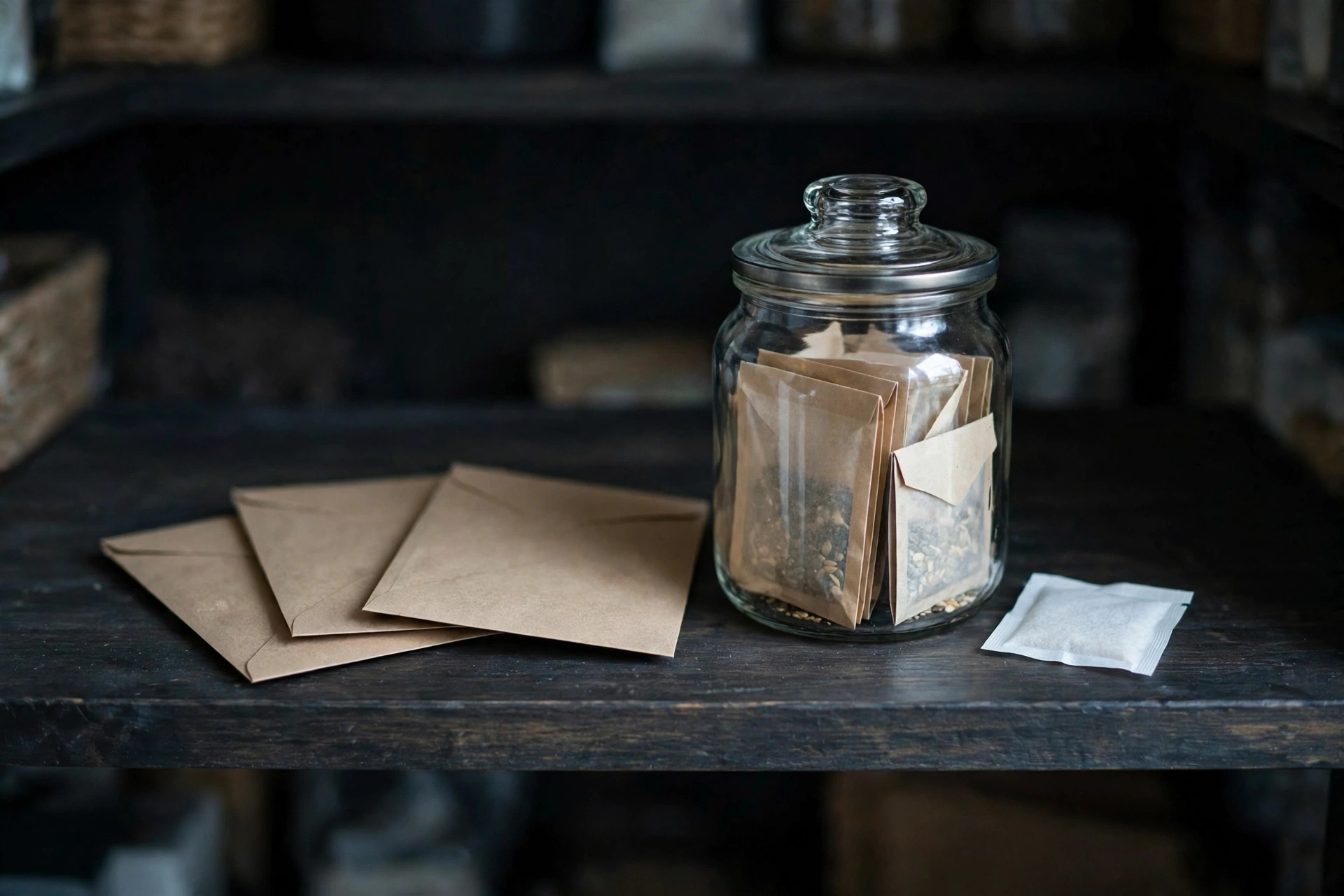
Dry: below 50% relative humidity. Keep seed in a sealed glass jar with a tight lid — it keeps moisture out and mice and insects off. A few silica gel packets inside the jar help in humid houses. If you save your own seed, drying it fully before jarring matters more than anything else: Iowa State Extension recommends drying saved seed in labeled envelopes with silica gel for one to two weeks before sealing it away, and warns against food dehydrators, which usually run too warm.
Dark: light degrades viability slowly. An opaque container, a covered box, or simply a jar kept inside a closed cupboard does the job. A clear jar on a sunny shelf is a slow mistake.
How to store them, step by step
1. Dry saved seed completely. Spread it, label it, and give it time. Seed that feels dry on the outside can still hold moisture inside; the silica-gel envelope trick above is the reliable test.
2. Label everything. Variety, source, and year purchased or saved. A jar of mystery seed is a jar you won’t trust in spring, and untrusted seed doesn’t get sown.
3. Jar it airtight. Glass jars with tight lids beat paper envelopes for long storage. One jar per crop family keeps things findable, and a silica packet per jar keeps things dry.
4. Keep it cold — and keep it away from the fruit bowl. Refrigerated seed should sit in an airtight container, away from aging fruit and vegetables, which give off ethylene gas that harms germination. And when sowing day comes, let the sealed jar warm to room temperature before opening it, or condensation will wet the seed you worked to keep dry.
5. Don’t freeze unless you’re certain. Freezing works only for seed that is thoroughly dry. Seed with moisture inside forms ice crystals that kill the embryo. If you aren’t sure it’s dry, the fridge beats the freezer.
Test before you trust
About a month before planting, test any packet older than a year or any packet you’re unsure about. The paper-towel test is simple: 10 seeds on a damp towel, folded, sealed in a bag, kept warm. Count sprouts after the crop’s normal germination window. Eight to ten means good seed. Five to seven means sow about one and a half times as thick. Under five — or under 40% by Extension’s rule of thumb — means the packet has earned retirement.
That test is also your permission slip to stop hoarding. Seed that tests well gets sown with confidence. Seed that doesn’t gets replaced, and a fresh packet sown at full strength will out-yield a tired packet sown thick every time.
The Beginner’s Garden Seed Bundle
When the test says a packet is done, replace it with fresh seed across the whole vegetable garden in one box.
When stored seed goes back into soil
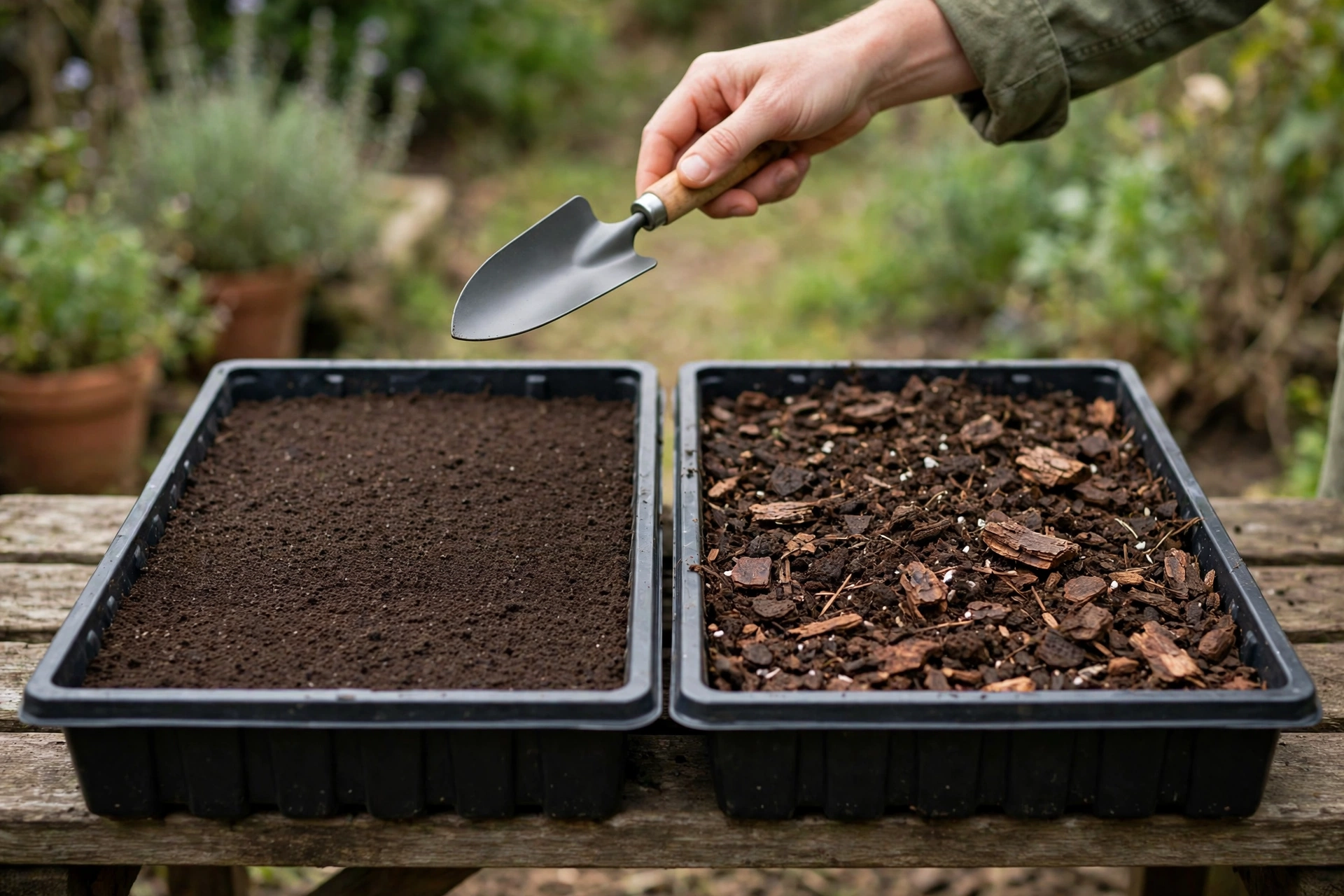
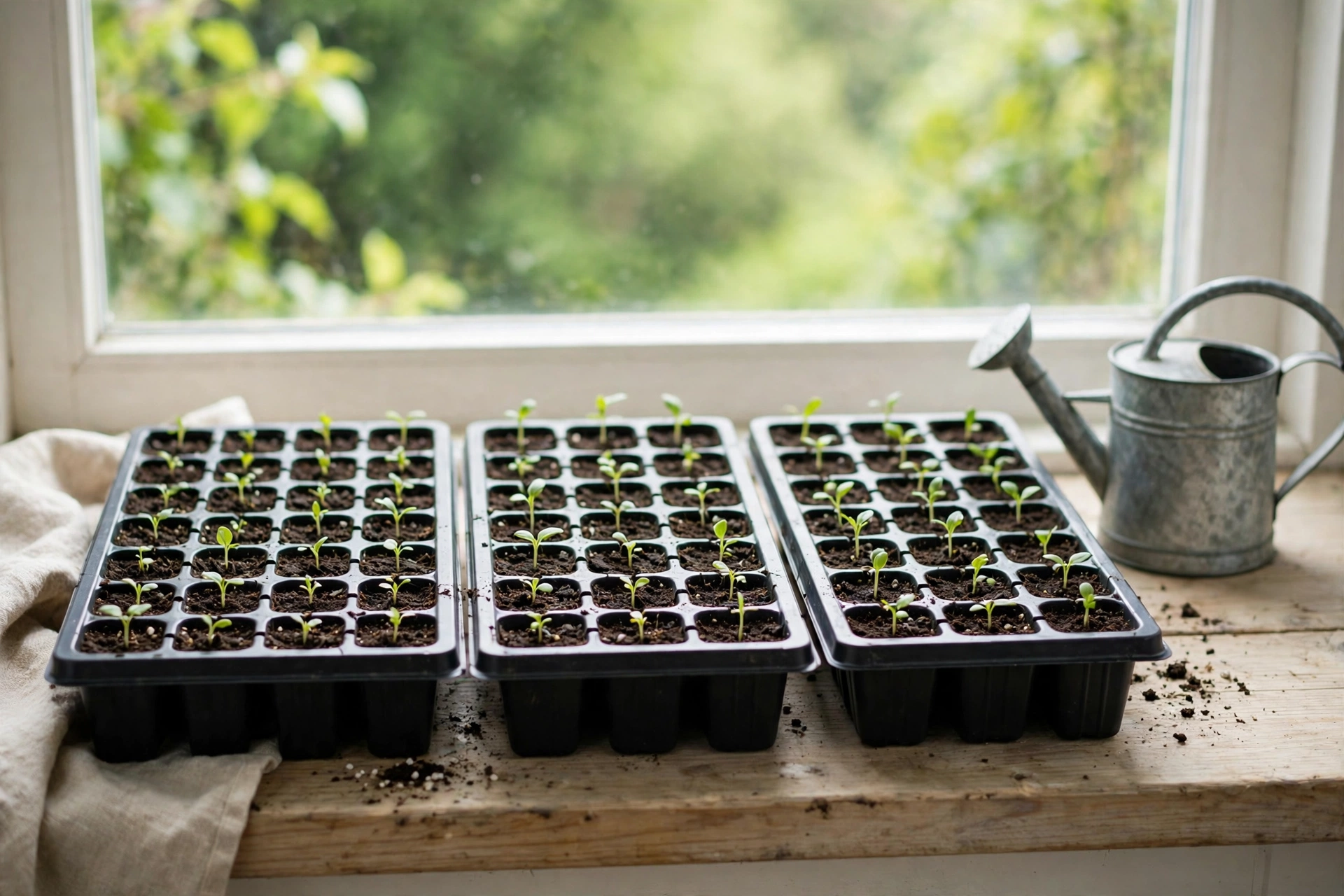
Good storage only pays off if the sowing is good too. Stored seed goes into clean trays and a fine, sterile mix — our seed-starting mix vs. potting soil comparison explains why that mix matters — with steady warmth underneath. Two pieces of kit make that sowing far more forgiving: cells that drain properly, and gentle bottom heat for the slow, heat-loving crops.
Epic 6-Cell Seed Starting Trays
Clean, reusable cells that give stored seed a well-drained, well-spaced start.
Seed Starting Heat Mat
Steady warmth under the tray for peppers, tomatoes, and any stored seed that needs coaxing.
Bottom Line
Cool, dry, dark, sealed, and labeled — that’s the whole system. Test anything older than a year before you trust it, replace what fails without guilt, and your seed drawer becomes the most reliable part of spring instead of its biggest gamble.