This post contains no product recommendations. If you are ready to compare models, see our best zero-turn mowers for homeowners.
Here is the mistake most homeowners make with a zero-turn mower: they buy speed they never use. A zero-turn turns on a dime, and that feels like a revolution the first time you mow around a tree. On a wide-open acre, though, the machine that wins is usually the one that fits your gates, your slopes, and your budget — not the one with the biggest deck.
The time math, done honestly
A rough rule of thumb puts a 42-inch deck at about 5 miles per hour at roughly 1.4 acres per hour once you allow for turns and overlap. That is a theoretical figure with a 75 percent efficiency allowance, not a promise. Your actual number drops with trees, beds, fences, and anything else that forces you to slow down and turn.
On one open acre, that math means the mowing itself takes well under an hour with a zero-turn. A lawn tractor with the same deck width is not dramatically slower on straight runs. The zero-turn pulls ahead where a tractor wastes time: tight turns at the end of each pass, circling trees, and trimming around beds. If your acre is mostly open rectangle, the time saving is modest. If it is dotted with obstacles, the saving is real.
When a zero-turn is worth it
A zero-turn earns its keep on one acre when three things are true. First, you have enough obstacles that turning matters — trees, a play set, beds, a winding drive. Second, your gates and storage fit the deck you need, which is a bigger deal than most buyers expect. Third, you mow often enough that saving 15 to 20 minutes a week adds up to something you actually feel.
It also helps if you like mowing. That sounds flippant, but a zero-turn is a different driving experience — lap bars instead of a steering wheel — and some people never warm to it. A machine you dread driving is a bad buy at any price.
When a lawn tractor still wins
A lawn tractor wins on slopes, on versatility, and on price. Zero-turns steer by braking one rear wheel, which makes them skittish on side slopes and poor on wet hills. If your acre tilts, a tractor with a steering wheel and a lower center of gravity is the safer, saner choice. Check your mower’s manual for its slope limit before you buy, and walk your steepest ground with a critical eye.
Tractors also tow, haul, and take attachments — carts, spreaders, snow blades — that most residential zero-turns do not. And a decent lawn tractor typically costs hundreds less than a comparable zero-turn. If your acre is open, fairly flat, and you want one machine that does everything, the tractor is hard to beat.
The gate and storage test
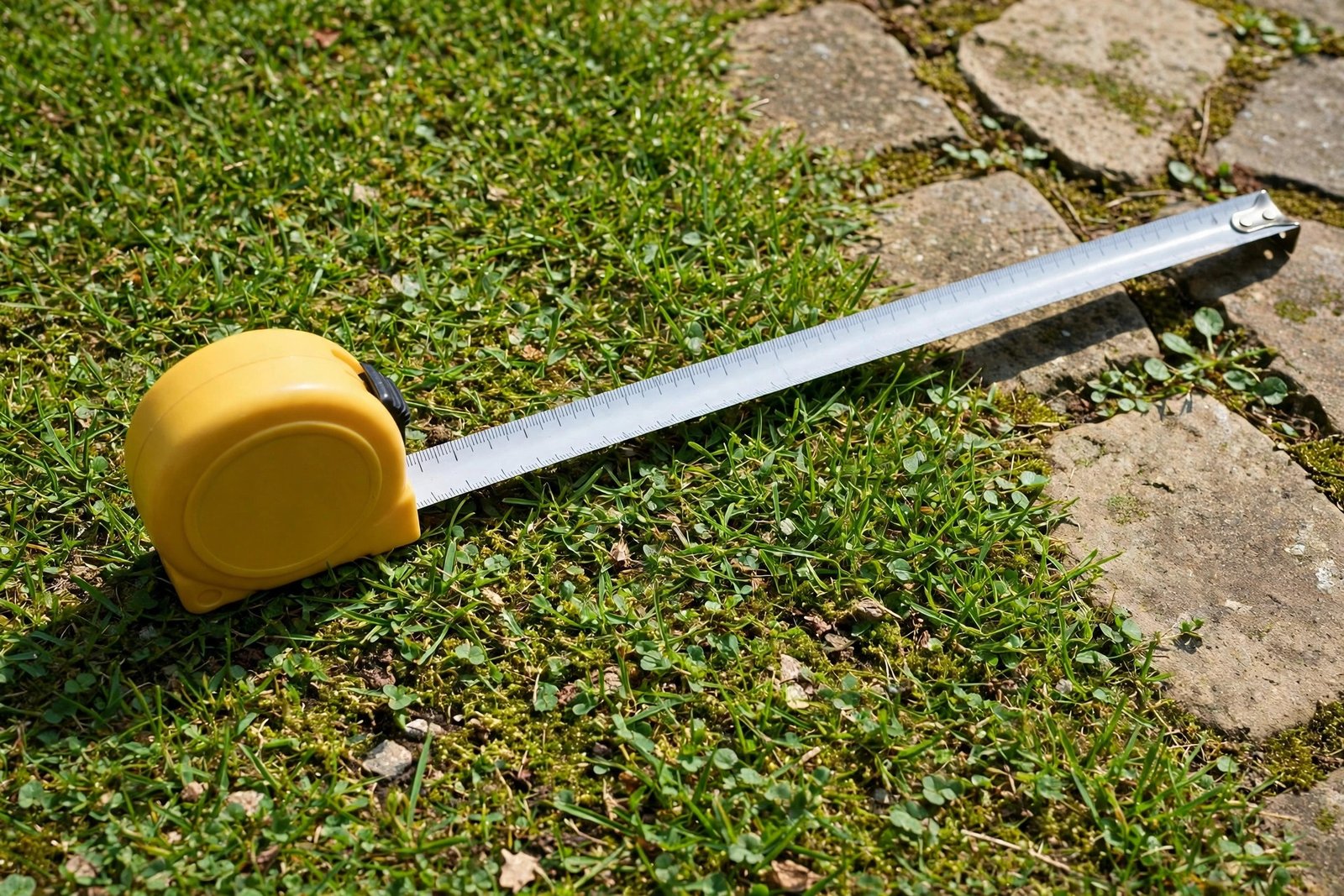
Measure before you shop. A 42-inch deck needs a gate wider than 42 inches once you count the discharge chute and your own margin for error. A 48- or 54-inch deck that cannot reach the back yard is not a bargain; it is a very expensive front-yard mower.
Storage matters too. Zero-turns are long, and the lap bars stick up. Measure the shed door, the trailer ramp, and the space between the mower and the wall. If you have to shuffle everything else in the garage to park it, that friction will cost you mows.
The cost question
Residential zero-turns start well above comparable lawn tractors, and the gap grows with deck size and engine. Add a trailer if you do not already own one wide enough, plus blades, belts, and oil changes on a bigger machine. The running cost per mow is not the issue — the purchase price is.
So ask the plain question: how many minutes a week are you actually buying, and what else could that money do? On a flat, open acre mowed weekly, a tractor banks most of the same result for less money. On an obstacle course of an acre, the zero-turn pays you back in time and in the simple pleasure of a clean turn.
Bottom line
For one acre, a zero-turn is worth it when your yard has enough turns to make turning the bottleneck, your gates and storage fit the deck, and your slopes are gentle. It is not worth it when your acre is open and flat, steep, or gate-constrained — in those cases, a lawn tractor does the same job for less money and more versatility. Either way, start with the tape measure, not the horsepower rating. And when you are ready to compare specific models, our best zero-turn mowers for homeowners roundup does the model-by-model work.
Related reading: Gas vs Electric Zero-Turn Mowers: Which Makes Sense for 1 Acre? and What Size Zero-Turn Mower Deck Do You Need?