Dear Seasoned Spade,
Every fall my neighbor fires up his rototiller and turns his whole vegetable garden into a brown sea, and every fall he tells me I am being lazy for not doing the same. My beds grew fine this year. Am I missing something, or is all that tilling doing less than he thinks?
— Unturned in Ohio
Unturned,
Your neighbor owns a loud machine and a strong opinion, which is a combination the garden world knows well. The tiller promises a clean slate, and a freshly tilled bed does look impressively finished — smooth, dark, and ready for a magazine cover. The trouble is that your soil is not a slate. It is a neighborhood, and the tiller is a tornado that visits it twice a year.
So, What’s the Deal with Fall Tilling?
Here is what happens underground when a tiller goes through. Over the season, roots, earthworms, and fungi build a loose structure in your soil — tiny tunnels and crumbs that hold water, drain well, and let roots travel. Tilling shreds that structure in an afternoon. The bed looks fluffy for about a week, and then rain and gravity settle it back down, often tighter than before, because the crumbs that held it open are gone.
Tilling also does your weeds a favor you never intended. Every pass brings buried weed seeds up into the light, which is exactly where they need to be to sprout in spring. And a bare, tilled bed sits exposed all winter, so wind and hard rain carry your best topsoil off a little at a time, while the worms and microbes that were feeding your plants lose their food and shelter right when the cold arrives.
None of this means a tiller is a villain. It means the machine solves a short list of problems and creates a longer one when you use it out of habit.
Here’s Where It Gets Tricky
There are honest exceptions, and I will give them to you straight. A brand-new bed on compacted construction soil, or a plot so choked with perennial roots that you cannot get a shovel in, may genuinely need one thorough tilling to get started. Working a large amount of lime or rock minerals deep into poor soil for the first time is another fair use.
Notice the pattern in those exceptions, though. Each one is a single rescue for a bed that is just getting started, and an established bed that already grows well does not need that rescue repeated every year. Once your beds are producing the way yours plainly are, yearly tilling adds work without adding anything the plants can use, and your neighbor’s smooth brown sea mostly proves that his tiller still runs.
What to Do with Your Beds Instead
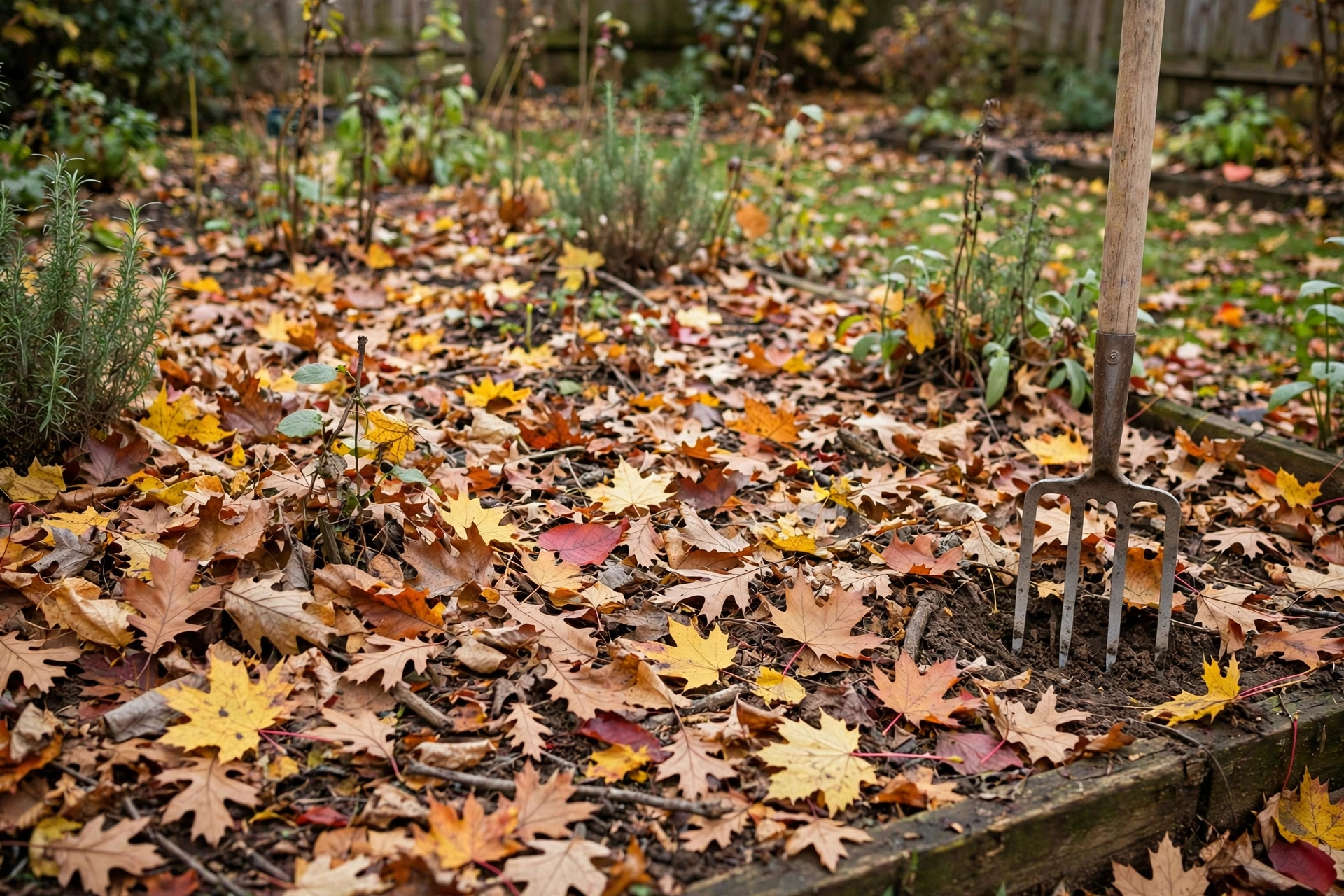
So, let’s talk solutions, because leaving beds alone does not mean leaving them bare. After your last harvest, spread 2 to 3 inches of compost over the bed and leave it right on the surface. Rain and worms will pull it down through the winter, and in spring you plant straight through what is left. If you want to get the blend right for what you grew, the site’s compost blend calculator helps you balance greens and browns before you spread.
Then cover the bed for winter. A thick layer of shredded leaves, straw, or a sown cover crop like annual ryegrass holds the soil in place, keeps the surface from crusting, and feeds the underground neighborhood instead of evicting it. With that cover in place, the bed keeps gaining organic matter all winter while you stay indoors, which is a much better arrangement than paying for fuel to churn it.
Come spring, pull the cover aside, loosen only the planting row with a fork if the soil feels tight, and top up the bed if it has settled. If you need to figure out how much material a top-up takes, the raised-bed soil volume calculator does the math before you start hauling bags.
Leave the Tiller in the Shed, Unturned
So the verdict lands clearly: for established beds that grew well, skip the fall tilling and cover the soil instead. Your neighbor is not lazy-proofing his garden. He is working harder than you to get soil that is no better, and in some seasons a little worse, than the beds you simply fed and covered.
Keep your compost coming, keep your beds covered, and let the worms do the turning at their own pace. They have been at it far longer than either of us, and they work for free through the whole winter.
Seasonedly yours,
The Seasoned Spade