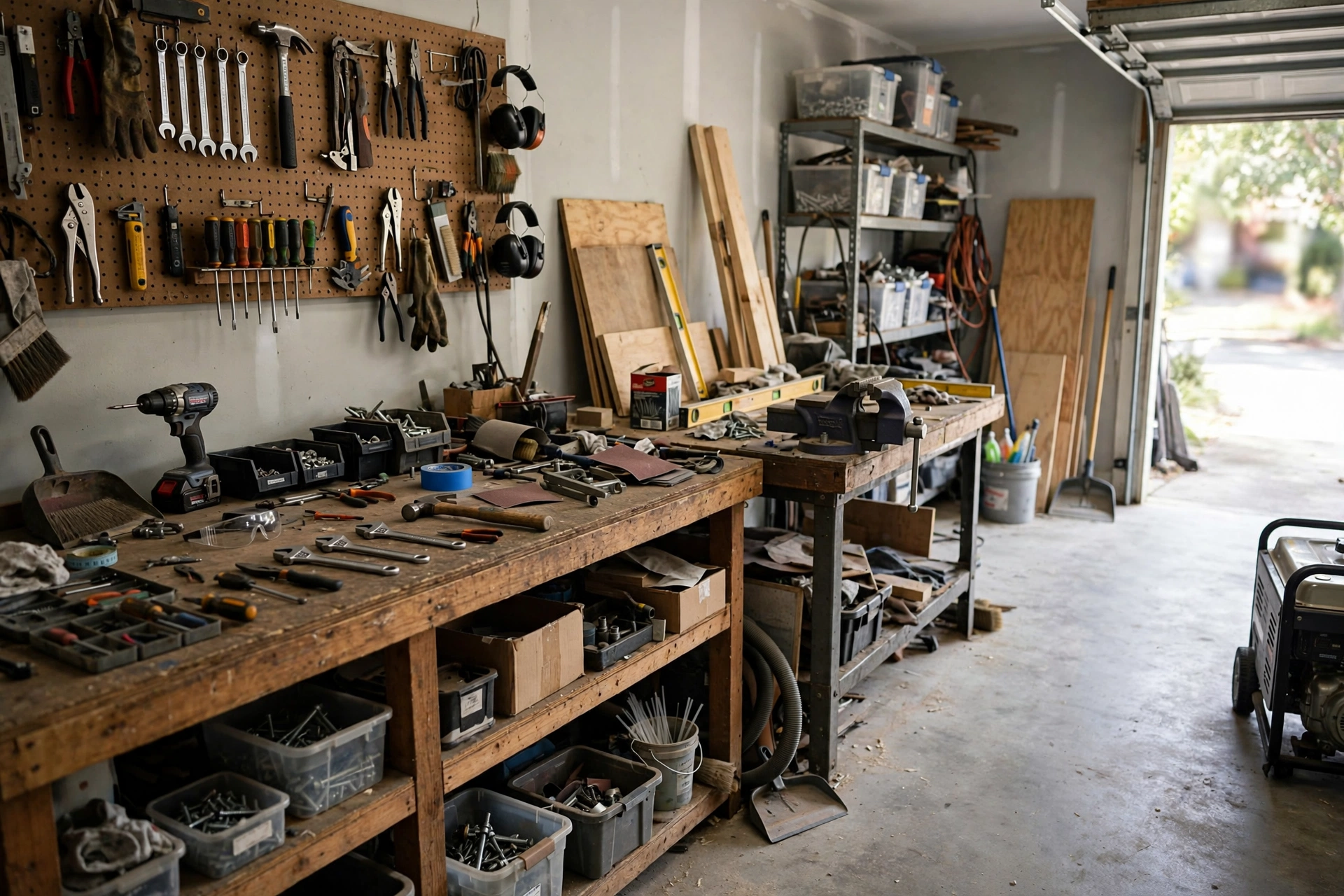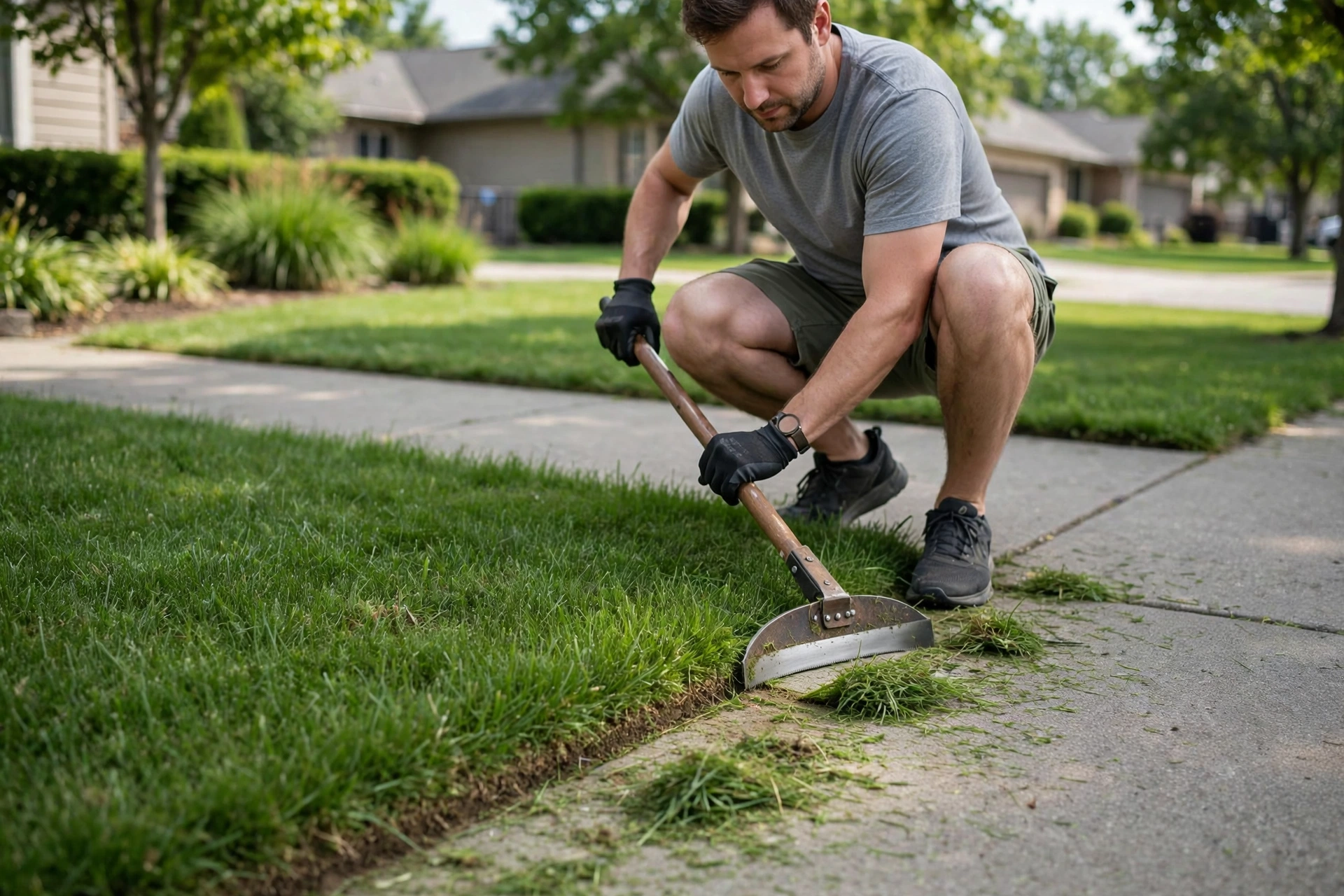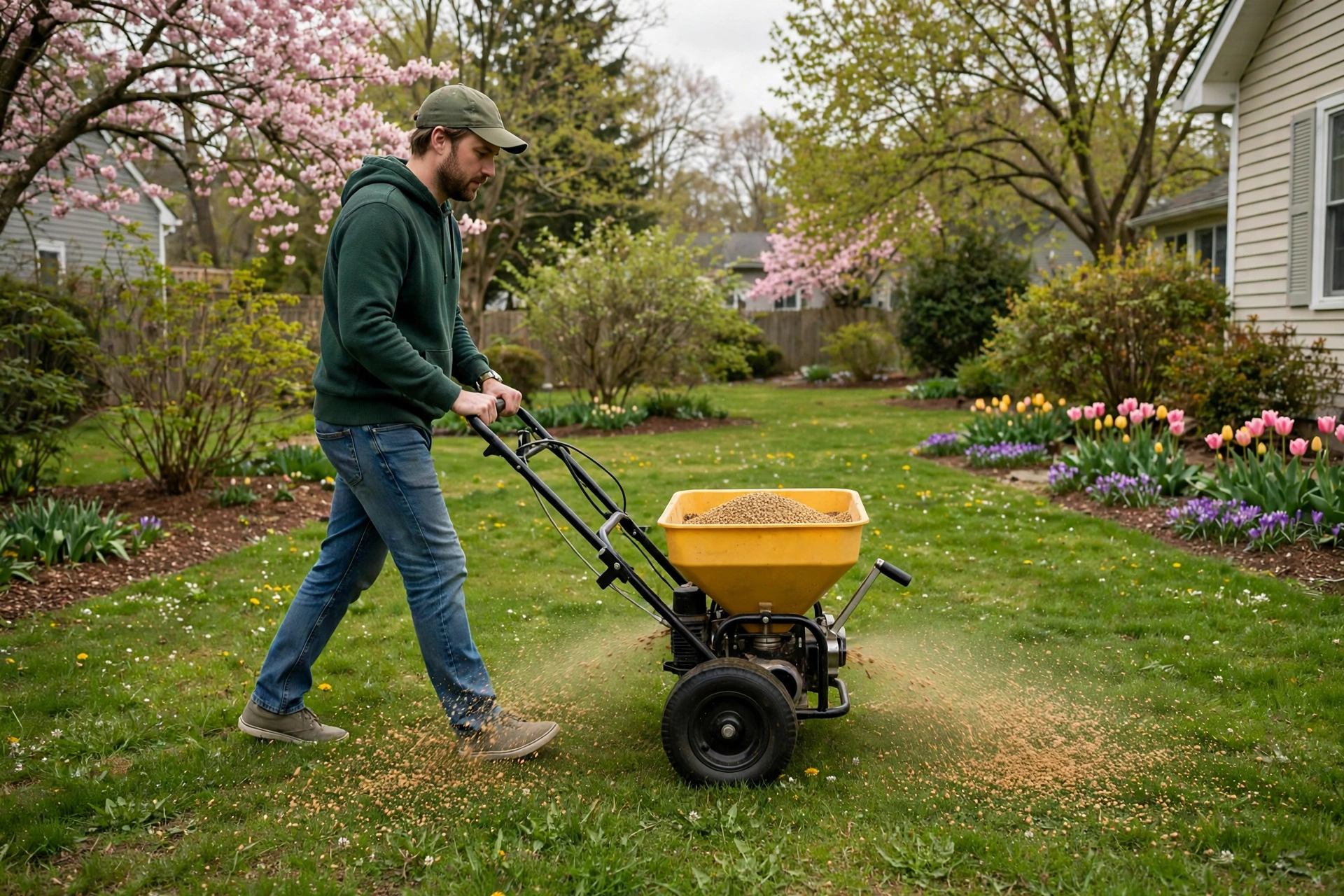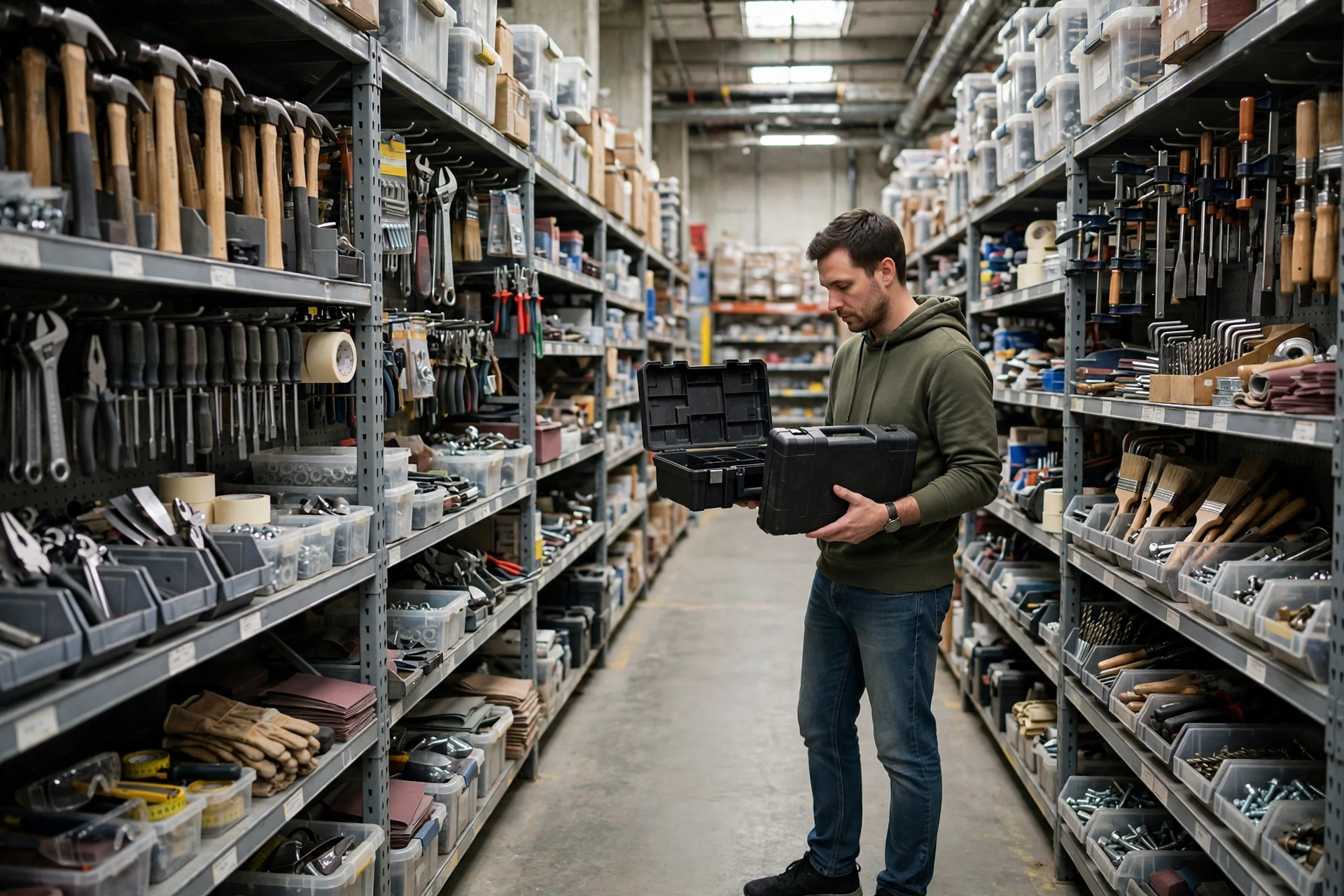
Harbor Freight sells tools across a counter, in more than 1,600 stores across the United States. Vevor sells tools from a website, and the box arrives at your door a few days after you order. Nearly every practical difference between these two brands grows out of that single fact.
Both names come up whenever a garage needs stocking or a piece of yard equipment needs replacing on a budget, and both undercut the big-name brands on price. What separates them is what happens around the purchase: how a return works, who answers when something breaks, and whether you can put a hand on the tool before you pay for it.
Buying: a store run versus a delivery
At Harbor Freight, you walk in, pick the tool off the shelf, and work with it the same afternoon. If the box is wrong, you find out in the parking lot, not after a week of shipping in both directions. The shelves also let you compare the house brands side by side — Bauer for mid-tier cordless tools, Hercules for the professional line, Predator for engines and generators — and feel the weight difference before money changes hands.
At Vevor, the catalog is the store. It runs far wider than any single Harbor Freight location: yard and garden equipment, garage gear, kitchen machines, outdoor living, and categories a tool store simply does not stock. The cost of that breadth is patience and faith in a listing page, because nothing can be handled, tested, or taken home today.
Returns and warranty, side by side
| Topic | Harbor Freight | Vevor |
|---|---|---|
| Where you buy | 1,600+ US stores, plus online | Online only; ships to your door |
| Returns | 90 days from purchase, at any store, for a refund or exchange | 30 days from delivery by mail; 90 days for defective items |
| Warranty | 90 days on most house brands; 5 years on Hercules tools and batteries; paid protection plans at checkout | 12 months across the catalog |
| Parts and help | Staff in store; common parts and accessories on the shelf | Support by message and phone; parts ship to you |
| Range | Deep in hand tools, power tools, and garage equipment under its own brands | Broader catalog, including yard, kitchen, and outdoor categories Harbor Freight does not carry |
Read together, the two policies describe two different kinds of trial period. Harbor Freight’s 90 days happen in person: the tool goes back across the counter, with proof of purchase, and you leave with a refund or a replacement the same day. Vevor’s return travels by mail, and its longer window is reserved for defective items. Warranty cuts the other way — a buyer comparing a Vevor machine against a Bauer tool is comparing 12 months of coverage against 90 days, and on anything with a motor that difference is real money.
Parts, platforms, and the second purchase
The first tool is rarely the last purchase a brand asks of you. Harbor Freight’s cordless lines make that obvious: a Bauer or Hercules battery bought for a drill fits the rest of that line, the chargers and bare tools sit in the same aisle, and a replacement battery is a store run rather than a shipping wait. Anyone building a cordless collection gets more value from that ecosystem with every tool added.
Vevor’s equipment is mostly standalone: a machine, its charger or accessories, and a support channel if something wears out. For a single-purpose machine — a chipper, a spreader, a workbench — that is no hardship, and our overview of whether Vevor tools are worth it found the machines themselves are usually the strong part of the deal. For anything that runs on a shared battery platform, the store brand has the structural advantage.
There is also the matter of the failed tool on a Saturday morning. A Harbor Freight tool that dies mid-job can be exchanged before lunch, and the job finishes the same day. A Vevor tool that dies mid-job starts a support conversation and a wait, and the job finishes when the replacement arrives. How much that matters depends entirely on whether the tool is your only one.
Price: closer than the stickers suggest
Vevor’s listed prices are often the lower of the two on comparable equipment, and most Vevor orders ship free. Harbor Freight’s shelf prices run higher on some items and lower on others, and its constant cycle of sales and coupons means the price on the tag is frequently not the price a patient buyer pays.
The honest way to compare is on the whole purchase: the tool, the warranty length behind it, and the cost of a failure. A Vevor machine that costs less and carries 12 months of coverage can be the better buy even with mail-in returns. A Harbor Freight tool that costs a little more can earn the difference the first time it goes back across the counter instead of into a shipping box. Our comparisons with Vevor vs Home Depot and Vevor vs Amazon land in the same place: the store’s advantage is that a person in the building takes the return and hands you another tool.
The generator test case
Generators show the split at its sharpest, because a generator is bought for the worst day of the year. Harbor Freight’s Predator line is one of the best-known budget generator brands in the country, and a Predator that fails during an outage goes back to a store. A Vevor generator costs less at the same wattage and carries the longer standard warranty, and a failure during an outage starts a mail-in claim. Our full look at whether Vevor generators are worth it works through the wattages and noise ratings; the short version is that occasional backup favors Vevor’s price, and critical backup favors the brand with a counter nearby.
Bottom line
Buy from Harbor Freight for cordless tool platforms, for anything you might need to return, and for any tool your weekend cannot survive losing — the 1,600 stores are the product as much as the tools are. Buy from Vevor for the categories Harbor Freight does not stock, for standalone machines where its 12-month warranty beats the 90-day standard, and when the price gap is wide enough to pay for the wait. Most working garages end up stocked from both; apply that split tool by tool and you will rarely regret either purchase.