Landscape & Leisure is reader-supported. When you buy through links on our site, including Botanical Interests seed links, we may earn a commission at no extra cost to you. Prices change, so click through to confirm current pricing.
You did everything right — or so you thought. The trays were watered, the windowsill was sunny, and two weeks later there is still nothing but damp soil staring back at you. Before you blame your thumb, know this: an empty tray is almost always a diagnosis, not bad luck.
Seeds fail for a short list of fixable reasons. Work through them in order — seed, depth, water, warmth, disease — and most “dead” seed turns out to be a small mistake you will never make twice. If your seedlings do come up and then flop, our leggy-seedling fix picks up where this guide leaves off, and our seed-storage guide keeps next year’s packets viable.
| Symptom | Likely cause | The fix |
|---|---|---|
| Nothing comes up at all | Old seed, or seed sown too deep | Paper-towel test 10 seeds; resow at 1–2 times the seed’s diameter |
| Sprouts, then collapse at the soil line | Damping-off disease | Sterile mix, clean trays, air movement, water from below |
| Slow, patchy emergence | Soil too cold | Warm the mix to 65–75°F; heat-lovers need 75–85°F |
| Seedlings stall after sprouting | Mix dried out mid-germination | Keep mix evenly damp until sprouts appear; mist, don’t flood |
| Seeds rot before sprouting | Soggy, cold mix | Drainage holes, lighter watering, warmer spot |
1. The seed itself is spent
Start here, because it is the one cause no amount of good care can fix. Seeds are living things with a shelf life, and it varies wildly by crop: onion seed is usually good for about a year, peppers and corn for two, beans and peas for three, tomatoes and squash for four, and lettuce and radish for five — when stored well.
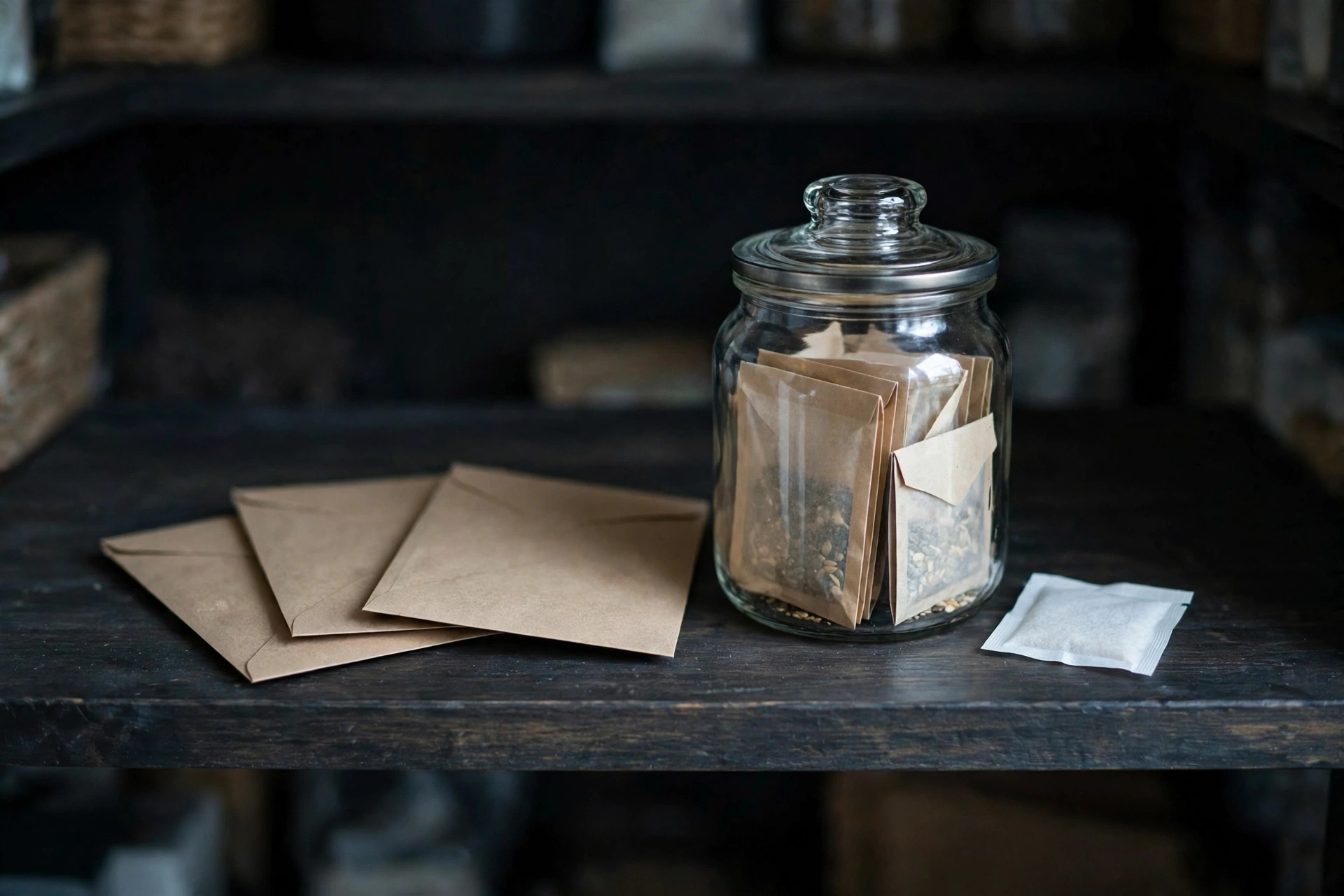
How to tell: the paper-towel test. Dampen a paper towel, lay 10 seeds on it, fold it over, seal it in a bag, and keep it warm. Check after the crop’s normal germination window. Eight to ten sprouts means good seed; five to seven means sow thicker; fewer than five means buy fresh. Extension guidance agrees that below about 40% germination, fresh seed beats a thin, stunted stand.
The fix: test before you sow, not after a tray fails. And keep the survivors properly — our seed-storage guide covers the cool, dry, dark routine that stretches every packet’s life.
2. You buried it too deep
This is the most common beginner mistake, and the quietest: a seed sown too deep simply runs out of energy before it reaches light. The general rule is to sow at one to two times the seed’s diameter — often just a quarter to a half inch deep, sometimes less.
How to tell: nothing emerges, but a gentle dig finds swollen seeds or pale shoots that never made it. Tiny seeds are the worst offenders: lettuce and many flowers want to sit right on the surface, pressed into contact with the mix, not buried at all.
The fix: read the packet, not your instinct. When in doubt, sow shallow and cover lightly. A fine sprinkle of mix over the seed beats a heavy blanket every time.
3. The soil is too cold
Temperature sets germination speed more than any other factor. Most seeds sprout fastest with soil at 65–75°F. Drop to 50°F and carrot seed can take 17 days instead of 6; peppers are worse, wanting 75–85°F and still taking up to three weeks even then.
How to tell: patchy, slow emergence in a cool room or on a drafty sill, while the same seed pops fast somewhere warm. Peppers and tomatoes sulking on a windowsill in March are almost always cold, not dead.
The fix: warm the mix, not the air. A heat mat under the tray holds steady soil temperature through cold nights, which is exactly when a windowsill tray loses its warmth.
Seed Starting Heat Mat
Steady bottom warmth for peppers, tomatoes, and any seed stalled on a cool sill.
4. The mix dried out halfway
A seed that starts to germinate and then dries out dies. It cannot pause and resume. Small seeds near the surface are the most vulnerable: they have just enough moisture to wake up, and then a dry day finishes them.
How to tell: the surface looks pale and dusty, and a fingertip finds dry mix just below it. Seeds may have cracked open and then shriveled — the cruelest version of this failure, because it looks like nothing ever happened.
The fix: keep the mix evenly damp from sowing until sprouts appear. Mist once or twice a day for surface-sown seed, and once seedlings are up, water from below and let the surface dry slightly between waterings. A bottom tray that holds a shallow reservoir makes this far easier than guessing with a watering can.
Epic 1020 Universal Bottom Tray
Water from below and let the mix drink what it needs — no more flood-or-drought watering.
5. Damping-off got them
Damping-off is the name for a group of soil fungi — including Pythium, Rhizoctonia, and Botrytis — that rot seeds before they emerge or collapse seedlings at the soil line. It thrives in exactly the conditions germination needs: cool, wet, still air. Mississippi State Extension notes it hits beans, brassicas, cucurbits, lettuce, peppers, and tomatoes alike.
How to tell: seedlings keel over at the base, the stem pinched and dark right at the soil line. Sometimes there is white, fluffy growth on the mix. If a whole tray goes at once, damping-off is the prime suspect.
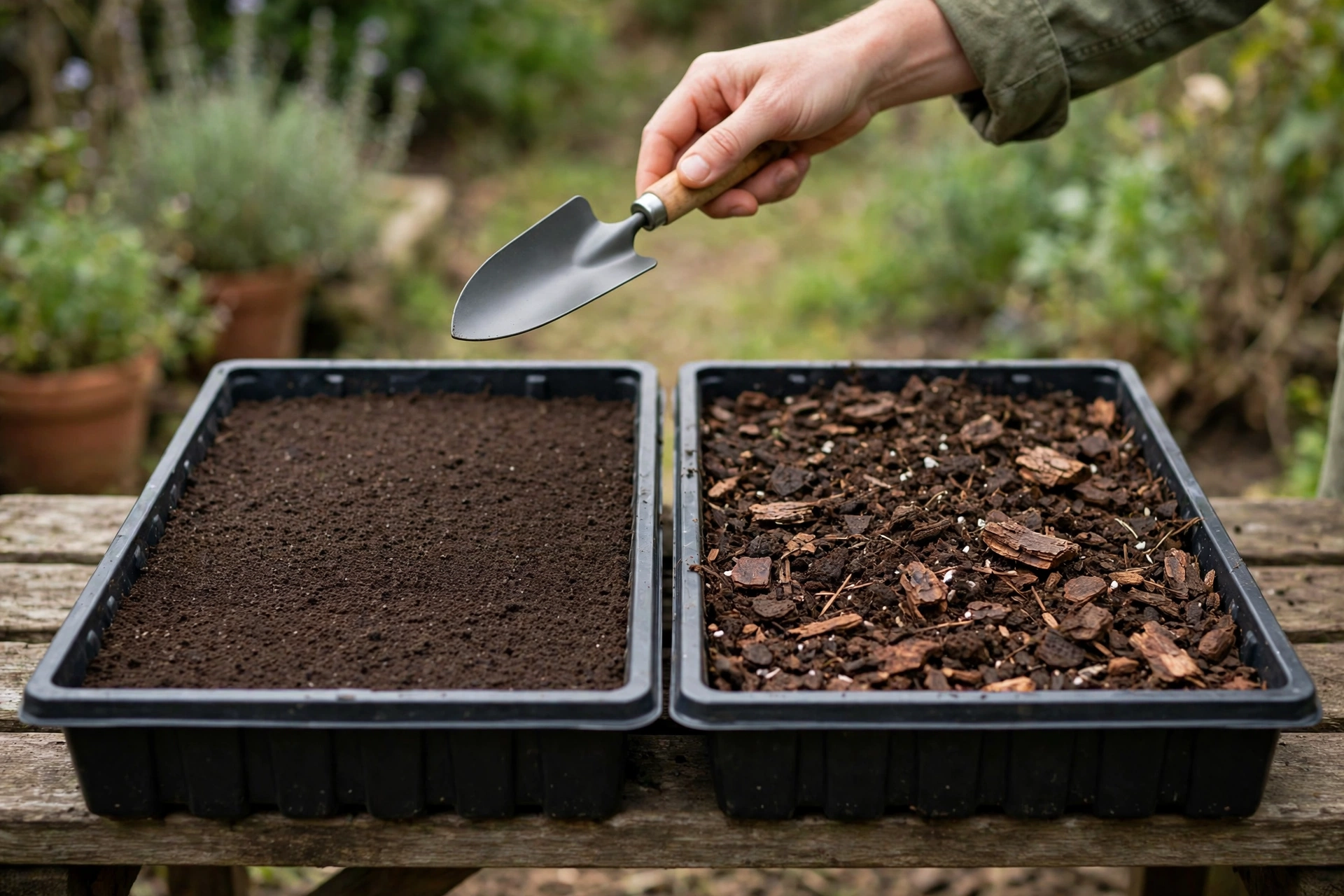
The fix: start clean and stay airy. Use a sterile, soilless seed-starting mix (not garden soil — see our seed-starting mix vs. potting soil comparison), wash reused trays, don’t overcrowd, and give seedlings moving air. A small fan on low, set to ripple the leaves gently, does more than any spray.
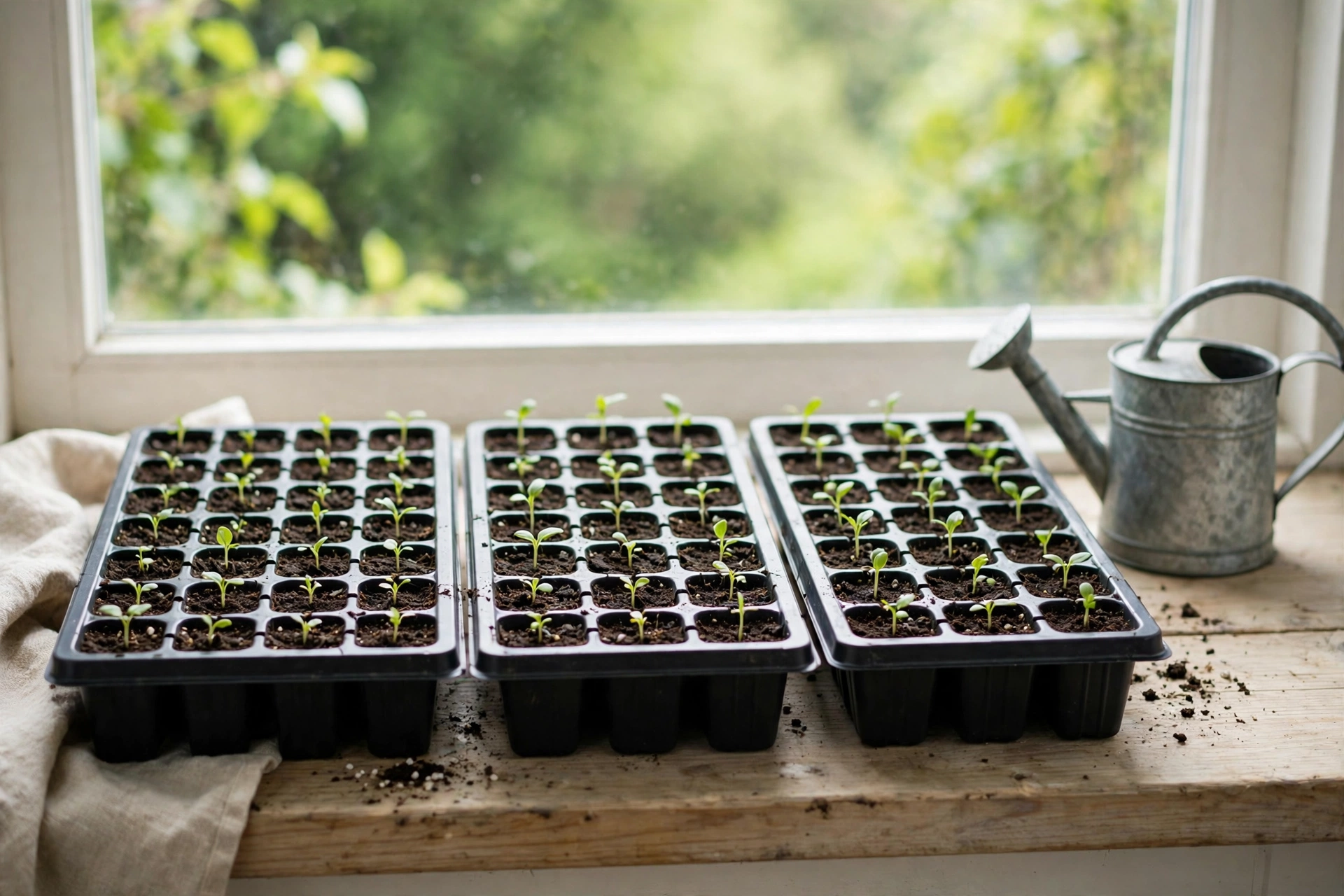
Epic 6-Cell Seed Starting Trays
Sturdy, reusable cells that keep seedlings spaced, drained, and easy to move to stronger light.
What not to do next
Don’t resow into the same tray, the same mix, and the same cold corner and hope for a different result. That second batch will meet the same conditions that killed the first. Change one thing at a time — test the seed, fix the depth, warm the soil, clean the tray — and the tray that failed in March becomes the tray that feeds the garden in May.
Bottom Line
Test old seed before you trust it, sow shallow, keep the mix damp but never soggy, warm the soil to the 65–75°F range (hotter for peppers), and give seedlings clean mix and moving air. Get those five right and germination stops feeling like luck.