Landscape & Leisure is reader-supported. When you buy through links on our site, including Botanical Interests seed links, we may earn a commission at no extra cost to you. Prices change, so click through to confirm current pricing.
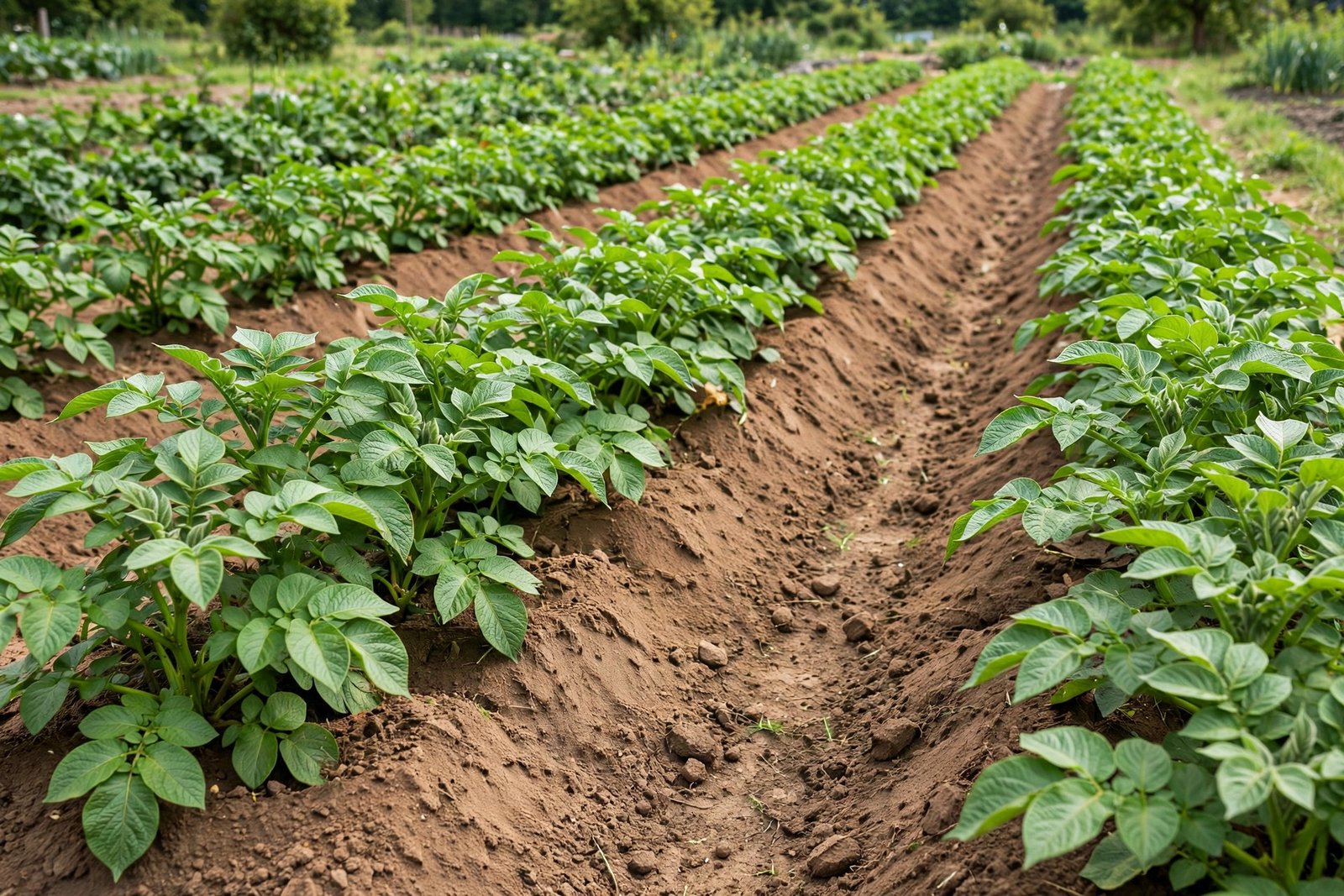
There is a particular pleasure in digging the first hill of potatoes. You slide the fork in wide, lever gently, and the soil gives up a cluster of tubers you put in the ground as something that looked like a grocery bag reject. It feels like a magic trick, and it is one of the few garden payoffs that arrives all at once.
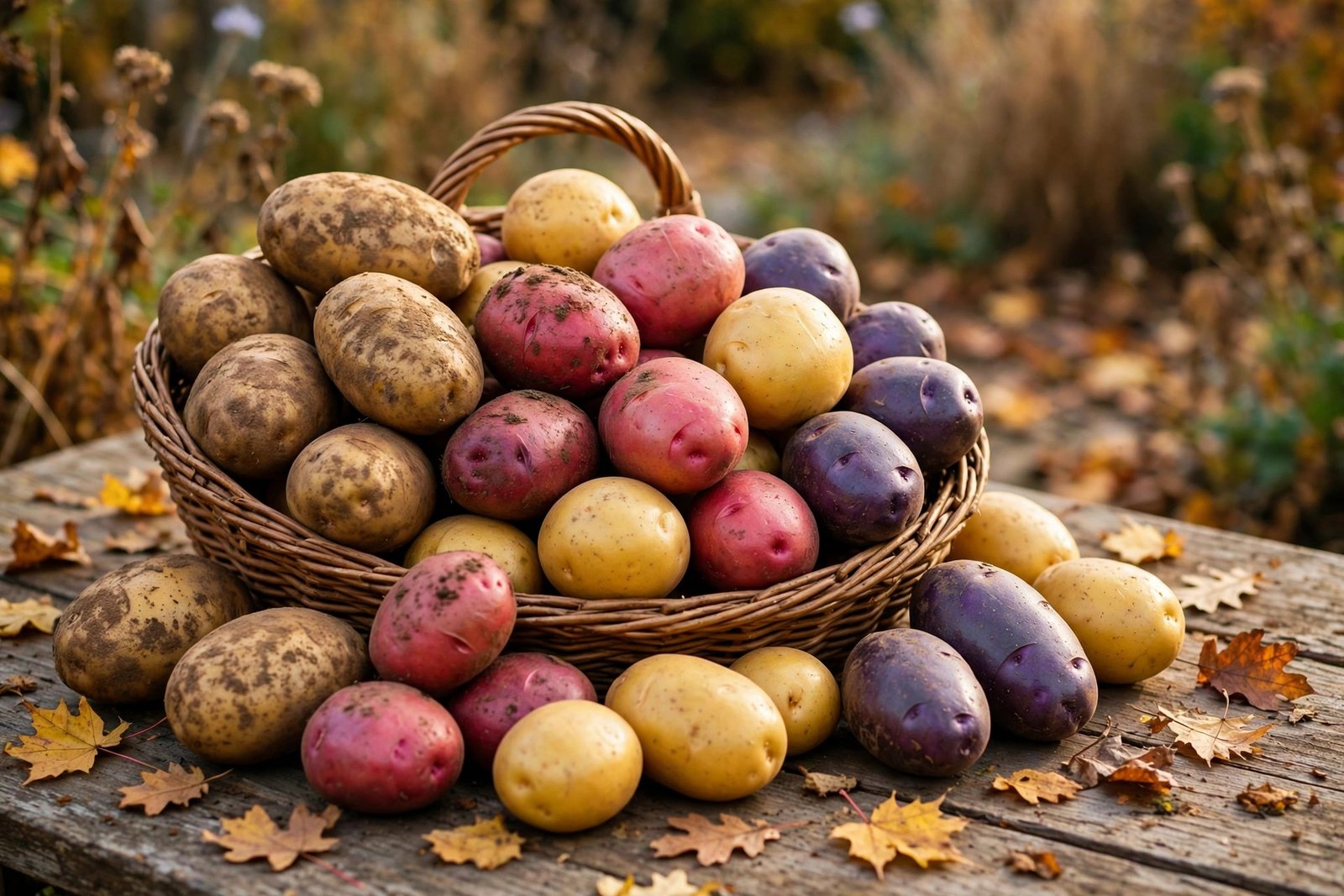
The trick to getting there is picking the right type before you plant. Potatoes are not one interchangeable crop. A baking russet falls apart in soup, a waxy red holds its shape in a salad, and an early type dug young tastes like a different vegetable than the same plant left to mature. Choose by what you actually cook, and the rest of the season gets easier.
One thing to know first, because it surprises most first-time potato growers: potatoes do not usually grow from seed packets. They grow from certified seed tubers, or pieces of tubers, planted in spring. Garden centers carry them, and that is the normal route for nearly every variety below. There is exactly one exception in this roundup, and it is a good one.
| Potato type | Best for | Texture | Planting note |
|---|---|---|---|
| Early / new potatoes | Boiling, butter, salads | Tender, thin-skinned | Dig 7 to 8 weeks after planting |
| All-purpose (Yukon Gold type) | Mashing, roasting, soups | Balanced waxy-mealy | The one-variety garden |
| Baking russets | Baking, frying, mashing | Dry, mealy, fluffy | Fall apart in soup or salad |
| Red potatoes | Boiling, salads, roasting | Waxy to starchy, holds shape | Thin skins, easy to cook whole |
| Fingerlings | Roasting whole | Waxy, firm, buttery | Small tubers, big flavor |
| Clancy, grown from seed | Creamers, roasting, salads | Fine, creamy | Start indoors 4 to 6 weeks before last frost |
Early potatoes: the first reward
If you have ever wondered why some gardeners are eating potatoes in early summer while yours are still leafy tops, this is why. Early types are dug young, before their skins thicken, and the University of Minnesota Extension puts new potatoes at about seven to eight weeks after planting. They are tender, thin-skinned, and best eaten soon after digging, since those soft skins do not store.
Plant a short row of an early type even if your main crop is something else. It is the row that keeps you patient while the storage potatoes finish, and it is the one your summer self will thank you for. Dig beside the plant and take a few, leaving the rest to keep growing, or turn the whole plant over and take the lot.
All-purpose potatoes: if you plant only one
Most varieties sit somewhere between truly waxy and completely mealy, and the all-purpose types live in that middle on purpose. Minnesota Extension names Yukon Gold as the classic example: a balance of waxy and mealy starches that mashes without going gluey and holds together well enough for soup.
This is my pick for a small garden with one potato row. You give up the perfect baked potato and the perfect salad potato, and in return you get a potato that is good at nearly everything. For a household that cooks potatoes three ways in a week, that trade is a win.
Baking russets: fluffy, and honest about it
Russets are the starchy, brown-skinned bakers. Mashed, they stay fluffy instead of sticky, and they drink up butter and gravy the way a good mashed potato should. Fried, they crisp. Baked, they are the standard everything else is measured against.
The trade-off is real, and worth saying plainly: that same dry flesh falls apart in soup and in potato salad. If your potato destiny is mostly salads and soups, a russet row will disappoint you no matter how well it grows. Plant russets for the oven, not the salad bowl.
Red potatoes: the salad row
Red potatoes, with white, yellow, or red flesh and a waxy to starchy texture, are the ones that hold their shape when cooked. Cut them into chunks for soup, boil them for salad, roast them whole with their thin skins on. They do not turn to mush, and leftover boiled reds pan-fry beautifully the next day.
Their one weakness is mashing. Mash a waxy potato too hard and it goes sticky, which is a texture problem, not a flavor problem. Keep a masher away from this row and you will be happy.
Fingerlings: small tubers, outsized charm
Fingerlings are the dinner-party potato. Small, elongated, waxy and firm, they roast whole with olive oil and salt into something that tastes far fancier than the effort involved. They are the row you plant because roasted fingerlings on a Tuesday feel like a small celebration.
Clancy: the potato you grow from seed
Here is the exception to the tubers rule, and the most interesting potato in this roundup. Clancy is a true potato grown from seed, not from a tuber, and it was the first potato from seed to win an All-America Selections award. Its small creamers, three-quarters of an inch to an inch and a half, come round or fingerling-shaped, with skins from rose blush to red or creamy yellow and pale yellow to white flesh inside.
The practical details come from Botanical Interests itself. Start the pelleted seed indoors four to six weeks before your average last frost, at 60 to 70 degrees for germination, and set seedlings out 12 inches apart in rows three feet apart. One packet yields about nine plants, and the crop matures 85 to 110 days from transplanting. Because the seeds are sterile, they do not carry tuber-borne disease the way saved tubers can.
Two honest caveats. First, direct sowing is not recommended, so this is an indoor-start project, and you will want bottom heat and trays if your seed-starting shelf runs cool. Second, buyers rate Clancy 3.9 out of 5 across 74 reviews, the most mixed rating of anything featured here, which fits a variety that asks more of the grower than a tuber does. If you like a small experiment with a real payoff, it is worth it. If you want the surest first potato crop, start with certified seed tubers and keep Clancy as your second row.
Clancy Potato Seeds
The only potato here grown from seed: small creamy-skinned creamers, 85 to 110 days from transplanting, started indoors.
No room for rows? Grow them in bags
Potatoes are famously forgiving of containers, and a grow bag turns a sunny patio into a potato patch. Botanical Interests’ own growing notes for Clancy suggest exactly this approach: plant in a barrel, grow bag, or similar structure, and add soil or compost as the plants grow, then open or tip the structure to harvest. No digging fork, no missed tubers left to sprout next spring.
The lined bags below hold moisture better than plain fabric through hot, dry stretches, which matters for potatoes: uneven watering early on is one cause of knobby or hollow tubers. Use the 15-gallon size for a real crop, not the small herb size, and give each bag one or two seed pieces at most.
Epic Grow Bags – Lined
Lined fabric bags that hold moisture for container potatoes; tip to harvest, with a 4.7 out of 5 rating across 193 reviews.
Starting Clancy indoors? Give it bottom heat
Clancy seed wants 60 to 70 degrees to germinate, which is warmer than a cool basement shelf in late winter. A heat mat under the tray lifts soil temperature by 10 to 20 degrees, and it is the difference between seed that pops in a week or two and seed that sits and sulks. Pair it with six-cell trays and you have the whole indoor setup for one packet’s nine plants.
Epic Seed Starting Heat Mat
Raises soil temperature 10 to 20 degrees for the 60 to 70 degree germination Clancy seed wants; 4.7 out of 5 across 50 reviews.
The one potato to skip as seed
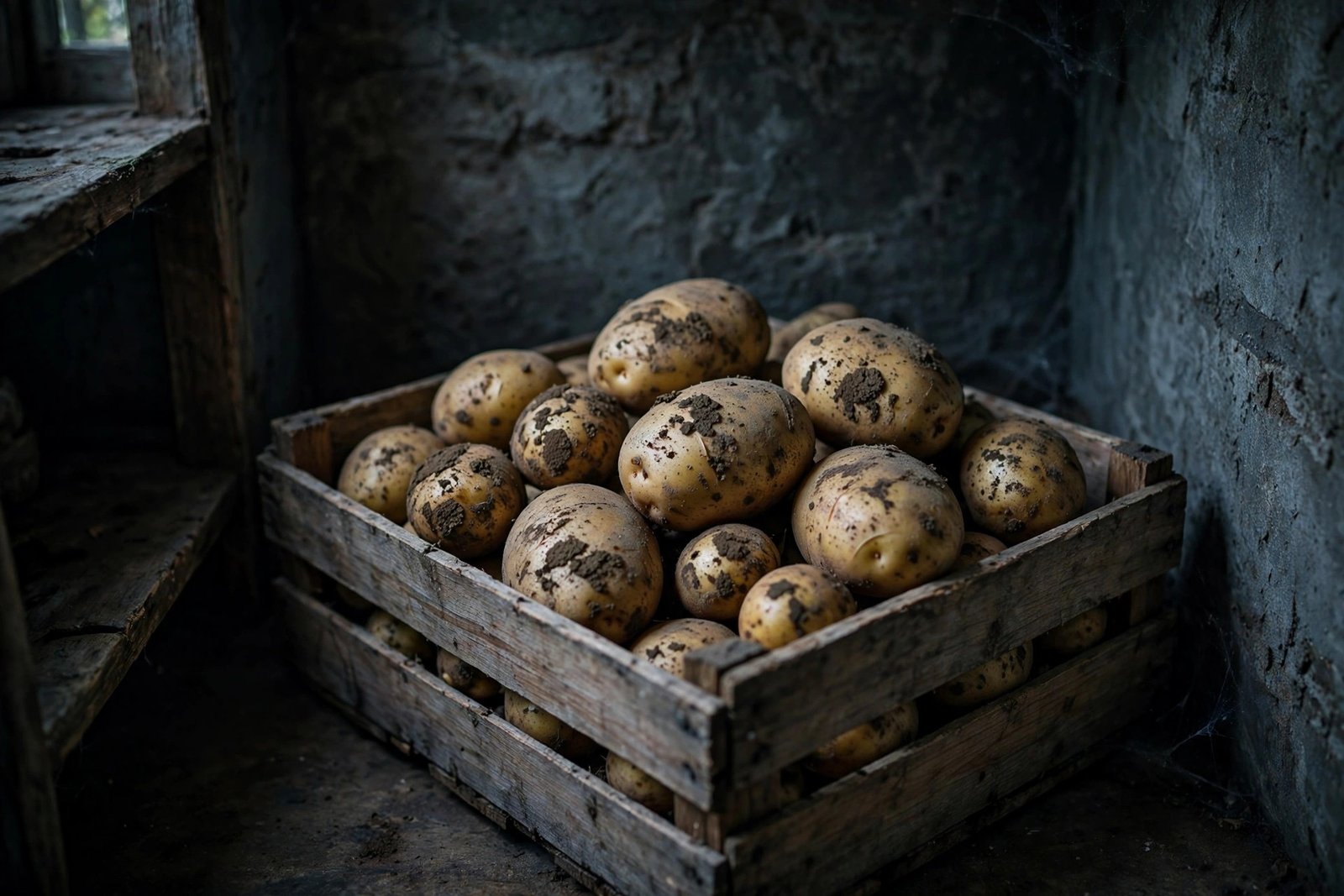
Do not plant potatoes from the grocery store. Stores may treat tubers with chemicals to keep them dormant, so they grow slowly, and grocery potatoes can carry diseases that linger in your soil for years. The same warning covers saved tubers from your own garden: they may look fine and still carry last year’s fungi or bacteria into this year’s bed, and into the tomato, pepper, and eggplant rows that share the family. Buy certified seed tubers, or grow Clancy from seed, and start clean.
Bottom line
Plant the potato that matches your cooking. An all-purpose row covers most kitchens, a russet row covers the oven, reds and fingerlings cover salads and roasting, and an early row covers your patience. Add Clancy if you want the fun of growing a potato from seed, and grow in bags if rows are not an option. Then read how to plant and hill potatoes step by step, and when harvest comes, how to cure and store them so they last.