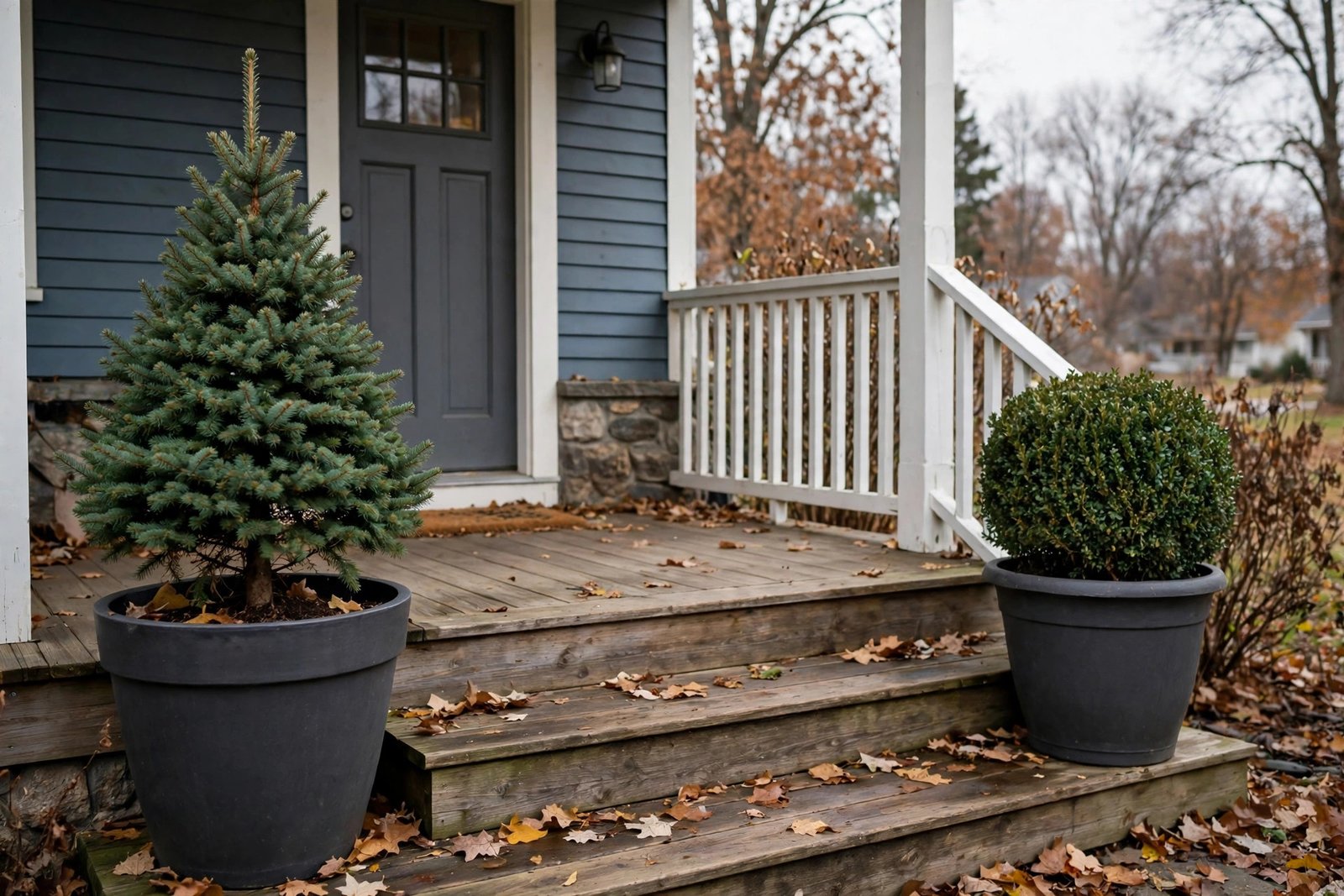
If you’ve ever watched a beautiful basil plant turn black overnight after the first cold snap, you know the heartbreak I’m talking about. One evening it’s lush and fragrant on the porch, and the next morning it looks like someone left it out in a snowstorm — even though it barely dipped below 50 degrees! The good news? Tender herbs don’t have to die with the first frost. With a little planning, you can bring them indoors and keep snipping fresh leaves all winter long.
Which Herbs Come Inside — and Which Stay Out
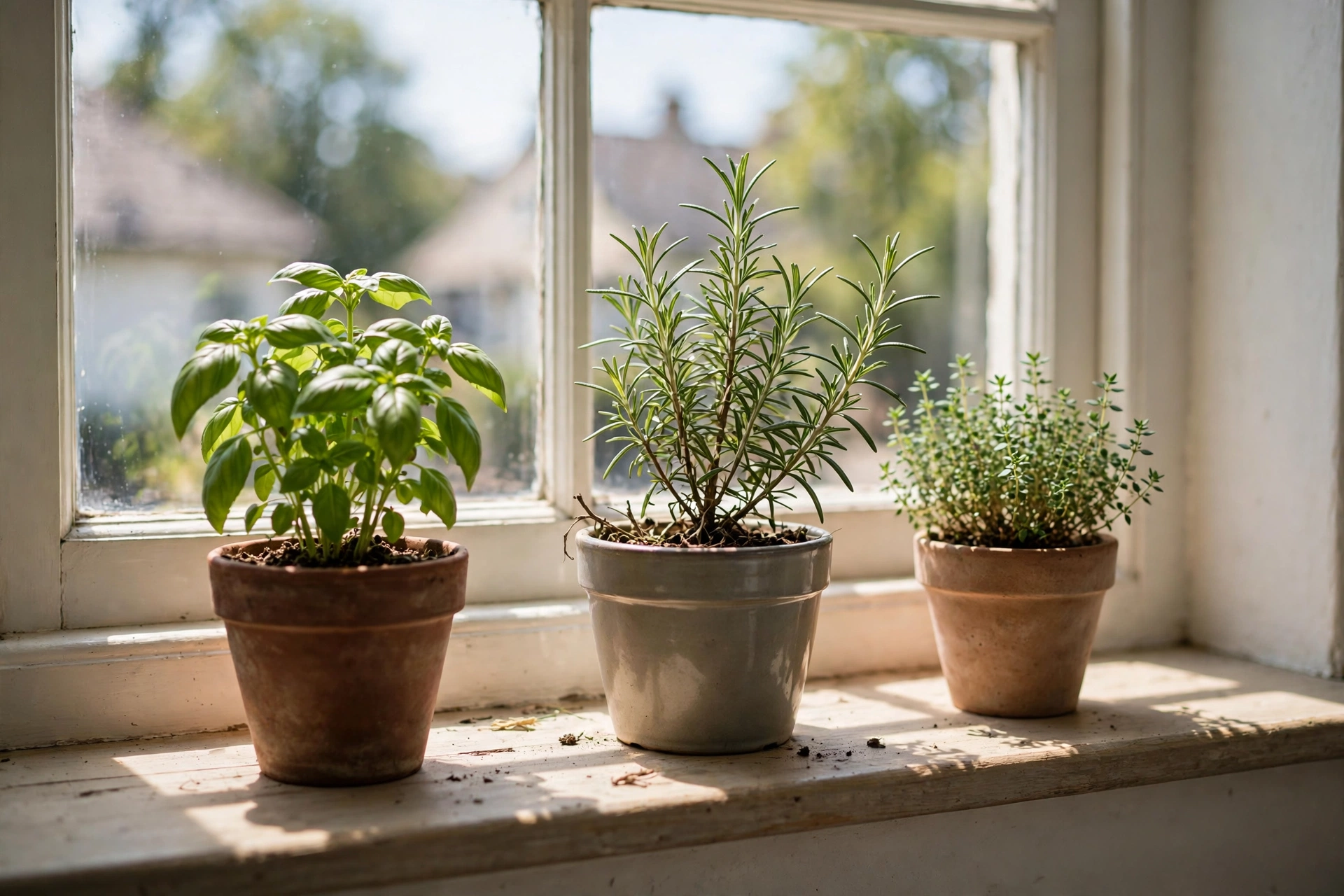
Not every herb needs rescuing. The tough customers — chives, mint, thyme, and sage — are hardy enough to ride out winter outdoors in most regions, especially with a little mulch tucked around their roots. But the tender ones need an invitation inside before the cold arrives: basil, rosemary, lemon verbena, and bay are the big four in my garden. Basil is the most dramatic of the bunch — it starts sulking below 50°F and a light frost finishes it off entirely, so it always comes in first.
Here’s my rule of thumb: when nighttime temperatures start dipping toward 50°F, it’s moving week. Don’t wait for the frost warning — by then, the basil has already given up. As University of Minnesota Extension notes, tender plants should come indoors before the first frost, while they’re still healthy, because a stressed plant struggles to adjust to indoor life.
How to Move Herbs Indoors in Five Easy Steps
Step 1: Inspect for hitchhikers. Before anything crosses the threshold, give every leaf a close look — top and underside — for aphids, whiteflies, or spider mites. A quick rinse with the hose and a day or two of watching saves you from importing a pest party into the house.
Step 2: Pot up and trim back. If your herbs are in the ground, dig them up gently with a good root ball and settle them into pots with fresh potting mix and drainage holes. Trim back about a third of the growth — less leaf for the roots to support means a happier plant while it adjusts. Rosemary especially likes a good haircut before it comes in.
Step 3: Find the brightest spot you’ve got. Herbs want at least 6 hours of direct sun a day indoors, and a south- or west-facing windowsill is the gold standard. If your windows are stingy with light, a simple grow light hung 6 to 12 inches above the plants for 12 to 14 hours a day does the trick — the guide to windowsill versus grow lights for indoor herbs sorts out which setup fits your space.
Step 4: Water less than you think. Indoor herbs in winter grow slowly, so they drink slowly too. Water only when the top inch of soil feels dry, and always let the pot drain fully — herbs sitting in soggy soil will rot faster than they’ll dry out. Rosemary is the fussiest about this; it would rather be a little thirsty than a little soggy.
Step 5: Harvest lightly, and keep pinching. Snip what you need for cooking, but never take more than a third of the plant at once. Pinching the tips keeps basil bushy instead of leggy, and it encourages the rosemary to branch out rather than stretch toward the window.
What About Herbs You Start Fresh Indoors?
Moving mature plants inside isn’t the only way to keep herbs going. If you have a sunny windowsill, you can also start a fresh round — the guide to growing herbs on a windowsill covers light, water, and harvest for a windowsill setup, and the rundown of the best herbs to grow indoors in winter will help you pick varieties that actually thrive inside rather than merely survive.
Pro Tips
Rotate pots weekly. Herbs lean toward the light, so a quarter-turn every few days keeps them growing straight instead of sideways.
Keep them away from heat vents. Hot, dry air from a vent stresses herbs faster than cool air ever will. A spot near a window beats a spot near a radiator every time.
Don’t feed until spring. Indoor herbs in winter are resting, not growing hard. Hold the fertilizer until you see fresh spring growth — feeding a resting plant just builds up salts in the soil.
Wrap-Up Tips
Overwintering tender herbs is one of the easiest wins in the whole garden year: bring them in before the nights hit 50°F, give them your brightest window, water sparingly, and harvest lightly. Your winter cooking will thank you — there’s nothing like snipping fresh basil in January while the snow piles up outside. Happy gardening!