Landscape & Leisure is reader-supported. When you buy through links on our site, including Botanical Interests seed links, we may earn a commission at no extra cost to you. Prices change, so click through to confirm current pricing.
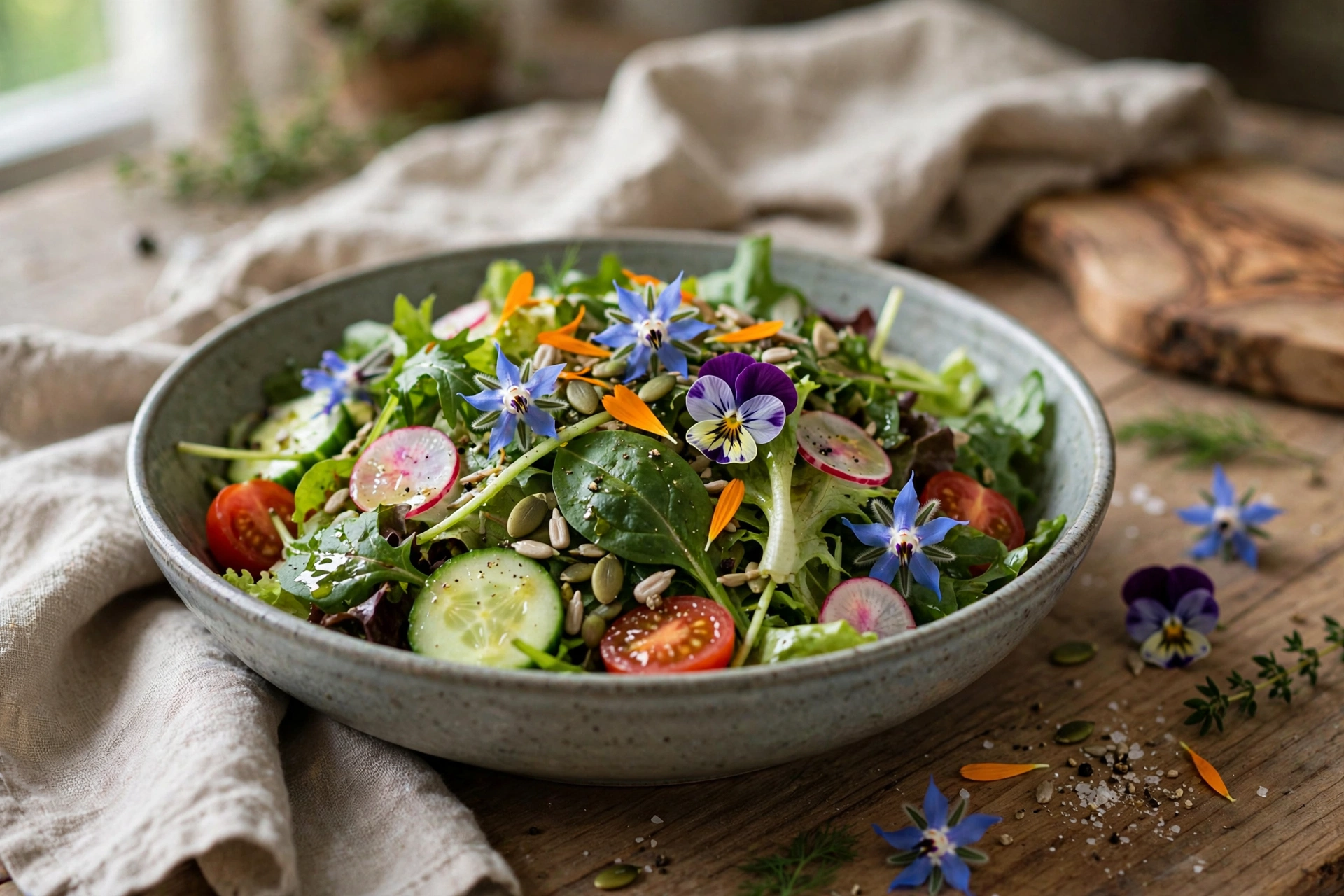
You picked a bloom off the plant and now you are holding it over the salad bowl, wondering if this was a good idea. That pause is the whole skill. Edible flowers are safe when you know three things: which flower it is, which part you eat, and what was sprayed on it.
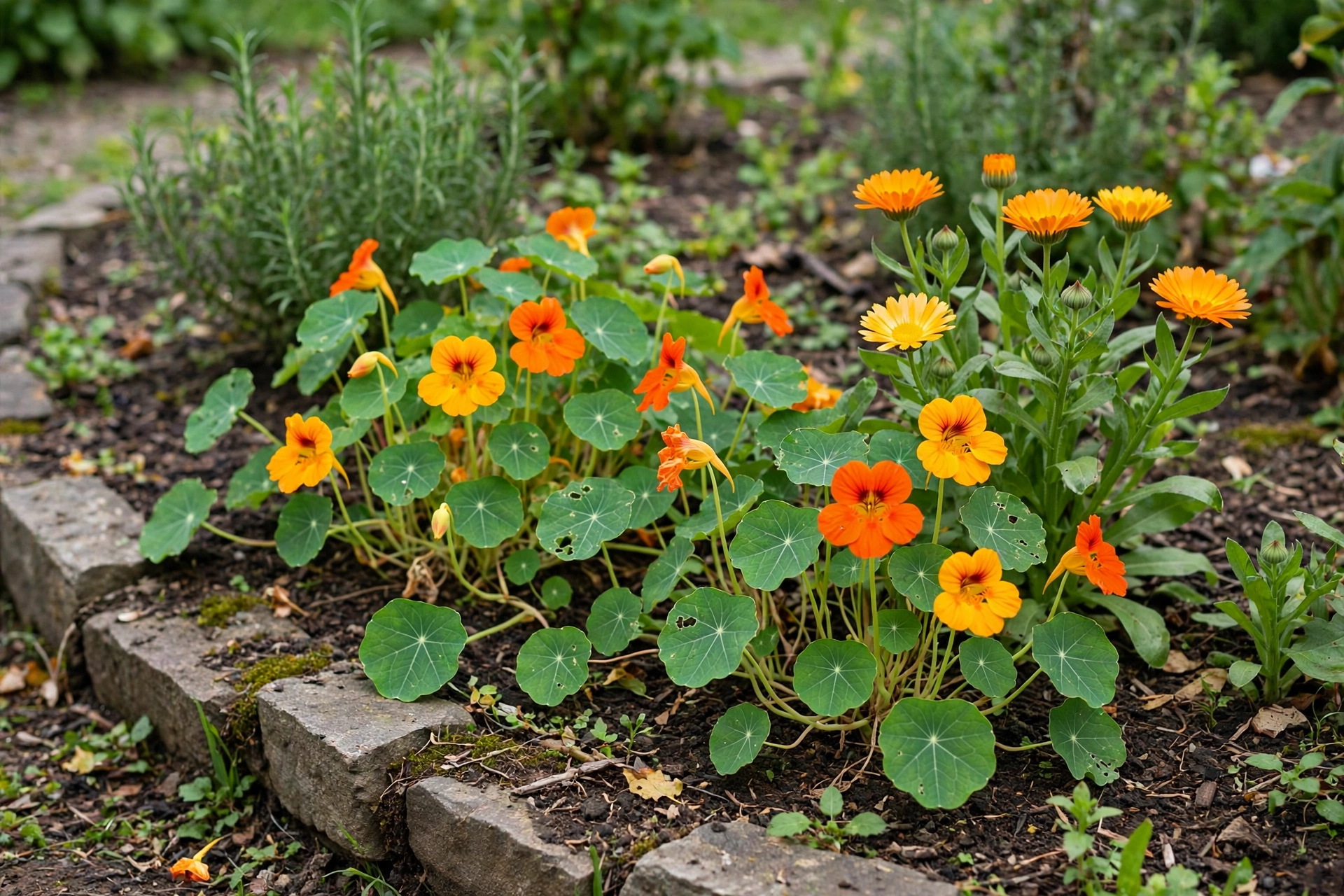
Most of the worry around edible flowers comes from those three questions getting blurred together. This guide sorts them out one at a time, so you can tell the difference between a flower that is dinner, a flower that is garnish-only, and a flower that belongs nowhere near a plate. For the varieties worth growing, see our best edible flowers roundup. For how to grow the two easiest of them, see our nasturtium and calendula growing guide.
Which parts of a flower are safe to eat?
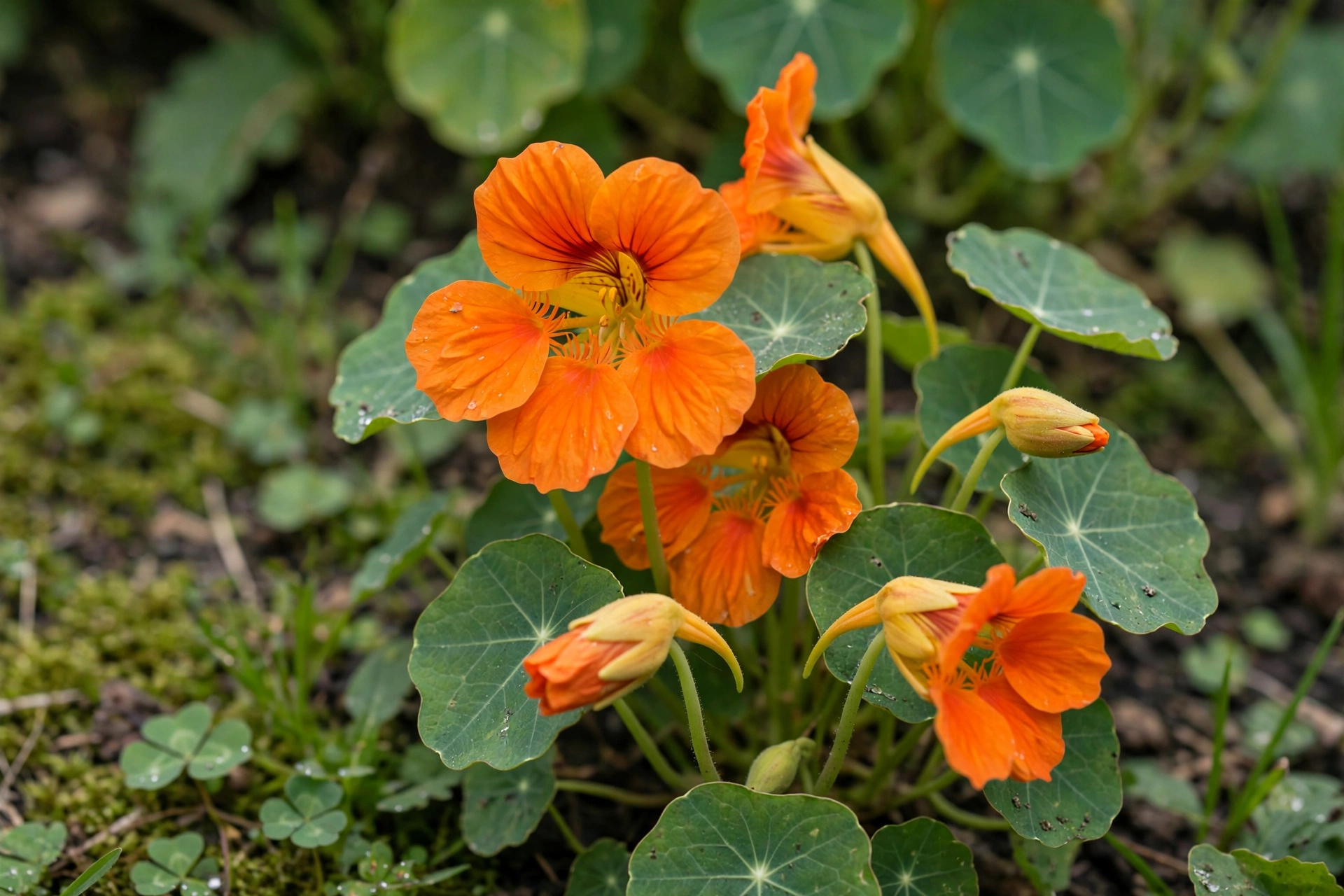
It depends on the flower, and that is the first thing to learn. With nasturtiums, the whole blossom is fair game, and so are the leaves — both taste peppery, like watercress. With calendula and bachelor’s button, eat the petals only, pulling them free of the bitter center. With borage, the flowers are the prize and the young leaves can be steamed like spinach, but old leaves get tough and hairy.
Two habits apply to every edible flower. First, skip the middle of the bloom — the anthers and pistils at the center taste bitter, so pull the petals free and leave the center behind. Second, eat flowers at their peak of freshness. A wilted or faded blossom is past its best, and North Dakota State University Extension’s advice is to leave those on the plant.
Which common garden flowers are NOT edible?
Some of the prettiest flowers in the yard are the ones to leave strictly alone. Daffodils, foxglove, lily of the valley, oleander, hydrangea, azalea, amaryllis, crocus, and hyacinth are all toxic — enjoy looking at them and sniffing them, but do not taste them. Ornamental sweet pea is poisonous too, which trips people up because the edible garden pea’s white flowers are fine; the difference is the species, not the color.
The rule that covers all of it is simple: when in doubt, leave it out. A flower that looks similar to one on a safe list is not a safe flower. Identify the species, not just the color, and never eat a bloom you cannot name with confidence.
Can I eat flowers from a florist or a garden center?
No — and this is the mistake that causes the most trouble. Flowers sold as bouquets or as garden-center plants are usually sprayed, and they are not grown as food. The flowers you eat should be ones you grew yourself, without pesticides, and without lawn-chemical drift or recently applied manure anywhere near them.
That is the real reason to grow edible flowers from seed rather than buying them: you know exactly how they were raised. A packet of seed and a patch of unsprayed soil is the whole food-safety plan. If a neighbor offers you blooms from their garden, ask what was sprayed before you accept.
How much is safe to try?
Start small. Even a flower that is perfectly safe can cause an allergic reaction or an upset stomach in some people, so try a petal or two the first time, not a plateful. A few varieties carry their own cautions: chamomile can trouble people who are allergic to ragweed, borage is best eaten in moderation, and Johnny-jump-ups and signet marigold should be eaten in moderation too. Lavender is edible but intensely perfumed, so a little goes a long way — go lightly, or the perfume takes over the dish.
Chive blossoms are the other end of the scale: they are safe, but they taste strongly of onion, so treat them as a seasoning, not a salad green. The pattern is the same every time — small amounts, one new flower at a time, and pay attention to how you feel afterward.
Which three flowers should a beginner start with?
If you want the safest possible first season, start with these three. Each one is easy to identify, easy to grow, and has no toxic look-alike that an untrained eye is likely to confuse it with. They are also the three this site’s own growing guide covers in detail.
Black Velvet Nasturtium Seeds
Eat the whole flower — blossoms and leaves alike, peppery and unmistakable.
Resina Calendula (Pot Marigold) Seeds
Petals only — golden, mild, and frost-tough, the easiest flower to identify in the bed.
Got the Blues Pansy Seeds
Blue pansy petals with a mild, grassy flavor — a garnish for soft cheese and baked goods.
What to Eat, What to Skip
| Flower | Eat this part | Skip this part |
|---|---|---|
| Nasturtium | Whole blossom and leaves | Nothing — the whole flower is edible |
| Calendula | Petals only | Center — bitter |
| Borage | Flowers; young leaves steamed | Old, tough, hairy leaves |
| Bachelor’s button | Petals only | Green leaves just below the flower — bitter |
| Pansy | Whole flower, petals best | Wilted or faded blooms |
| Chive blossom | Florets, separated | Whole flower in one bite — very strong onion flavor |
| Chamomile | Flowers, dried for tea | Large amounts if you have a ragweed allergy |
Bottom Line
Start with nasturtium. It is the one edible flower where the answer to every question in this guide is the same — the whole blossom is safe, the flavor is obvious, and the plant is impossible to confuse with anything poisonous. Identify first, eat second, and grow it yourself: those three habits are the entire safety plan, and they are the reason a flower from your own unsprayed bed belongs on the plate while a flower from a florist’s bouquet never will.