The mornings have gone cold enough that the grass crunches underfoot, the lawn has faded to tan, and the bag of seed you meant to spread in September is still sitting in the garage. It feels like you missed it. You did not miss it — the job changed. November is not too late to seed. It is the start of the dormant-seeding window, and for a cool-season lawn it is one of the easiest seedings you will ever do.
Why the fall overseeding window closed
Fall overseeding works because the soil is still warm enough for seed to sprout. Cool-season seed needs soil around 50°F to germinate reliably, and it grows roots best while the soil sits between 50°F and 65°F. That is why the classic overseeding window runs from late summer into early fall, while the ground still holds summer heat.
Once soil temperatures drop below that range, seed sown for fall growth simply sits there. It does not die. It waits. That is the whole idea behind dormant seeding: instead of fighting the cold, you use it. The seed goes down after germination has stopped for the year, spends the winter in place, and starts growing on its own when the soil warms in spring.
What dormant seeding is
Dormant seeding means spreading seed onto soil that is already too cold for it to sprout. Nothing happens this year. Over winter, the freeze-and-thaw cycle works the seed into good contact with the soil, and winter precipitation keeps it in place. When soil temperatures climb back past about 50°F in spring, the seed germinates — already in position, weeks ahead of anything you would sow in April.
University of Minnesota Extension puts the window at early November to mid-March, any time the soil stays below 40°F. In colder regions it opens in early November; farther south it may not open until December. The calendar matters less than the soil temperature, which is why the test below decides the timing, not the date.
One limit to know up front: dormant seeding suits cool-season grasses only — Kentucky bluegrass, the fine fescues, tall fescue, and perennial ryegrass. Warm-season lawns like bermudagrass and zoysiagrass need warm soil to germinate, so they wait for spring.
The soil test that decides it
Do not guess from the air temperature. Push a soil thermometer four inches into the lawn in the morning, before the sun warms the surface, and check it three mornings running. You want soil consistently below 50°F, and ideally below 45°F for several days, with no warm stretch in the forecast. University of Minnesota turf specialists use below 45°F for several days as the practical trigger, and Extension’s working line is below 40°F.
The second condition is snow cover. Seed before consistent snow arrives — once the ground is covered, seed lands on snow instead of soil and much of it washes away with the melt. If the lawn is bare and the soil is cold, you are in the window. If the soil is still warm enough to sprout seed, wait. A warm snap that wakes the seed up in November will kill the seedlings when the cold returns, and that is the one mistake that wastes the whole job.
How to dormant seed, step by step
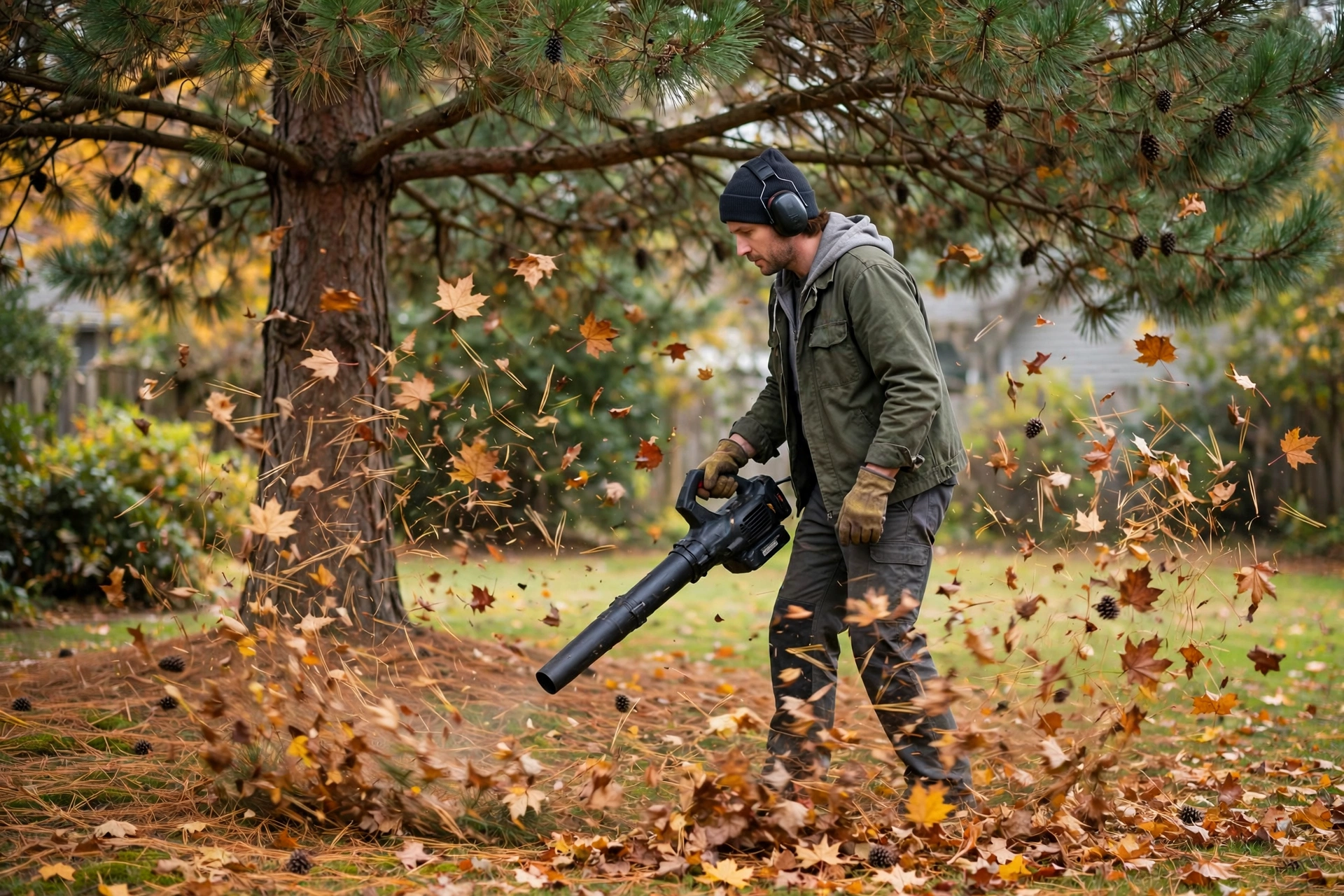
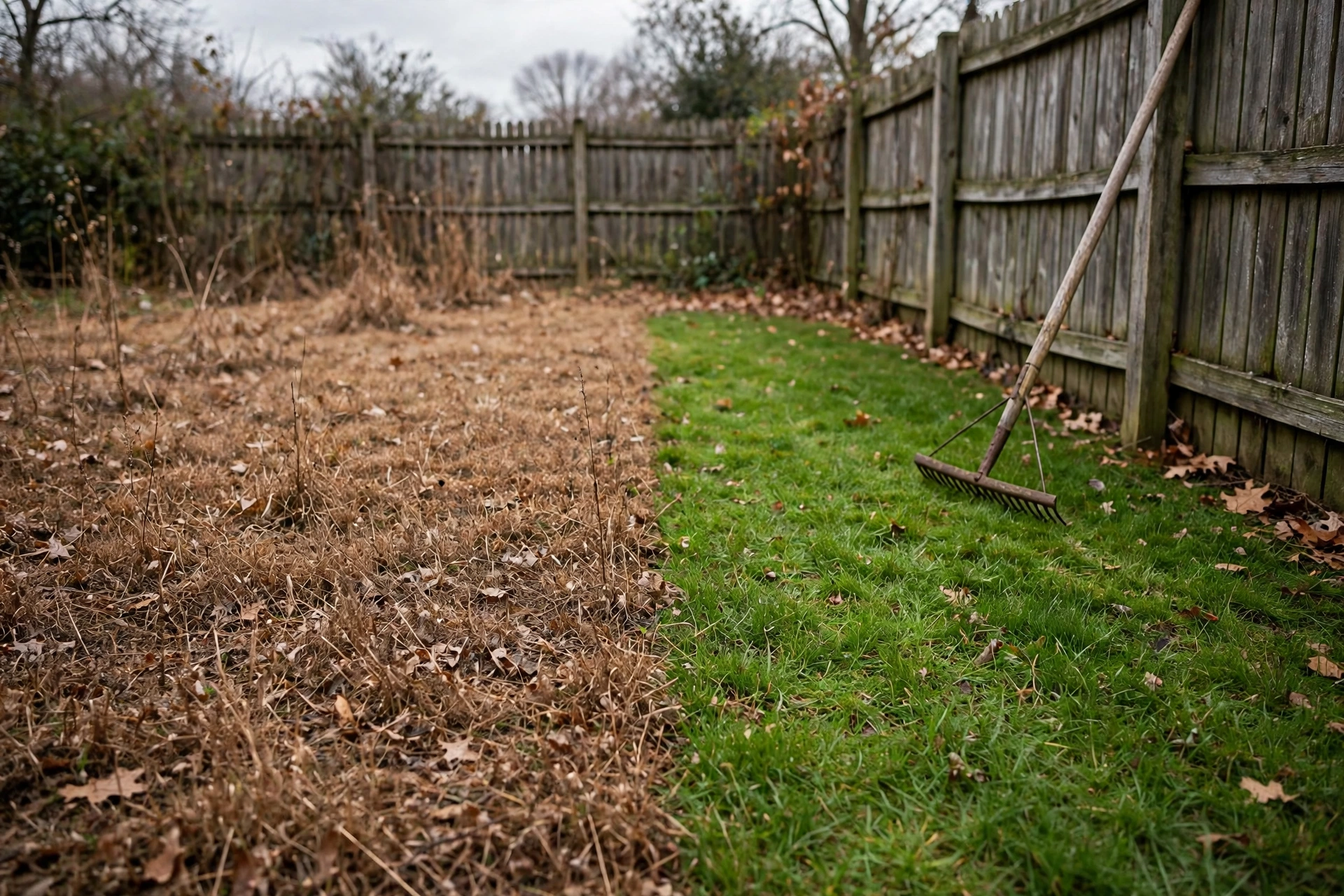
1. Mow and clear. Cut the lawn a little shorter than usual and rake off the leaves. Seed needs to touch soil, and a mat of leaves keeps it sitting on top.
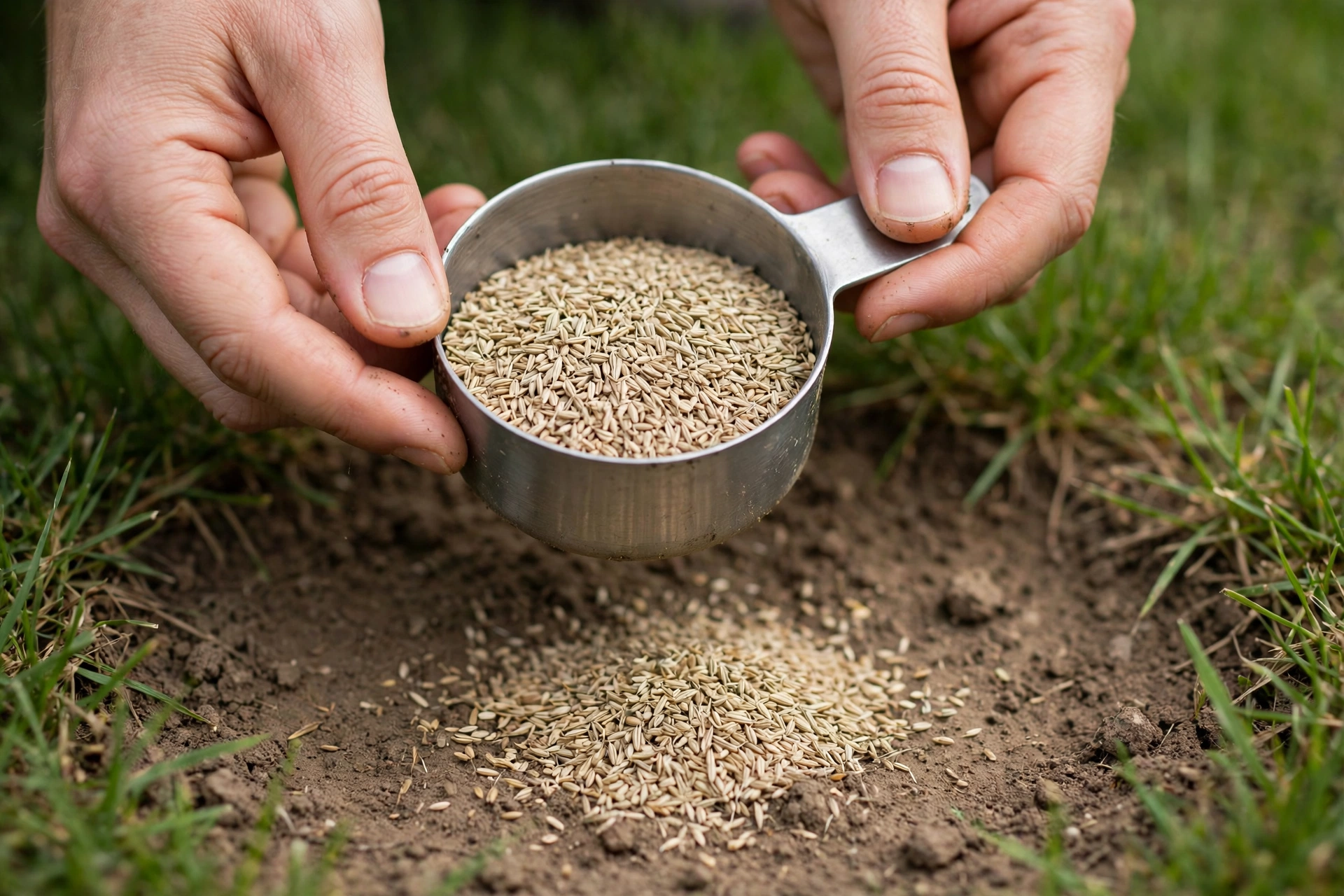
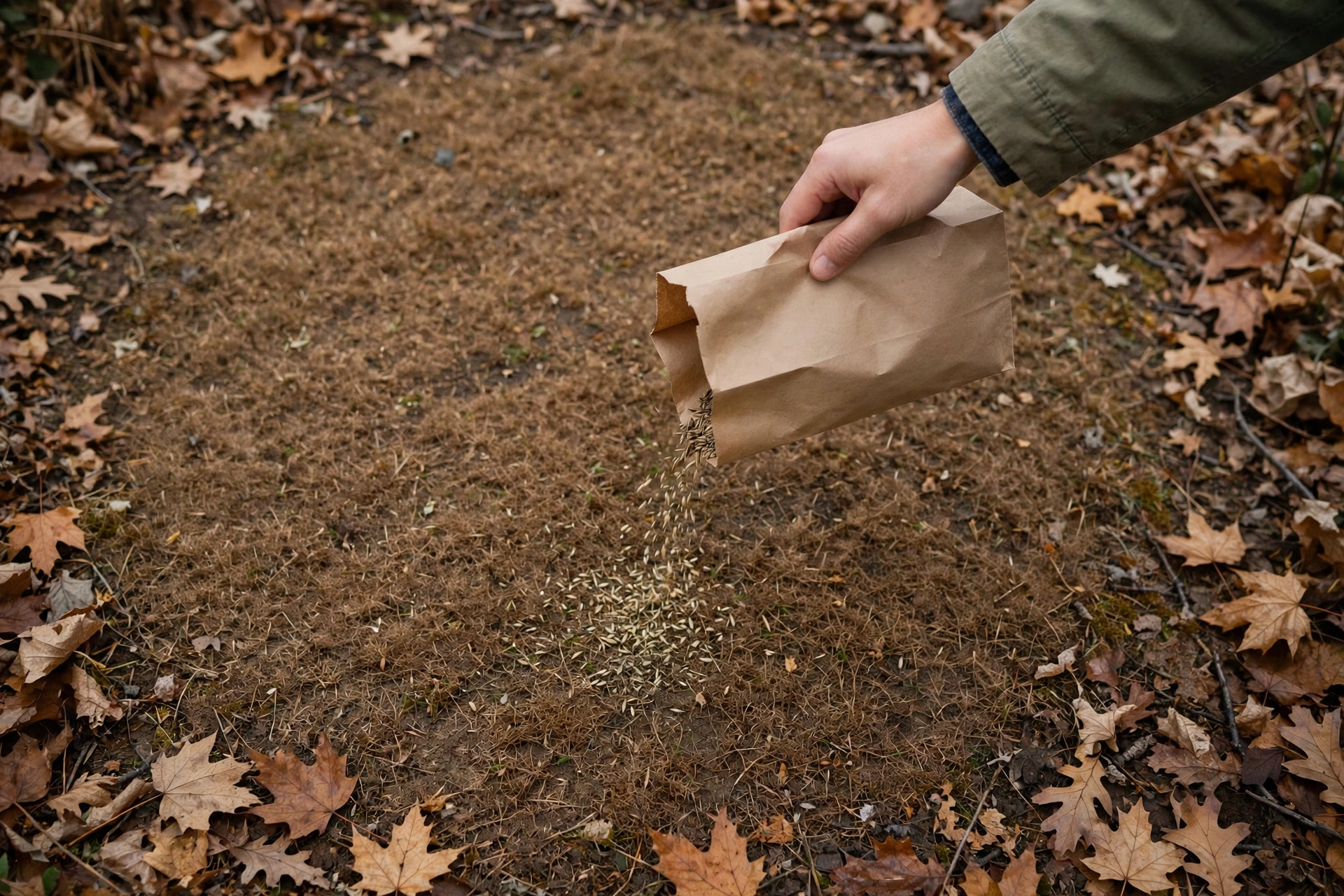
2. Spread the seed. Use a broadcast spreader and walk the lawn in two passes — half the seed going north to south, the other half east to west — so the coverage comes out even. The rate runs heavier than a fall overseed; the grass-seed calculator has a dormant-seeding mode that works out the pounds for your lawn size. For the full breakdown of rates, see how much seed to spread and when.
3. Work it in lightly. A light raking, or a pass with the back of a leaf rake, settles seed into the soil surface. You are not burying it — a quarter inch of contact is enough, and the winter freeze-thaw will do the rest.
4. Walk away. Do not water. Do not fertilize now. The seed is meant to sit dormant, and watering a cold lawn invites the exact warm, damp conditions that trigger early germination. Winter does the work from here.
What to expect in spring
Nothing visible happens until the soil warms. As temperatures climb past 50°F and the snow melts, the seed germinates on its own. Expect the new grass to show a few weeks before a spring seeding would even be possible — that head start is the payoff.
Do not rake the lawn hard in early spring. A heavy spring raking pulls dormant seed out of the soil before it has rooted. Mow high for the first few cuts, and water once the new grass is actively growing. Thin spots may need a second pass of seed in spring, but most lawns fill in well from a single dormant seeding.
If you are unsure whether your lawn is even alive under all that brown, run the checks in Is Your Lawn Dormant or Dead? before you buy seed. A lawn that is only dormant needs patience, not seed — but a lawn with real dead patches is exactly what this window is for.
The mistakes that waste the seed
Seeding while the soil is still warm. This is the big one. Seed that sprouts in a November warm spell dies in the first hard freeze. Check the soil, not the calendar.
Seeding onto snow. Seed on top of snow cover slides away with the melt and ends up in the beds, not the lawn. If the snow has settled in for the season, the window has closed — wait for a late-winter thaw when the ground is bare again.
Expecting green this year. Dormant seed does nothing visible until spring. If you need green before winter, that job belonged to September. Judge this seeding in April, not December.
Skipping the rate. Too little seed leaves a thin lawn in spring; too much is money on the ground. The grass-seed calculator and the tall fescue seeding rate calculator both work out the pounds for your lawn size, and the winter overseeding rate calculator covers the same job from the rate side.
The bottom line
If your lawn is a cool-season lawn, the soil is cold, and the snow has not settled in yet, this week is the time to seed. Spread it, rake it in lightly, and leave it alone until spring. The seed will sit quiet all winter and get to work before you would ever have thought to start.