This site contains product affiliate links. We may receive a commission if you make a purchase after clicking on one of these links.
The lawn looks hungry in the same way every June: pale, thin, and slow to fill in after mowing — and two bags on the shelf both promise to fix it by the weekend. They work in very different ways, and picking the wrong one for your lawn is how a pale lawn turns into a scorched one.
Milorganite feeds slowly from heat-dried microbes — the same recipe Milwaukee has used since 1926 — while Screamin Green hits harder and faster with a 16-2-3 analysis built for quick color. Both are honest fertilizers. The question is which kind of hungry your lawn is, and how much patience you have.
What your lawn is telling you
Start with the symptom, not the shelf. A lawn that is pale all over and thin enough to see soil through is usually short on nitrogen, the nutrient that drives leaf growth and green color, and a slow-release feed is the fix that lasts. Yellowing that shows up in patches, or grass that greens up fast after rain and fades again within days, points the other way — toward a quick feed or an iron shortage — and that is the lawn that tempts people into over-applying.
Before either bag, rule out the two things that look like hunger and are not: a lawn mowed too short in summer heat, and a lawn that has simply gone dry. Water first, then feed — a dry lawn cannot use the nitrogen you are about to spread.
The two fertilizers, side by side
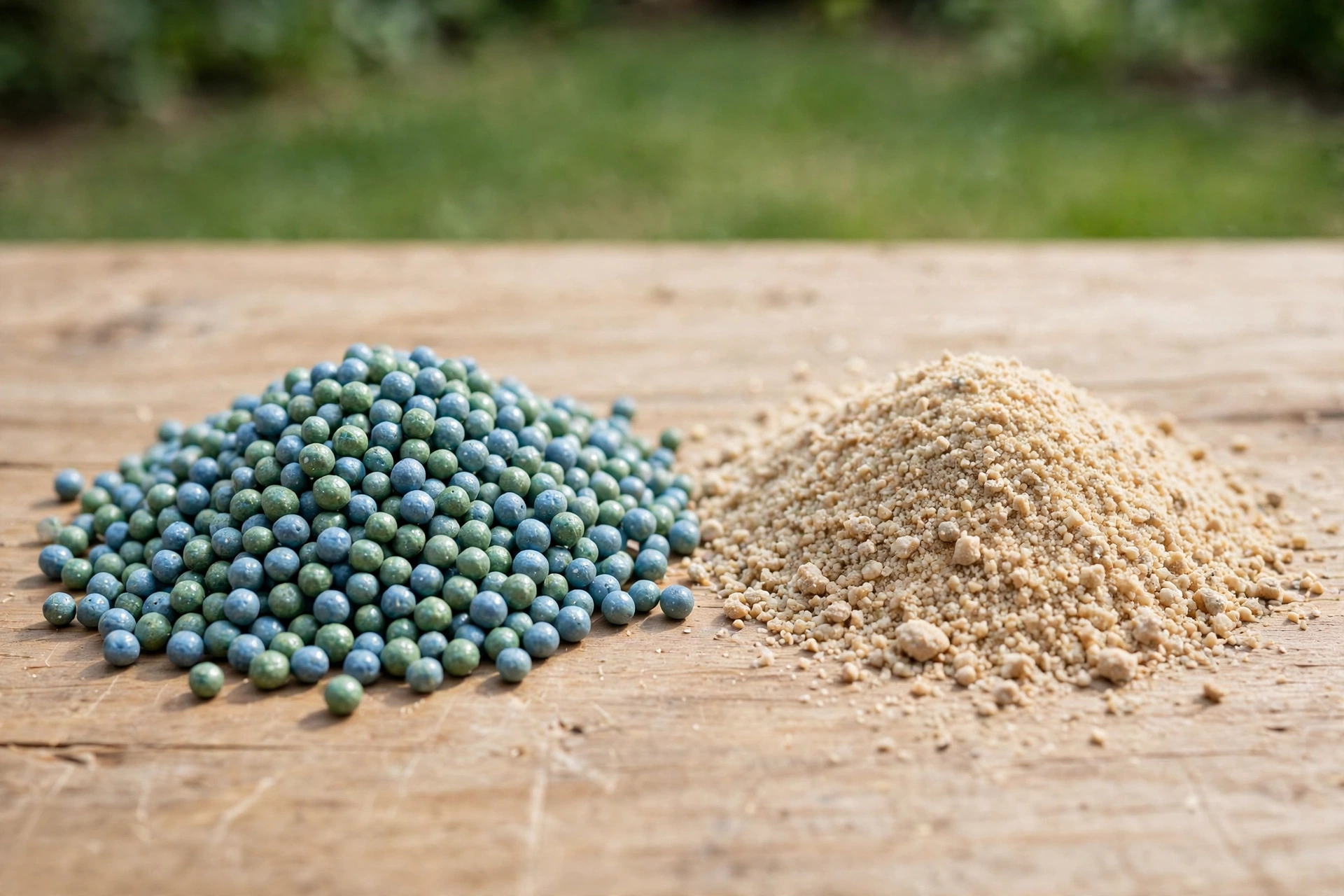
| Fertilizer | Analysis (N-P-K) | Bag | Coverage | Feeding |
|---|---|---|---|---|
| Milorganite | 6-4-0 | 32 lb | 2,500 sq ft | Slow-release, up to 10 weeks |
| Screamin Green | 16-2-3 | 50 lb | About 8,000 sq ft at 1 lb N per 1,000 sq ft | Controlled-release, faster green-up |
Milorganite 6-4-0: the slow, safe feed
Milorganite is the forgiving one. A 32-pound bag covers 2,500 square feet, feeds for up to 10 weeks, and will not burn the lawn even in summer heat, because its nitrogen releases slowly from heat-dried microbes rather than dissolving all at once. Four feedings a year is the label’s rhythm, and the same bag works on flowers, shrubs, and vegetables, not just turf.
The trade-off is patience. At 6 percent nitrogen, Milorganite greens a lawn gradually, over weeks rather than days, and a 5,000-square-foot lawn needs two bags per feeding. If you want the lawn green by the weekend, this is not the bag that does it.
If you are weighing Milorganite against another iron-rich feed, our Ironite vs. Milorganite comparison walks through the same choice with a different rival.
Pros: will not burn the lawn, even in summer heat; feeds for up to 10 weeks per application; four feedings a year is the whole program; works on flowers, shrubs, and vegetables too.
Cons: greens gradually over weeks, not days; a 5,000 sq ft lawn needs two bags per feeding; 6 percent nitrogen is a light dose for a hungry lawn.
Milorganite 6-4-0 Slow-Release Fertilizer, 32 lb
Slow-release nitrogen that will not burn, feeding up to 10 weeks from one bag.
Screamin Green 16-2-3: the fast green-up
Screamin Green is the stronger dose. Its 16-2-3 analysis — 16 percent nitrogen — carries more than twice Milorganite’s nitrogen per pound, and much of it is controlled-release, so the color comes on faster and holds longer than a straight quick-release feed. A 50-pound bag holds 8 pounds of nitrogen, which covers about 8,000 square feet at a pound of nitrogen per thousand, so one bag goes a long way on a big lawn.
The catch is where you buy it. Screamin Green is a professional product from Nutrients Plus, sold through landscape-supply counters like SiteOne rather than on Amazon, so most homeowners will need to order it or pick it up from a supplier. And a high-nitrogen feed punishes sloppy spreading: overlap a pass, or spread on a hot afternoon, and the fast green-up becomes a brown stripe.
How much you actually need
Measure the lawn first — length times width, minus the house, driveway, and beds — then divide by the bag’s coverage. A 5,000-square-foot lawn takes two bags of Milorganite per feeding, or about 31 pounds of Screamin Green from a single 50-pound bag. Whichever you choose, keep a single feeding to about a pound of nitrogen per thousand square feet, and half that with a fast-acting product in hot weather.
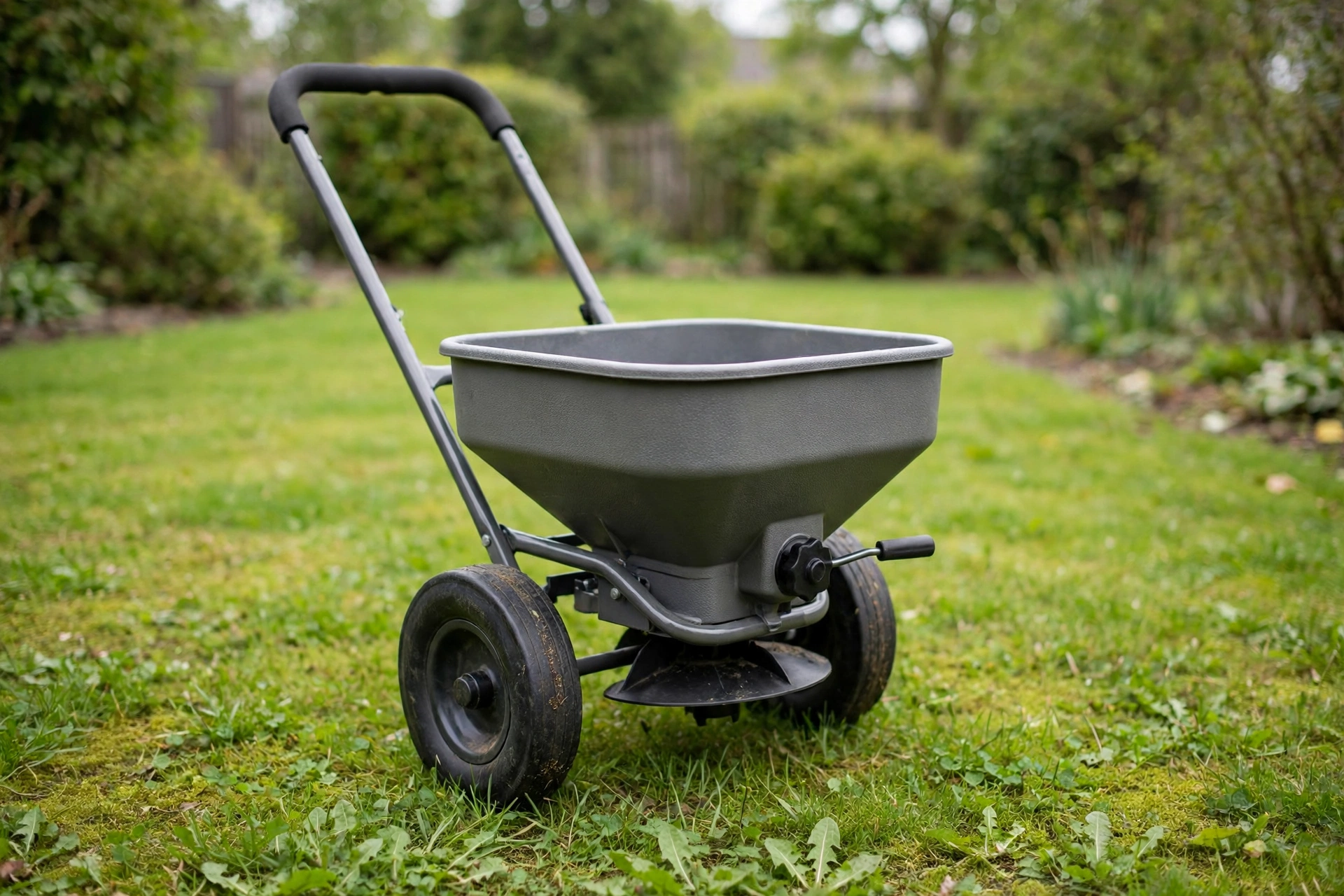
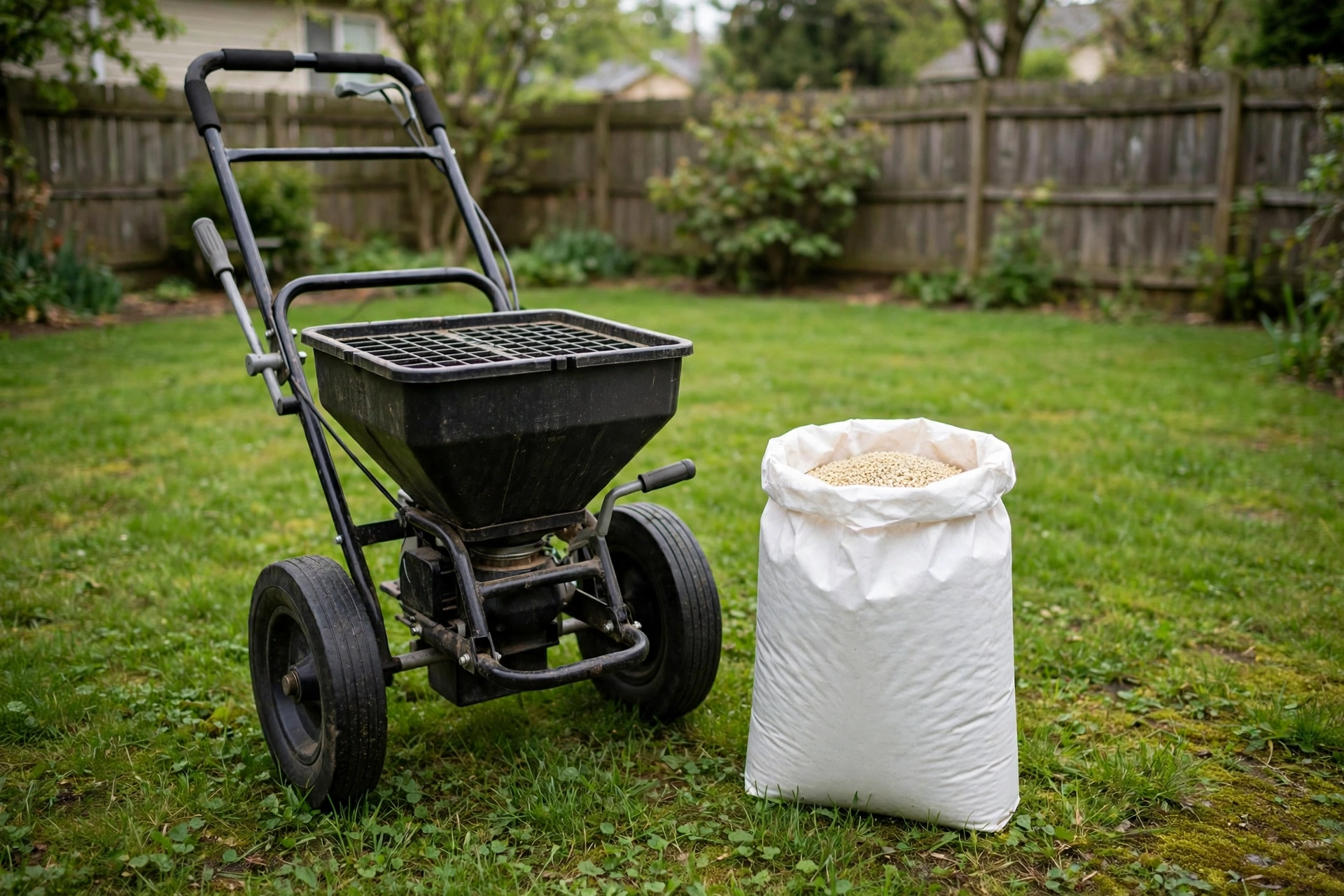
Timing matters as much as amount. Our reference table for when to fertilize cool-season vs. warm-season lawns sets the calendar by grass type, and our best fertilizer spreaders for small lawns covers the tool that keeps the rate even. If the mowing schedule is the question, our guide to mowing on fertilizing day settles it.
When each one wins
Milorganite wins for most homeowners: it is forgiving, it feeds for weeks, it is easy to buy, and it will not burn the lawn if the spreader overlaps a pass. Screamin Green wins when the lawn is big, the color needs to come back fast, and you can get the bag from a landscape supplier and spread it at the labeled rate without guessing.
Bottom line
For most lawns, buy Milorganite: it is the feed that fixes a pale lawn without creating a new problem, and four bags a year is the whole program. Reach for Screamin Green when the lawn is large, the green needs to come back quickly, and you are willing to buy from a supplier and measure the rate, since a high-nitrogen bag leaves no room for a sloppy pass.