Landscape & Leisure is reader-supported. When you buy through links on our site, including Botanical Interests seed links, we may earn a commission at no extra cost to you. Prices change, so click through to confirm current pricing.
The soil thermometer says 72°F, the packet is open, and the row is marked — this is the moment okra growing is actually decided. Sow into warmth and the plants race; sow into cold ground and the seed sits there while you wonder what went wrong. Everything after this morning is spacing, patience, and a picking habit.
This guide walks the whole run for the two varieties in our best okra varieties roundup — Clemson Spineless 80 and Red Burgundy. If your plants later flower without setting pods, the flower and pod-set FAQ is the troubleshooting companion to keep bookmarked.
Wait for Warm Soil
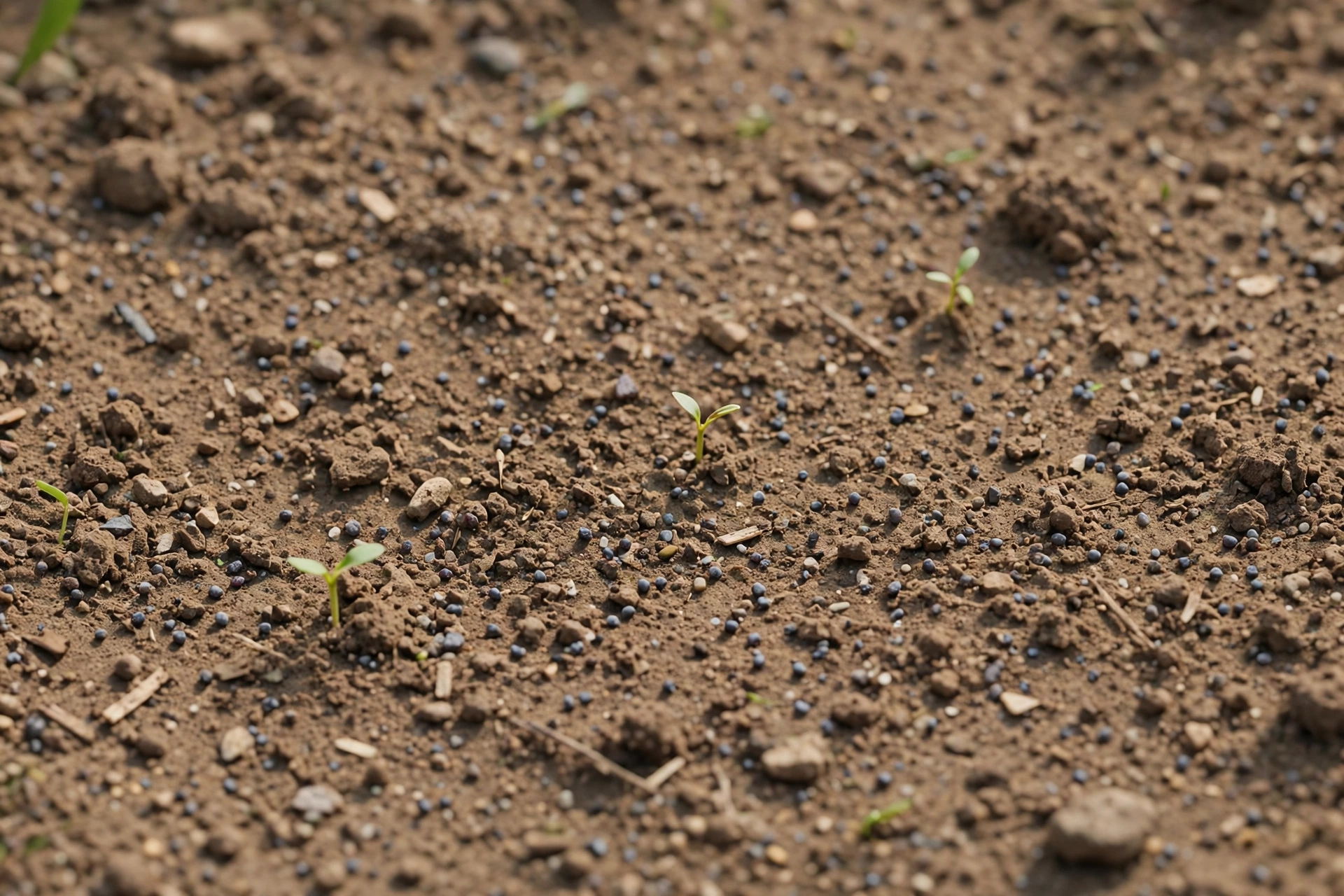
Okra is frost sensitive and heat tolerant, and the seed wants soil at least 70°F, ideally 80 to 90°F, before it will germinate well. Direct sow 1 to 2 weeks after your average last frost date, once the soil has genuinely warmed — a late cold snap after sowing costs you the stand, not just a few days.
In short-season areas, start indoors 4 to 6 weeks before your average last frost date instead. Use biodegradable pots, because okra seedlings dislike root disturbance, and keep the trays warm from the start. A heat mat holds the soil in that 80 to 90°F germination band on a cool windowsill, which is the difference between seedlings up in ten days and a tray you give up on.
Seed Starting Heat Mat
Holds seed trays in okra’s 80–90°F germination band for indoor starts.
Sow, Space, and Thin
Sow a group of 3 seeds every 18 inches for Clemson Spineless 80, a half to one inch deep, in rows 4 feet apart. Red Burgundy gets a group of 3 every 18 to 24 inches, at the same depth and the same 4-foot row spacing. Germination takes 10 to 15 days in warm soil.
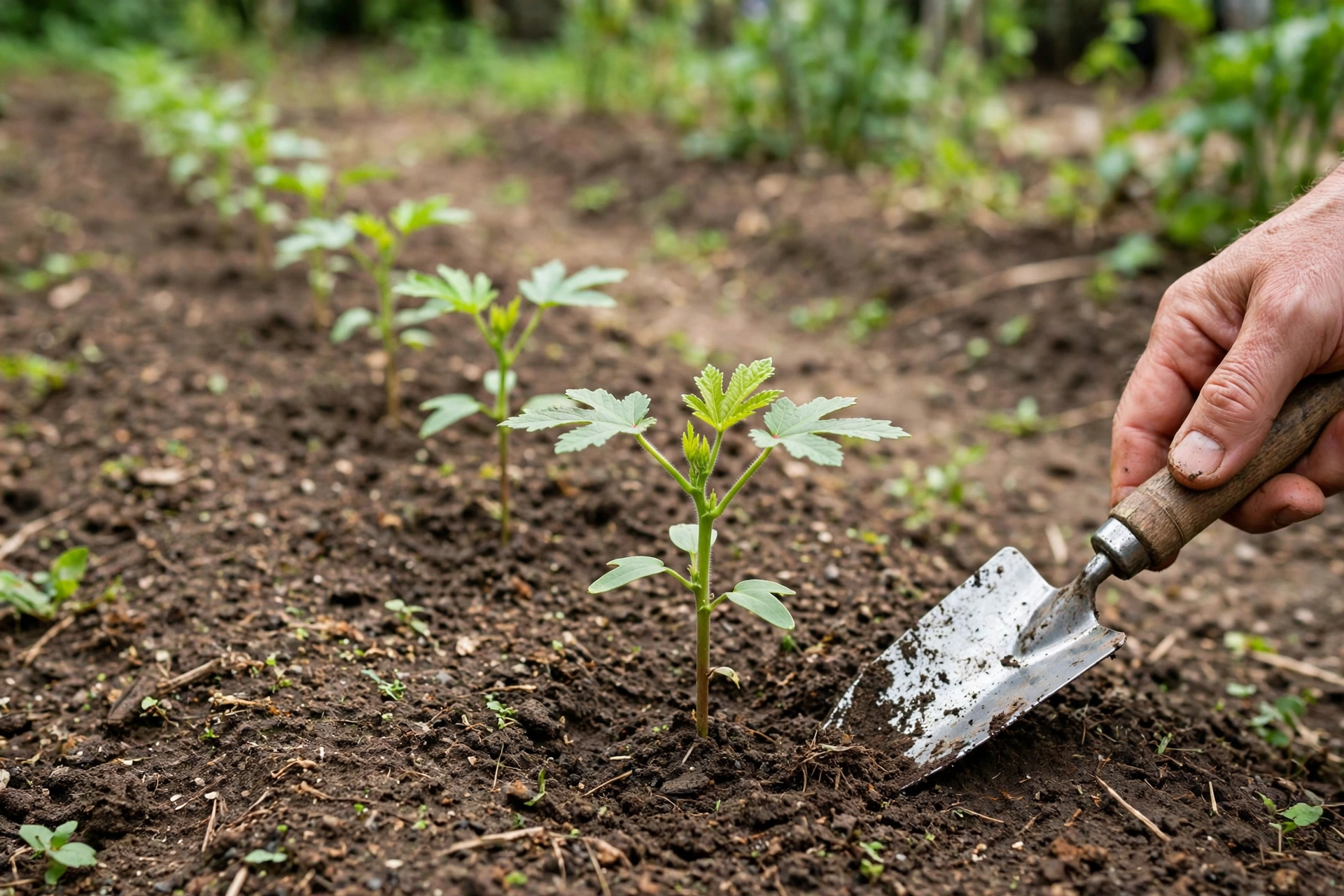
Thin when the seedlings stand 4 inches tall — to one plant every 18 inches for Clemson, one every 18 to 24 inches for Red Burgundy. This is the step gardeners skip because the seedlings look so hopeful, and it is the step that decides whether the mature plants have air and light. Crowded okra is leggy okra, and leggy okra pods late.
| Step | Clemson Spineless 80 | Red Burgundy |
|---|---|---|
| Sow | Group of 3 every 18″, ½”–1″ deep | Group of 3 every 18″–24″, ½”–1″ deep |
| Germination | 10–15 days | 10–15 days |
| Thin | At 4″ tall, to 1 every 18″ | At 4″ tall, to 1 every 18″–24″ |
| Rows | 4′ apart | 4′ apart |
| Days to maturity | 55 days | 55–60 days |
Clemson Spineless 80 Okra Seeds
The 55-day green standard — sow it warm, thin it honestly, pick it small.
Red Burgundy Okra Seeds
Crimson pods, 55–60 days — give it the wider end of the spacing range.
Harvest: Small, Often, With a Knife
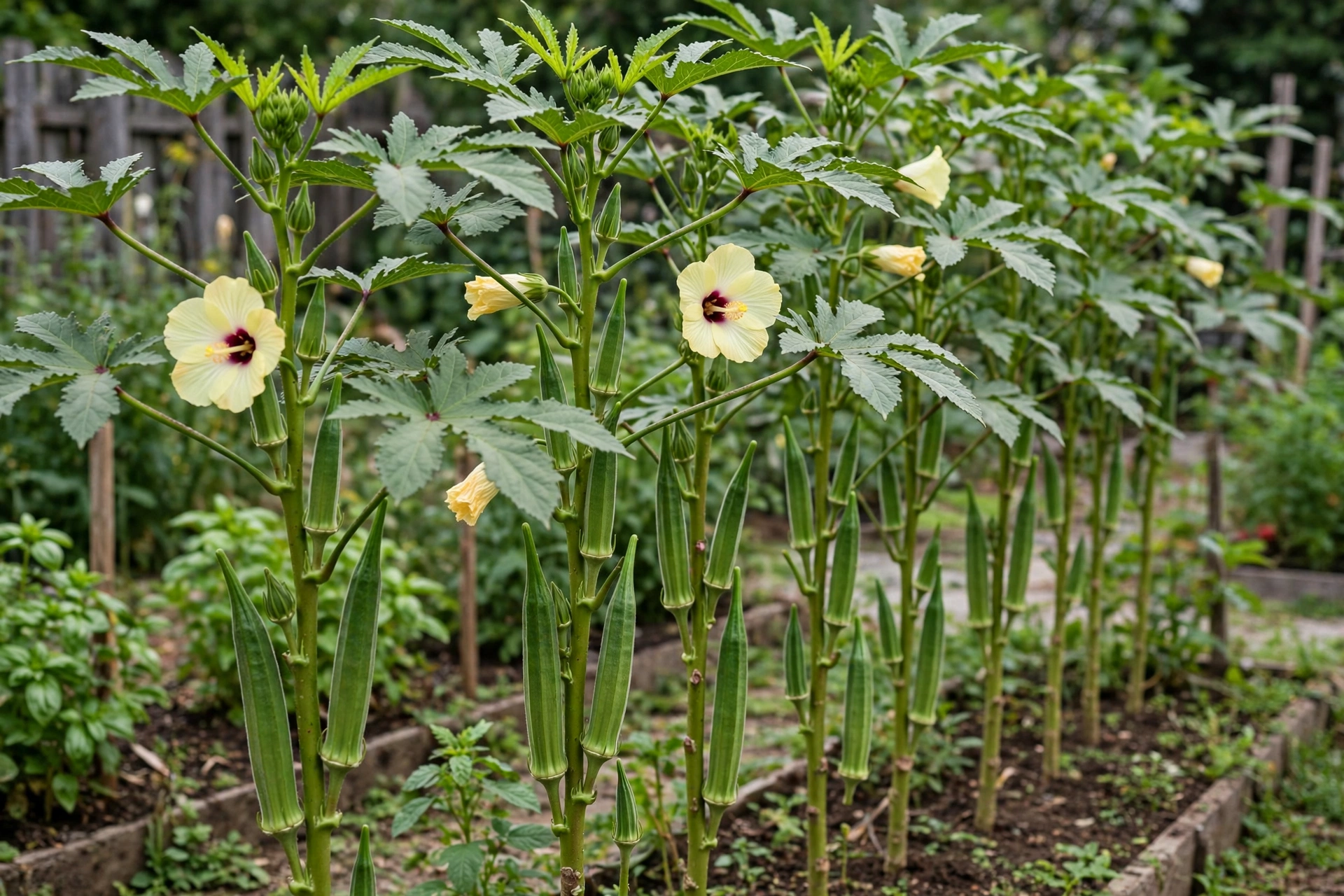
Pods are most tender at about 3 to 4 inches long. Clemson can grow to 9 inches, but past 4 inches it turns tough, while Red Burgundy stays tender to about 6 inches. Cut the thick stem with a sharp knife rather than pulling — the plant is tall, the stems are sturdy, and a yank costs you the branch.
Wear gloves and long sleeves if your skin reacts to the foliage; some gardeners get an irritation from it, and a daily picking round in short sleeves is how you find out you are one of them. There is a particular pleasure in that morning round once the plants are chest-high — coffee in one hand, knife in the other, pods appearing where yesterday there were only flowers.
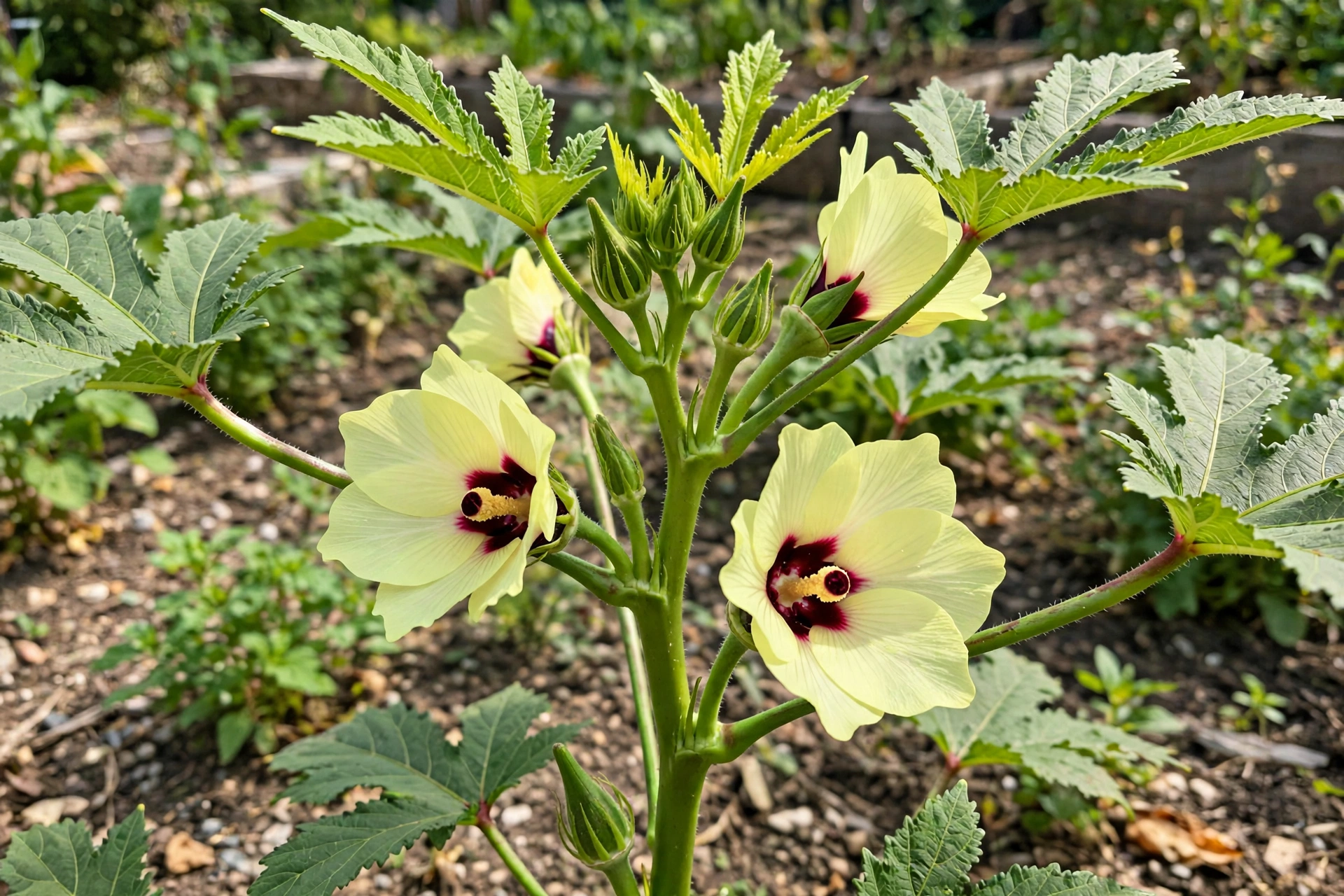
The rule that matters most is the simplest: harvest regularly. If pods are allowed to mature on the plant, the plant stops producing, because it has done the job it set out to do. After the first harvest, removing the lowest set of leaves increases production. Pick every day or two, and the plants will keep setting flowers and pods until frost.
The Short Version
Sow warm, thin honestly, pick small and often. Clemson Spineless 80 for the classic green pod at 55 days, Red Burgundy for color and a slightly more forgiving picking window — and a heat mat on the tray if your season is short enough that you are starting indoors. That is the whole crop.