Landscape & Leisure is reader-supported. When you buy through links on our site, including Botanical Interests seed links, we may earn a commission at no extra cost to you. Prices change, so click through to confirm current pricing.
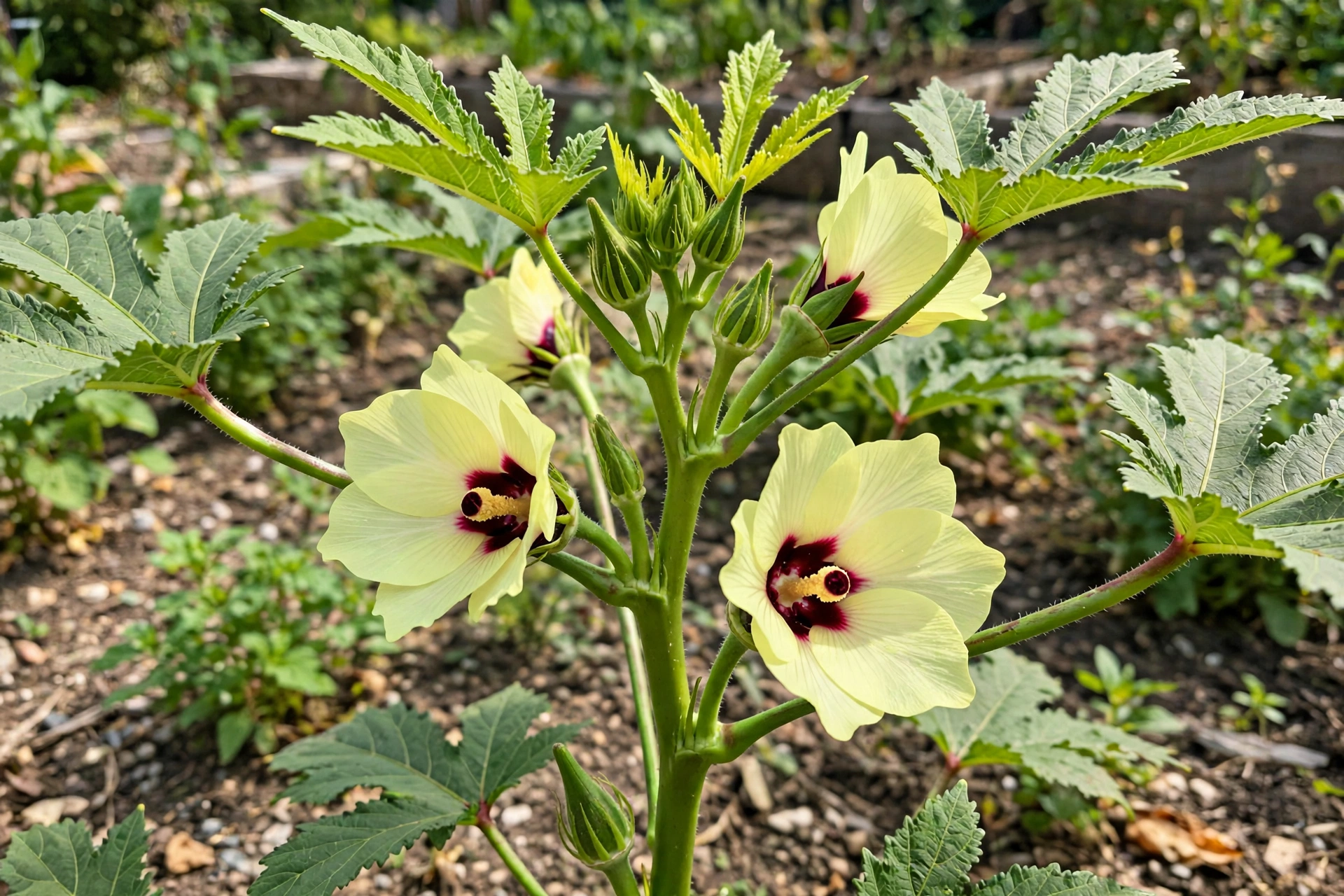
The flowers opened, the petals fell, and the row still shows no pods — before you blame the bees, look at the base of those fallen flowers. An okra bloom lasts about a day whether it sets a pod or not, so a plant dropping petals is a plant behaving normally. The question is what is swelling, or not swelling, behind them.
Work through the causes below in order — most pod-set failures are the calendar, the thermometer, or a pod you missed. The varieties referenced are the two in our okra varieties roundup, and the sowing and spacing basics live in our growing okra from seed guide.
First: The Two-to-Four-Day Check
Mark a few flower positions today and look again in two to four days. Okra is generally self-pollinated, and after the petals close and fall, the ovary behind the flower enlarges into the pod. A bare stem where a flower sat yesterday proves nothing; a small green nub growing at that spot proves the plant is fine.
If the nub forms and then shrivels, or no nub forms at all across several marked flowers, you have a real set problem. That is when the table below earns its keep.
| Symptom | Likely cause | Fix |
|---|---|---|
| No flowers at all, lush green plant | Too much nitrogen, or the plant is simply young | Stop nitrogen feeding; check days to maturity — 55 to 60 days from sowing |
| Flowers open, no pods follow | Temperatures below 55°F or above 95°F limiting pollination | Wait out the swing; steady warmth restores set |
| Pods started, then production stopped | A mature pod left on the plant | Remove every oversized pod; resume daily picking |
| Flowers drop during a dry, hot spell | Uneven water during flowering | Water consistently through the flowering stretch |
Temperature: Too Cold, Too Hot
Okra is a heat lover, but it has limits at both ends. University of Arkansas Extension guidance puts them plainly: temperatures below 55°F or above 95°F can limit pollination, as can too much nitrogen fertilizer. A cold snap in early summer and a brutal heat wave in August can produce the exact same symptom — flowers, no pods — for opposite reasons.
The fix in both cases is mostly patience, plus steady water while you wait. The plant has not failed; the weather has paused it. When temperatures settle back into the warm band, set resumes on new flowers.
The Pod You Missed
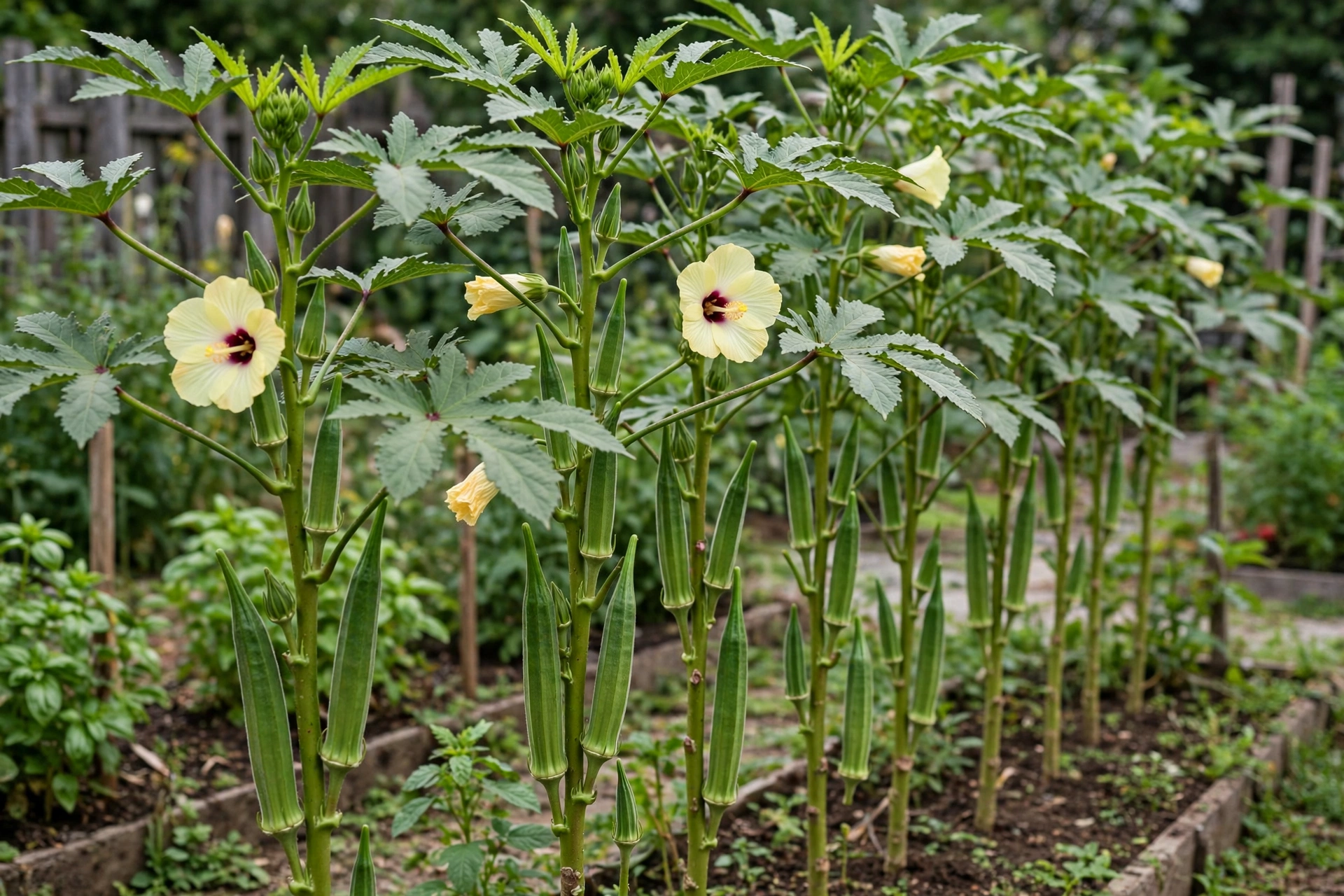
This is the cause nobody believes until they find the pod. Okra plants stop producing when pods are allowed to mature on the plant — one fat, hidden pod behind a big leaf can shut down a whole plant’s flowering while you stand there blaming the bees. Search the plant thoroughly, low and behind the foliage, before you change anything else.
Remove every oversized pod you find, even the ones past eating. Clemson Spineless 80 pods are best at 3 to 4 inches and Red Burgundy at 6 inches or shorter, so a daily or every-other-day picking round is not fussiness — it is the production switch. There is a rhythm to it by midsummer: the plants grow taller than you, the flowers open pale and brief, and the pods hide exactly where you did not look yesterday.
Clemson Spineless 80 Okra Seeds
55 days, picked at 3–4 inches — the variety whose rhythm this FAQ is built around.
Red Burgundy Okra Seeds
Tender to 6 inches — a slightly wider picking window when life gets busy.
Too Much Nitrogen, Not Enough Patience
A deep green, leafy plant with no flowers is usually a fed plant, not a failing one. Heavy nitrogen pushes leaves at the expense of blooms, and the cure is to stop feeding and let the plant rebalance. Check the calendar too: both varieties here need 55 to 60 days from sowing, and a plant at day 40 with no flowers is on schedule, not behind it.
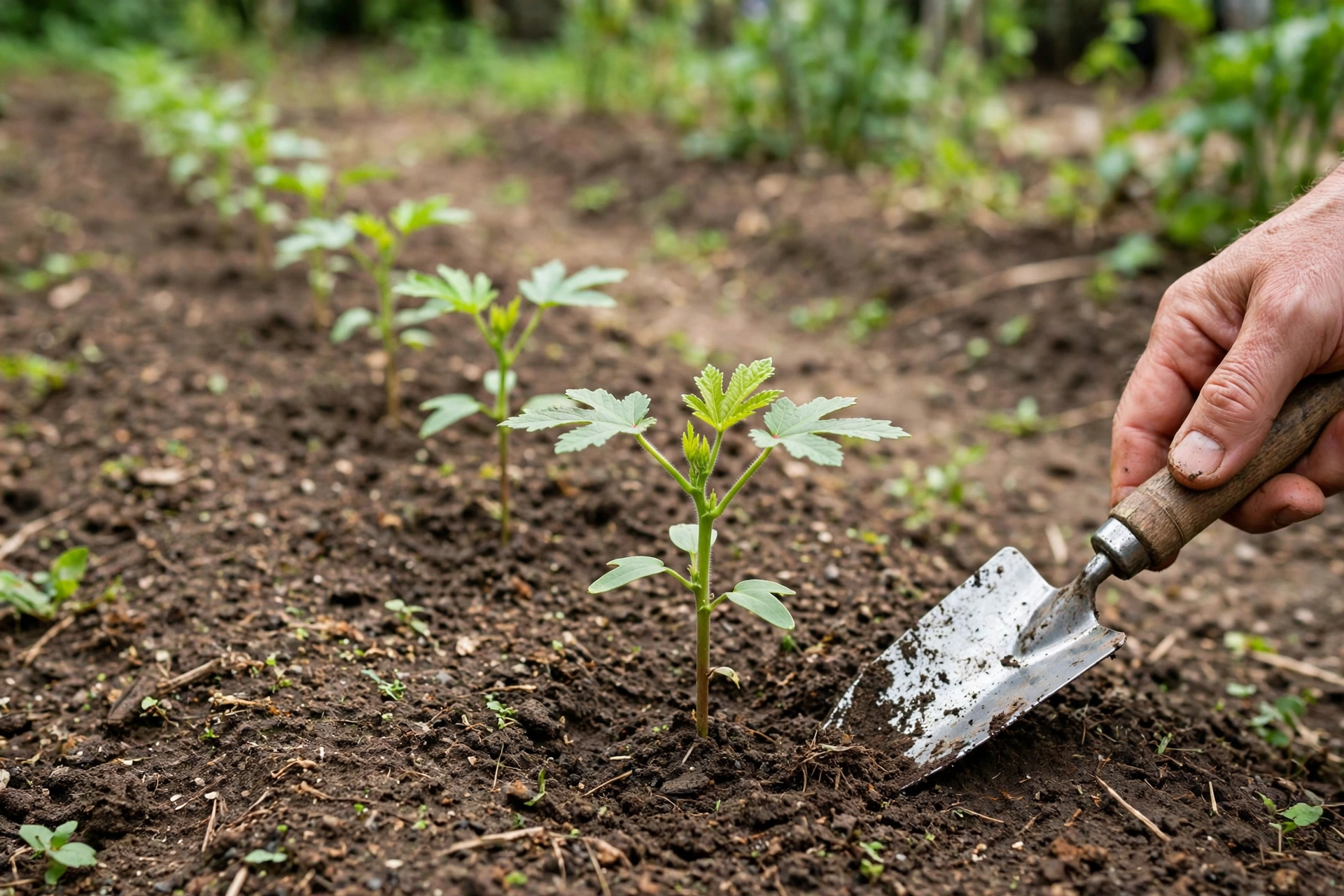
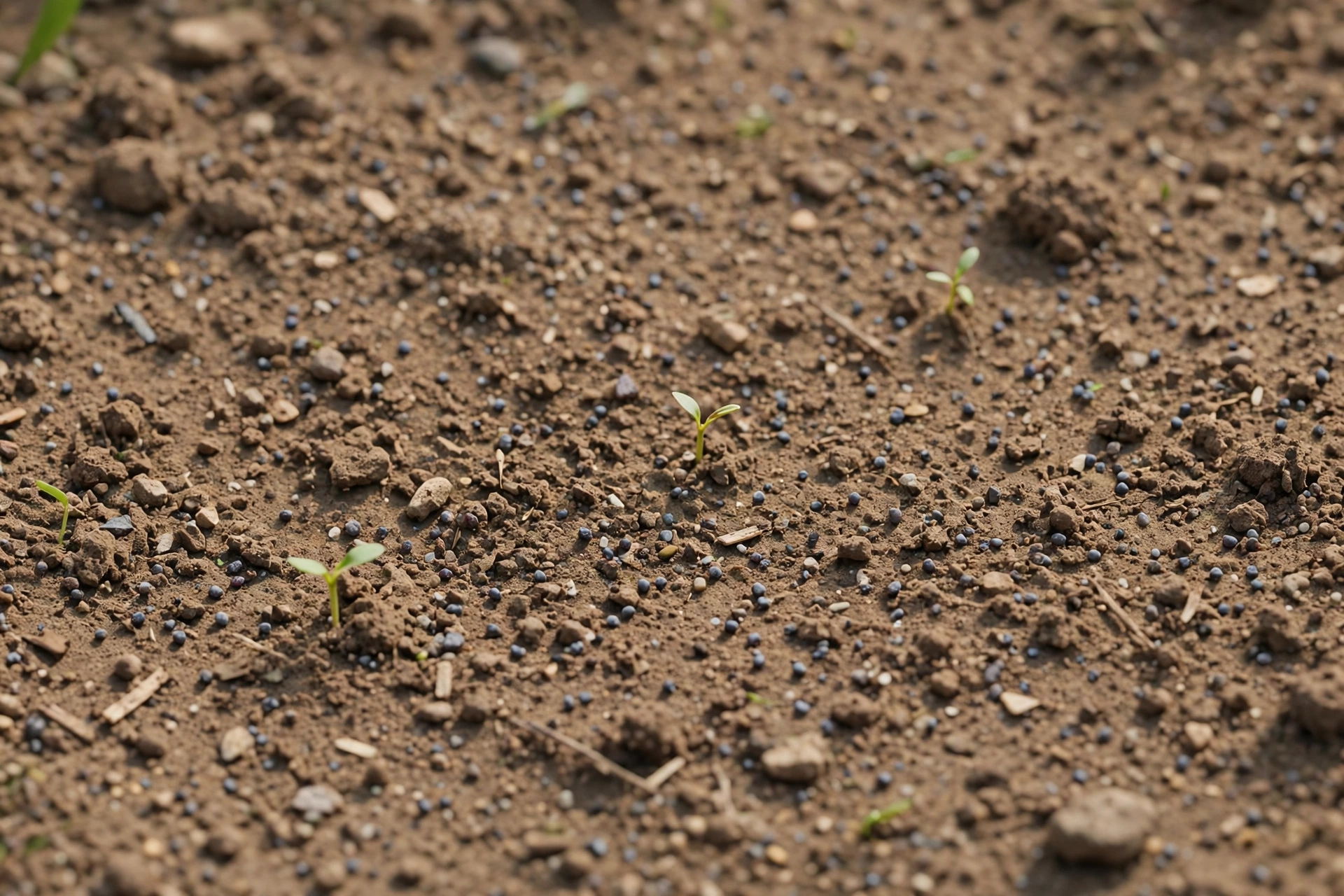
If a stand failed early — patchy germination from cold soil is the usual story — a warm restart beats a season of nursing. Fresh seed sown into soil at 70°F or better, in sturdy cells that hold warmth, catches up fast in midsummer heat.
Epic 6-Cell Seed Starting Trays
Sturdy cells for a warm restart when an early sowing fails.
The Order to Check In
Do the two-to-four-day check first, then hunt for a missed mature pod, then look at the thermometer, then at the fertilizer bag. In that order, most okra pod-set problems name themselves within ten minutes — and the fix is usually your picking knife, not a purchase.