Landscape & Leisure is reader-supported. When you buy through links on our site, including Botanical Interests seed links, we may earn a commission at no extra cost to you. Prices change, so click through to confirm current pricing.
Two plants, or one. That number is where tomatillos and ground cherries part company, and it is worth settling before the seed order, because a single tomatillo plant will grow all summer and set almost no fruit, while a single ground cherry plant feeds a household by itself.
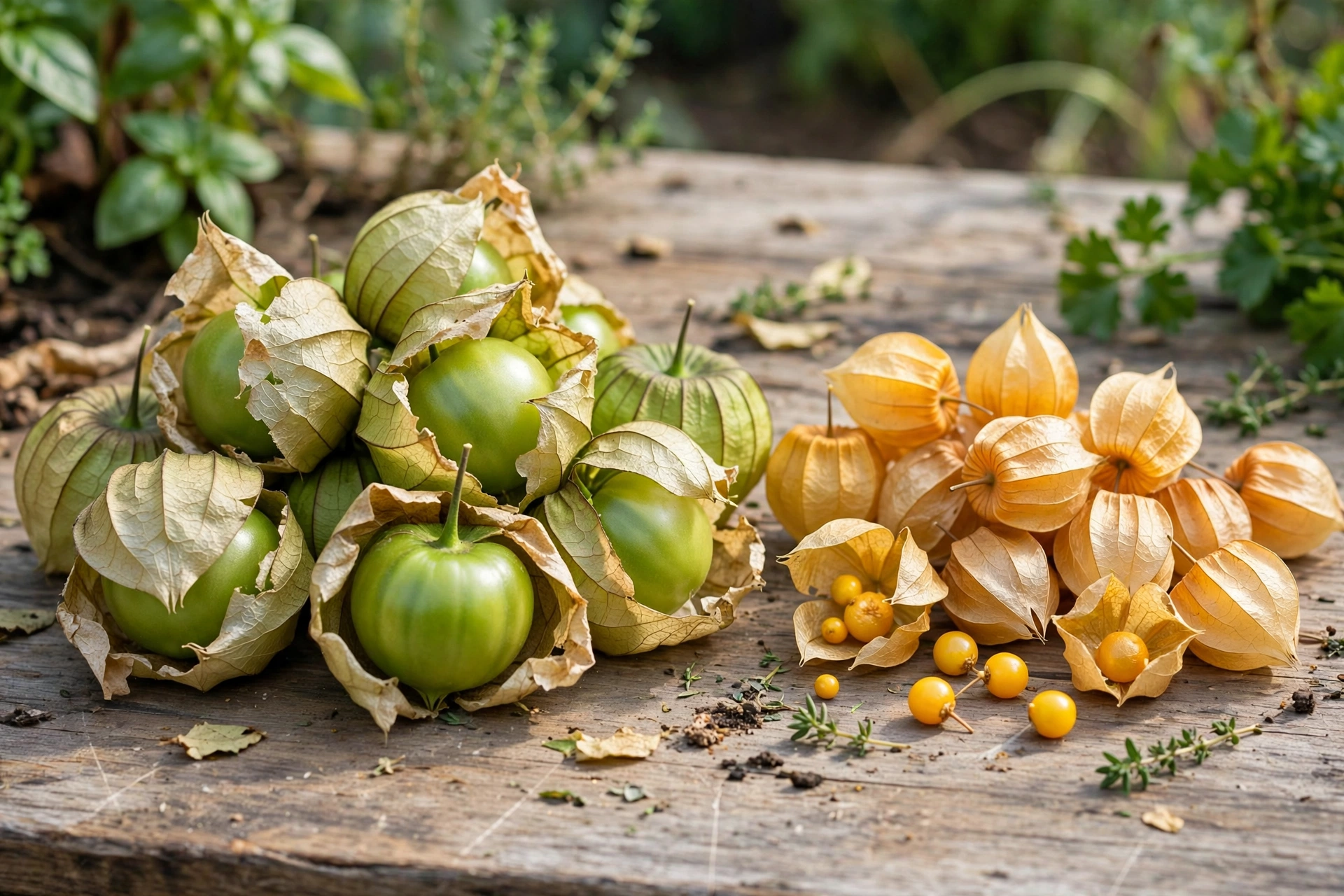
Both fruits wear a papery husk, and both are Physalis — which is where the resemblance ends. The tomatillo is Physalis philadelphica, a cooking fruit that needs a pollination partner. The ground cherry is Physalis pruinosa, a self-fertile snacking fruit that ripens sweet and drops when it is ready. This comparison settles which one earns your row, and our tomatillo and ground cherry roundup has the packets, while the growing tomatillos guide has the method.
| Question | Tomatillos | Ground cherries |
|---|---|---|
| Fruit | 1 to 3 ounces, green or purple | ½ to ¾ inch, golden |
| Flavor and job | Tart and firm; salsa verde, sauces, cooking | Sweet with a pineapple edge; fresh eating, preserves |
| Plants needed | Two or more, for pollination | One plant produces well |
| Harvest sign | Fruit fills the husk, or the husk splits | Fruit drops to the ground in its husk |
| Days from transplant | 70 to 85 days, by variety | About 70 days |
Flavor Decides First
A tomatillo is an ingredient, not a snack. Raw, it is tart and firm; cooked into salsa verde it turns bright and rounded, which is the entire reason the plant exists in most gardens. The Purple variety narrows the gap — its fruit is much sweeter than the green types and genuinely good fresh — but even Purple is a tomatillo first, with a sauce pot in its future.
A ground cherry is the opposite arrangement. Its sweetness is the point, it asks for no cooking, no partner plant, and no recipe, and its most common harvest location is the gardener’s hand on the way past the bed. If the fruit you picture eating is eaten standing up, outdoors, that is the ground cherry’s whole case.
The Plants Themselves
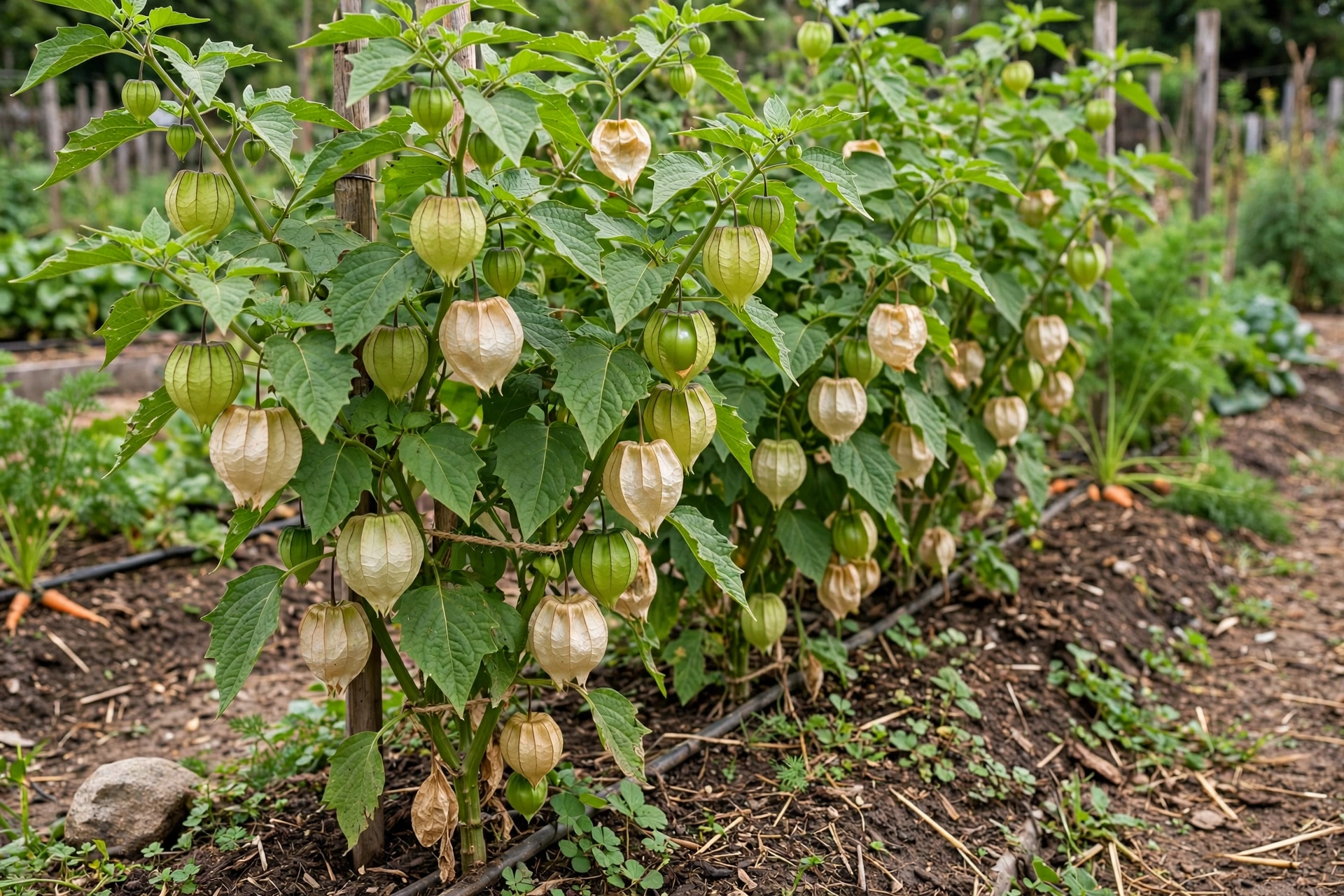
Grande Rio Verde is the tidiest plant in this comparison: about 24 inches tall, spaced 18 inches apart, and marked good for containers. Purple tomatillo takes 36 inches of spacing, and a ground cherry sprawls to about two feet across and reseeds where fallen fruit is missed, so the ground cherry is the plant most likely to volunteer in next year’s bed whether you invited it or not.
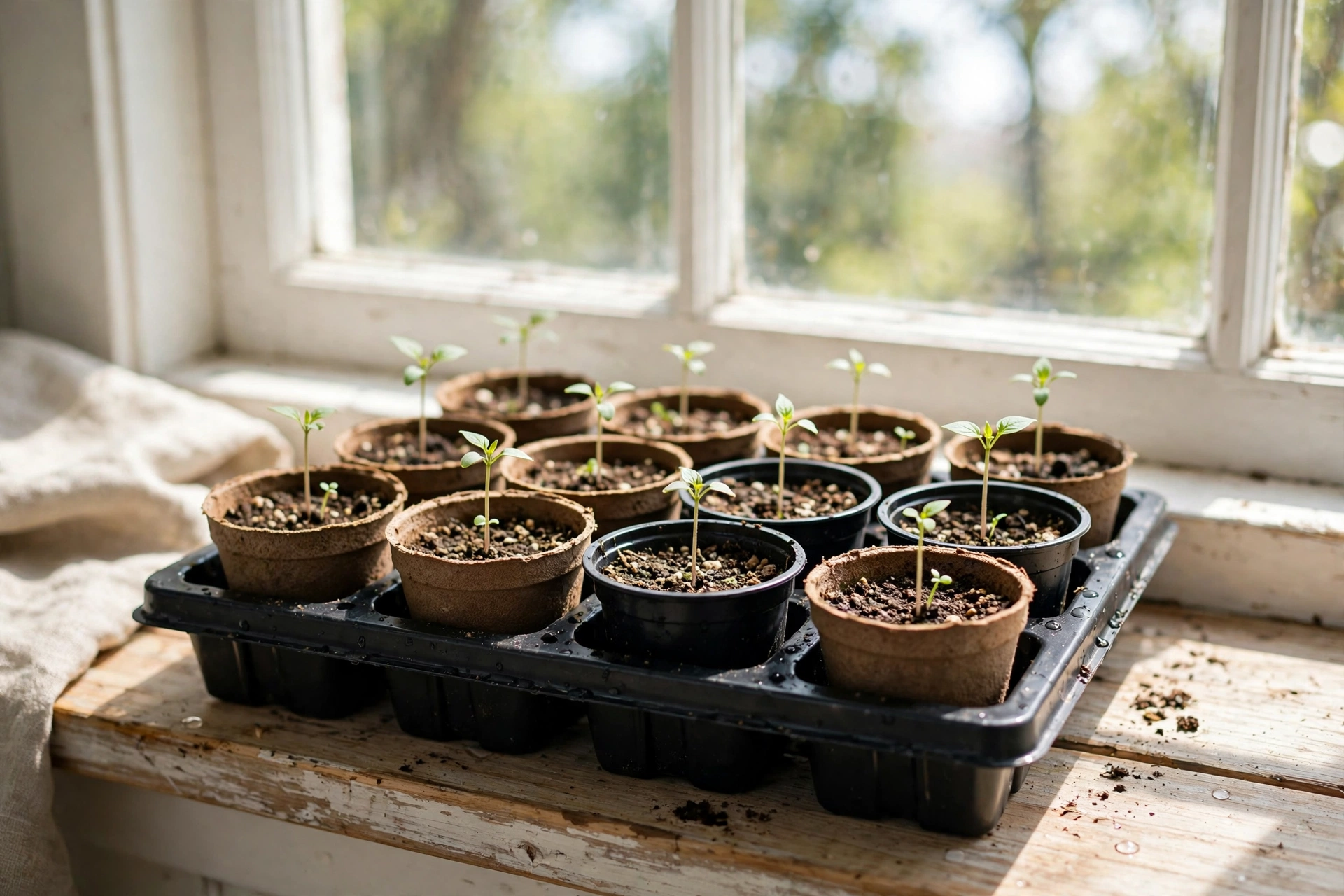
Both start the same way — indoors, four to six weeks before the last frost for the tomatillos, on soil warm enough to germinate, 80° to 85°F on the tomatillo packets. Frost ends the season for both; the tomatillo packets say frost sensitive and heat tolerant in the same breath, and a hot July suits the whole family.
Grande Rio Verde Tomatillo Seeds
The compact salsa plant — 18-inch spacing, 3-ounce fruit, and a harvest that arrives together.
Purple Tomatillo Seeds
The bridge between the two — a tomatillo sweet enough for fresh eating, ready in 70 days.
Harvest: Picked vs. Fallen
Tomatillos are picked on your schedule. Grande Rio Verde fills its husk and ripens nearly all at once, which suits a single canning day; Purple is picked as each husk splits and the fruit reaches full purple. Either way, you go to the plant.
Ground cherries reverse the errand — the plant delivers. Ripe fruit falls in its husk, and the harvest is a gathering pass along the row every few days, picking up what dropped. It is charming and easy, with one firm rule: a ground cherry still hanging green is not ripe, and the fallen ones you miss become next year’s volunteers.
The trays both crops start in are the same ones the rest of the spring bench uses.
Epic 6-Cell Seed Starting Trays
One cell per plant keeps the tomatillo pair — and every spare seedling — organized until transplant.
The Honest Caveat, and the Verdict
Botanical Interests sells the two tomatillos and no ground cherry, so the cards on this page cover one side of the comparison. That does not change the verdict, because the verdict was never about the catalog: it is about the job.
Grow tomatillos if anything in your kitchen starts with a sauce — Grande Rio Verde for the batch, Purple if you also want one to eat fresh, and always in pairs. Grow ground cherries if the garden is partly a snack bar and a sprawling, self-sufficient plant sounds like a feature. Given one row and a salsa habit, I would plant the tomatillo pair and let the ground cherries wait for the year a bed opens up beside them.