Landscape & Leisure is reader-supported. When you buy through links on our site, including Botanical Interests seed links, we may earn a commission at no extra cost to you. Prices change, so click through to confirm current pricing.
The most common cauliflower mistake is not a pest or a fertilizer. It is a white head left sitting in full sun, unshaded, until the curd turns the color of old newspaper.
I have cut that yellowed head. Everyone who grows this crop has. The plant did its part — it made a tight curd on schedule — and then nobody shaded it. This guide covers the whole crop around that one fix: the indoor start, the 24-inch spacing, when to blanch and when a variety blanches itself, and the tight-bud harvest rule. If you have not chosen a variety yet, start with my cauliflower varieties roundup.
Start Indoors — the Packet Is Not Suggesting
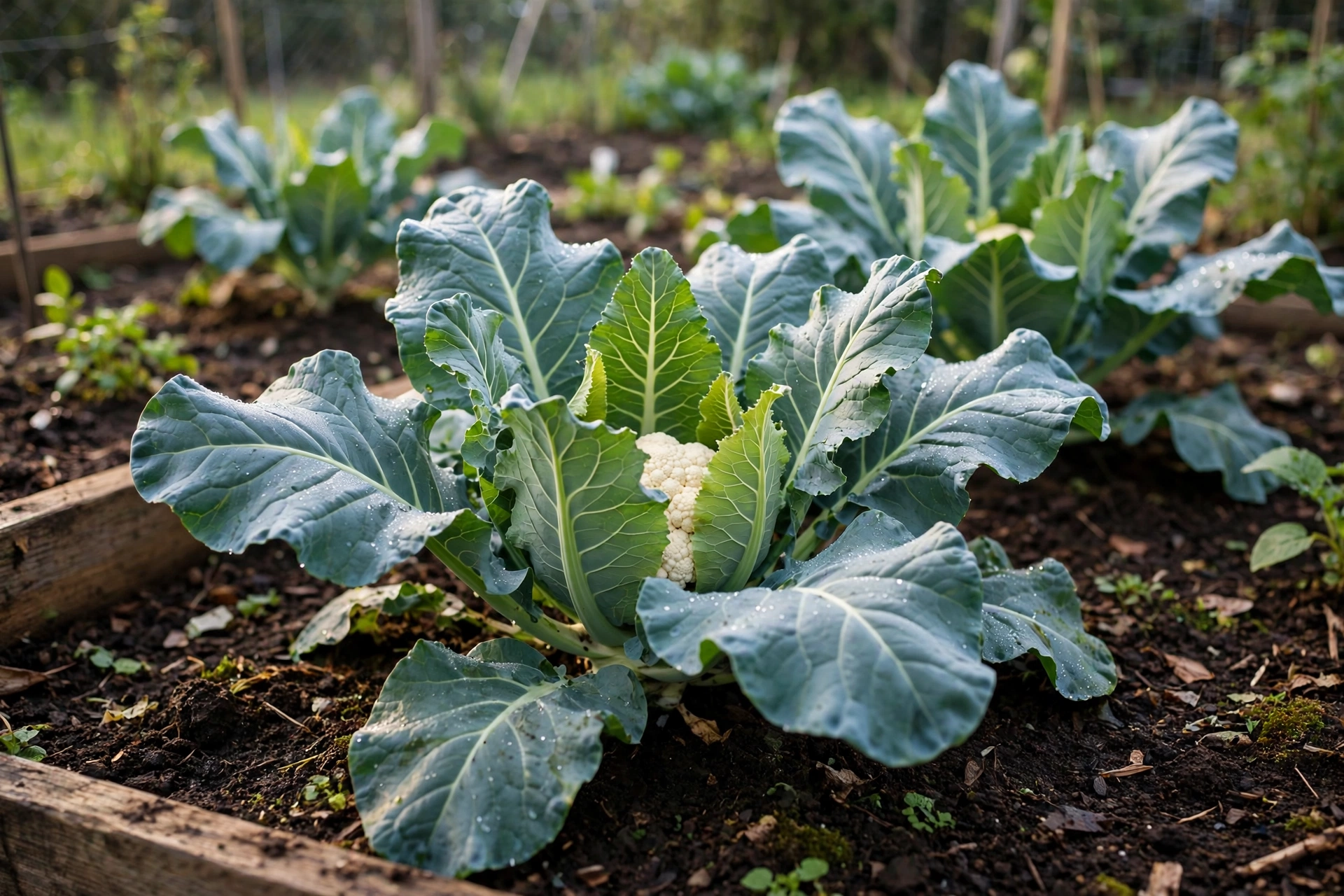
All three varieties in the roundup mark direct sowing not recommended and indoor starting recommended. Sow 4 to 6 weeks before transplanting out after your last frost date, or 12 weeks before your first fall frost date for a fall crop.
The packet numbers: seed ¼ inch deep, germination in 8 to 10 days at an ideal soil temperature of 70 to 85°F, then cooler growing temperatures around 60°F once the seedlings are up. That drop matters — seedlings held warm and soft grow leggy and transplant badly.
Seed Starting Heat Mat
Holds seed soil in the 70–85°F germination window the cauliflower packets specify.
Check Price at Botanical InterestsSpacing: Give It the Full Two Feet
Sow a group of 3 seeds every 24 inches and thin to 1 plant every 24 inches when the seedlings are 2 inches tall, with rows 24 to 36 inches apart. Crowding cauliflower is the second most common mistake on this page — a squeezed plant makes a small, loose head and blames the variety.
| Step | Packet figure | Why it matters |
|---|---|---|
| Start indoors | 4–6 weeks before transplanting | Direct sowing is not recommended on any of these packets |
| Seed depth | ¼ inch | Deeper seed emerges slowly and unevenly |
| Germination | 8–10 days at 70–85°F soil | Cool soil is the usual reason a tray sits empty |
| Spacing | Group of 3 every 24 in, thin to 1 | Crowded plants make small, loose heads |
| Harvest | Morning, buds tight | Loose buds mean the head is already passing |
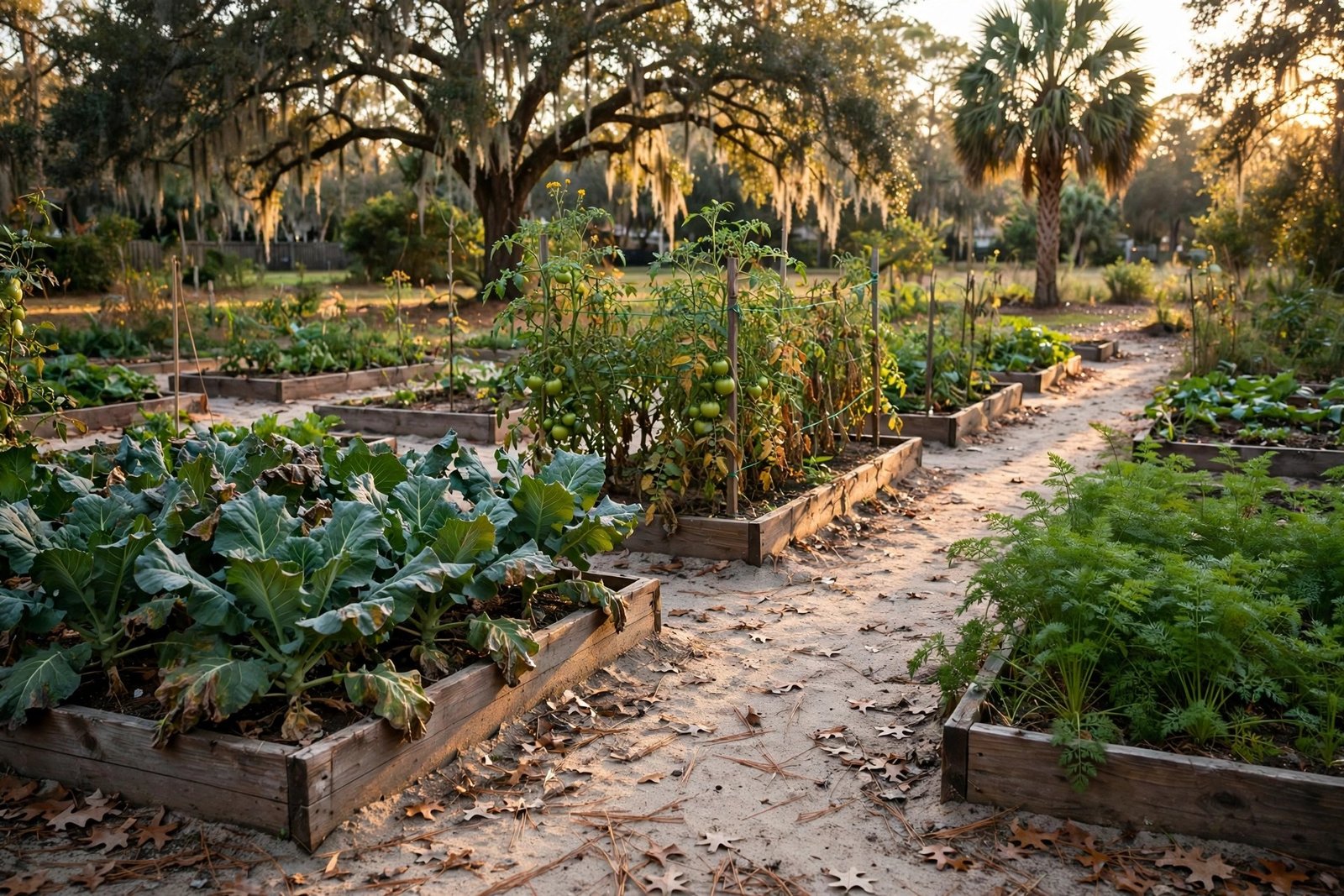
The fall timing deserves one plain sentence: count back from your first fall frost. A 75 to 80 day variety started 12 weeks before that frost heads up as the weather cools, which is the weather this crop prefers — the same count-back I use for the varieties in my broccoli growing guide.
Blanching: Shade the Curd, or Plant One That Does
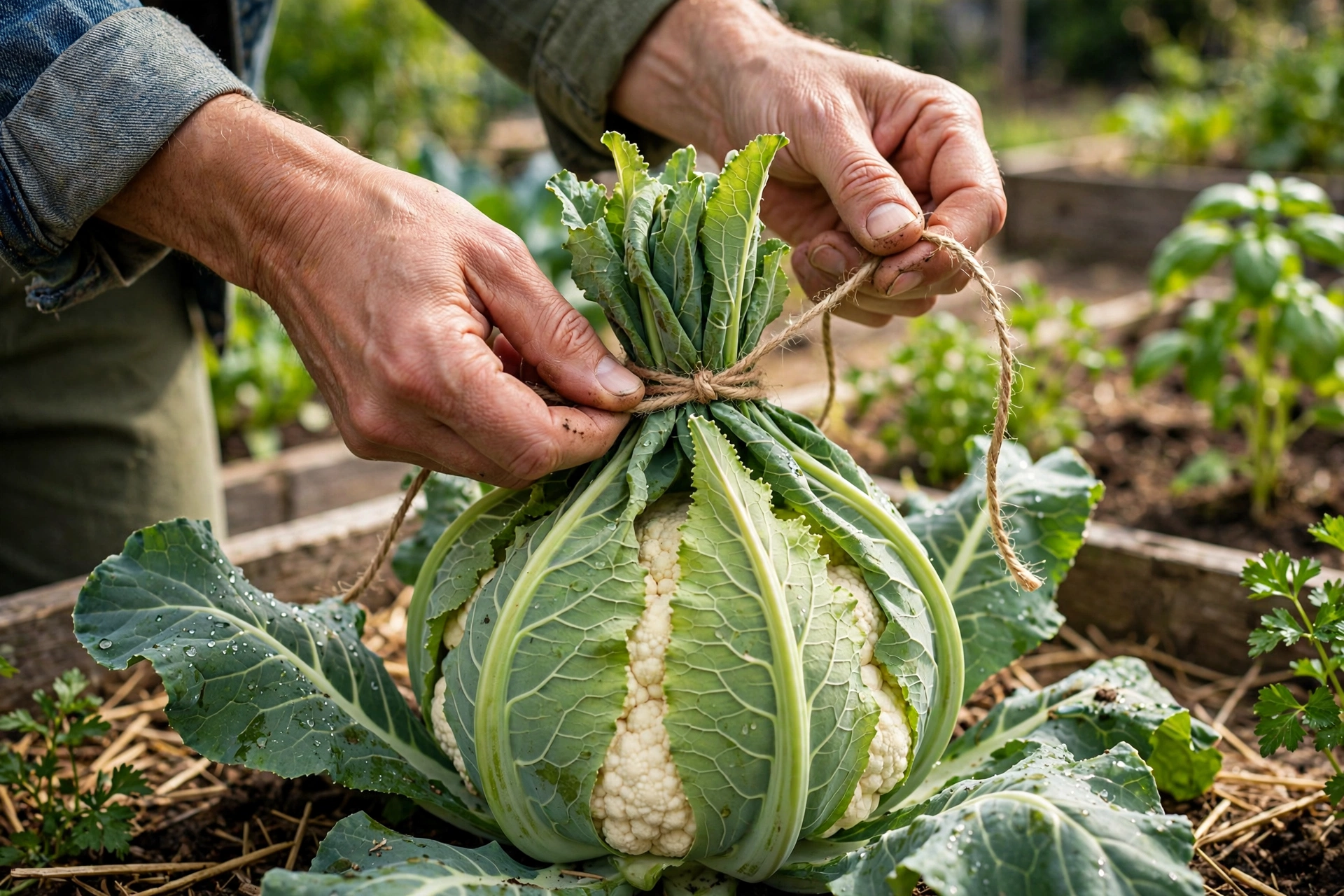
Blanching, for cauliflower, means keeping sun off the forming white curd so it stays white and mild. The packet method is direct: gently tie the outer leaves up over the head, or bend a few leaves, breaking the mid-rib, and tuck them across the head for sun protection.

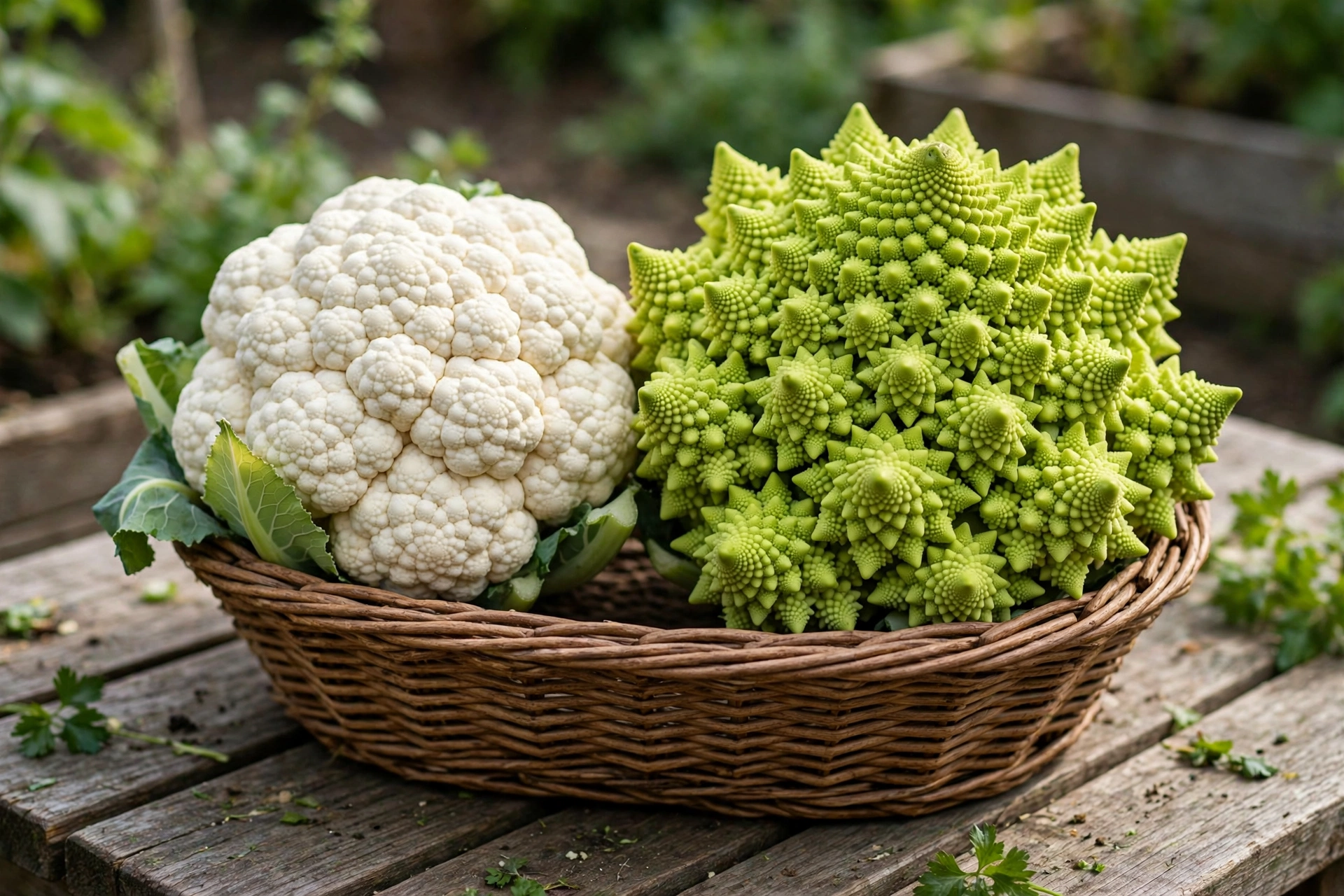
Start when the curd is small and check every few days; a tied head you forget is a head that goes loose under its own leaves. Colored heads skip this step — Amethyst’s purple and Romanesco’s green are the point, and sun does not yellow them the way it yellows a white curd.
Two of the three roundup varieties reduce the chore. Twister’s large leaves curl over the head on their own, and Amethyst is partially self-wrapping. If tying leaves sounds like one job too many in a busy fall, that trait — not the color — is the practical reason to pick Twister.
Twister Cauliflower Seeds
Self-blanching leaves shield the white head from sun scald, so the tying chore mostly disappears.
Check Price at Botanical InterestsHarvest: Tight Buds, Morning Cutting
Cut when the buds are tight and the head is firm and full-sized for its variety — 6½ to 7 inches for Twister and Amethyst. The packet advice is to harvest in the morning where possible, cut the stalk below the head, and dunk the head in ice water to pull out field heat before draining and storing it.
Do not wait for one more day of size once the buds start to separate. A loose, ricey head does not tighten back up, and the plant will not make you a second one. Romanesco is the exception in form only: cut it as soon as the head has developed, firm and solid, and remove the whole plant — the packet notes it rarely produces side shoots. The full side-by-side of that choice is in cauliflower vs Romanesco.
The Short Version I Actually Follow
Start indoors on the packet’s timing, give every plant its full 24 inches, and shade any white curd the variety does not shade itself. Do those three things and cauliflower stops being the fussy brassica of reputation — it becomes the one that heads up in cool weather while the summer crops are finishing.