This post contains affiliate links. If you buy through them, we may earn a commission at no extra cost to you.
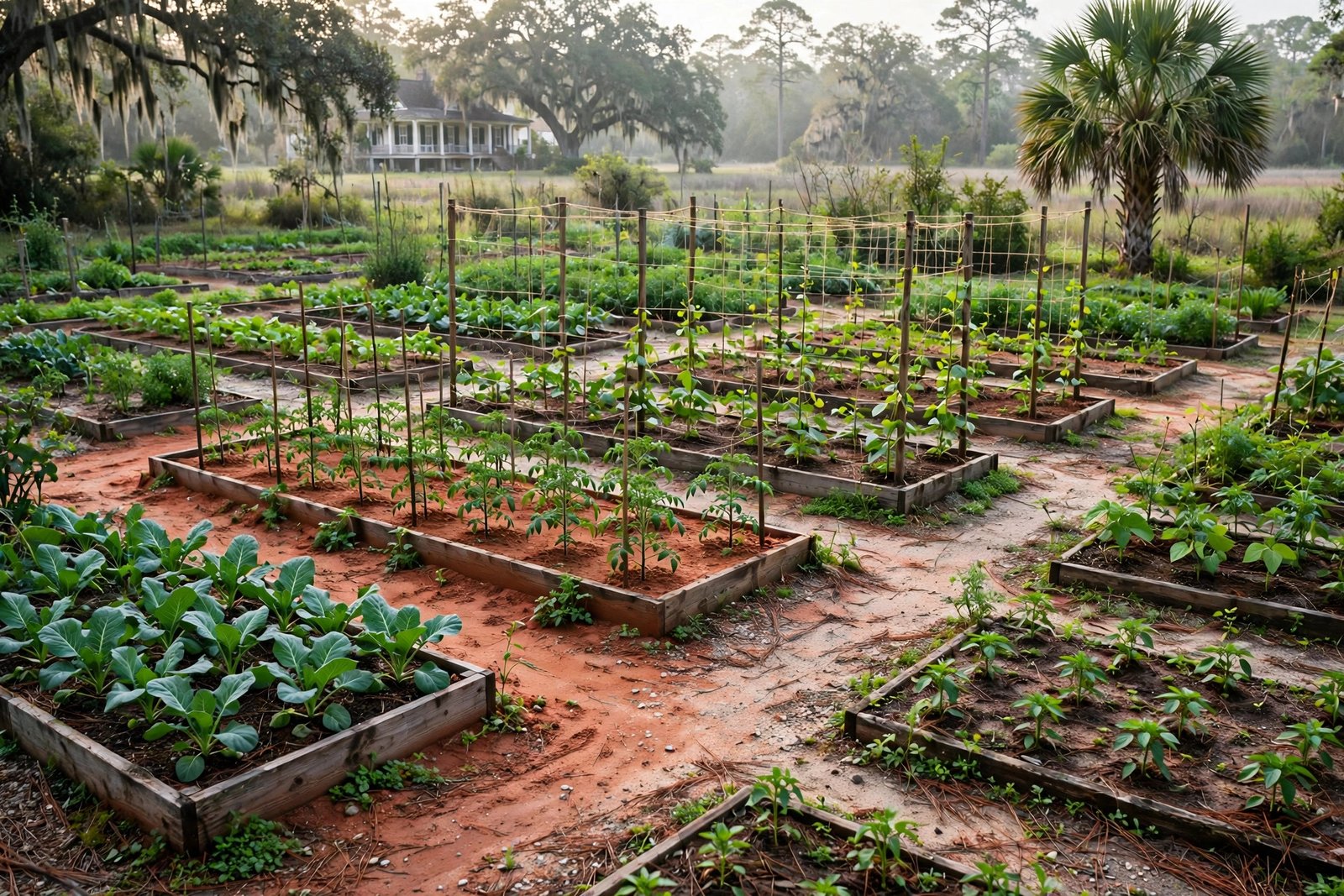
Late spring is when celosia seed goes in, and the season itself is the first instruction: every packet in this small catalog wants soil at least 60°F, sown within two weeks after the average last frost. Sow into a cold bed in April and the seed does not fail loudly. It just sits there while the weeds get started.
Warm soil, seed barely covered, and one pinch are nearly the whole method. The varieties themselves are ranked in the best celosia varieties to grow from seed.
Sow warm, and barely cover the seed
All three in-stock packets share one depth: surface to 1/8 inch. Celosia seed is tiny, and burying it a quarter inch down is the quiet reason a row never appears.
Press the seed onto firmed, moist soil and dust the lightest covering over it. Then keep the surface evenly moist until the seedlings show, because a seed sitting at the surface dries out faster than one tucked deeper.
Two emergence clocks, not one
Pampas Plume and Spring Green emerge in 7 to 14 days. Flamingo takes 14 to 21 days, a full week longer at the slow end, and that gap causes more reseeding mistakes than any pest on this plant.
Mark the Flamingo row with its date and leave it alone. A second sowing on top of a slow first one gives you a crowded tangle to thin instead of a row.
| Variety | Sow | Depth | Emerges | Spacing |
|---|---|---|---|---|
| Pampas Plume Tall Blend | 1–2 weeks after last frost, soil 60°F+ | Surface to 1/8 in | 7–14 days | Pinch every 12 in, thin to 1 every 12 in |
| Flamingo | Within 2 weeks after last frost, soil 60°F+ | Surface to 1/8 in | 14–21 days | Pinch every 12 in, thin to 1 every 12 in |
| Spring Green | Within 2 weeks after last frost, soil 60°F+ | Surface to 1/8 in | 7–14 days | Group of 2 every 8 in, thin to 1 every 8 in |
Starting indoors, when the season is short
A short season is the one good reason to start celosia inside, in cells, where the soil temperature is yours to set. A heat mat holding the tray warm does the work the April windowsill cannot.
Epic 6-Cell Seed Starting Trays
Sturdy cells for a warm indoor start when the outdoor season runs short.
Seed Starting Heat Mat
10 by 20.75 inches, 20 watts, raises soil temperature 10 to 20°F for warm-soil seed.
Transplant after frost, at the packet spacing, and handle the root ball gently. Celosia sulks after rough transplanting, which is why direct sowing stays the default wherever the season allows it.
Pinch once, early
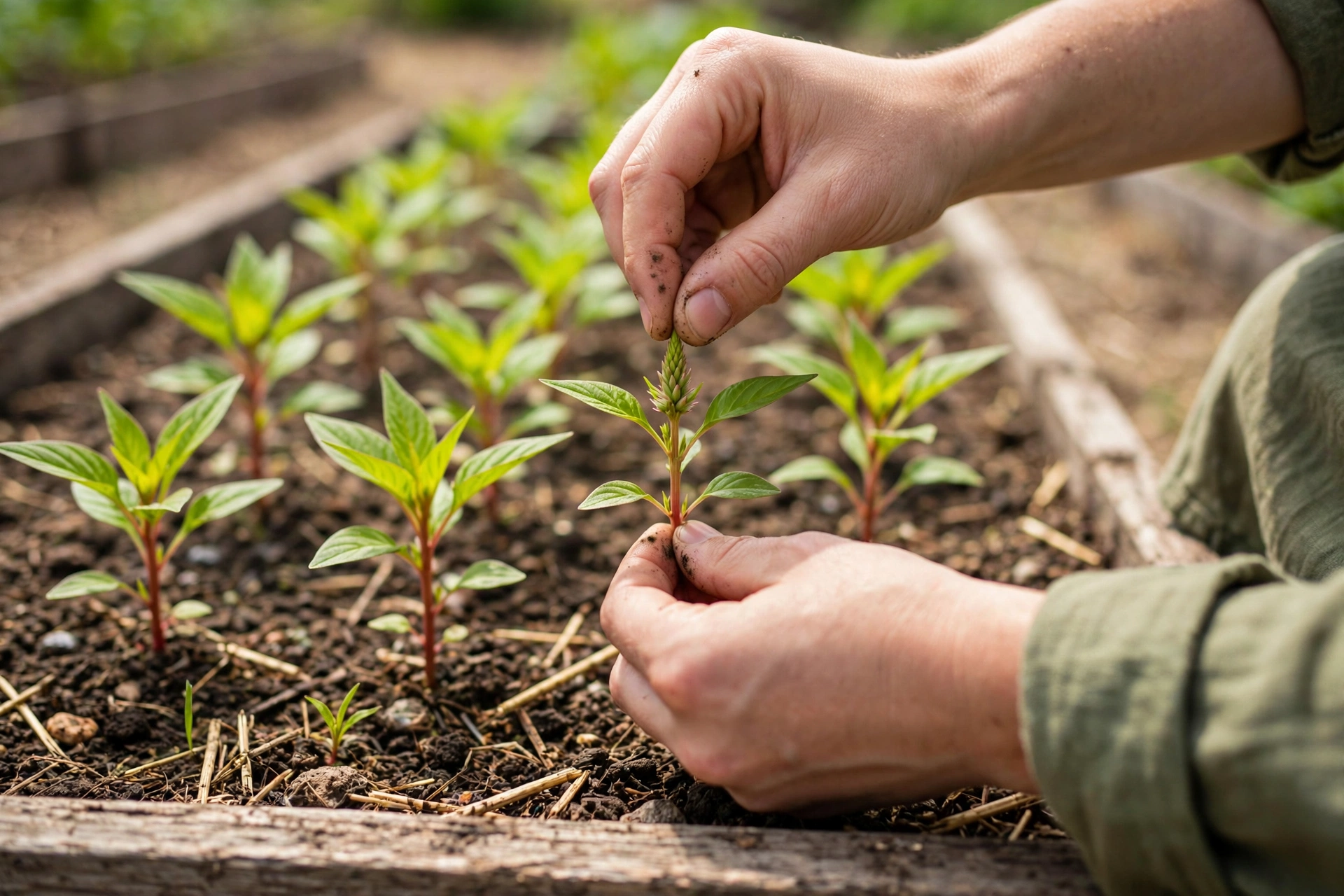
When a young plant has several sets of true leaves and is growing strongly, pinch out the soft growing tip just above a leaf joint. The plant answers with side branches, and side branches are where the extra plumes and spikes come from.
Skip the pinch on plants you want as single tall statements. Spring Green at 40 inches is grown for height and stem, and a pinched plant trades that clean line for bushiness you may not want.
Cutting, form by form
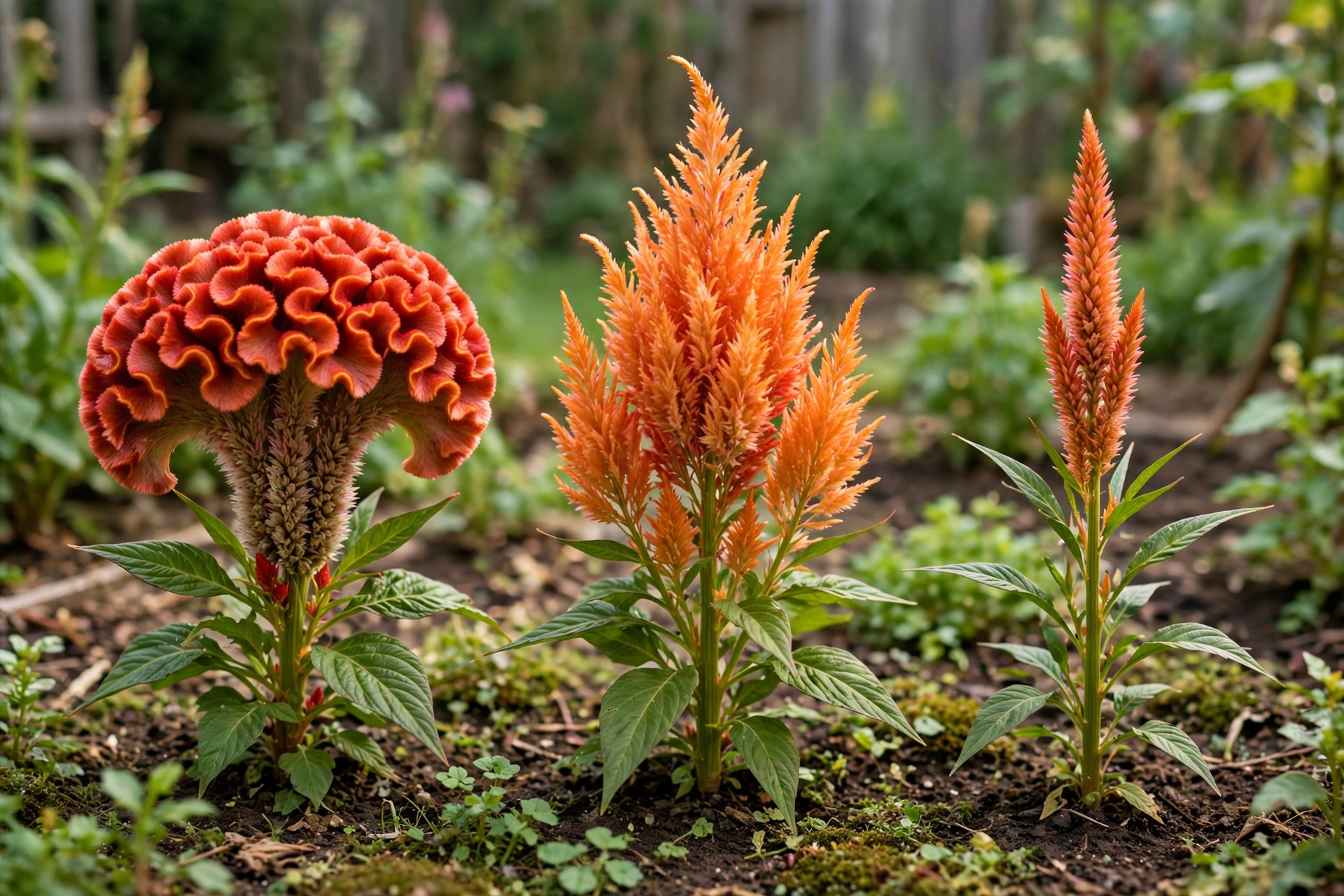
Cut plumes and wheat spikes when they are fully colored and firm, before the base of the flower starts shedding seed. The stem keeps its color dried, which is half the reason Flamingo earns its row.
Cut crested heads once the fan has filled out and the color is even across it. A crest picked half-formed stays half-formed in the vase.
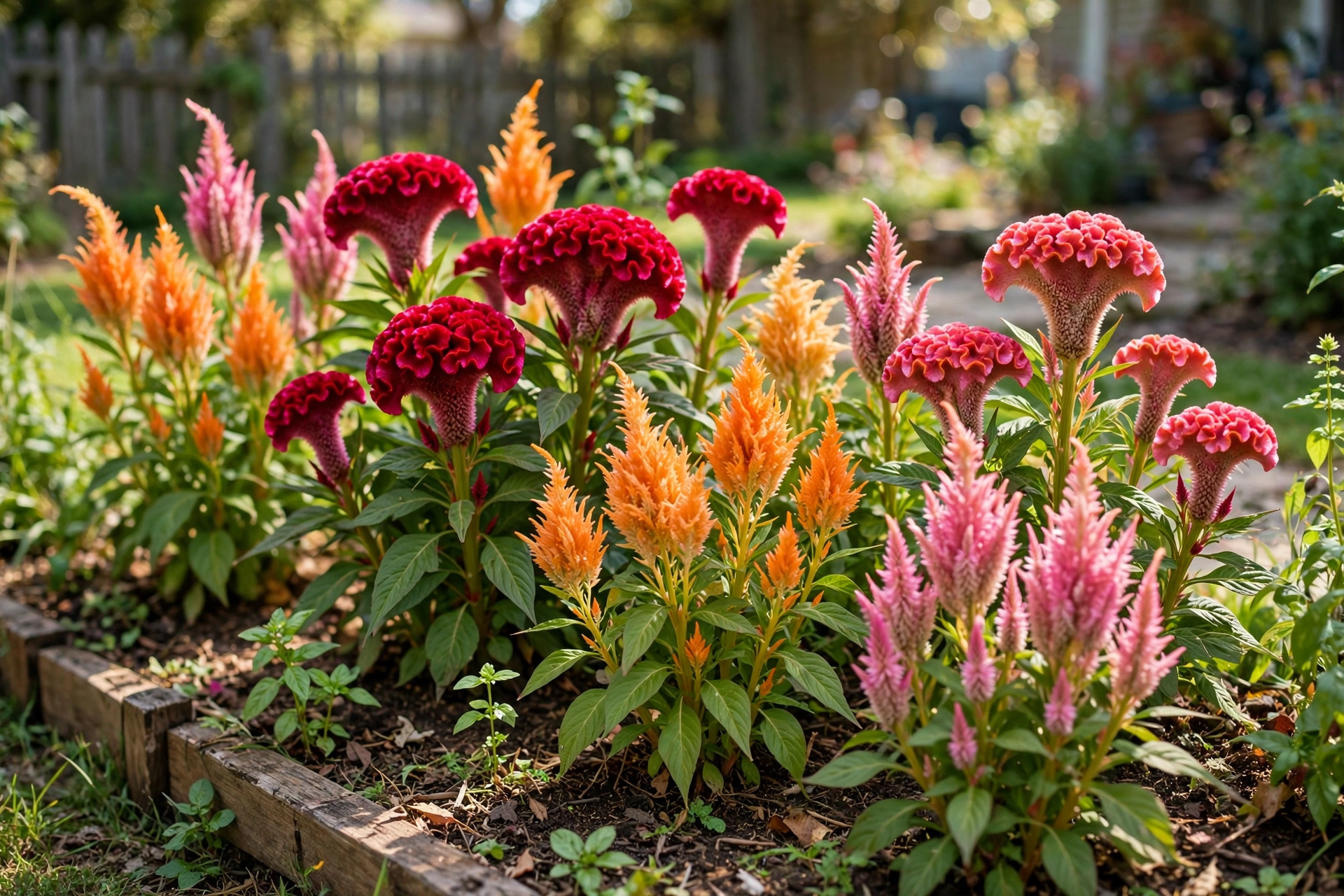
Harvest in the morning, strip the leaves that would sit below the water line, and get the stems into water promptly. The three forms and which jobs they suit are compared in celosia types: crested vs plume vs wheat, and the same warm-soil timing runs the growing zinnias guide.
The short version
Sow after frost into soil at 60°F or warmer, barely cover the seed, and give Flamingo its full three weeks before judging the row. Pinch the plume and wheat plants once, leave the tall crested stems alone, and cut each form when its color is complete.